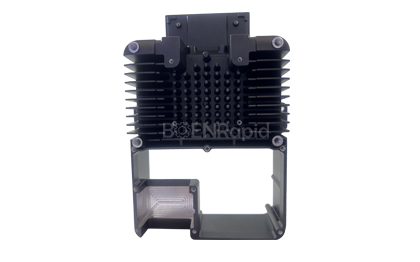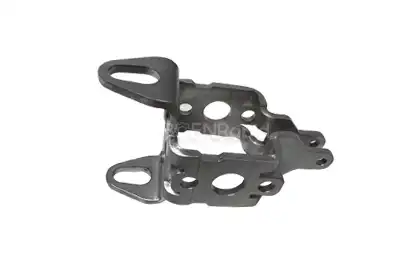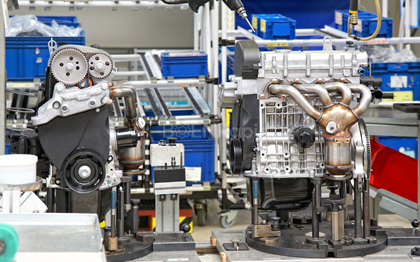
Functional Testing Parts
Details
Functional Testing Parts for Product Development and Engineering Verification
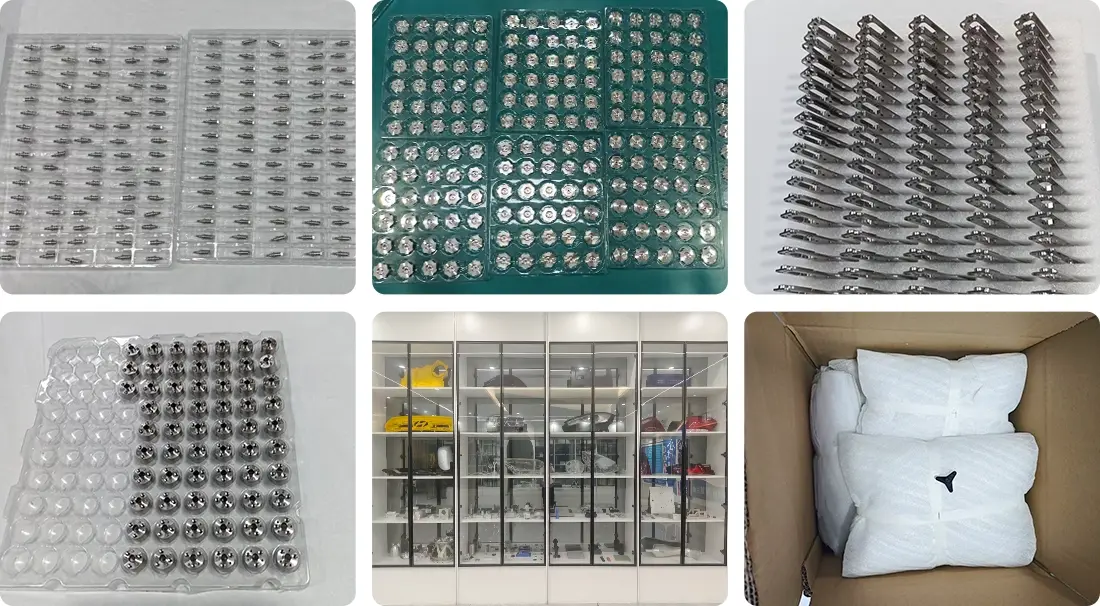
DongGuan Bohao Industrial Co., Ltd., operating as BOEN Rapid, delivers precision Functional Testing Parts designed for mechanical, thermal, structural, and performance evaluation across multiple industries. We have over 15 years of manufacturing experience and are ISO 9001/ISO 13485 certified. We produce testing components with production-grade material properties and dimensional accuracy. Our integrated platform of CNC machining, 3D printing, vacuum casting and injection moulding delivers functioning prototypes within 3-15 working days.
Engineers are provided with components with custom tolerances, production-like materials and surface finishes that allow for accurate real-world performance testing before they commit to full-scale manufacturing.
What Are Functional Testing Parts?
The items are precision built components specifically designed to prove out product designs under actual operating conditions. These parts, unlike visual prototypes, mimic the mechanical properties, thermal performance and structural integrity of the final production components.
Testing parts help product development teams detect design issues early on. Engineers can also assess load-bearing capability, thermal expansion, wear resistance and assembly fit before committing to expensive tooling and mass manufacturing.
These parts support many validation steps . Functional parts give quantifiable data from early idea validation through pre-production testing that can be used to refine design and inform manufacturing decisions.
Manufacturing Processes for Testing Components
BOEN Rapid employs many production technologies to develop goods that will meet your individual testing criteria and material standards.
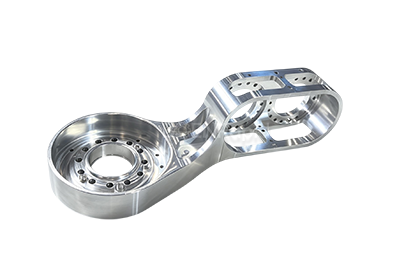
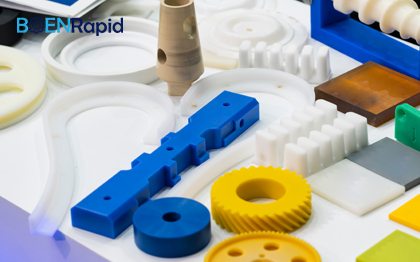
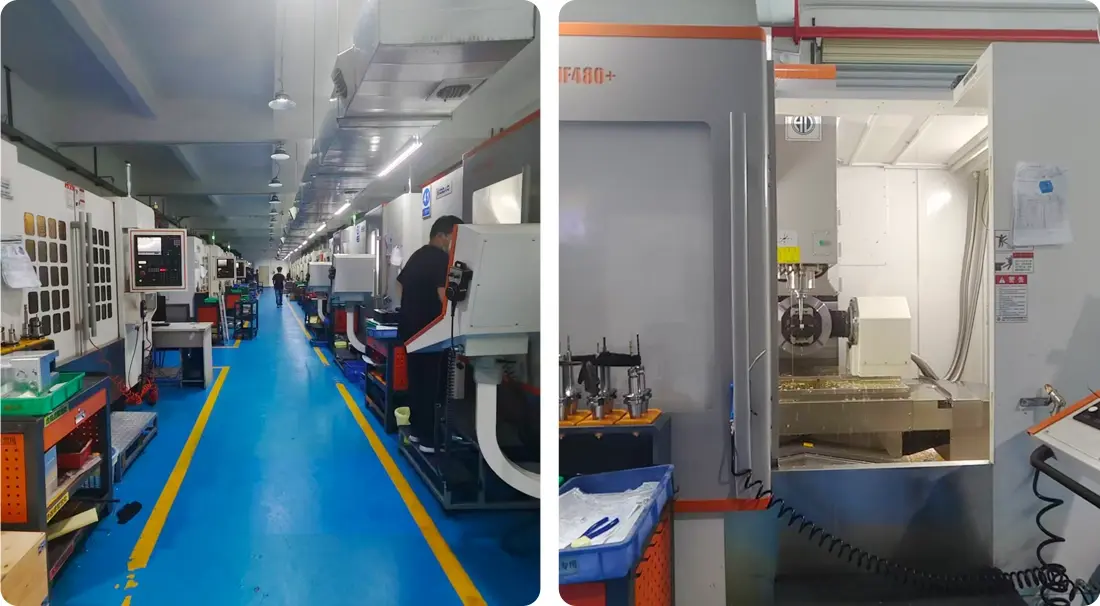
CNC Machining Provides Metal and Engineering Plastic Test Parts with Tight Tolerances and Excellent Surface Finishes. This method is particularly suited for components that require dimensional accuracy and production grade material qualities.
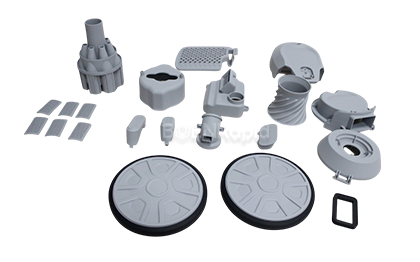
With 3D Printing you can quickly make intricate shapes in materials from technical plastics to metal alloys. Metal additive manufacturing provides high performance testing applications with titanium, aluminium, stainless steel and nickel based alloys.
Vacuum Casting creates functional parts in polyurethane resins that simulate production plastics. This approach works well for low volume testing where you need to iterate quickly.
Injection Moulding produces test parts in real production materials. If you need to validate with parts that are identical to the final production output, then injection moulded prototypes offer the most realistic testing situation.
Technical Specifications
| Specification | Details |
|---|---|
| Materials | Aluminum alloys, stainless steel, titanium, engineering plastics (ABS, PC, PA, POM), tool steels, nickel alloys |
| Manufacturing Methods | CNC machining, metal/plastic 3D printing, vacuum casting, injection molding |
| Tolerance Range | ±0.01mm to ±0.1mm (depending on process and material) |
| Surface Finishes | As-machined, bead blasting, anodizing, powder coating, polishing, custom treatments |
| Production Volume | 1 to 10,000+ units |
| Lead Time | 3–15 working days for prototypes; 2–4 weeks for low-volume production |
| Quality Standards | ISO 9001, ISO 13485, dimensional inspection, material certificates provided |

Key Advantages for Engineering Teams
Real World Performance Evaluation
Testing with real production materials shows how your designs will perform in real operational situations. The results of thermal cycling, mechanical stress and environmental exposure tests cannot be predicted completely by CAD simulation.
Production-Like Materials Available
Manufacturing decisions will be directly affected by your testing results, and you will have access to engineering-grade metals and polymers. Real world performance is predictable since material qualities are identical to those you will employ in final manufacturing.
Faster Design Iteration
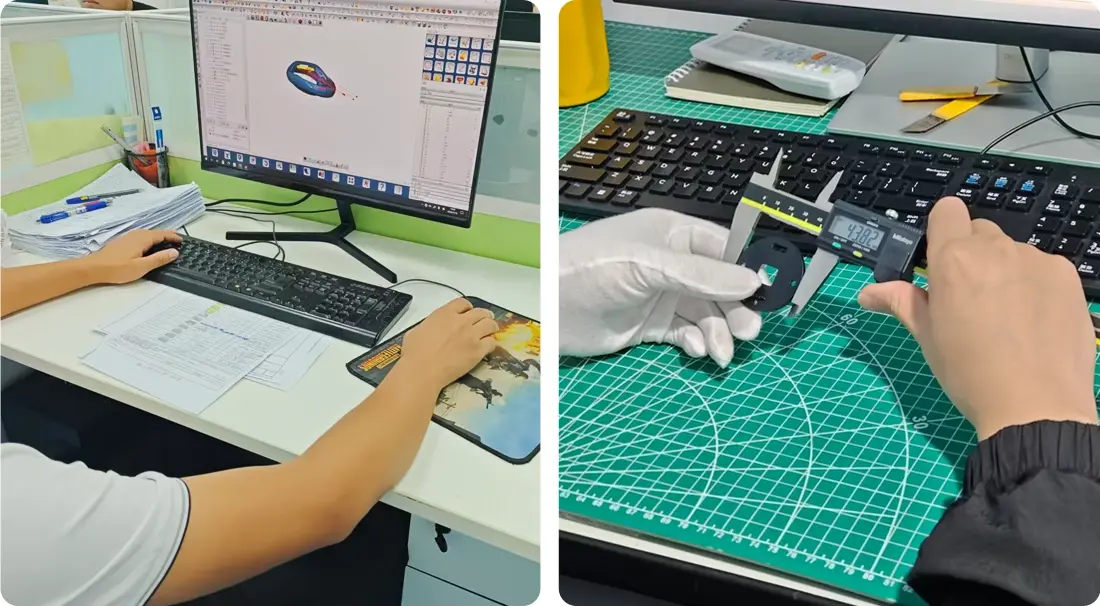
Rapid production of Functional Testing Parts accelerates product development cycles. When testing reveals design improvements, you can implement changes and receive updated parts within days rather than weeks.
Engineering Verification Support
Our DFM analysis helps identify manufacturability issues before you commit to testing. This proactive approach reduces wasted testing iterations and focuses validation efforts on optimized designs.
Applications Across Industries
Auto Developments
Functional pieces allow powertrain testing, interior component validation and structural analysis. Engineers test to extremes of temperature, vibration and mechanical stress to verify performance parameters.
Medical Device Validation
ISO 13485 accreditation and biocompatible materials to satisfy medical device testing criteria. Functional prototypes are tested for sterilisation and biocompatibility and mechanical performance.
Robotics & Automation
Components are tested to validate motion systems, load bearing components and assembly interfaces. Real world testing finds interference concerns, wear patterns and performance constraints prior to production tooling.
Aerospace Parts
Titanium and nickel alloys are high-performance materials, which allows testing under harsh conditions. Functional parts are thermally cycled, pressure tested and structurally loaded.
FAQ
Q: What are functional prototype parts?
A: Functional prototype parts are precision-manufactured components that replicate the mechanical properties, dimensional accuracy, and material characteristics of final production parts. Unlike appearance prototypes, functional parts are designed for performance testing, engineering verification, and real-world evaluation under operating conditions.
Q: Can functional prototypes be used for testing?
A: Yes, functional prototypes are specifically engineered for testing purposes. They enable mechanical stress testing, thermal evaluation, structural analysis, and assembly validation. Using production-equivalent materials ensures test results accurately predict how final manufactured parts will perform in actual applications.
Q: Which materials are suitable for functional testing?
A: Material selection depends on your testing requirements. Metals like aluminum, stainless steel, titanium, and tool steel suit structural and thermal testing. Engineering plastics such as ABS, PC, PA, and POM work for assembly fit and functional validation. Our engineering team provides material recommendations based on your specific testing objectives and performance specifications.
Partner with BOEN Rapid for Testing Components
Contact us at contact@boenrapid.com to discuss your Functional Testing Parts functional testing requirements and receive a project evaluation within 24 hours.