Engineering Plastic Components: Materials, Properties and Applications
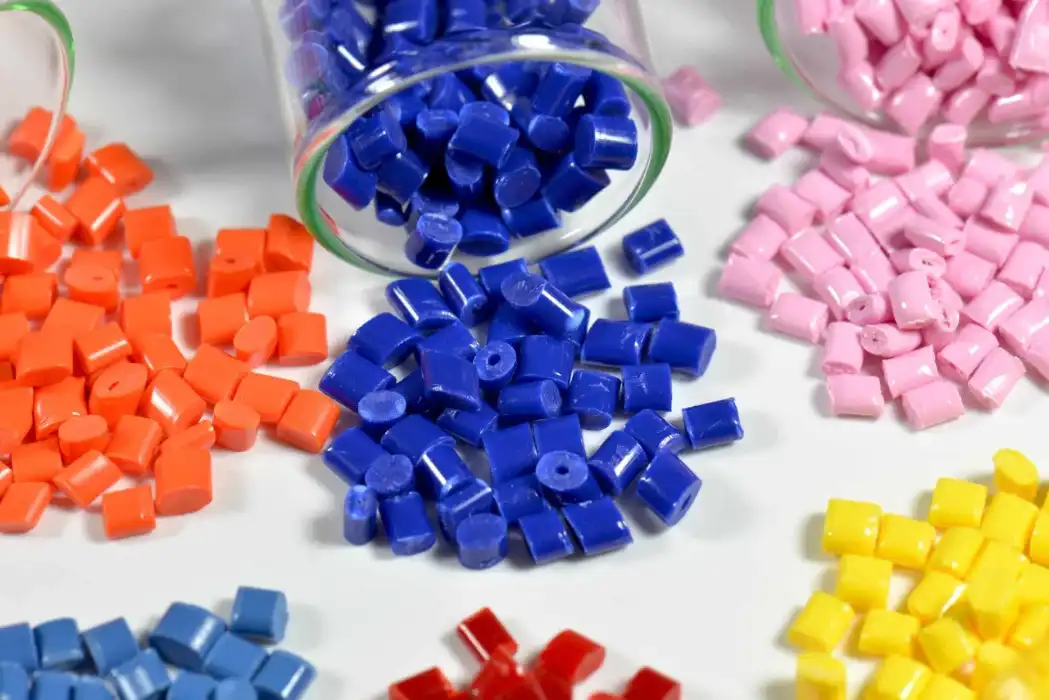
Engineering plastic components parts are a family of high-performance polymer parts designed for demanding industrial applications. These are not just regular plastics; they have proven mechanical strength, heat resistance, chemical stability and exact dimensions. Materials such as PEEK, POM, PA66, PC, PTFE and PPSU can be machined or moulded to very close tolerances, typically ±0.02mm. Therefore, they are reliable materials for gears, valve bodies, bearing cages, electrical insulators and medical structural parts for the chemical, electronic, mechanical and medical device sectors.
Understanding Engineering Plastic Components: Materials and Types
Not all plastics are the same. Engineering grade plastics are a notch above conventional resins; they are
made to perform when regular materials will not. It helps to know what each material actually accomplishes before you pick one.
POM (Delrin) — Precision in Motion
POM, commonly referred to as Delrin, is exceedingly stiff, has little friction and is dimensionally stable. It is the greatest material for constructing precision gears, sliding mechanisms, and bearing cages because it cuts smoothly and to tight tolerances. It does not absorb much water therefore it will not alter dimensionally with humidity variations – an advantage over many other technical polymers.”
PEEK — The High-Performance Benchmark
Polyether ether ketone (PEEK) can withstand temperatures up to 260°C and most chemicals, including hydrocarbons and organic solvents. It is frequently utilised in aerospace, semiconductor and medical device applications that are subject to strong chemical and heat demands. PEEK is also biocompatible, which means it can be utilised to build implanted medical gear.
PA66 (Nylon), PC, PTFE, and PPSU
PA66 is strong and doesn't wear down easily, but it absorbs water easily, so it needs to be controlled-dried before it can be machined. PC is a fantastic choice for protection housings as it is transparent and impact resistant. PTFE is chemically inert and can withstand severe media in chemical handling equipment. PPSU is useful in medical device parts as it can withstand high temperatures and can be steam sterilised.
Key Properties and Benefits of Engineering Plastic Components
Industrial polymers are normally preferred over metals, because they are cheaper. PVC is usually superior than metal. It's lighter, doesn't corrode, and is easy to deal with. Still, it’s worth reflecting on this connection.
These are the major factors that purchase engineers look at while evaluating houses:
- In general, engineering plastics are 5 to 7 times lighter than steel, which is helpful in weight reduction. This directly reduces energy consumption and inertia burdens for mobility systems like robots and automation equipment.
- Corrosion resistance: Unlike steel and aluminium, polymers like PTFE and PPSU are not attacked by acids or alkalis. This eliminates the need for protective coatings and makes the product last longer.
- Electrical insulation PC and POM have strong dielectric qualities and are therefore suitable as materials for electrical connection housings and insulating structural sections.
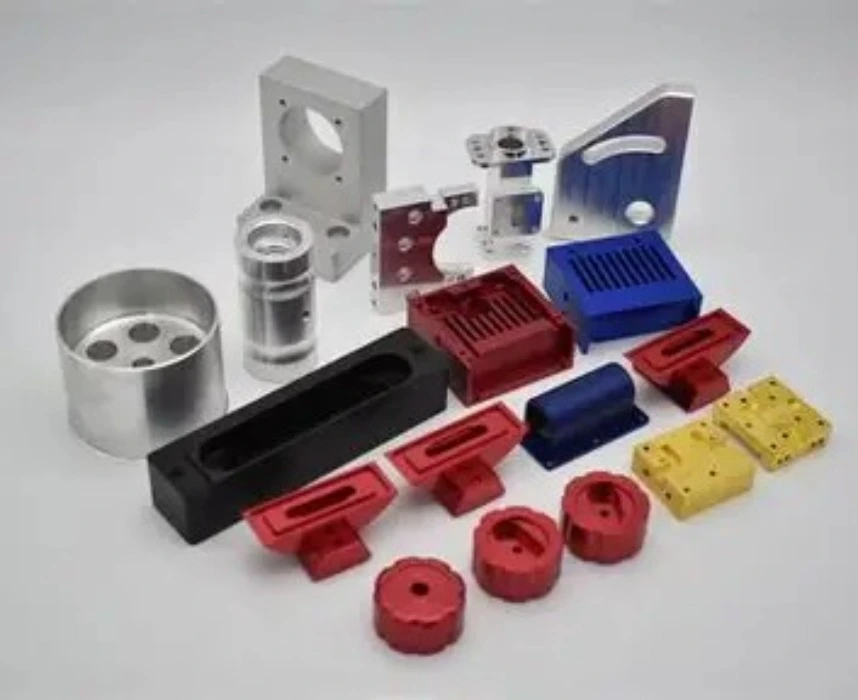
- Design freedom of geometry: CNC machined plastic parts can be manufactured with internal channels, thin walls and complex geometries that would be too costly to produce in metal.
These improvements lead to lower repair costs, lighter parts and faster design revisions. Engineering plastic components parts made from polymers are often used in engineering, but they aren't always the best choice. If you are making something you should be thinking about its real defects like creep under long term strain, and greater likelihood of breaking under UV radiation.
Applications of Engineering Plastic Components Across Industries
Polymer parts made for engineering use can be found in many types of factories. Their use has sped up as companies look for lighter, more resistant to corrosion metal parts alternatives that don't lose any accuracy in size.
Mechanical Transmission and Industrial Machinery
These POM and PA66 parts are used in food processing, conveyor systems, and packaging machinery as gears, worm wheels, and bearing retainers. Compared to metal-on-metal contact, these materials need less lubrication and make less noise. A common way to cut weight by 40 to 60% is to use POM gears instead of metal or aluminium ones.
Medical Devices and Surgical Equipment
PEEK and PPSU are common materials for the skeletal parts of Class II and III medical devices. PPSU can be sterilised over and over in an autoclave at 134°C without changing shape. This means it can be used for instrument handles, valve housings, and fluid control parts. In this industry, you must buy biocompatible types that are in line with ISO 10993.
Electronics, Semiconductors, and Chemical Processing
PC insulator housings, PTFE-lined valve parts, and PEEK semiconductor wafer carriers are all common uses where chemical purity and electrical performance can't be compromised. PTFE has the lowest coefficient of friction of any solid material, at about 0.04. This makes it perfect for chemical pumps that need dynamic closing surfaces.
How to Choose the Right Engineering Plastic Components for Your Project?
The improper material choice means more expenses and poorer reliability in the field. The risk is managed through a systematic process of assessment.
Define the Operating Environment First
Determine the maximum operating temperature, whether the load is static or dynamic, and any regulatory requirements such as FDA food contact, RoHS, REACH, or ISO 13485. PEEK is great for the widest range of circumstances, POM is best for mechanical applications running in dry conditions and PTFE is best for chemically demanding environments.
Balance Tolerance Requirements Against Manufacturing Method
CNC machining may achieve tolerances of ±0.01mm to ±0.05mm. Best used for small to medium production runs of engineering plastic components parts which are intricate in shape. Injection moulding can produce more of the same quality but it costs more to buy the tools. CNC machining has generally a quicker turn-around time and reduced start-up costs for prototyping and small quantities of under 500 units.
Verify Supplier Certifications and Material Traceability
A good supplier will provide you with material certificates that show the type of polymer, the amount of filler and that the product meets all applicable criteria. This paperwork is contractually mandated and cannot be bypassed for medical and food-contact usage. ISO 13485 is only for processes used to create medical equipment, whereas ISO 9001 is for general manufacturing quality.
Procurement and Supply Chain Considerations for Engineering Plastic Components
It's not the same thing to look for common hardware and exact plastic parts. Things vary in price based on how long they take to get, how much you have to buy, and how professional the company is.
Evaluate Supplier Technical Capability
You need to have the right tools, know how to change the settings for cutting, and be ready for the part to get too hot. Possible suppliers should be able to show you proof of inspections, reference parts, and past work they've done in your field. It shows that they have better process control if they are certified in both ISO 9001 and ISO 13485.
Manage Lead Times and Batch Flexibility
Most of the time, making plastic parts for users takes 3–15 work days. Most of the time, it takes two to four weeks to finish projects with only fifty to five hundred things. Take more time to look over the first piece and fix any issues you find with the measurements. There are deals that help keep prices and wait times stable when you place more than one order.
Build Supplier Relationships That Support Long-Term Production
You take a chance when you only buy things from one seller. Getting two or three good sources for the same project takes longer and costs more. Keep what you need in one place, and make sure they are abiding by clear rules for proper paperwork. Also, have a good supply at hand in case something goes wrong with a key part.

Conclusion
Engineering plastics are utilised in precision production because metals and bulk resins are not as good as engineering plastics in handling genuine concerns such as weight, corrosion, lubrication and electrical isolation. 4 factors impact the performance during life of engineering plastic components parts. The material used, the machinability, the control of tolerances and certification of the supplier. Once procurement engineers and OEM designers grasp these aspects, they may formulate requirements that will serve them well in product development.
FAQ
What is engineering plastics and commodity plastics?
Commodity plastics, such as PE and PP, are intended for general use in low temperature and low load applications. PEEK, POM, PA66, PC and PTFE are all plastics specially made to meet specific mechanical, thermal or chemical performance requirements. They are more expensive per kilogram, yet function dependably in circumstances where commodity resins distort, creep or chemically decay.
Can metal parts be replaced by engineered plastic parts?
Yes, in many applications. POM is a replacement for bronze bushings. PEEK is a replacement for stainless steel in corrosive situations. PA66 is a replacement for aluminium in lightweight gear applications. The trick is to match the real load and temperature limits of the material with the application. If you need to withstand continuous high loads, impacts or temperatures that are outside the performance range of polymers, metal is the superior solution.
What certifications do I ask from a supplier?
ISO 9001 is the minimum standard for production quality. Medical device components must be ISO 13485. Material certificates, RoHS/REACH declarations and first-article inspection reports should be provided for each order. FDA compliance documentation related to the polymer grade is also required for food-contact applications.
What tolerances may be achieved in CNC machined plastic parts?
CNC machined engineering plastics can commonly be machined to tolerances from ±0.01mm to ±0.05mm depending on the material, geometry and part size. PA66 is hygroscopic and so needs pre-drying and controlled machining conditions to avoid dimensional drift after cutting.
Ready to Upgrade Your Engineering Plastic Components? Partner with BOEN Rapid
Looking for a reliable supplier for precision engineering plastic components parts? With over 15 years of precise manufacturing experience, BOEN Rapid can create unique plastic components for demanding industrial applications. With CNC machining, in-house processing, and tight quality control, we support your POM gears, PA66 mechanical parts, PEEK, PTFE, PC, and PPSU needs. We help industrial machinery, electronics, and medical device customers reach high quality standards with ISO 9001 and ISO 13485 certifications. We can help you confidently develop and manufacture working prototypes, small-batch production, or customised components with tight tolerances. Have a CAD drawing or material specification ready? Contact our engineering team at contact@boenrapid.com or visit boenrapid.com to discuss your project and request a tailored quote.
References
1. Harper, C. A. (Ed.). Handbook of Plastics Technologies. McGraw-Hill, 2006.
2. Rosato, D. V., & Rosato, M. G. Injection Molding Handbook (3rd ed.). Springer, 2000.
3. Brydson, J. A. Plastics Materials (7th ed.). Butterworth-Heinemann, 1999.
4. ISO 10993-1:2018. Biological Evaluation of Medical Devices — Part 1: Evaluation and Testing within a Risk Management Process. International Organization for Standardization, 2018.
5. Ashby, M. F., & Johnson, K. Materials and Design: The Art and Science of Material Selection in Product Design (3rd ed.). Butterworth-Heinemann, 2013.
6. Tres, P. A. Designing Plastic Parts for Assembly (7th ed.). Hanser Publications, 2014.