Custom Metal Bracket Manufacturing: Processes and Design Options
Custom metal brackets parts are precision-engineered mounting and structural components built directly from customer drawings and 3D CAD models. Unlike standard off-the-shelf hardware, these components are manufactured to exact dimensions, material grades, and surface treatments suited to specific load and environmental conditions. At BOEN Rapid, we produce metal mounting brackets from aluminum, stainless steel, carbon steel, and galvanized steel for industries including 5G infrastructure, energy storage, robotics, and industrial automation — delivering prototype samples in as few as 5 working days with no minimum order quantity.
Understanding Custom Metal Brackets: Types, Materials, and Benefits
Common Bracket Types and Their Industrial Roles
Metal brackets come in a number of shapes and sizes, including L-shaped, Z-shaped, U-channel, and gusset corner. Each type is used for a different purpose in building. Mounts for robotic arms and sensors are held in place by L-brackets. With Z-brackets, you can put things at an angle in little places. Corner gussets make machine frames stiffer when they are under dynamic pressure. Bracket design is made from scratch for certain uses, like 5G base station cases or battery pack mounting frames, to make sure it fits the exact needs of the assembly.
Material Selection: Matching Metal to Application
Choosing the right metal will change both the cost and the length of time something lasts. In real life, these are the four most usual options:
- Aluminum 6061/7075 works well for robotics and automation fixtures where weight reduction is a priority. It machines cleanly, accepts anodizing, and resists corrosion without a protective coating.
- Stainless Steel 304/316 delivers high corrosion resistance and hygienic surface properties, making it the preferred choice for food processing equipment and outdoor energy storage enclosures exposed to humidity.
- Carbon Steel Q235/A36 offers high tensile strength and excellent weldability at a lower cost per kilogram, ideal for heavy machine frames and conveyor system supports.
- Galvanized Steel provides a zinc barrier against rust, commonly specified for outdoor telecom structures and AGV chassis components that see prolonged environmental exposure.
As you can see, these options cover most of the needs for B2B structure brackets in the manufacturing markets in North America.
Why Custom Outperforms Standard Off-the-Shelf Brackets
Standard brackets don't always have the right slots, weight limits, or types of metal for an OEM system. Because custom-made parts fit the first time, they don't need to be shimmed or reworked, which makes the whole process of putting them together easier. The Precision Metalforming Association says that more than 60% of metal brackets bought in the industrial equipment sector are custom-made parts. This number shows that library technology doesn't always work when things go wrong.
Custom Metal Bracket Manufacturing Process: From Design to Delivery
CAD Review, DFM Analysis, and Material Procurement
Every project at BOEN Rapid begins with a 24-hour engineering review of the customer's drawings or 3D CAD files. Our engineering team performs DFM (Design for Manufacturability) analysis, flagging wall thickness inconsistencies, tight bend radii, and weld access issues before production starts. Material is sourced from certified mill suppliers with traceable documentation, ensuring compliance with ISO, DIN, and ANSI material standards from the first piece.
Core Fabrication Techniques
The actual manufacturing sequence for custom metal brackets parts depends on geometry and material, but typically follows this path:
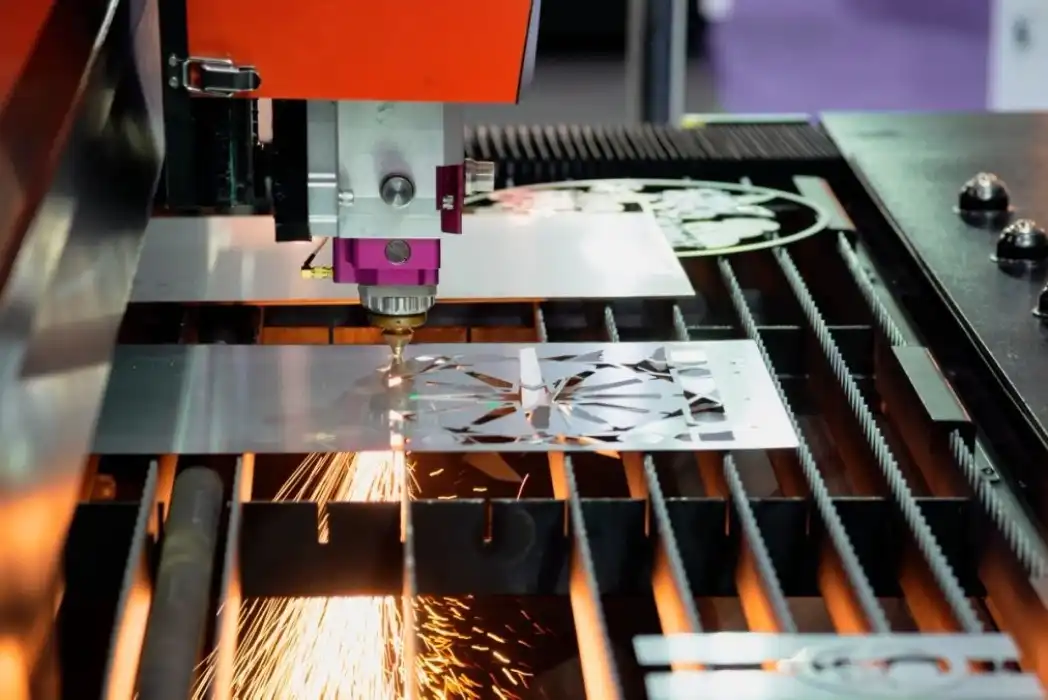
- Laser cutting profiles sheet metal blanks to ±0.1mm accuracy, replacing punch-and-die tooling for low-volume runs.
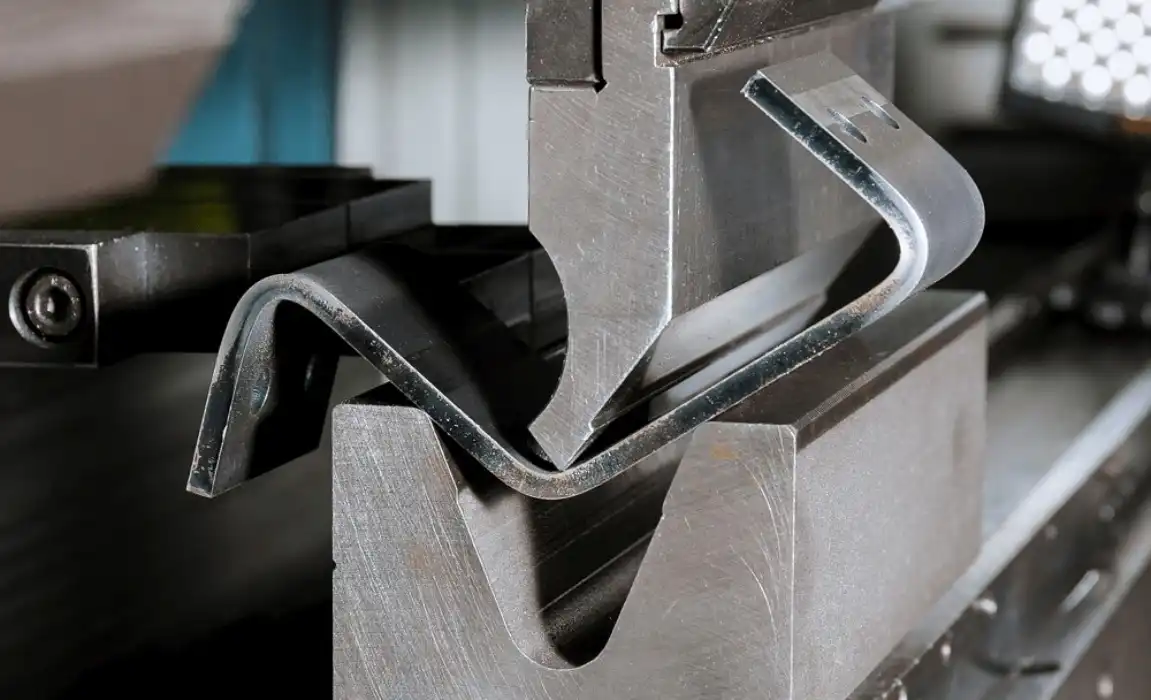
- CNC bending forms sheet metal to angles up to 135° with spring-back compensation built into the machine program.
- TIG, MIG, and spot welding join multi-piece assemblies with controlled heat input to minimize distortion — a frequent concern when welding thin stainless steel enclosures.
- CNC milling and turning produce machined bracket features such as threaded bores, precision slots, and bearing seats holding tolerances of ±0.05mm.
This integrated process allows a single supplier to handle the full sequence, reducing handoff delays and tolerance stack-up between subcontractors.
Quality Inspection and Delivery Documentation
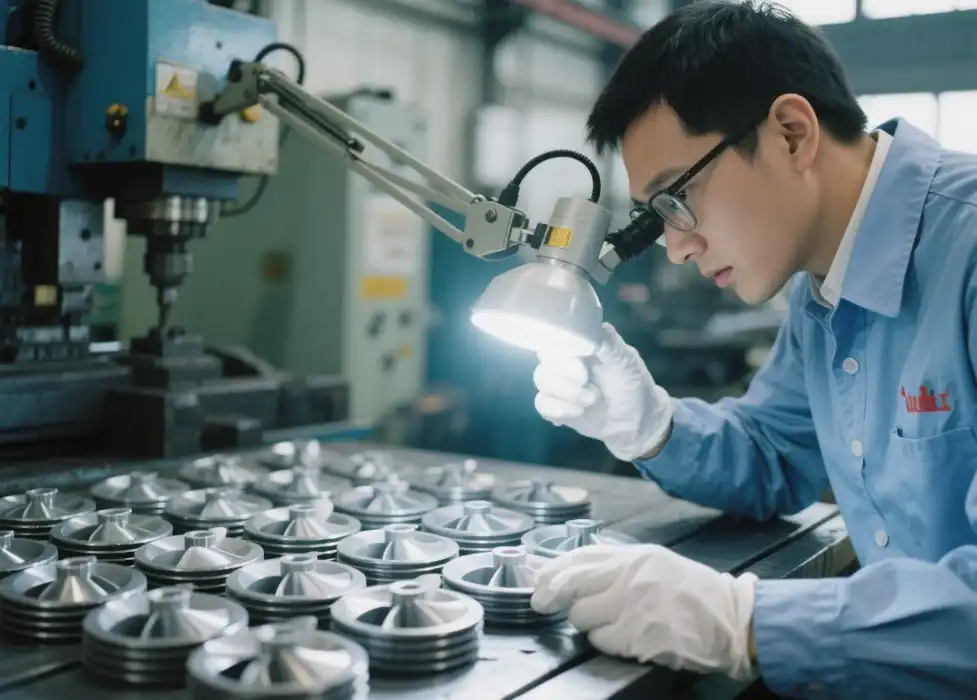
Every finished batch passes dimensional inspection using CMM equipment against the customer's original drawing. BOEN Rapid issues full quality documentation with each shipment: dimensional inspection reports, material certificates (mill test reports), and photographic records. Salt spray testing to 96 hours or more is available for surface-treated parts destined for outdoor or corrosive environments, meeting ASTM B117 test protocols.
Comparing Custom Metal Brackets with Alternative Solutions
Custom Metal vs. Standard Catalog Brackets
Most load cases and hole spacings are used to make standard bolts. They work fine when building a house, but not so well when used in factories where precise geometry is needed because of torque loads, vibration frequency, and the need for an IP-rated enclosure. For a structural engineer, a bracket is not "close enough" to hold an AGV chassis; the quality of the measurements changes the drive orientation and the bearings' life over time.
Stainless Steel vs. Aluminum: Trade-offs in Practice
Stainless steel is about 2.5 times denser than aluminum, but it does better in places where there are harsh chemicals or high temperatures. Aluminum is lighter than steel and can be used in mobile applications like robotics end-effectors and drone frames. To meet the wear strength of steel, aluminum may need Type III hard anodizing in areas where it slides against other metal. The best choice isn't just based on how much the things cost. The terms of work are also important.
Price vs. Long-Term Value in Bulk Procurement
It's often possible to get the job done for less money by paying a little more per unit for a well-designed bracket. A special part costs more than a standard part because it takes longer to fix problems, costs more to get under insurance, and costs more to send back hardware that doesn't fit right. Buying from a maker that also does production saves time and money because you don't have to put together a supply chain from different sellers.
How to Choose the Best Custom Metal Brackets Manufacturer?
Key Certifications and Quality Systems to Verify
Real metal bracket sellers must have an ISO 9001-certified system for making sure the quality of their work. When brackets are used in energy storage systems, the whole thing might need to be CE and UL-approved. It's up to you to check the certificate numbers that companies give you. BOEN Rapid has both ISO 9001 and ISO 13485 certifications, and there are written process controls that can be used to track the work from start to finish.
Evaluating Production Capacity and OEM Capabilities
A good company that makes custom metal frames should have all of these services in one place: laser cutting, CNC bending, welding, CNC machining, and surface treatment. With multi-process flexibility, there are no more handoffs between providers, which can lead to delays and changes in size. The supplier should be able to handle both small orders (one to ten pieces) and large orders (one thousand pieces or more) with the same level of quality. Each one needs a different set of process discipline, and not all shops are good at both.
Sampling Procedures and Communication Responsiveness
A first-article inspection report is something you should ask for when you order your first prototype of custom metal brackets parts. A reliable seller will do this even if you don't ask them to. Check to see how quickly the engineering team responds to questions about models and feedback from DFM. It's likely that they will take a long time to respond during production if they take a long time to respond during production. As soon as BOEN Rapid gets full plans, they send back the first project reviews within 24 hours.
Design Options and Customization Ideas for Metal Brackets
Multifunctional Bracket Designs That Reduce Part Count
A well-made bracket does more than one thing with just one piece. One formed stainless steel part can be made from three separate parts. This part can be used as a wire tray, a thermal insulation standoff, and an enclosure mounting plate all at the same time. With this method, you don't have to use as many fasteners, put together as many parts, or spend as much money on materials. It also makes the building process easier.
Surface Finish Options and Their Protective Performance
What kind of surface treatment you use determines how long something will last and how good it will look. This is what most people choose when they need to fix something made of metal:
- Powder coating (RAL color matched) provides 60–80µm film thickness, good impact resistance, and consistent color matching for OEM equipment aesthetics.
- Electrophoretic coating (e-coat) delivers uniform coverage on complex geometries and recessed areas, widely specified for automotive and energy storage brackets.
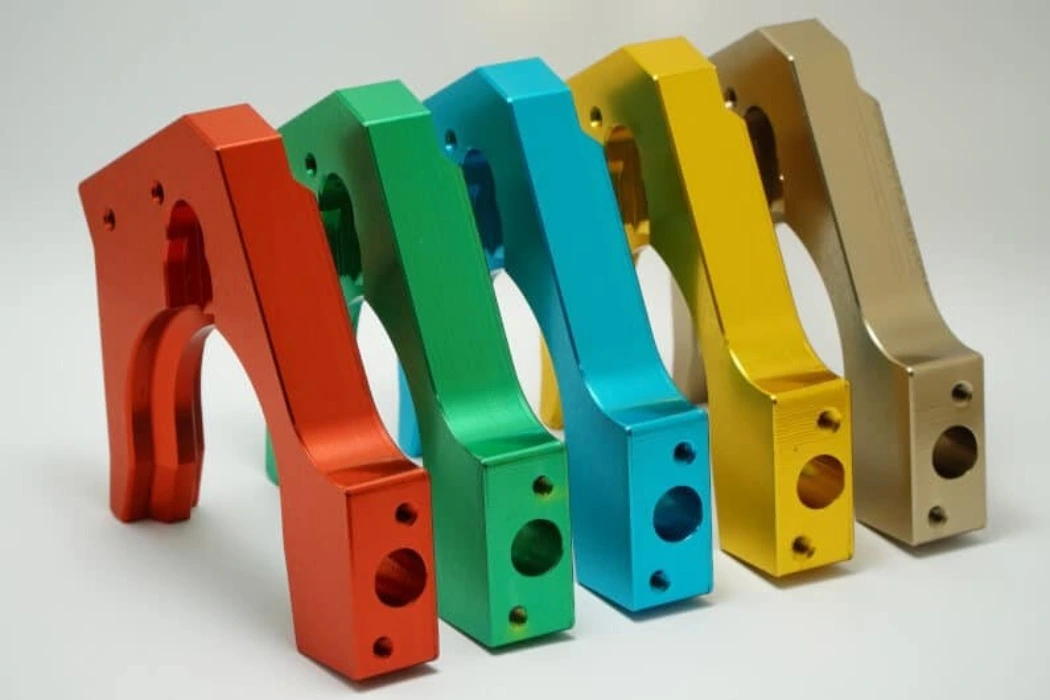
- Type II/III anodizing on aluminum produces a hard, integrated oxide layer — Type III reaching 25µm depth for wear-exposed surfaces.
- Electroplating (zinc or nickel) suits conductive contact surfaces and components requiring RoHS-compliant corrosion protection.
CAD Design Tips for Manufacturability
Instead of putting the finish after the fact, picking the right one during the planning phase keeps parts from not sticking together and having size issues.
Conclusion
How well the assembly works, how much it costs, and how effective it is in the field are all affected by the way the metal mounting clamps are made, the material used, and the way the surface is treated. When it comes to factories, where exact size and durability are important, tools from a catalog never work as well as custom metal brackets parts that are made just for the job. It's safer and faster to go from an idea to a tested prototype when you work with a supplier that does the whole process, from looking over the CAD files to the final inspection.
FAQ
How long does it take to receive a prototype bracket order?
Simple geometries typically ship within 3–7 working days from drawing approval. Complex multi-process parts requiring welding, machining, and surface treatment take up to 15 working days. Expedited scheduling is available for urgent projects.
Is there a minimum order quantity?
No. BOEN Rapid accepts orders from a single piece. This makes the service practical for design validation samples, pre-production fit checks, and small-batch replacement components without requiring volume commitments.
What file formats do you accept for bracket designs?
We accept STEP, IGES, DXF, and DWG files, as well as PDF drawings with GD&T callouts. STEP files are preferred because they allow full 3D DFM review before quoting.
What welding methods are available?
TIG, MIG, CO₂ shielded welding, and spot welding are all available. Method selection depends on material type, joint geometry, and strength requirements. Our engineering team recommends the appropriate method during the DFM review.
Can you match a specific powder coat color?
Yes. We match RAL color codes for powder coating and can color-match existing components using spectrophotometer measurement upon request.
Partner with BOEN Rapid for Your Next Bracket Project
BOEN Rapid has been making precise parts for more than 15 years and can help you with your project. When you work with our trustworthy company to make custom metal brackets parts and custom metal bracket parts, we do everything in-house, from CNC cutting and bending to welding, grinding, and surface treatment. We are ISO 9001 certified, and there is no minimum order size. Feel free to email your models to contact@boenrapid.com or visit boenrapid.com to get a price. Our engineering team will get back to you in 24 hours with ideas for materials and a production plan that works for you.
References
1. Precision Metalforming Association. Fabricated Metal Products Industry Report. 2023.
2. ASM International. Metals Handbook: Properties and Selection of Irons, Steels, and High-Performance Alloys. 2021.
3. American Welding Society. AWS D1.1 Structural Welding Code — Steel. 2020.
4. ASTM International. ASTM B117: Standard Practice for Operating Salt Spray (Fog) Apparatus. 2019.
5. Society of Manufacturing Engineers. Tool and Manufacturing Engineers Handbook: Sheet Metal Forming. 2020.
6. International Organization for Standardization. ISO 9001:2015 Quality Management Systems — Requirements. 2015.