Engineering Prototype Parts for Functional Testing and Design Validation
When your hardware team needs to move from CAD file to physical reality, engineering prototypes parts are the bridge that makes it possible. These are production-grade components built specifically for functional testing, structural verification, and design validation — not display models or rough mockups. At BOEN Rapid, we manufacture custom prototype components using CNC machining, 3D printing, vacuum casting, and sheet metal fabrication, with delivery in as few as 3 days. Whether you are validating a medical device housing or testing an aerospace bracket, the right prototype gets you there faster.
Understanding Engineering Prototype Parts and Their Role in Product Development
What Makes a Prototype Part Different from a Mockup?
An engineering prototypes parts is made from materials that are good enough to be used in production using real manufacturing methods. It checks how well it fits, works, and is shaped in real life. It only shows the shape of a model. It is important to do this because engineers can make mistakes when they use test data from models that aren't very accurate. A well-made engineering prototypes parts, on the other hand, shows how the product will work in real life, showing things like stress points, problems with assembly tolerance, and how it will react to heat, all before expensive production tooling is made.
Types of Prototype Parts Used in Hardware Development
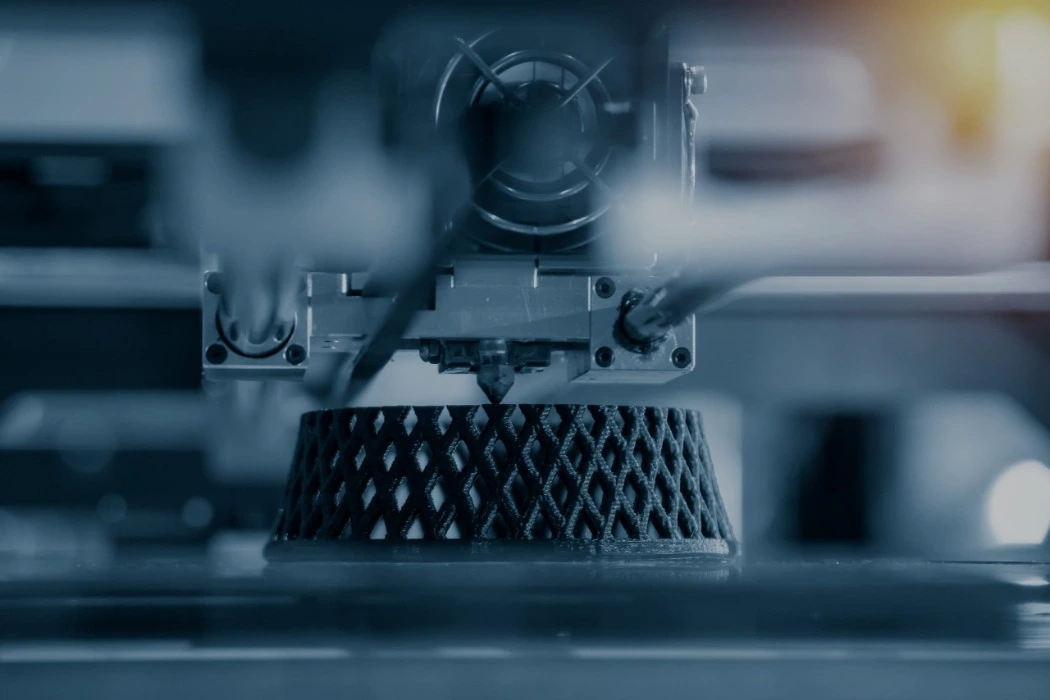
Engineering prototypes parts come in three main types: look prototypes, structural prototypes, and functional prototypes. Look prototypes show how the hardware looks and works mechanically, while structural prototypes show how well it holds weight and works mechanically. There are different stages of validation for each type. You might find design mistakes too late in the product cycle if you skip any of them. It will cost more and take more time to fix them then.
Why Early Prototyping Reduces Development Risk?
The Journal of Manufacturing Science and Engineering has a study that says it can be up to 10 times cheaper to make changes to an engineering prototypes parts while it is being made than to make changes to a production tool while it is being made. Early-stage validation with physical engineering prototypes parts lets engineering teams make more than one change at once. This speeds up development and makes sure that designs are ready to go with a lot fewer costly surprises.
How to Make Engineering Prototype Parts: Design and Manufacturing Best Practices
Design for Manufacturability (DFM) from the Start
There are often delays in making engineering prototypes parts because the drawings don't take into account how much can be made. How well and quickly a part can be made depends on tolerance stack-up, draft angles, undercuts, and wall thickness. Before anything is printed or cut, our tech team looks over your files and gives you DFM notes. Bugs can be found and fixed right away, which means you don't have to do the work over and over again.
Choosing the Right Manufacturing Process
There are different ways to evaluate things that work best for each goal. How do the main ways compare?
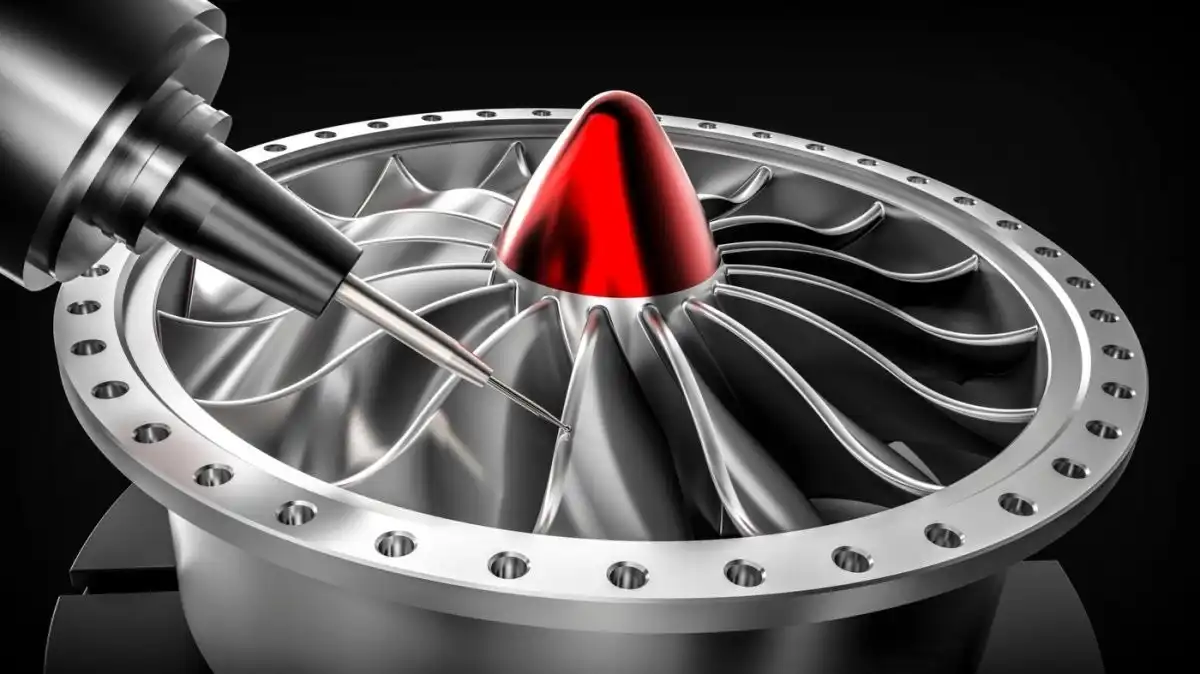
- CNC Machining can make metal and plastic parts with tight tolerances in 3–7 days. Since measures and material features need to be exact, this is the best choice when exact production specs need to be met.
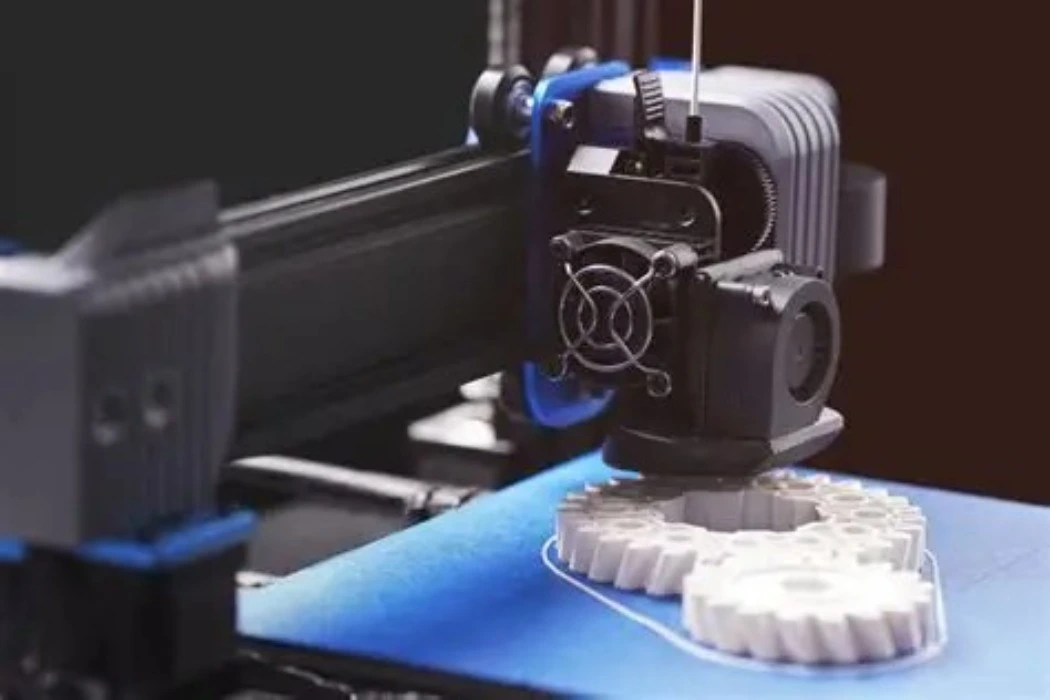
- Metal 3D Printing (SLM/DMLS) can be used to make parts in 5–10 days from titanium (Ti6Al4V), aluminum, and stainless steel, even if they have complicated internal shapes that can't be reached with subtractive cutting.
- SLS/MJF Printing can make plastic pieces that are strong and useful in 3–7 days, without having to use support structures that leave marks on the surface.
- Vacuum Casting can make small plastic parts with a finish that looks like injection-molded production parts in 7–12 days. Because of this, it's a good way to test the look and the usability.
Different things are done by each process. Which one you choose will depend on the tests you want to do, the materials you need, and the gaps you need to keep.
Quality Control and Traceability in Prototype Manufacturing
Engineering prototypes parts and production parts must be checked by the same rules. Every part that comes into BOEN Rapid is checked for its size, finish, and process paperwork. Our ISO 13485 quality system makes sure that you can keep track of engineering prototypes parts for medical devices from the raw materials to the end product. Test results show how well the product really works, not just how different the products are made. This gives engineering teams faith in the results.
Engineering Prototype Parts vs Production Parts: Making the Right Choice
Key Differences in Purpose and Design Flexibility
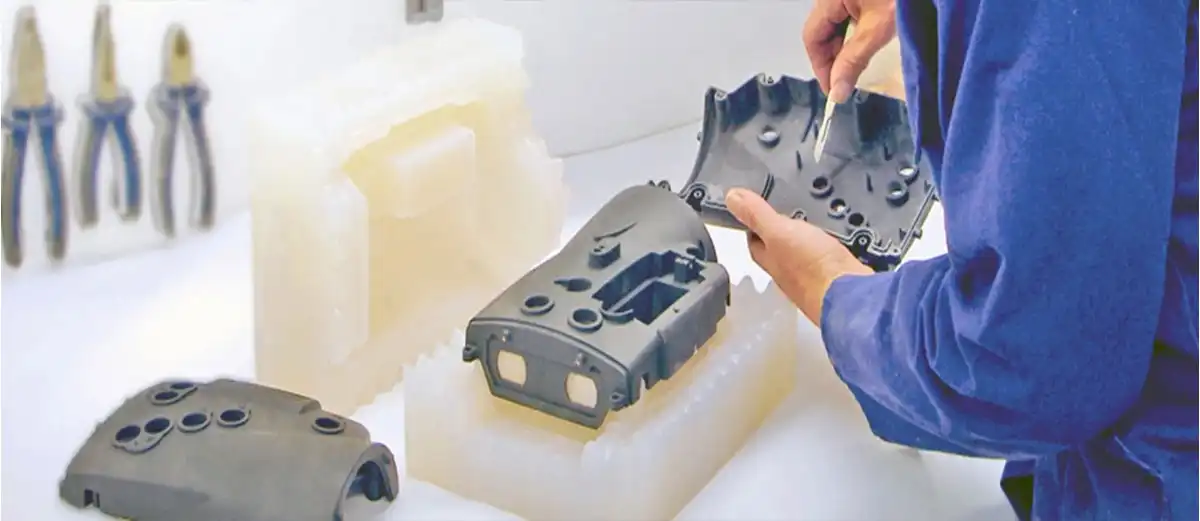
So that changes can be made, engineering prototypes parts are made. They don't mind if the design changes, if different materials are used for tests, or if the quality documentation processes are cut down. Parts for production are made to be used on a big scale. This means that the output will be the same, the tools will have been tried, and the cost per unit will be cheap. It's not a good idea to treat them like they are identical. A lot of the time, a team doesn't find problems with how the engineering prototypes parts work or how it's put together until after they've spent a lot of money on production tools.
When to Transition from Prototyping to Production?
When is the best time to switch? Three things: functional validation tests must have been passed; the design must have been "frozen" so that it can't be changed; and the projected volume must be high enough to cover the cost of production tools. Moving to production too soon is one of the most common and expensive mistakes that people make when they are making hardware. A step-by-step process with a proof-of-concept engineering prototypes parts, a working engineering prototypes parts, and a pre-production trial run makes the risk of transition much lower.
Balancing Cost, Speed, and Design Readiness
In terms of cost, making an engineering prototypes parts costs more per unit than making a production run, but it costs less per choice. It saves a lot more money than it costs to make a good validation engineering prototypes parts that stops one from being needed. Set goals for design review and engineering prototypes parts at the same time. This helps buying teams keep R&D projects on track and avoid cost overruns later on.
Choosing Reliable Engineering Prototype Parts Suppliers: A Procurement Guide
Evaluating Manufacturing Capability and Certification
All prototype companies don't offer the same range of processes. Before choosing a provider, make sure they can do everything you need for your project. For example, they should be able to do CNC cutting, added manufacturing, casting, and sheet metal. Certifications are important in fields that are regulated. It's clear that the process is being managed if you have ISO 9001, and medical device engineering prototypes parts suppliers need to have ISO 13485. Before you place your first order, you should do your normal research and ask for inspection reports and data on how well the process works.
The main things that procurement teams should look at when they are trying to find a company that makes engineering prototypes parts are:
- Process range: Does the seller offer CNC, 3D printing, casting, and sheet metal all in one place, or do you have to go to different sellers for each?
- Material inventory: Is there a quick way for the seller to get PEEK, Ti6Al4V, 17-4PH stainless steel, and other unique items?
- DFM support: Do you get useful feedback from the engineering team on file reviews before quoting, or only after problems are found?
- IP protection: Does the supplier normally keep files secret and offer agreements not to share them?
- Logistics reliability: When it comes to shipping, how reliable are they? Can you track orders with DHL, UPS, or FedEx? Is exact packaging used to make sure that things don't get broken while being shipped?
If these things don't happen, your engineering prototypes parts might not show up on time, meet the requirements, or be ready to be tested.
Aligning Supplier Response Time with R&D Schedules
Hardware is being made quickly. Speed bumps happen when a source takes a week to return a price. Within 24 hours of getting the files, BOEN Rapid finishes the first evaluation of a project. This means that engineering teams can make decisions about purchases without having to wait in line. It takes between 3 and 15 working days to get the first order. When the same customer orders from you again, the project is usually done faster the second time.
Future Trends in Engineering Prototype Parts for Functional Testing
Multi-Material and IoT-Integrated Prototyping
To be useful today, engineering prototypes parts need to be made from more than one material at the same time. For instance, they might need rigid structures with flexible sealing parts or polymer housings with metal inserts inside them. This gap is being filled by additive printing with more than one material. Plus, engineering prototypes parts with sensors and connections to the internet of things let engineers gather real-time data on how well the products work during functional testing, instead of just looking at them after the tests are over.
Sustainability and Material Innovation
More and more, procurement teams are being told to keep track of how the work they do affects the environment. As of now, engineering prototypes parts are made from biodegradable plastics and metals that have been recovered. These options now have mechanical qualities that are good enough for functional testing in the early stages in many cases. This means that teams can use less stuff without the tests getting worse.
Digital Twins and Pre-Prototype Simulation
Virtual twins let engineers test a 3D model for things like load, temperature, and assembly before they make a real part. It's not the same as testing a real engineering prototypes parts, but it finds and fixes obvious design flaws before the product is made. With the help of Industry 4.0 platforms, more medium-sized hardware teams can use these processes for going from modeling to production.
Conclusion
The best way to be sure that a design will work as planned is still to use well-manufactured engineering prototypes parts as physical proof. No matter what kind of material you need, what kind of tolerances you need, or what your test goals are, you can use CNC machining, 3D printing, vacuum casting, or sheet metal. Early DFM review, thorough inspection, and a provider certified in both a wide range of processes and legal requirements can cut down on iteration cycles and keep development schedules safe. The engineering prototypes parts you make will tell you how good your next product will be.
FAQ
What is the minimum order quantity for prototype parts at BOEN Rapid?
Any of the ways that BOEN Rapid makes things—CNC turning, 3D printing, and vacuum casting—can be ordered with as little as one piece. There is no minimum amount that needs to be bought.
How do I choose between CNC machining and 3D printing for my prototype?
When exact sizes and certain properties of the material are needed, CNC cutting is the answer. 3D printing works well for forms that are hard to shape or when speed is more important than accuracy. Our engineers can tell you the best way to do things after they look over your files.
Does BOEN Rapid provide DFM feedback before manufacturing?
Yes. Our engineering team does a DFM analysis on every file that is sent to them before production starts. This helps find issues with tolerances, wall thickness, and geometry that could affect the part's quality or the lead time.
How does BOEN Rapid protect customer IP and design files?
BOEN Rapid has non-disclosure deals in place, so all customer files are kept secret while they are being made. These files can only be seen by someone on the development team.
Can BOEN Rapid manufacture medical device prototypes?
Yes. BOEN Rapid has ISO 13485 certification and can make medical device engineering prototypes parts from biocompatible materials that come with full proof of where they came from.
Start Your Prototype Project with BOEN Rapid
BOEN Rapid offers precise engineering prototypes parts to hardware teams in the automotive, medical, aviation, and robotics industries. We've been making engineering prototypes parts for a long time and are skilled at CNC milling, metal 3D printing, SLS/MJF, vacuum casting, and making things out of sheet metal. We can make parts from as few as one piece and get them to you in three to fifteen business days. It has been approved by both ISO 9001 and ISO 13485. You can send your CAD files to contact@boenrapid.com or visit boenrapid.com to get a quote in 24 hours.
References
1. Bralla, J. G. (2007). Handbook of Manufacturing Processes. Industrial Press.
2. Gibson, I., Rosen, D., & Stucker, B. (2015). Additive Manufacturing Technologies: 3D Printing, Rapid Prototyping, and Direct Digital Manufacturing. Springer.
3. Ulrich, K. T., & Eppinger, S. D. (2015). Product Design and Development (6th ed.). McGraw-Hill Education.
4. Boothroyd, G., Dewhurst, P., & Knight, W. A. (2011). Product Design for Manufacture and Assembly (3rd ed.). CRC Press.
5. Journal of Manufacturing Science and Engineering — ASME. (2019). Cost Impact of Design Changes During Prototype vs. Production Phases.
6. Wohlers, T., & Gornet, T. (2022). Wohlers Report 2022: Additive Manufacturing and 3D Printing State of the Industry. Wohlers Associates.