Functional Testing Parts for Assembly Fit and Mechanical Performance
Functional testing parts for assembly fit and mechanical performance are physical components built to behave like final production parts. Engineers use them to check how pieces mate, carry load, and hold up under stress before tooling begins. These parts reveal clearance problems, weak features, and wear patterns that a CAD model cannot predict. At BOEN Rapid, we make them with CNC machining, 3D printing, vacuum casting, and injection molding in production-like materials. Our tolerances run from ±0.01 mm to ±0.1 mm, depending on process and material. This guide explains what to test, how to compare options, and how to source parts with confidence.
Understanding Functional Testing Parts in Assembly and Mechanical Performance
What Functional Testing Parts Are?
A functional testing part is a piece of hardware that is made to do the job of the end part. It's not like a picture because it's made of real engineering materials and the sizes are kept under control. Like production gear, it can hold weight, stay cool, and connect to other parts. Engineers use it to find out how much something has worn down, deflected, or moved. Thanks to ASME Y14.5, which is the standard for these things, teams can talk about the limits of sizes and tolerances in the same way. It's not a problem with the drawing when that language is used in a part; it's a problem with the design. Being clear makes every build go faster.
Common Categories Used in Fit and Load Checks
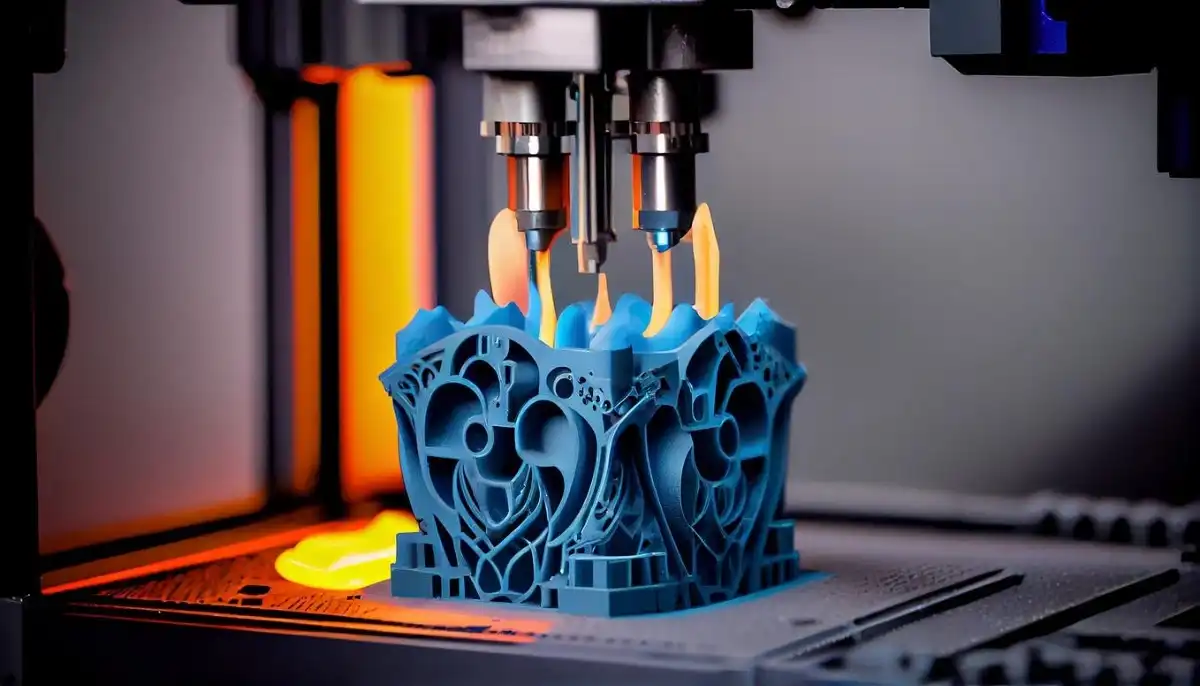
Most shows rest on a few groups that play over and over. Parts that check the fit look at how the parts that fit together line up and fit. Alignment gages check the patterns of holes and the positions of datum points. A part is held in place by fixtures while a machine loads it up for a strength test. Parts of motion models that show how parts move with each other over many rounds are housings that slide and gears. We also sell parts that are used to check for problems with speed, heat, and structure. Each group can be checked by hand or by machine, depending on how many there are. Because each group gives you a different answer about the same assembly, picking the right one first helps you stick to your test plan.
Where They Sit in the Assembly Workflow
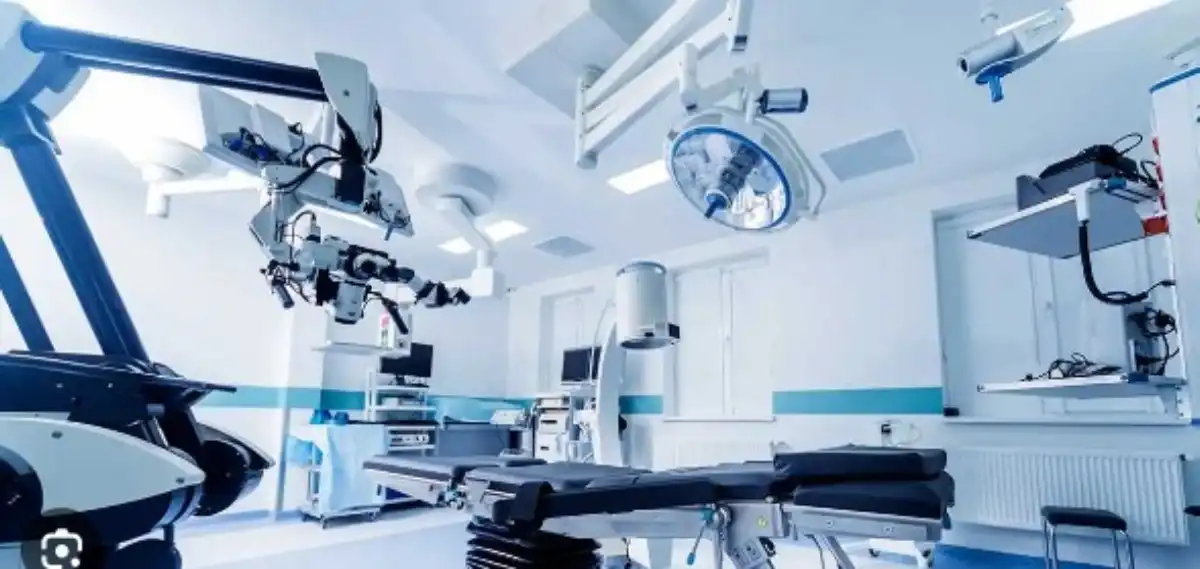
Functional testing parts show at various stages. Early on, a few units are built to make sure the plan works and fits. When the design is being tested, a small batch is made so that it can be checked for temperature, strength, and durability. Before the product goes on sale, a pre-production lot makes sure that the process and material used always give the same answer. Teams in charge of quality can also keep accepted samples to use as guides when they check out new goods. The aerospace test teams can send these parts to the environmental projects, and the medicine test teams can use them to show how effective Class II and III devices are. At each checkpoint, you can measure something and use that information to help you make the next design choice.
Key Benefits of Functional Testing Parts for Assembly Fit and Mechanical Performance
Earlier Defect Detection
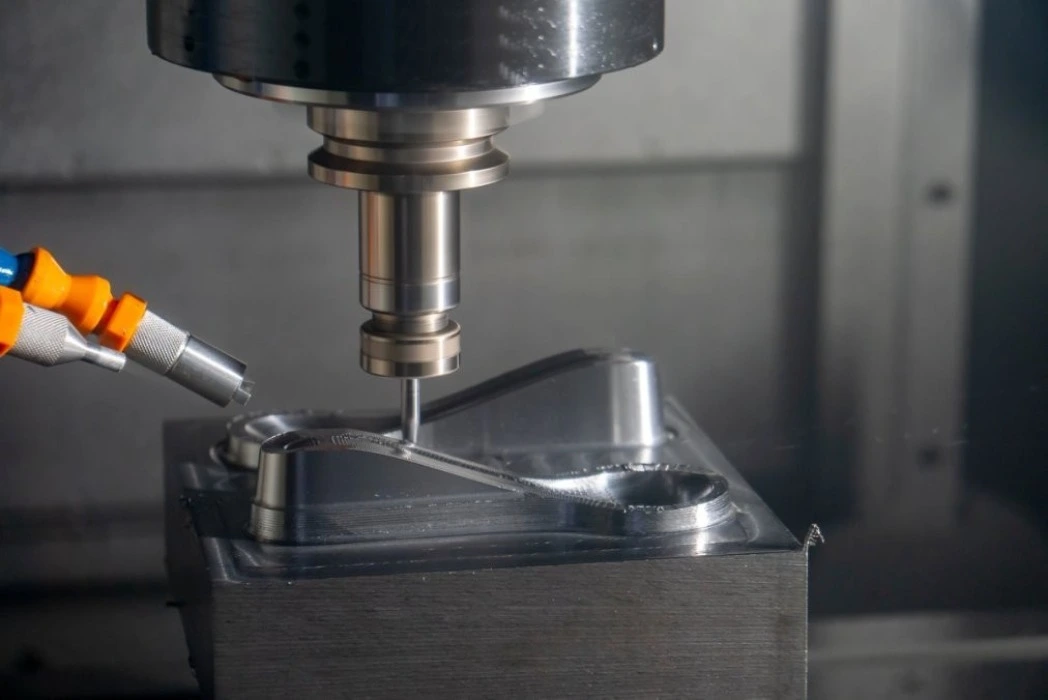
Tests done in real life find problems that computers don't see. A hole that looks fine in CAD might not be able to move after protection is added during anodizing. It wasn't thought of how much a thin rib can bend in the model. These issues are shown in real life tests, and the changes still don't cost a lot. Simulations alone can't fully predict what will happen when things are heated and cooled, stressed mechanically, and exposed to the environment, so real samples are used to fill in the blanks. It costs a lot more to fix a mistake on a few functional testing parts than on production tools that have already been cut. It also makes it less likely that refunds and returns will happen as time goes on.
Lower Rework and Tooling Risk
Sometimes the most expensive part of a product program is the tools. This means that changes made after cutting steel hurt. Before you make a promise, you can use functional testing parts to check fit, load lines, and wear. Our DFM review shows you the features that are hard to make or check before you start making test samples. You can do this extra check. That helps you make sure that your test rounds go according to a plan that you can make. Also, each team only buys the units that are called for in the test plan. This could be one or more than 10,000. The inventory will match the schedule so there is no need to guess.
Faster Development Cycles
It's important to move quickly when a test finds a problem with the design. The prototype takes between 3 and 15 working days to make, depending on how hard it is. Production of a small amount usually takes two to four weeks. A worker can change a part and hold it in place in a few days instead of weeks if they work that fast. Shorter loops help project managers keep track of review dates for gates, and they give quality managers more up-to-date data for every choice they make. The effects can be seen in the finished item since the parts are made of materials that are used to make the item. Put an end to trying over and over.
Comparison of Functional Testing Parts with Other Testing Parts and Methods
Functional Parts vs. Visual Prototypes
A sample that you can see shows the size, color, and shape. There are some things that it can't tell you, like whether a snap or a bracket will hold its weight after being put together many times. The result works for the real product because the material family, wall thickness, and tolerance targets used in the functional testing parts are the same as those used in the production design. However, a metal CNC part is what really shows how a threaded joint works when pressure is put on it. A plastic 3D model might look great on a desk. To see how it looks, choose the visual model. To see how it works, choose the useful part.
Functional Testing vs. Unit and Integration Testing
These words have meanings in both software and hardware. Unit checks just look at one part, like a single bolt or the size of a hole. Some checks look at how parts that don't belong together, like a body and a cover, fit together. The finished part is tested to see how well it does its job. It checks for heat, motion, fit, and load all at the same time. Each level finds a different kind of mistake. A part may pass a measurement unit check, but it may not work in the assembly if there are too many errors. Teams usually do all three, with functional checks coming last.
Manual vs. Automated Test Setups
You have choices when you test by hand. As soon as an expert feels that something doesn't fit right, they can change how things are set up and look closely at a wear mark. It works well with early builds and small amounts. A machine always puts the same load or motion on an automated rig and records the information. This lets the rig be used again and again quickly. Longer tests and more of them work well with them. Standards back up both of these ways. ASTM E8/E8M covers testing the tensile strength of metals, and ASTM D638 covers the tensile strength of plastics. This means that every lab gets the same data. Most programs start out being designed by hand and then move on to being automated.
Procurement Guide: How to Choose and Source Functional Testing Parts
Match Material and Process to the Test
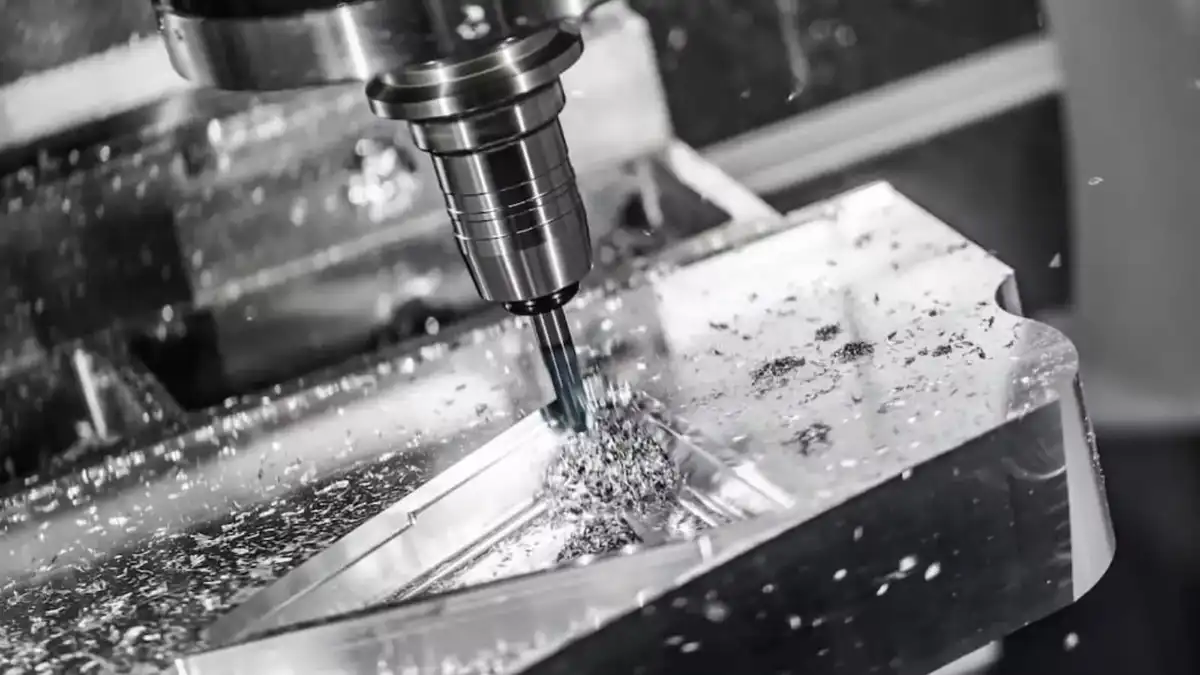
First, think about what the test needs to show. Heavy-duty metal and plastic parts that need to fit perfectly and have a smooth surface are put on it. Welds made of nickel, titanium, aluminum, and stainless steel can be used in metal 3D printing to make complex shapes. In vacuum casting, polyurethane resins are used to make rounds quickly and in small quantities that look like these plastics. Injection molding is the best way to make parts that look the most like the finished product. Tin, ABS, PC, PA, POM, tool steels, nickel alloys, and aluminum alloys are some of the things we work with. Ti-6Al-4V, for instance, is high in strength to weight and doesn't rust, which is why medical and flight teams need it.
Check Tolerances, Documentation, and Quality Systems
Before you send an RFQ, make sure of three things with any seller. Here's what we think you should check:
- Tolerance range: Find out what your most important parts can lose or gain during the process. Our precision is ±0.01 mm to ±0.1 mm, and before DFM, we check your picture to make sure the marks match what we can make and measure.
- Documentation: Request material certificates and inspection reports with each lot. We give you certificates for the materials, check the sizes, and look at the finish on the outside. In this way, your quality team can link each part during audits to a material source and a result that was measured.
- Quality system: Confirm that the certificates are useful for your job. The steps in ISO 9001 and ISO 13485 are what we do. Please list any other approvals your program needs in the RFQ, such as a military quality standard. We can talk about them openly before we place any orders this way.
People who work with suppliers often ask these questions before a purchase order is made for functional testing parts.
Plan Lead Time, Confidentiality, and Shipping
Getting a supplier approved for an airplane program can take up to 16 weeks if checks and sample tests are added in. Start early and order the samples at the same time as the review to get things done faster. Most of the time, the first look at our RFQ takes 24 hours, and samples are sent out between 3 and 15 business days after that. A lot of the time, we sign NDAs and use test equipment in ways that keep things secret. Mail is sent with DHL, UPS, or FedEx, and you can keep track of it. Safe packing keeps the precision parts safe. Things can be sent to places in the United States by air, sea, or land.
Common Challenges and How to Avoid Pitfalls in Functional Testing Parts
Environmental and Calibration Errors
Test results become different when things change. Readouts can be off because of temperature, humidity, and vibrations from something nearby. One more thing: a gage or load cell that hasn't been set up correctly will add error that you can't see. Green projects often use MIL-STD-810H, which has lab methods for temperature, shaking, and salt fog. They're used in your lab. This way, you can be sure that the sample matches the drawing before it goes into the chamber. The functional testing parts are made of known materials and have been measured. Write down what the room was like, when it was calibrated, and how the fixtures were set up for each run. This habit helps you tell the difference between a part issue and an issue with the way it was set up.
Overlooked Tolerances and Load Limits
A lot of failed tests were due to little things that no one checked. No matter how well all four parts fit together, if their mistakes add up, they might not work at all. Tolerance stack-up is the name for this. Anodizing and powder finishing make things thicker, which can close off a gap, so coatings are also important. When teams try more than a nail or a piece of plastic can hold, things go wrong. Make a load plan and look over the tolerance chain before the first run. Write down the ends and the order in which they need to be done. We help with DFM by pointing out early on features that are too tight and effects that cover them up.
Weak Documentation and Feedback Loops
Good tests set records. Make a list of the part number, material, lot, finish, fastener, and load for every thing you build. Make sure that reports are always the same so that two people can read the same result the same way. Send the results back to design right away once you have them. Putting data in a file doesn't help with the next step. Write down the changes that happen between versions so that you can figure out which version caused a change in how well something works. ISO 13485 says that controlled records must be kept for medical reliability samples, and ISO 10993-1 tells us how to test devices biologically. Having clear papers saves us time and work when we go over it.
Conclusion
Before engineers make the production tools, they test the functional testing parts to see how well they fit together and how well they work physically. They're not the same as visual models, unit checks, or integration checks because they show how the finished item works when it's hot, moving, or loaded. It's best to find bugs earlier, lower the risk of having to redo work or buy new tools, and shorten development processes. To source well, you need to plan for lead time and privacy, as well as making sure that the process and material are right for the job and that tolerances, documentation, and quality systems are clear. Most tests fail because of things like coatings, load limits, calibration drift, and bad records. It is important to keep track of the setup and write down all the important information so that each test run is useful.
FAQ
What materials can you supply for functional testing parts?
We work with metals and plastics such as tin, tool steels, nickel alloys, and industrial plastics like ABS, PC, PA, and POM. The right choice for functional testing parts will depend on the weather, load, and heat in your test plan.
How fast can I receive test parts?
Depending on how hard they are, prototype parts can take anywhere from 3 to 15 business days to ship. It usually takes two to four weeks to make a small amount. It takes us about 24 hours to finish the first review of your project after getting your RFQ.
Do you provide material certificates and protect my designs?
Yes. You can get material certificates and inspection records from us. We can also help you with NDAs and secret production. Feel free to let us know in your RFQ if your program needs a certain type of quality review. That way, we can look it over with you.
Which industries use your test parts?
People who work for us come from fields like electronics, medical devices, robots, aerospace, and cars. Checks of the powertrain and the inside are common uses. Medical samples are often sterilized and put through mechanical tests. Motion systems are also often checked to make sure they work, and aircraft gear is often put through thermal or pressure tests.
Request Functional Testing Parts for Assembly Fit from BOEN Rapid
Are you ready to use real things to test your design? BOEN Rapid is a functional testing parts manufacturer with over 15 years of experience, ISO 9001 and ISO 13485 certified processes, and prototype delivery in 3–15 working days. If you need a provider for functional testing parts for a single sample or a small batch, email contact@boenrapid.com with your test goals and sketch. Visit boenrapid.com to find out more.
References
1. ASME, Y14.5 Dimensioning and Tolerancing, 2018
2. ASTM International, E8/E8M Standard Test Methods for Tension Testing of Metallic Materials, 2022
3. ASTM International, D638 Standard Test Method for Tensile Properties of Plastics, 2022
4. U.S. Department of Defense, MIL-STD-810H Environmental Engineering Considerations and Laboratory Tests, 2019
5. ISO, ISO 13485 Medical Devices – Quality Management Systems, 2016
6. ISO, ISO 10993-1 Biological Evaluation of Medical Devices, 2018