What Materials Are Best for Injection Molding Small Parts?
When people ask about injection molding small parts, the first real choice that affects everything else, from the design of the mold to the finish on the outside to making sure that all the rules are followed, is the choice of material. The short answer is that ABS, PP, PA66, POM, and PMMA are used in most consumer goods, electronics, and medical devices. Each material has its own flow characteristics, mechanical power, and cost to process. Picking the wrong one too early will cause rework cycles that push back your launch window. It's easy to understand each choice in this guide, which helps your team agree on the specs before getting the first mold price.
Understanding Injection Molding for Small Parts
What "Small Parts" Actually Means in Production
This is the first real choice people make when they need to make small things. It will be different to make the mold, finish the outside, and follow all the rules if you make this choice. To make a long story short, ABS, PP, PA66, POM, and PMMA are used in many tech, medical, and home items. It takes time, work, and money to make different things. You'll have to take steps to move the time back if you choose the wrong one too early. You can get a mold quote before everyone on your team agrees on the specifics of each choice thanks to this guide.--- A lot of small plastic pieces weigh between 0.5g and 200g. These are used for medical device cases, the clips on beauty products, the connectors on toys, and the cases of electronics. It's possible that the number is wrong if the amount that something melts or shrinks doesn't change much. That means you need to choose the material and make the mold at the same time.
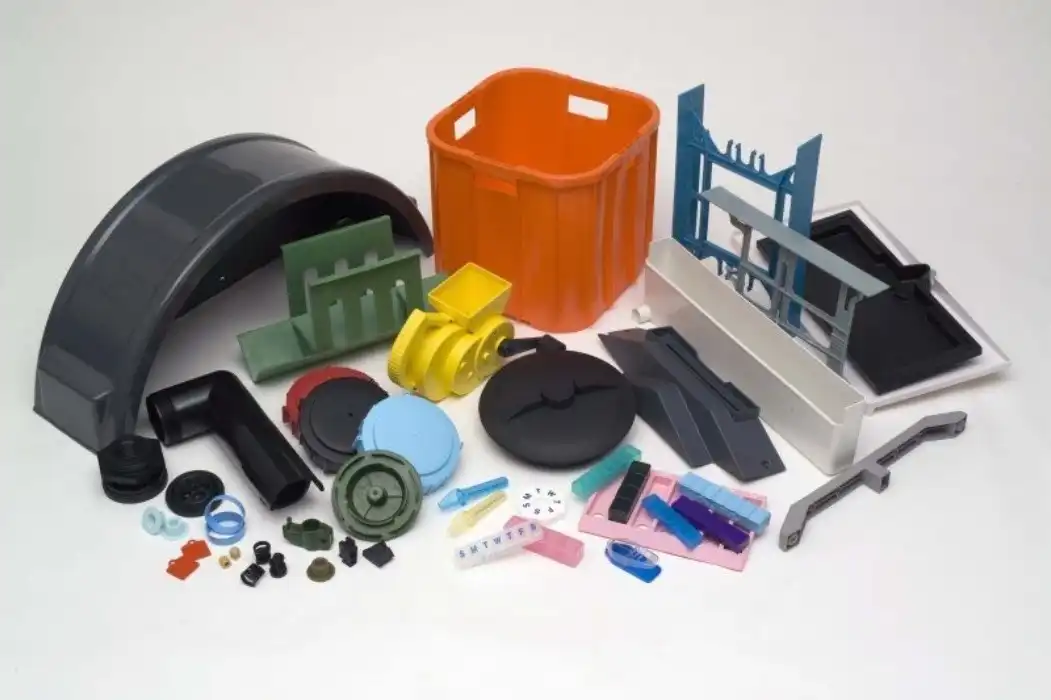
Why Material Flow Matters at Small Scale?
Bigger holes and pieces take longer to cool down and fill up. People who move things slowly leave little holes or lines in them that weaken the part. It works best for cuts or forms with thin walls when the melt flow index (MFI) is above 10 g/10 min. PP grades can go over 20 g/10 min for high-flow, but ABS grades stay between 1 and 10 g/10 min.
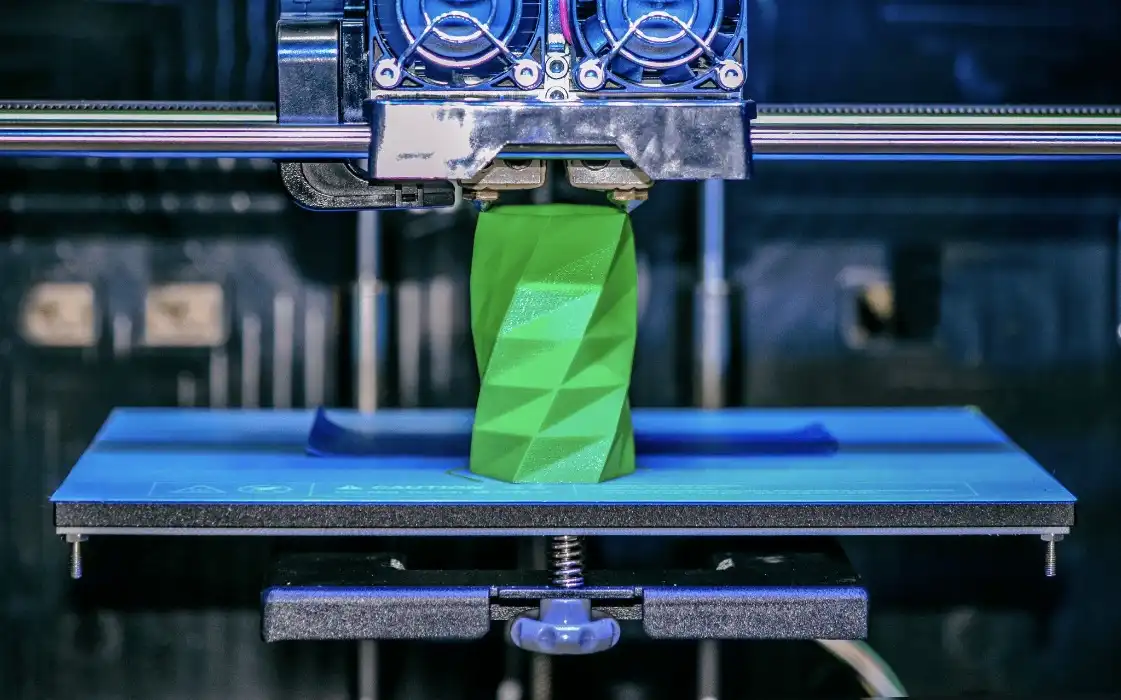
Common Defects Tied to Wrong Material Choice
Surface fuzz, water spots, and sink marks can appear on walls that aren't thick enough or made of the right stuff. In this case, POM shrinks by about 2% to 3%, which means gates need to be put in with more care. You have to give PMMA more slowly because it's clear. If you push it too hard, it will break. If you know about these trends before you make the tools, it costs less to make changes.
Key Material Categories for Injection Molding Small Parts
Commodity Thermoplastics: ABS and PP
For housings in consumer electronics and parts for toys, ABS is the material of choice for injection molding small parts. ABS has a nice surface polish, is stable in size and is easy to color. PP is widely used in food-contact packaging and medical disposable products since it is light, non-reactive with chemicals and safe for the human body. Both materials may be treated reliably on ordinary machinery and are compatible with secondary processes such as spray coating or pad printing.
Engineering Polymers: PA66 and POM
PA66 (nylon) is good at heat and mechanical stress . PA66 is a good choice for structural housings and automobile clips . POM (acetal/Delrin) is the best material for gears, fasteners and sliding systems because of low friction and exact sizing. These materials are more expensive than normal resins, but greatly reduce the odds of wear breaking moving parts.
Optical and Specialty Resins: PMMA and PC
Acrylic (PMMA) transmits more than 92% of visible light, outperforming conventional glass. It is widely utilized in lens covers, display windows and cosmetic packaging. PC (polycarbonate): Clear, and not prone to breakage on impact. It is also approved by the FDA for food-contact use. Both need to be well dried before being worked on, to eliminate surface defects.
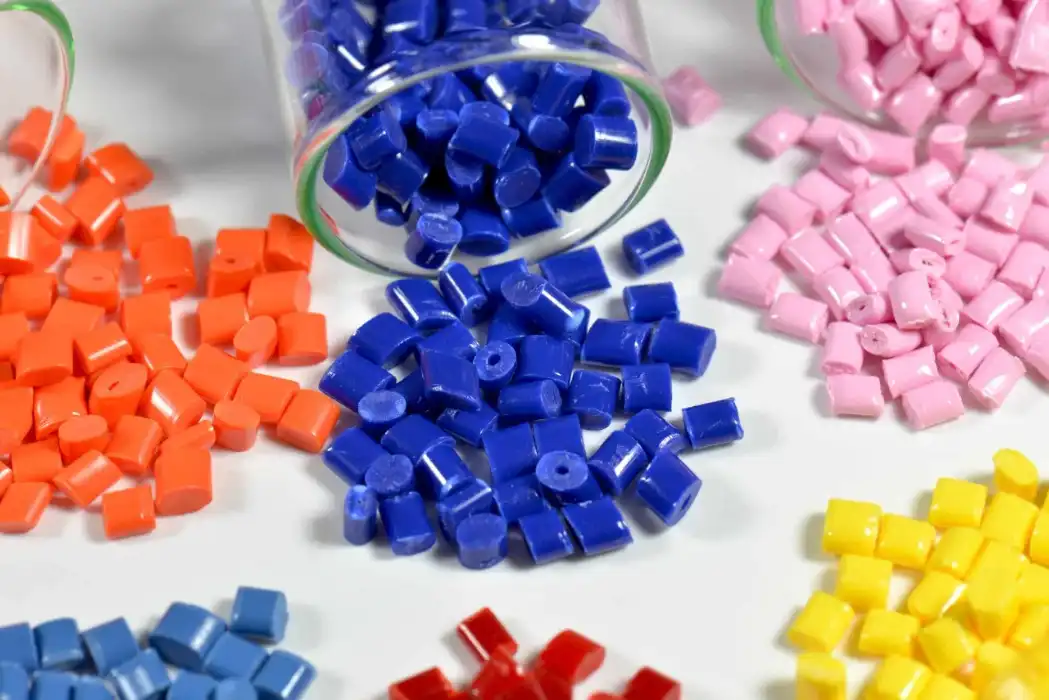
How to Choose the Right Material for Your Small Injection Molded Parts?
Start With Functional Requirements
First, describe the end-use environment. Will the part be exposed to repeated mechanical stress, UV radiation or chemicals? Normal ABS will start to soften about 80-90 °C, however PA66 can handle 120 °C for long periods. If you wish to sell your product to markets that require FDA or LFGB food-contact certification, you can immediately narrow down your choice of materials to grades of PP, PE, PC, or PMMA with such certifications.
Factor in Manufacturing Constraints
Some high performance materials require higher barrel temperatures, unique screws or equipment to pre-dry, which increases the time to create the product. For example, POM releases formaldehyde when it gets too hot therefore it is necessary to keep an eye on the temperature. For modest test runs of 1,000 to 5,000 pieces, using simple materials such as ABS or PP will keep cycle times short and the cost of aluminum tools reasonable.
Verify Compliance Documentation Early
EU and US B2B buyers often seek verification that a supplier complies with REACH, RoHS or FDA laws before accepting them. When you acquire your quotations for injection molding small parts, obtain material certificates from approved resin suppliers, not after the first samples are produced. This will save you the expense of having to buy holds. Material certificates and inspection records are provided with every product shipped from BOEN Rapid.
Design Tips and Best Practices for Material Selection in Small Parts Injection Molding
Match Wall Thickness to Material Shrinkage
Each material shrinks differently, thus there are many techniques to measure its walls and ribs. ABS was down 0.4% to 0.8%, PP was down 1.5% to 2.5% and POM was down 2% to 3%. Sink marks can occur on very thick walls for a high shrink material. That is why a DFM analysis is done before the mold is cut. It spots these problems before they grow too expensive to address.
Some of the most essential design considerations which determine the choice of the material are:
- Wall uniformity: Consistent wall thickness across the part prevents differential cooling and warping. Most small parts target 1.5–3mm depending on material.
- Gate location: Place gates at thicker sections to allow material to flow toward thinner areas, reducing short shots and weld-line visibility.
- Draft angles: A minimum 1° draft per side helps parts release cleanly. Harder materials like POM and PA66 may need 1.5–2° to avoid drag marks.
These things aggravate each other. What if you modify one, before the others have been changed? The problem might shift somewhere else. If you can get on top of DFM early you can break out of that loop.
Prototype Before Committing to Production Tooling
A metal prototype mold can create 1,000 to 5,000 test pieces before a new product is released. This way, you can observe how the material reacts to the contour of the cast. This reduces the cost of the manufacture of the items at first. All that needs to be done is to make sure the color is even, the sizes are proper and the surface is smooth before a steel production mold is formed. “Many metal tools can be used 5,000 times.
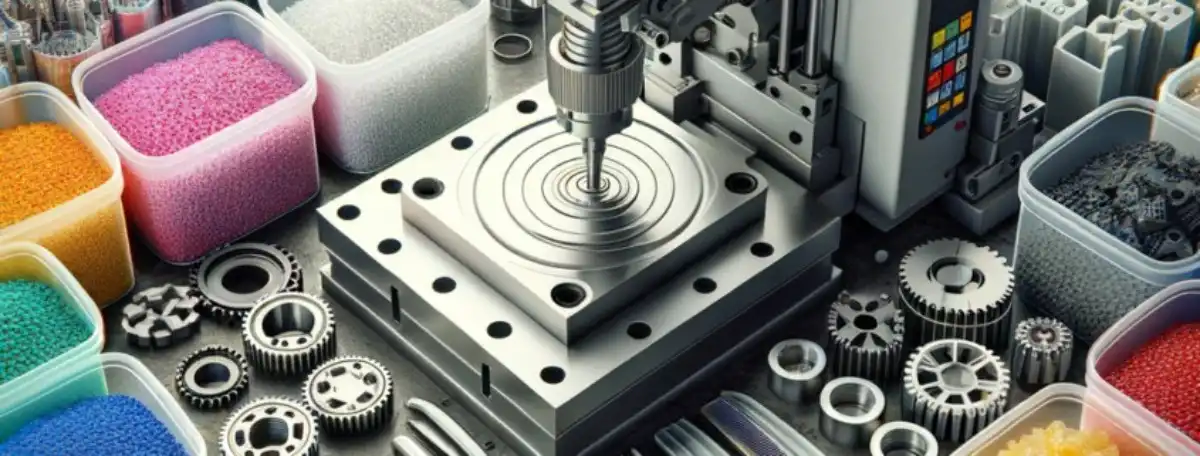
Advantages and Limitations of Popular Materials for Small Injection Molded Parts
Material choice is always a compromise. The following shows the performance profile of the 5 most widely used resins for small plastic parts:
Appreciating these tradeoffs allows procurement managers to avoid over-specifying goods that add expense without adding value, or under-specifying materials that fail in service.
- ABS produces smooth, paintable surfaces and accepts secondary finishing well. It is not suitable for outdoor UV exposure without stabilizer additives or protective coating.
- PP is lightweight and chemically resistant but has lower stiffness than ABS. It works well for snap-fit closures and living hinge designs due to its fatigue resistance.
- PA66 handles heat and mechanical load effectively but absorbs moisture, which causes dimensional variation in humid environments. Parts should be conditioned before final measurement.
- POM is dimensionally stable and low-friction but sensitive to acids and cannot be bonded with most standard adhesives — assembly design needs to account for this.
- PMMA delivers optical clarity and a premium surface feel but is brittle under impact. Use it for covers and lenses where aesthetics matter more than structural strength.
These properties are closely related to the application where each material can be used. By matching the material to the use case instead than going with the cheapest choice, failure rates and warranty returns after launch are reduced.
Conclusion
Material selection for injection molding small parts is not a one-time decision; it impacts every step from design to compliance to surface finishing. Applications in consumer products are dominated by ABS and PP. PA66 and POM cover structural and mechanical requirements. PMMA and PC satisfy optical clarity and food-contact standards. The best option is dependent on your end-use environment, regulatory market, and manufacturing volume. That's time, expense and danger saved by getting it perfect before the mold is fabricated.
FAQ
What is the most frequent material for small injection molded parts?
ABS is the most commonly requested material for small plastic parts used in consumer electronics, toys and domestic products. It is well balanced in processability, surface finish and colorability. PP is the second most widely used plastic, especially for items needing chemical resistance or food-contact approval.
Can I modify the material once the mold is built?
Sometimes, but it is risky. For example, switching from ABS to PP will modify the shrinkage rates and may require a change in the size of the gate or cavity. Ensure the material selection before starting the mold fabrication to prevent rework expense.
How can we keep the color consistent from batch to batch?
Color constancy depends on the same masterbatch provider and ratio from run to run. BOEN Rapid records masterbatch specs per order ensuring recurring batches are consistent with initial samples under acceptable Delta-E tolerances.
What certifications should I look for food contact or medical parts?
Ask the resin supplier for FDA (US market) or LFGB (EU market) compliance papers, and a REACH/RoHS statement. BOEN Rapid offers complete material certification packages with production shipping.
What is the minimum order quantity for small part injection molding?
BOEN Rapid enables production runs in quantities of 100 pieces, with prototype tooling to validate early on before scaling to 1,000-50,000+ pieces.
Start Your Small Parts Project With BOEN Rapid
BOEN Rapid is a dependable company that has been making injection molding small parts for more than 15 years. They follow the rules set by ISO 9001 and ISO 13485, and they can use engineering-grade materials like POM, ABS, PP, and PA66. For both small runs and large runs of more than 50,000 pieces, our team can do DFM analysis, make tools out of steel and metal, and make sure all the paperwork is in order. Send your CAD files to contact@boenrapid.com or visit boenrapid.com to get a price in 24 hours.
References
1. Rosato, D.V. & Rosato, M.G. Injection Molding Handbook (3rd ed.). Springer, 2000.
2. Harper, C.A. Handbook of Plastics Technologies. McGraw-Hill, 2006.
3. Brydson, J.A. Plastics Materials (7th ed.). Butterworth-Heinemann, 1999.
4. Malloy, R.A. Plastic Part Design for Injection Molding. Hanser, 2010.
5. Ossipov, A. "Material Selection in Micro-Injection Molding." Journal of Manufacturing Processes, 2018.
6. ASM International. Engineered Materials Handbook, Volume 2: Engineering Plastics. ASM International, 1988.