How Custom Metal Brackets Reduce Maintenance Costs For Industrial Equipment
Custom metal brackets parts reduce maintenance costs by fixing the problems that make standard brackets fail early: the wrong material, poor load distribution, and a loose fit. When we build a bracket from your drawing and 3D CAD model, we match the alloy, thickness, weld, and finish to the equipment's real load and environment. That means fewer cracked mounts, less corrosion, and fewer unplanned stops for repairs. In this article, I explain where bracket-related maintenance costs come from, how precision-made mounting components lower them, and what to check before you place an order.
Understanding Custom Metal Brackets Parts and Their Role in Industrial Equipment
It's helpful to talk about what these parts are and why it's important that they are built well before we talk about prices.
What Custom Metal Brackets Parts Are
Custom metal brackets parts are structural and fixing parts that are made exactly the way you want them, including the right size and function. They are not the same as off-the-shelf brackets because they are made of certain materials and have certain hole places, bend angles, and surface treatments. BOEN Rapid makes them from drawings and 3D CAD models for robots, tools, cars, and other plant machinery that customers give them. A lot of the time, they're used to hold up electrical enclosures, hold sensors in place, and anchor robotic arms. It doesn't force the equipment to change because each bracket is made to fit your load, climate, and fitting conditions. Most bracket problems begin with a part that wasn't meant to do the job. Making sure that the bracket fits right is the first step toward less maintenance.
Materials That Match the Operating Environment
The type of material a bracket is made of determines how long it will last. We make frames out of aluminum 6061 and 7075, stainless steel 304 and 316, carbon steel Q235 and A36, and brass C360 and C260. A lot of the time, aluminum doesn't rust and keeps moving parts light. Steel 316 is good for places that get dirty or wet, like near the ocean. The frames of big machinery can be made out of A36 carbon steel, which is strong when pulled apart and easy to weld. Brass is a good metal for making parts for electronics and instruments. If you choose the right grade for the temperature, moisture, and load, you can escape one of the main reasons why things need to be changed too soon.
Manufacturing Processes Behind Consistent Fit
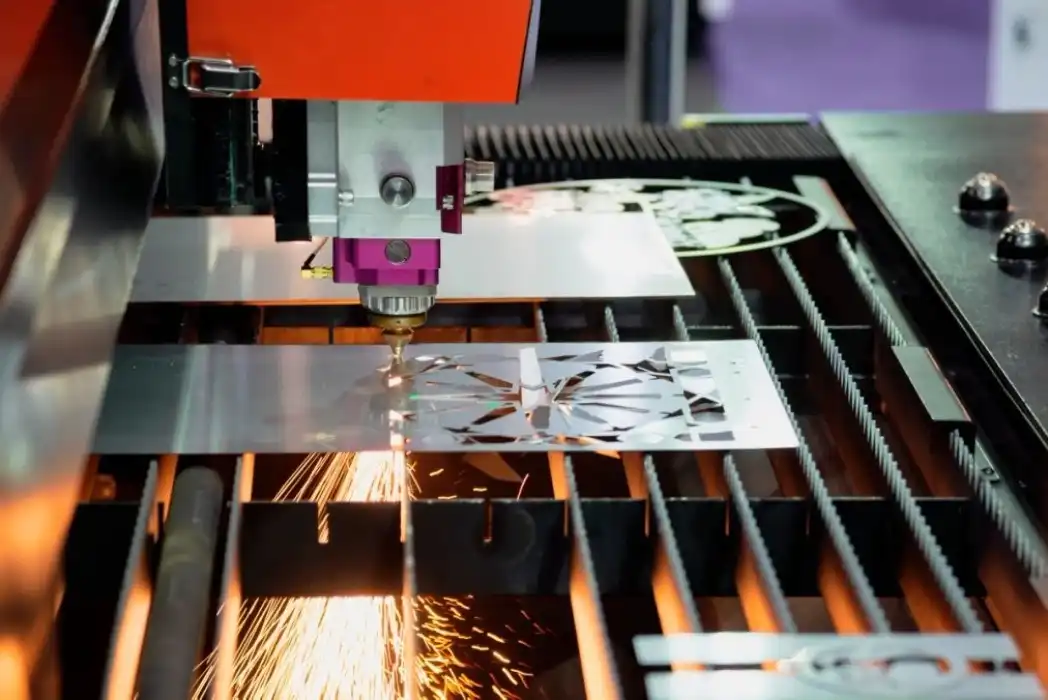
It's only useful if a bracket always works. Laser cutting, CNC bending, TIG and MIG welding, spot welding, powder painting or anodizing are some of the things we can do to finish work. There is an error of ±0.05 mm to ±0.1 mm in the machine, and the metal sheets are 0.5 mm to 10 mm thick. It can be bent up to 135°, and the spring back can be changed. We measure the sizes with a coordinate measuring machine (CMM) and then look at your technical drawing to see how the parts match up. Techs can switch mounts without having to file holes or force them to line up because the geometry is the same across a batch. This saves time and effort on every service call.
Common Challenges in Industrial Equipment Maintenance Related to Brackets
The support team has to do more work because of all the different things that can go wrong with brackets.
Corrosion and Premature Wear
Corrosion is one of the most expensive maintenance issues in the business world. NACE International's IMPACT study found that rust takes about 3.4% of the world's GDP. Most of the time, brackets rust first because they are near water, coolant, cleaning chemicals, and different metals. Rust makes a base less strong, loosens nuts, and can damage nearby parts. You may have to do the same job over and over for a small part because the finish chips at the sharp edge or because carbon steel was used instead of stainless steel. For every repair, a worker has to take time away from other work that was supposed to be done.
Vibration and Mechanical Fatigue
Machines move, and every bend, weld, and bolt hole in braces can feel it. Most cracks from wear and tear start in places with a lot of stress, like inside corners that are too sharp, holes that aren't in the right place, or weld toes. This means that cyclic pressure can break a bracket much less than its static strength. This is why a mount might work the first time you put it up but not again after a few months. The equipment on vehicles, robotic arms, and conveyors has to deal with shocks, starts, and stops all the time. This is possible because these loads tend to break thin frames and plastic parts. Every time something goes wrong, there may be downtime, a service call, and a look at the parts that the bracket supported.
Generic Designs and Installation Errors
Most braces have holes that are all the same size and shape. A lot of the time, installers have to drill, shim, or bend them on-site to make them work. These things hurt the part and make it look out of place. If a bracket isn't level, it puts different amounts of stress on the bolts and the part that is attached to it. The panels, sensors, and bearings wear out more quickly because of this. When making generic designs, they don't look at things like service entry clearance, heat expansion, or local stress spots. Maintenance teams then have to spend time re-tightening, realigning, or replacing custom metal brackets parts that don't fit the machine again. These unnoticed work hours don't show up very often in the purchase record, but they add up along a production line.
How Custom Metal Brackets Effectively Reduce Maintenance Costs?
All of these problems can be solved directly by custom design, and the cost saves come from three places.
Longer Service Life Through Material and Finish Selection
When we pick a grade and finish that are good for the environment, the bracket lasts longer before it needs to be replaced. To finish your order, we can anodize (Type II and Type III), paint with powder in RAL colors, electroplate, brush, and grind. Powder coating carbon steel on heavy-duty machine bolts is a good idea, and anodized aluminum is good for light automation frames. For important uses, we can have a third party use ASTM or ISO methods to test for tensile strength, hardness, and resistance to salt spray rust. In order to measure how well different coatings work, ASTM B117 is the usual way to use salt spray. It costs less for parts, work, and the time lost during each swap when they are done more often.
Load Paths That Reduce Stress Concentrations
Our experts do a design for manufacturability (DFM) study before production starts. This study looks at things like where the holes are placed, the thickness of the walls, the bend angles, and how easy it is to join. More bend radii, gussets at corners that take a lot of weight, and holes that aren't in the bend lines all lower stress in the area. Moving a weld away from the place that gets the most wear can also make it last longer. If you already have the plan, these changes are simple, but they stop cracks that would have shown up after thousands of loads. Because we use your 3D CAD model, we can make changes that are true to your design and also make the part stronger and easier to make.
Fewer Installation Errors and Less Rework
When you use precision manufacturing, changes are made less often on-site. Milled features can be off by ±0.05 mm to ±0.1 mm, which means that holes will line up with parts that fit together perfectly the first time. It stays as strong as it was before because techs don't have to add shims or make the holes bigger. It's also important to have repeatable groups for upkeep. We keep track of things by giving each batch a unique code. This way, a new bracket ordered a year later can fit the old one. There are mill test reports and inspection reports in every package so that your team can check the part's material and size before putting it on the machine. It takes less time for service windows to close when there is less rewriting.
Choosing the Right Custom Metal Brackets for Industrial Equipment
The saves from the last part stay the same if you choose wisely.
Define Load, Environment, and Compatibility
Get three questions ready to go. What kinds of weight, shock, vibration, and static force can the bracket handle? What does the environment look like in terms of chemicals, water droplets, temperature changes, and humidity? What kinds of things can hit the bracket? When you mix two different metals, galvanic rusting can happen. This is why the grade and finish you pick depend on the materials you touch. One more thing that should be on the list is service access. Every fix takes longer when a bracket gets in the way of a bolt. These information should be sent to your provider along with the drawing and 3D CAD model. They can offer a material and process based on how your business really works, not just a guess, if you give them clear information.
Custom Metal Versus Standard or Plastic Brackets
Plain braces can be used for easy, risk-free jobs. Plastic clamps are lighter and don't rust, but metal clamps are stronger. Metal is also better at withstanding pressure, changing temperatures, and mechanical stress. Custom metal brackets parts provide the right size, hole shape, and finish, eliminating the need for on-site adjustments. When you look at the unit bill, you should also think about how much it costs to replace parts, do work for each repair call, and have the machine down for a while. If a mount is used to protect a servo motor, sensor array, or control panel, a part that lasts longer and needs less maintenance will usually cost less overall.
What to Expect From a Qualified Supplier?
This is what suppliers can do to make maintenance costs go down the most.
- Engineering review before production: Before we make a bracket, we do a DFM analysis to check the wall thickness, bend radius, hole placement, and ease of welding. Most of the time, the first review of your project happens in 24 hours after you send us your drawings or 3D models. Then you get a quote with ideas for materials, information about the process, and dates for delivery.
- Documented quality control: ISO 9001 says this is how we should make things. With a CMM, we can see the sizes, check the surface finish, and make sure the parts are a good match for your picture. Each shipment comes with an inspection report, a material certificate, and camera records. Also, every batch has its own code that lets you keep track of the goods from the raw materials to the finished packing.
- Flexible volumes and clear lead times: It takes 3 to 15 business days to get a sample and 3 to 7 days for simple shapes. To test a design, make a sample batch, and get new brackets, you can use low-volume production. This way, you don't have to switch suppliers. The control of the process stays the same whether the batch size is 10 or more than 10,000 pieces.
Your team can use these features to find any part later. They also cut down on the time it takes to go from a picture to a bracket that works.
Design Tips to Lower Maintenance Costs Over Time
Just having good specs isn't enough. As long as the design is right, the saves will last.
Distribute Stress and Protect the Surface
Good brackets spread the weight over a larger area. Add gussets or ribs to the bracket where it turns a corner, and make sure the holes are far from the sides and bends. Choose the right type of weld for the job. TIG gives you clean, controlled welds when you use it on thin sheets of aluminum and stainless steel. It is better to use MIG to join bigger sheets of carbon steel, and spot welding can be used to join sheets that meet. After that, make sure the exposure is right for the finish. One way to protect steel is to powder coat it, and another way is to anodize it to harden the surface. Watch out for the places where you cut and weld because that's where finishes often fail first.
Build Brackets Into Your Maintenance Plan
Brackets should be used as parts that need to be checked, not as fixed connections. Check for damage to the covering, loose bolts, cracks near the welds, and signs of fretting where the metal touches. In the beginning, use the material certificates and inspection reports from the supplier as a guide. Next, write down the batch code for each bracket. This way, if there is a problem that keeps happening, it can be traced back to a certain batch of materials or a mistake in the design. Keep a small set of extra brackets from the same batch for tools that are very important. There is usually less damage to output when an old mount is replaced during a planned break than when a problem is fixed in the middle of the shift.
Design Modular Brackets for Future Changes
When things get old, they get new sensors, bigger motors, and different ways to run the cables. They have a base plate with common hole shapes and bolt-on adapters that connect to it. In other words, you only need to change one adapter instead of the whole system. Hole slots that can be used for changes and set-locating parts that need to stay in place for alignment keep both freedom and accuracy. When an adapter's shape changes, you can buy a few at a time because we allow for small-scale production. This way, the main structure can still be used, and only a few parts need to be changed when the structure is upgraded.
Conclusion
Custom metal brackets parts solve all of these issues by using the appropriate material and finish for the job, having geometry that is checked by DFM to spread out load and lower stress levels, and having tight tolerances that prevent the installation from needing to be repeated. You need to know the load, the environment, and the contact materials before you can choose a bracket. Then, you need to look at more than just the unit price when comparing options. You need to look at how much they will cost over their whole life. With the help of reports on inspections, material certificates, and batch tracking from suppliers, maintenance teams can plan checks and figure out what went wrong. Because of things like large bend radiuses, edge safety, and modular connections, the service life is longer. All of these things show that a clear bracket lowers the costs of work, repairs, and downtime over the life of a piece of industrial machinery.
FAQ
How do custom metal brackets parts differ from standard brackets in maintenance needs?
Custom metal brackets parts don't need as many changes to be made on-site because they are made to fit your load, the area, and the hole design. What you use and how you finish it can slow down corrosion. A lot of the time, standard mounts need to be drilled or shimmed, which can weaken them and make them not line up right.
What are typical lead times and order quantities?
When you get your drawings or 3D models, the first review of your project is usually done in 24 hours. Parts that are made in more than one step can take up to 15 days to make. It takes 3 to 7 working days to make a simple sample. Low-volume production can make up to 10,000 units or more. When we give you a quote, we can talk about your order number.
Which industries and conditions suit custom brackets?
They are used in the robots, cars, machines, and business tools that we make. It is possible for 316 stainless steel to work in marine and wet environments. Aluminum is good for light automation, and carbon steel is good for heavy frames. We'll help you choose a material and finish based on how you want to use it.
Request Custom Metal Brackets Parts From BOEN Rapid
Our engineers will look over your plans or 3D CAD files within 24 hours if you send them to contact@boenrapid.com. We are a custom metal brackets parts company that has been making high-quality products using ISO 9001-certified methods for over 15 years. Bolts made of aluminum, stainless steel, carbon steel, and brass can be CNC machined or made from sheet metal. You can find out more or get a price or trial right now at boenrapid.com.
References
1. NACE International, International Measures of Prevention, Application, and Economics of Corrosion Technologies (IMPACT) Study, 2016
2. Shigley's Mechanical Engineering Design, McGraw-Hill Education, 2020
3. ASTM B117, Standard Practice for Operating Salt Spray (Fog) Apparatus, 2019
4. ISO 9001, Quality Management Systems – Requirements, 2015
5. Machinery's Handbook, Industrial Press, 2020
6. Product Design for Manufacture and Assembly, CRC Press, 2010