Rapid CNC Prototyping Parts: How They Improve Speed, Precision, and Cost Efficiency
Rapid CNC prototyping parts have transformed modern manufacturing by combining computer-controlled precision with flexible material processing capabilities. These parts enable engineering teams to convert CAD designs into functional prototypes quickly, often within days rather than weeks. By utilizing multi-axis CNC mills, lathes, and advanced tooling systems, manufacturers can produce components from metals, engineering plastics, and composite materials with exceptional dimensional accuracy. This manufacturing approach addresses critical challenges in product development cycles, particularly for industries requiring both speed and reliability. With no minimum order quantities and the ability to produce everything from single prototypes to low-volume production runs, rapid CNC prototyping delivers tangible advantages across automotive, medical device, robotics, aerospace, and industrial automation sectors.
Understanding Rapid CNC Prototyping Parts
In order for Rapid CNC Prototyping Parts to work, digital engineering ideas must be able to be faithfully translated into physical reality. CNC prototyping uses computer numerical control systems to guide cutting tools with micron-level accuracy, while traditional prototype methods depend on people doing a lot of work by hand. This technology can be used for many different types of manufacturing tasks, such as milling, turning, drilling, and finishing the surface.
What Makes CNC Prototyping Different
In traditional prototype manufacturing, it takes a long time to set up and make many changes by hand. These problems are solved by CNC technology, which reads CAD models directly and automatically runs toolpaths. The end result is uniform quality across many versions and less human mistake. Before spending a lot of money on expensive production tools, engineering teams can quickly try different versions of a plan and find any problems.
Material Selection and Performance
The choice of material has a big effect on how well and how cheaply the prototype works. Aluminum alloys like 6061 and 7075 are famous in aircraft and automotive because they are easy to machine and have a high strength-to-weight ratio. Grades of stainless steel like 304 and 316 are great for medical products because they don't rust. Engineering plastics, like PEEK, Delrin, and nylon, keep their shape while cutting down on weight. Each material has its own cutting properties that affect cycle times and the choice of tool. Expert manufacturers give engineering feedback during the selection of materials, which helps teams balance the need for performance with the limitations of the budget.
The Role of Multi-Axis Machining
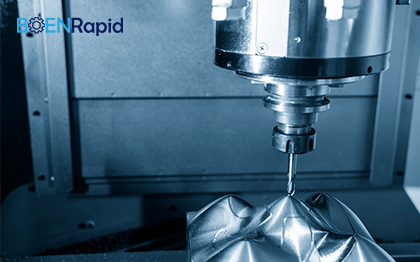
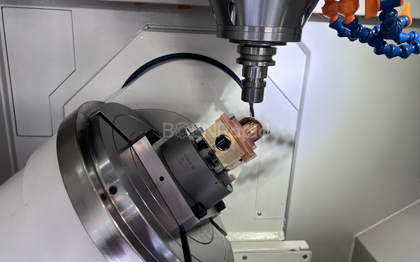
Cutting-edge CNC machines with 4 and 5 axes greatly increase the shapes that can be made. Single setups make it possible to make complex features like undercuts, angled surfaces, and detailed holes. This cuts down on handling time and improves the accuracy of the dimensions. This skill comes in very handy when making parts for robots and industrial automation, which need to have tight tolerances and complicated shapes all the time.
Key Benefits of Rapid CNC Prototyping Parts for B2B Clients
Manufacturing leaders are always under pressure to cut down on development times while keeping quality standards high. These different needs can be met by Rapid CNC Prototyping Parts, which have a number of benefits that work together to improve project outcomes and make businesses more competitive.
Accelerated Product Development Cycles
Across all businesses, time-to-market is a key competitive force. CNC testing shortens the time it takes to develop new products by making working parts in 3 to 15 working days, based on how complicated they are. This quick turn-around makes it possible for engineering teams to try multiple versions of a design in a shorter amount of time than with traditional methods. Automakers use this speed edge during the validation phases, when they test how well parts fit together and how well they work before finalizing production specs. In the same way, medical device makers gain because they can speed up regulatory testing timelines by getting prototype hardware quickly.
Better accuracy and quality control
The difference between successful prototypes and costly failures is the accuracy of the dimensions. With CNC machining, tolerances can be as low as ±0.005 mm, which makes sure that sample parts are a good representation of what the end product will look like. This level of accuracy lowers the chance of finding problems with dimensions later in the development process, when fixing them costs a lot more. Dimensional checking, surface finish analysis, and material testing are all quality control steps that are built into the machining process. Processes that are approved by ISO 9001 and ISO 13485 can be tracked back to their source and meet the regulations for medical and aircraft uses. These quality systems give procurement teams confidence that prototype parts will work well during validation and testing.
Cost-effectiveness without giving up anything
Every engineering project has to deal with budget issues, which is why cost-effective prototyping is so important. There are several ways that CNC testing is good for business. Teams can buy exactly what they need because there are no minimum order quantities. This means that big batch commitments are not a financial problem. By getting goods to market faster, short production cycles lower holding costs and speed up cash flow. CNC prototyping is a cost-effective way to make small batches of 1 to 500 pieces because it doesn't require expensive tooling investments like injection molding does. When machining high-value metals and engineering plastics, there is still very little material waste compared to some additive processes. These efficiencies save a lot of money over the whole product development lifecycle while keeping the quality standards that are needed for a successful launch on the market.
CNC prototyping is more than just a technical skill because it has all of these benefits that make it a smart manufacturing option. Purchasing teams know that working with CNC suppliers with a lot of knowledge can lower program risks, make the best use of resources, and improve the overall results of a project.
Rapid CNC Prototyping Parts vs. Alternative Manufacturing Methods
Knowing how other manufacturing technologies stack up against each other helps engineering and buying teams choose the best suppliers. Depending on the needs, timelines, and performance standards of the project, each development method has its own benefits for Rapid CNC Prototyping Parts.
Comparison with Traditional Machining
Because of the need for hand setup and sequential processes, conventional machining shops have longer wait times. Through automated programming and better toolpath generation, rapid CNC prototyping speeds up these processes. In traditional shops, it might take two to four weeks to make simple parts, but fast CNC centers can make the same parts in days. Another important difference is flexibility. Rapid prototyping operations can easily adapt to changes in the design, while standard shops often have trouble with mid-project changes because their production plans are so rigid.
The Differences Between CNC Prototyping and 3D Printing
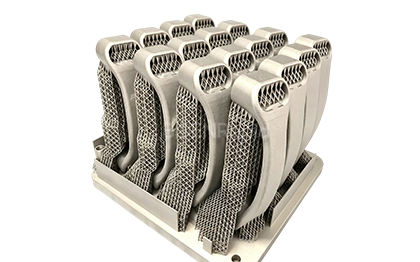
In talks about fast prototyping, additive manufacturing technologies like FDM, SLA, and SLS have become more important. Each method meets different needs. 3D printing is great at making very complicated shapes with holes inside them and organic shapes that are hard or impossible to machine. But CNC machining gives you better mechanical properties, surface finishes, and accuracy in measurements. Parts made with subtractive CNC methods are made from production-grade materials instead of special printing resins or powders. This makes sure that testing on prototypes matches how the parts will work in real life. Surface finishes made with CNC machines usually don't need much post-processing, but 3D-printed parts often need a lot of work to get the same quality. CNC is the best choice when samples need to be tested in real-world settings to make sure they work properly. This is because machined parts are usually stronger and more stable at high temperatures than printed ones.
When it makes sense to use injection molding
For good reason, injection molding is the most common way to make a lot of plastic parts: when you make more than a few thousand, the cost per piece drops by a huge amount. Tooling expenses, on the other hand, that range from tens to hundreds of thousands of dollars, make the creation stages very expensive. Lead times for making tools add weeks or months to the plan for a job. CNC development fills in this gap ideally, making it possible to get prototypes and low-volume parts at a price that makes sense while the design is being improved. In a lot of development programs, CNC modeling is used for the first round of testing, and injection molding isn't used until the design is set and the volume is confirmed.
Thoughts on Rapid Tooling
Through aluminum tooling or additive tool manufacturing, rapid tooling technologies try to cut down on the costs and lead times of injection molds. Even though these methods are in the middle, you still have to buy tools for them, and they can't match the design freedom of CNC development. When made parts need to be changed, the tools need to be changed, which takes time and costs money. CNC prototyping allows for design changes without spending more money, which makes it perfect for development programs where design improvement is always happening.
How to Choose the Right Rapid CNC Prototyping Parts Supplier
Choosing the right supplier has a big effect on the success of a project involving rapid CNC prototyping parts. When two or more manufacturers work together on quality systems, aligning their capabilities, and communicating clearly, the results are better than when they only compete on price.
Checking out systems for quality management
ISO licenses are a reliable way to show that a process is mature and that a company is committed to quality. Setting up a provider approval system, process control, and corrective action systems are all part of ISO 9001 certification, which shows that you follow well-known quality management practices. The ISO 13485 approval is only for companies that make medical devices. It has extra rules for managing risks, keeping track of them, and making sure the designs are correct. In addition to certifications, you should check to see if sources inspect arriving materials, check quality during production, and confirm final dimensions. Ask for sample inspection reports to check how thorough the documentation is and how well the measurements can be made.
Checking for Technical Skills
The amount of manufacturing that can be done must match the needs of the job. Check the machine types, axis setups, spinning speeds, and work area sizes to see what it can do. Bigger parts can fit in machines with more space, and high-speed wheels make smaller, more precise parts more productive. Experience processing materials is important, and suppliers should be able to show that they know how to work with the metals and plastics your applications need. Surface finishing options like bead blasting, anodizing, powder coating, and custom treatments make design choices bigger and get rid of the need to coordinate with a second provider.
Help with engineering and being responsive
The quality of technical communication has a big effect on how well a project works. Leading sellers offer Design for Manufacturability analyses, which find possible production problems during the quote phase instead of after an order has been made. This proactive engineering feedback helps make designs better in terms of quality, cost, and ease of production. Check how responsive the supplier is during the initial RFQ interactions. Serious engagement is shown by quick response times for quotes and detailed technical questions. When you and your provider talk clearly about wait times, material availability, and possible design issues, you can trust them more.
Logistics around the world and support after the sale
For international purchases to go smoothly, logistics must be well coordinated. When suppliers work with well-known companies like DHL, FedEx, and UPS, they can track shipments, help with customs paperwork, and promise delivery. Protecting precision parts during shipping with secure packaging keeps them from getting damaged, which can delay projects. After-sales support, such as checking the dimensions, certifying the materials, and fixing problems, shows that the company cares about its customers' happiness after the sale. Suppliers who offer NDA security and private manufacturing know how sensitive intellectual property issues can be in product development settings.
BOEN Rapid is a good example of this kind of supplier because it has ISO-certified processes, a wide range of manufacturing options, including CNC machining and 3D printing, and has worked with engineering teams around the world for more than 15 years. Our engineering support includes DFMA analysis and tolerance review, which help customers make ideas better before they are made.
Practical Applications of Rapid CNC Prototyping Parts in Industry
Real-life examples show how Rapid CNC Prototyping Parts can be used to solve problems in a wide range of industries. When engineering teams understand these use cases, they can find ways to use fast prototyping in their own development projects.
Uses in the automotive industry
The auto industry needs new ideas quickly while still upholding strict safety and performance standards. CNC prototyping can be used in many stages of development, such as confirming the idea, getting ready for crash tests, and making sure everything is okay before production. Common uses for prototypes are making custom brackets, mounting fixtures, and housings for sensors. Machined metal samples that are an exact copy of production materials are helpful for engine parts that need to be resistant to heat and keep their shape. Interior trim pieces and control interfaces use precision-machined plastics to test fit, finish, and comfort for interior trim pieces and control interfaces before injection mold production is committed to. Early design approval lowers risk and saves a lot of money by finding integration problems before investing in mass production tools.
Development of Medical Devices
Medical gadgets have to follow strict rules and should not have any problems. Biocompatibility, cleaning compatibility, and precise measurement control must all be shown for prototype parts. During the development and clinical trial phases, CNC prototyping is often used for surgical instruments, implantable parts, and diagnostic equipment housings. Stainless steel and titanium materials are biocompatible and don't rust, which are two qualities that internal devices need. Engineering plastics, such as PEEK, are radiolucent so they can be used in imaging while still being strong. Manufacturing methods that are ISO 13485 certified make sure that paperwork and traceability meet the needs of governmental agencies. With rapid development, device makers can make designs better based on feedback from patients without having to wait a long time for production to start.
Parts of robotics and automation
In robotics, you need precise parts that stay within tight limits even when they're being loaded and unloaded quickly. CNC prototyping can make complicated shapes with precise bore alignments and threaded features, which is useful for making custom gearbox housings, mounting frames, and actuator parts. Components made of lightweight metal lower the system's mass, which speeds up response times and saves energy. Testing the functionality of mechanical systems with prototype parts confirms design ideas about how loads are distributed, how heat is managed, and how parts are put together. In this fast-paced industry, being able to quickly change things based on test results speeds up development programs.
The military and space
Parts used in aerospace have to meet strict requirements for weight, strength, and dependability. Before they are approved for flight, prototype brackets, mounting hardware, and structural parts are put through a lot of tests. CNC machining from aerospace-grade titanium and aluminum metals gives the output intent-matched material qualities. Prototypes can have surface treatments like anodizing and chromate conversion coatings put on them so that they can be tested in different environments. Because CNC samples are exact and made from real materials, they lower development risks by making sure that testing results accurately predict how the production part will work.
Electronics and industrial gear
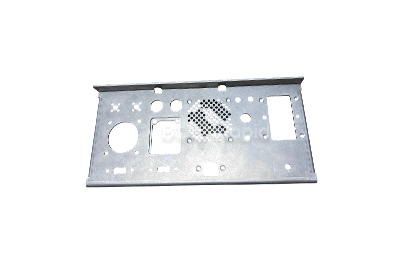
Additionally, industrial control tools and electrical enclosures are two more areas where CNC prototyping is useful. To test mechanical designs quickly, prototypes of custom control panel housings, motor mounts, and wire-handling parts can be made. Iterative thermal testing with machined aluminum prototypes is helpful for heat sink designs. CNC precision and the ability to make working prototypes that fully represent production intent are helpful for electronic enclosures that need precise mounting features, connector cutouts, and EMI shielding.
These different uses all have one thing in common: they need to be able to make changes quickly, make sure the materials are real, be accurate in terms of measurements, and produce few items at a low cost. CNC prototyping meets all of these needs at the same time, which makes it a flexible option that can be used in a wide range of businesses and situations.
Conclusion
Rapid CNC Prototyping Parts help engineering teams around the world speed up development, make more precise products, and save money. This technology shortens development times by turning CAD designs into working samples in just a few days. It also allows for iterative design improvement. Better accuracy in measurements and materials lowers the chance of having to make expensive changes to the design later on, and the ability to change the number of units ordered means that prototypes can be made without having to worry about money. CNC prototyping has been shown to help speed up innovation and support competitive product development in the automobile, medical device, robotics, aircraft, and industrial sectors. These benefits are maximized when companies work with experienced, ISO-certified makers who offer engineering support and global logistics. This speeds up the process of turning ideas into goods that are ready for sale.
FAQ
What lead times can I expect for CNC prototype parts?
Depending on the complexity of the part, the choice of material, and the size of the order, lead times are usually between 3 and 15 working days. Parts made of simple aluminum with standard tolerances can usually be shipped in 3 to 5 days. More complicated parts with multiple axes or materials that are hard to machine may take 10 to 15 days. When project deadlines call for faster delivery, suppliers with well-tuned processes and enough capacity can handle rush orders.
If you compare CNC-machined samples to final parts, how accurate are they?
CNC prototyping can get as accurate measurements as ±0.005 mm, which is as accurate as or more accurate than regular production cutting. This level of accuracy makes sure that prototype parts accurately show what the designer wanted and work reliably during functional testing. Surface finishes made by CNC processes range from normal machined finishes to precision ground surfaces, so they can meet the needs of a wide range of applications without requiring a lot of extra work.
Is there a minimum number of sample parts I need to order, or can I just order one?
A lot of companies that do specialized development will take orders as low as one piece, so there are no minimum order quantities. This gives engineering teams the freedom to try out different versions of a design without having to commit to bigger amounts. As designs get better and production volumes rise, the same CNC processes can easily handle low-volume runs of tens to hundreds of pieces.
Get Started with BOEN Rapid for Your CNC Prototyping Needs
BOEN Rapid is ready to be your trusted Rapid CNC prototyping parts maker. They have been making precision parts for over 15 years and have quality systems that are ISO 9001 and ISO 13485 approved. CNC cutting, 3D printing, and surface finishing are just a few of the combined skills we offer. These skills help us make prototypes from the first idea to low-volume production. We help you make your plans easier to make and cheaper by having engineering teams do DFMA analysis and help you choose the right materials. Deliveries of prototypes usually happen within 3 to 15 business days and are backed by global transportation partnerships that make sure deliveries are reliable all over the world. Get in touch with our team at contact@boenrapid.com to talk about your project needs and get a full quote that fits your needs and schedule.
References
1. Gibson, I., Rosen, D., & Stucker, B. (2015). Additive Manufacturing Technologies: 3D Printing, Rapid Prototyping, and Direct Digital Manufacturing. Springer Publishing.
2. Kalpakjian, S., & Schmid, S. R. (2014). Manufacturing Engineering and Technology (7th ed.). Pearson Education.
3. Groover, M. P. (2016). Fundamentals of Modern Manufacturing: Materials, Processes, and Systems (6th ed.). John Wiley & Sons.
4. Ulrich, K. T., & Eppinger, S. D. (2016). Product Design and Development (6th ed.). McGraw-Hill Education.
5. Boothroyd, G., Dewhurst, P., & Knight, W. A. (2011). Product Design for Manufacture and Assembly (3rd ed.). CRC Press.
6. ASM International Handbook Committee. (2018). ASM Handbook Volume 16: Machining. ASM International.