Stainless Steel Components for Industrial Applications: A Complete Guide
Stainless steel components are precision parts made from corrosion-resistant alloys such as 304, 316, and 17-4 PH. They serve medical devices, robotics, automation, and industrial equipment. The grade, process, and finish you choose decide how long a part lasts and how well it performs. In this guide, I cover grades, advantages, material comparisons, buying steps, and quality checks. At BOEN Rapid, we machine, fabricate, and weld custom stainless steel parts with tolerances down to ±0.005mm. I also share the questions every buyer should ask a supplier before placing an order.
Understanding Stainless Steel Components: Types, Grades, and Properties
Defining Stainless Steel Components and Their Common Forms
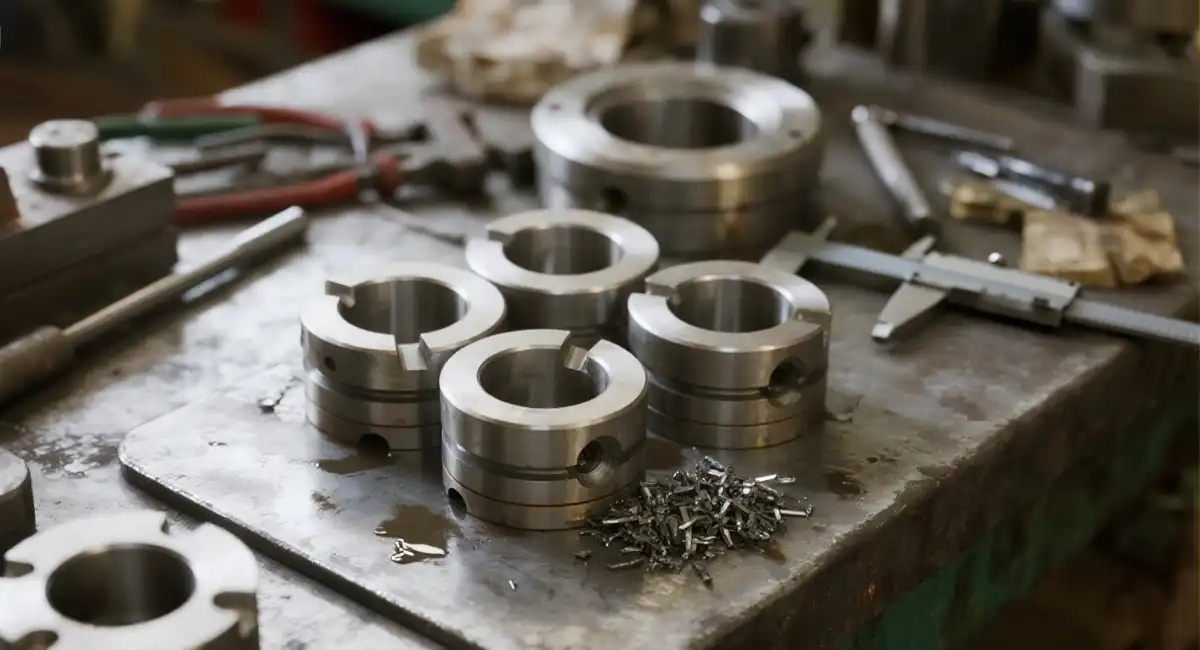
When finished parts are made from iron metals that have at least 10.5% chromium in them, they are called stainless steel components. A thin film of oxide is made by the chromium on the surface. This film will fix any small scratches and stop the rust. Fasteners, fittings, shafts, housings, brackets, sheets, and pipes are all forms that are often used in industry. A CNC cut part is drawn on a bar or plate and then cut out of it. It's not a normal size because it's made to fit your picture. At BOEN Rapid, we use CNC grinding, cutting sheet metal, and welding to make unique parts out of stainless steel. It saves time because you don't have to go from one provider to another as often when all three steps are in one place.
Grades: 304, 316, 303, 17-4 PH, and 430
The grade affects the price, power, and rust protection. About 18% of Grade 304 is chrome, and about 8% is nickel. It's the right size and shape for tools used to grow food or make chemicals. An extra 2–3% molybdenum is added to Grade 316 to make it stronger against chlorides. Because of this, it's often used to make things for boats, hospitals, and drug stores. A little sulfur added to Grade 303 makes it easier to work with, but it also makes it rust more easily and solder less well. Metal grade 17-4 PH gets harder when it rains or snows. The strength at which it could be pulled apart could be more than 1,100 MPa if it was cooked in a certain way. In other words, it can be used for parts of pumps and valves. Grade 430 magnetite steel has less nickel than other grades. It's used for basic fabrication and device trim, but it doesn't resist rust as well as 304. We can work with 304, 316, 303, and 17-4 PH.
Properties and Manufacturing Methods That Shape Quality
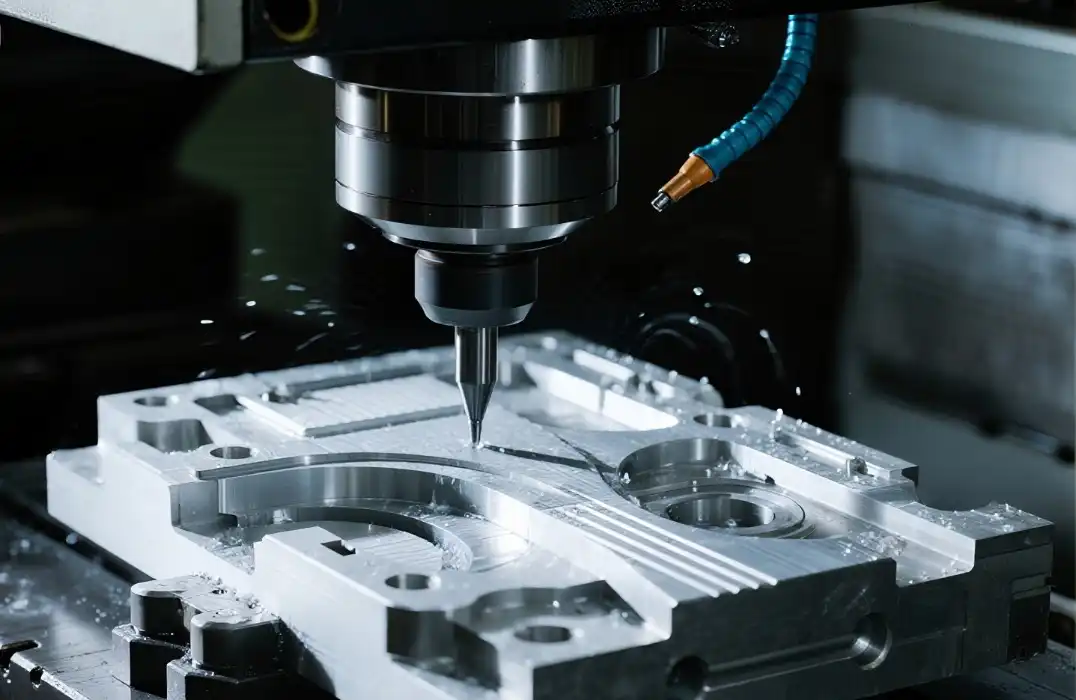
The tensile strength of 304 that has been annealed is at least 515 MPa, according to ASTM A276. Austenitic grades can stay strong up to about 870°C, no matter how cold it is or how much pressure is on them. The way something was made is just as important as how well it was done. The grain can move around more when you forge than when you cast. When CNC cutting, things are made from bars that don't bend. Molds for small runs don't cost a lot of money, and this makes the material thick and correct. If a shop wants to use stainless steel, it needs machines that are stiff, carbide tools that are very sharp, and strong air flow to cool the work. ASTM A967 says that passivation removes any free iron from the surface after it has been cut and re-applies the protective oxide layer. You could get rust spots before they're done if you don't do this step.
Advantages and Industrial Applications of Stainless Steel Components
Core Advantages Across the Part Lifecycle
These stainless steel components are made of stainless steel, which doesn't rust because the metal itself doesn't. That way, there will be less repair work and downtime. A lot of weight can be lifted by small, strong pieces. That's why it's easy to clean and germs can't grow on smooth machined surfaces. This is important for food and medical gear. It's easy to keep up because the inactive layer usually stays in place after being washed a lot. Stainless steel can also be recycled in its entirety, which is good for the environment when a product is no longer needed. Because these things last longer, they often make up for the fact that they cost more than aluminum or carbon steel over time. We help you think about these trade-offs early on so that the grade you choose will be useful in real life.
Medical Devices, Robotics, and Automation
Medical gear should be made of things that are easy to clean and use again and again. This type of stainless steel is used to make a lot of surgery tools, device housings, and diagnostic parts. Some designers who work with implants might need safe types like 316LVM. These parts are easy to clean because they are not cracked and can be used in an autoclave many times. There are parts for robot arms, sensor housings, and assembly fixtures that have to be very precise and do the same thing over and over again. All the things that are used to clean and cool plant floors are safe for stainless steel. Putting electricity on the surfaces of analytical tools and semiconductors makes them smooth, which helps keep things clean. We let everything be off by ±0.01mm and the most important parts be off by ±0.005mm.
Food, Chemical, and Marine Equipment
Parts that move things along in food preparation lines include pumps, mixing shafts, transfer valves, and more. Steel 304 or 304L is used to make these. It is easier to clean things that don't get dirty if the surface is smooth and doesn't have any cracks. Acids, solvents, and water are often used to clean the parts of pumps, valves, and fittings in chemical plants. This is why they are made of stainless steel. It is better for 316 not to pit when chlorides are present. There is a lot of salt spray in the water, so 316 or duplex grades are used for hydraulic lines, valve bodies, and sensor housings. Leaks that waste time and money can be stopped by cutting the closing surfaces to the exact sizes needed. 17-4 PH is stronger than 304 when it comes to heavy things like pump shafts.
Maintenance Tips That Extend Service Life
If you do certain things, stainless steel will last longer. Water and mild soap can be used to clean them. Make sure to rinse them well after being in salt. You shouldn't use steel wool or carbon steel brushes because they leave behind iron particles that rust. Deposits tend to gather in cracks, welds, and threads. It needs to be passivated again if the surface of a part is still dirty after it has been fixed or worked on again. Too strong bleach-based cleaners can scratch even 316 over time, so make sure the cleaners you use are safe for that grade. These steps will keep the precision parts you bought safe and cut down on unplanned downtime.
Comparing Stainless Steel Components with Other Materials
Stainless Steel vs. Aluminum and Plastic
Aluminum is about a third as heavy as stainless steel, which is about 8 g/cm³ dense. It's faster to cut, and it works well with light housings. It doesn't change shape even after being hot and germ-free many times, which makes stainless steel tougher and stronger. Engineering plastics are lighter, better at stopping electricity, and stronger against many chemicals. But they're not as stiff and can't stand up to as high of temperatures. Also, they move around more when they're full. If weight or safety are important, choose metal or plastic. When you need parts that will last through rough cleaning, wear and tear, or strict hygiene rules, stainless steel components are the best choice.
Stainless Steel vs. Carbon Steel and Galvanized Steel
Iron is weak and costs more per kg than carbon steel. But carbon steel will rust if you don't paint, plate, or oil it. Galvanized steel doesn't rust because zinc is added to it. When you cut galvanized sheet, though, the zinc can come off at the edges, welds, and threads. The steel is no longer full. Even if you scratch or drill stainless steel, rust can't get in because it's sealed all the way through. Parts with threads, close faces, and tight fits should be made from stainless steel. Carbon steel could still be a good choice for hidden brackets in safe, dry places. We help you pick based on your needs and space.
304 vs. 316: Choosing the Right Grade
It's easy to get the marks mixed up because they all look the same. In general, Grade 304 metal is good at keeping rust away. It works well in drinks, food, and home appliances. Grade 316 can handle chlorides found in saltwater, de-icing salts, and many cleaning products because it contains molybdenum. It costs more, so you should only use it when the extra money is worth it for medical, drug, or chloride danger. One is used based on the environment rather than the load because they are both mechanically strong. People who want to make sure they get the right grade can ask for a mobile XRF tester that checks the amount of nickel and molybdenum in the material. Each package comes with a certificate of material.
Procurement Guide: How to Choose and Buy Stainless Steel Components
Define Your Requirements Before You Request a Quote
You'll get better answers faster if you make your request clear. Start with the conditions of work, like the load, the amount of salt, and the temperature range. Then write down the grade, the range of variations, the surface finish in Ra, and any standards that apply, like ASTM, ASME, DIN, or JIS. You need to send both 2D models that show GD&T and STEP 3D files. Parts should only have strict rules when they need them. Taking a look at tolerances helped, because adding ±0.005mm to every part makes it take longer to machine but doesn't make it work better. When you make more of something, the work of setting up and writing is spread out over more parts. The price per piece may go down.
Sourcing Options, Lead Times, and Logistics
Dealers are good at making simple forms and tools. Manufacturers like us produce custom stainless steel components that are ordered from a model and then made to order. Ask for more time right away so that you have time to make your start plan. It takes us about 24 hours to finish the first review of your work after getting your files. Based on how hard they are to make, prototypes are sent out in 3 to 15 business days. Most of the time, making 10 to 10,000 pieces takes two to four weeks. We can send things anywhere in the US with FedEx, DHL, or UPS, and you can keep track of them. We package fragile parts in a way that keeps them from breaking while they're being shipped. Plan ahead and check all the paperwork before the parts leave the dock when you ship samples.
Verify Supplier Credibility and Protect Your Designs
Before you send the order, check the certificates. ISO 13485 is for supply chains for medical devices, and ISO 9001 is for a quality system that is controlled. Before you buy something, ask the seller to show you an inspection report and proof of material. Also, make sure each lot can be found. Find out how quickly workers respond to DFM. That will determine how long it takes to build something. A non-disclosure deal (NDA) must be signed before a picture is shared. We support NDAs and secret production, so only people who need your ideas will get them. Last, find out where the bar stock comes from and if the mill gives test reports. If a provider gives clear answers to these questions, it's likely that their business is run well.
Ensuring Quality and Long-Term Value of Stainless Steel Components
Inspection and Testing Protocols
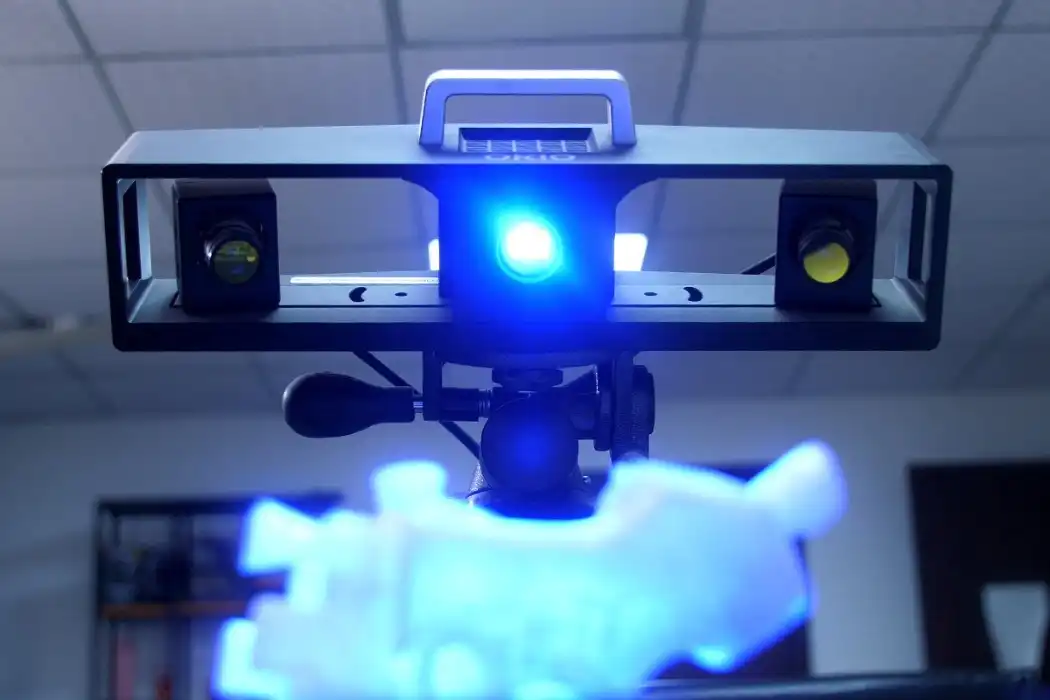
Companies you can trust should check parts more than once. Because Positive Material Identification works, you know for sure that the metal is correct from a science point of view. A coordinate measuring machine (CMM) can be used to check things like symmetry, concentricity, and real position. With surface profilometry, you can see how sealant or germ-free different Ra values are. A test called Rockwell hardness backs up what heat treatment says about types like 17-4 PH. People who want to know how well something doesn't rust can ask for ASTM A967 passivation testing or ASTM B117 salt spray testing. We look at the surface finish and compare your picture to a CMM to make sure the numbers are right. You can also change the tests if your program lets you.
Traceability and Documentation
Writing something down makes it official. Each lot comes with a material certificate that tells you where it came from in the mill. You can use the heat or lot number to find out who owned it before if you need to. Values that were recorded are compared to drawing limits in inspection records. With the help of a quality system like ISO 13485, drug companies can get the records they need to make their own regulatory files. When you place your order, we can talk about the amount of follow-up your job needs. There are certificates and inspection records that come with the materials. Keeping records clean also cuts down on emails that are sent back and forth and speeds up the process of reading new mail.
Post-Sales Support and Industry Trends
Long-term value of stainless steel components depends on support after delivery. Give suppliers points for how often they deliver, how quickly they answer, and how they deal with a broken part. Engineers can talk to each other and offer help after the sale. When you accept your part and process, the order goes through faster when it comes back. Steel is being made in different ways these days because of different styles. More and more people want to know about recycled materials and how to get goods in a good way. More often, medical and chip specs call for surface processes like passivation and electropolishing. Digital inspection data and tracking of the building process make it easier to keep track of each job. If you pay attention to these trends, you can write better product specs for the next one.
Conclusion
When the right grade, process, and finish are used to make stainless steel components, they work the best. Lots of different things can be done with grades 304, 316, 303, and 17-4 PH. They range from general rust protection to high strength and salt abuse. When it comes to rust, stainless steel is better than aluminum, plastic, carbon steel, and coated steel. In the long run, it will need less repairs and maintenance because of this. There are many places where tolerance, surface finish, and cleaning are important. These include medicine, machines, robots, food, chemicals, and the sea environment. If you want to buy something, the first things you need are a clear drawing, reasonable tolerances, and to look over the seller's records. You can see that the parts are up to code by doing tests like PMI, CMM inspection, and passivation checks. You can also see certificates and records for the materials that were used. Because of these steps, there is less risk and the service lasts longer.
FAQ
Which stainless steel grade suits harsh environments?
Grade 316 works well in places with salt, like the ocean and many cleaning products. Grade 17-4 PH can be used to make parts that need to be very strong, like pump shafts and valve parts. Our experts will give you a grade after hearing what you plan to use it for.
Can you make custom stainless steel parts from my drawing?
Yes. Models and whole units are made in several steps, such as by CNC milling, making things out of sheet metal, and welding. Anywhere from three to fifteen business days. For small runs, it takes two to four weeks. An NDA says we will keep your files safe before we look at them.
What tolerances can you hold?
As little as 0.005mm can make a difference in important measures, and most CNC-machined parts can hold up to ±0.01mm. To keep thin-walled parts from bending, we eliminate stress, machine them in multiple steps, and check them with a CMM.
Do you provide material certificates?
Yes. There are records of inspections and licenses of materials that come with every package.
Request Your Stainless Steel Components Quote from BOEN Rapid
You shouldn't have to put off your project while you look for a company that can make stainless steel components. Both ISO 9001 and ISO 13485 have been met by BOEN Rapid. They can keep their clients safe with NDAs, and the first review of a project is usually done in 24 hours. Your ideas and the grade you want will be sent to contact@boenrapid.com, along with feedback from DFM on the stainless steel parts you make by hand. Find out more about what we can make at boenrapid.com.
References
1. ASTM International, ASTM A276/A276M: Standard Specification for Stainless Steel Bars and Shapes, 2017
2. ASTM International, ASTM A967/A967M: Standard Specification for Chemical Passivation Treatments for Stainless Steel Parts, 2017
3. International Organization for Standardization, ISO 13485: Medical Devices – Quality Management Systems, 2016
4. ASM International, ASM Specialty Handbook: Stainless Steels, 1994
5. Outokumpu, Handbook of Stainless Steel, 2013
6. Industrial Press, Machinery's Handbook, 31st Edition, 2020