Pre-production Validation Parts vs. Prototypes: Key Differences
Pre-production validation parts are near-final components built with the planned production materials and processes. They show whether a design can be made repeatedly and assembled correctly. Prototypes serve an earlier goal: they test whether a design idea works in form, fit, and function. Put simply, a prototype asks, "Does the design work?" Validation parts ask, "Can we build it the same way every time?" At BOEN Rapid, we make both. This guide helps you decide which one your project needs before you commit to tooling.
Understanding Pre-production Validation Parts and Prototypes
What a Prototype Does
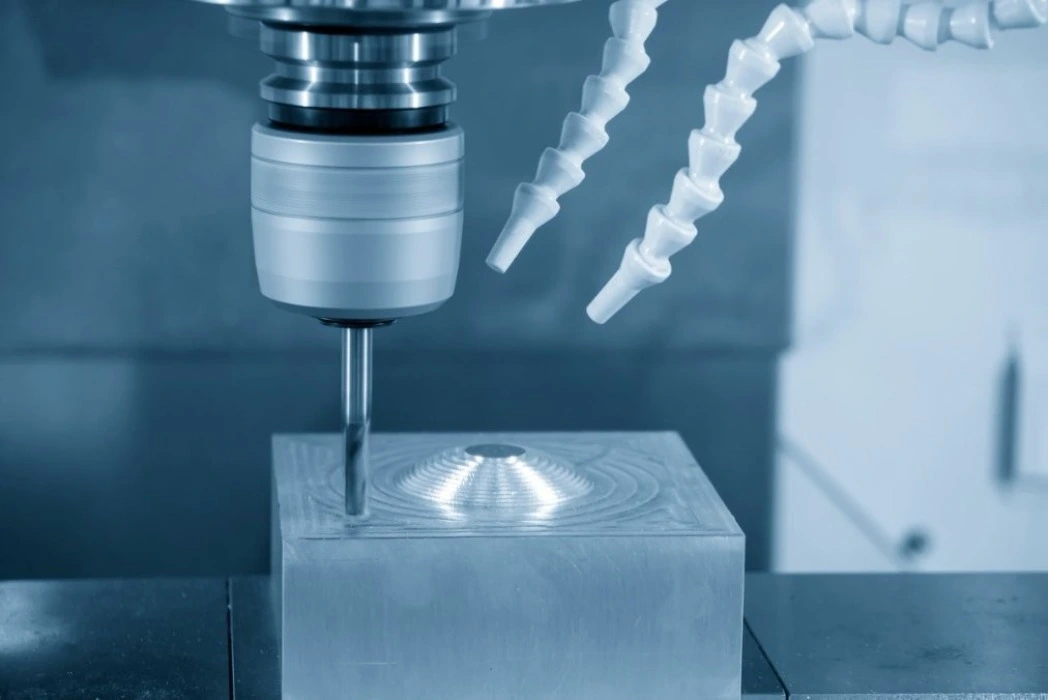
Prototypes are early versions of things that you can touch, see, and try to see if they work. 3D printing, CNC cutting, and vacuum casting are common ways for teams to make samples because they don't need many or any tools. The material might be different from the end one, and there are generally one to a few pieces. At this point, making changes is cheap, so an engineer can fix a drawing and get a new one in a few days. Ulrich and Eppinger's book Product Design and Development says that a prototype is a model of the final product that helps a team learn and be less uncertain.
What Pre-production Validation Parts Do
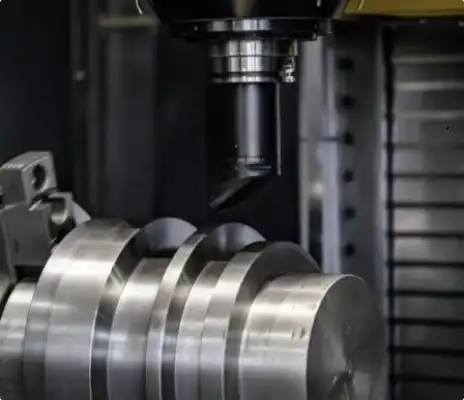
Following design approval are pre-production validation parts. We use materials that are fit for production and the same methods that you plan to use for mass production, like CNC milling, soft-tooled injection molding, or sheet metal fabrication, to make them. Runs are small groups of things, like 50 to 500 pieces. The goal is to test how easy it is to make, how fast it is to put together, and how properly it is inspected. Ulrich and Eppinger call this stage "pilot production." This is when a team builds units using the planned production process to teach workers how to do it and fix any problems that are still there. These parts also give your quality team real samples that they can use to test measurements and reliability.
Why Mixing Them Up Costs Time?
A sample that has been accepted is often seen as proof that the product is ready for production. That idea might not be true. The fit of a 3D-printed bracket might be good, but the surface finish, draft angle, or tolerance stack-up of a CNC-machined or molded bracket might be different. It takes longer and costs more to fix these problems after the tooling has been cut. Such problems are found in the validation parts while changes are still easy. Your engineering, quality, and purchasing teams will have a better idea of the risk before launch if you treat the two steps as different checkpoints.
Key Differences Between Pre-production Validation Parts and Prototypes
Purpose and Materials
The first difference is why they are different. Prototypes check the form, fit, and basic function of the design purpose. Pre-production validation parts check the whole process of making something, like how well it can be repeated, put together, and inspected. The materials are split in the same way. To save time, a sample might use a different resin or metal instead of the real one. Plastics and metals can behave differently when they are machined, molded, heated, and treated on the surface, so pre-production validation parts are made from the real production material. We work with industrial plastics and aerospace-grade metals, so you can test with the stuff you're going to ship.
Quantity, Tolerance, and Testing Rigor
The amount of information you get changes what kind of information it is. A single prototype doesn't tell you much about how things vary. Test pieces that range from 50 to 500 show how a process works from the very first one to the very last one. We can hold limits for CNC parts as close as ±0.005 mm and check them with a CMM and a surface finish analysis. The results are then written down in inspection reports and material certificates. This change is shown in the AIAG Advanced Product Quality Planning guidebook. It has prototype, pre-launch, and production phases in its control plan. Validation batches are part of the pre-launch phase.
Side-by-Side Comparison
The main differences are shown in the table below. When you write an RFQ, you can use it as a quick checklist.
| Factor | Prototype | Pre-production validation parts |
|---|---|---|
| Main question | Does the plan work? | Can we build it consistently? |
| Materials | Often stand-in materials | Materials meant for production |
| Methods | Fast methods, like 3D printing | Planned production processes |
| Amount | One to a few pieces | Small batch, like 50–500 pieces |
| BOEN Rapid lead time | 3–15 working days | 3–15 working days for machined parts; 2–4 weeks for soft tooling |
As materials and process control get closer to production, the cost per piece tends to go up. Most of the time, that extra cost is less than what it would cost to fix the tools later.
The Pre-production Validation Process, Step by Step
Step 1: Set Goals and Review Risk
Write down what the batch needs to show first. Some common goals are to meet key measurements, make sure the assembly fits correctly, and measure cycle time. Then look over the design to make sure it can be made. Our engineers do DFM and DFMA checks that look at things like process compatibility, tolerance stack-up, material choice, and the ability to inspect. As shown in the AIAG & VDA FMEA Handbook, many automobile teams also use a Process FMEA to rank risks. A clear list of goals and a ranked list of risks will help you figure out which parts need to be measured the most closely.
Step 2: Build With Production Processes
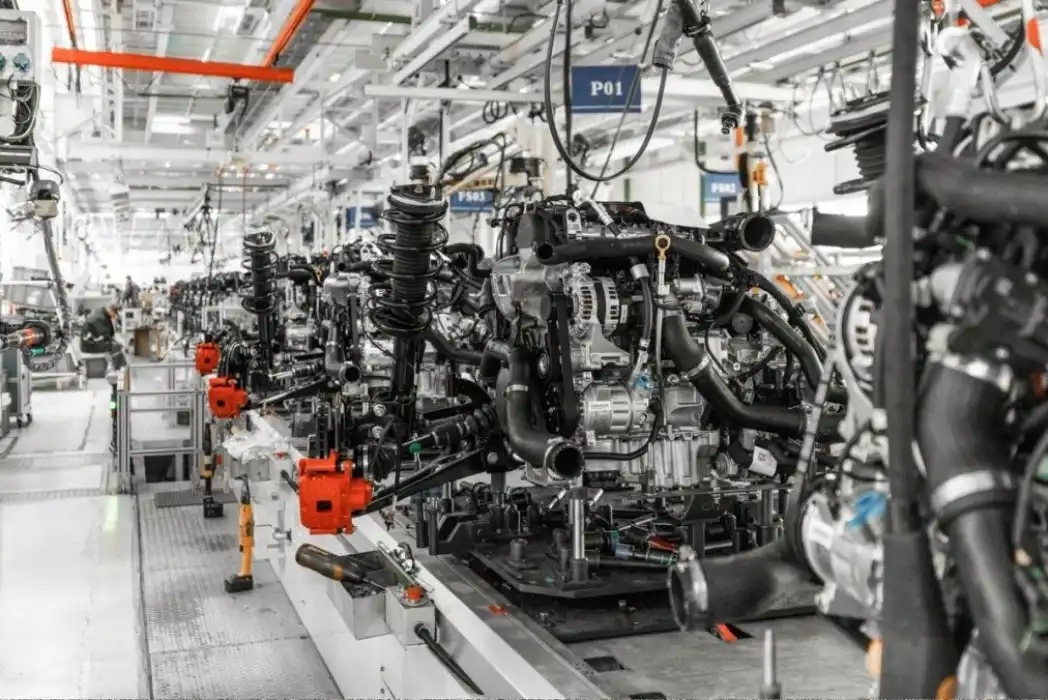
Next, build the parts the way you're going to build them later. If production needs a mold, we can use production-grade resin on soft tools like aluminum molds. We cut, bend, weld, and finish sheet metal that is used in production. Anodizing, plating, painting, or powder finishing are all ways to finish off machined parts. Write down the setup time, cycle time, and any changes made by the operator during the run. These numbers are used right away to plan production. Machined pre-production validation parts take three to fifteen business days, and soft tooling solutions take two to four weeks.
Step 3: Inspect, Test, and Document
Lastly, make a record and measure. We use a CMM to check the sizes, look at the finish on the surface, and give you material certificates and inspection records. Then, your team does tests to see how well the parts fit together and how reliable they are. People who buy cars should know that PPAP rules say that the parts must come from a large production run. Unless the customer says otherwise, this means that the parts must come from at least 300 parts in a row that were made in 1 to 8 hours. The PPAP package belongs to your team. We give you the measurement and material records you need, and a validation batch lets you practice the process before you send it in.
When to Choose Pre-production Validation Parts Over Prototypes?
Signals Your Project Is Ready
Pick pre-production validation parts when the design is almost set in stone and the next choice is between making tools or a production line. A customer asking for proof of the process, a complicated assembly with tight-fitting parts, a new supplier or process, and a launch date that doesn't leave much time for changes are some other signs. Stay with samples if you still change the size every week. A batch result tells you something about the process, not about a drawing that will change. This is when validation parts work best.
Automotive Programs and Production Trials
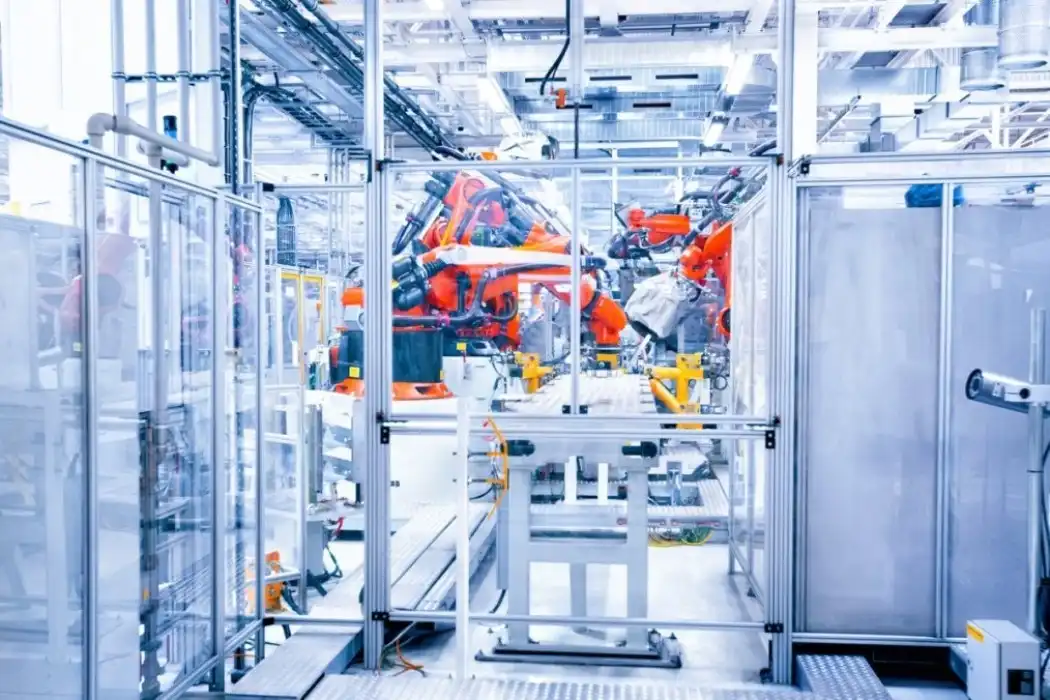
Before ramping up production, production engineers at Tier-1 suppliers use pre-production runs to make sure they understand how the process works. Your quality team can add our dimensional reports, material certificates, and traceability paperwork to the package they send for approval. The ISO 9001 and ISO 13485 standards have been met by our quality processes. If your program needs a different approval, like IATF 16949, let us know in the RFQ stage so that we can both agree on the scope before you commit. You can get a build from China to compare with the one you already have. Just send us your plans, and we'll look them over.
Medical Device Samples for GLP and Clinical Use
Teams working on medical devices need samples that look like the final product. As per ISO 13485:2016, design validation uses sample products, such as first production pieces, batches, or equivalents. We follow processes that are ISO 13485 certified, and with every build, we give you material certificates, inspection reports, and records that can be tracked. The rules for your test lab are made by them. Our job is to give you samples that are all the same and are made with the right materials and finishes. We also agree to keep each idea secret and sign NDAs.
Common Challenges and Practical Habits in Pre-production Validation
Validation Parts That Differ From Production
A sample that doesn't fit early production is the most usual issue. What happens when you change the grade of the material, the type of machine, or the tool steel? Early molds are made with soft metal tools, but hardened industrial tools can wear down differently and take longer to cycle time. So that your team can figure out what the test results mean, write down every change that you know of, like the type of tool used or the way the wood was finished. Keep the same process, materials, and drawing changes for the whole batch.
Documentation and Approval Delays
Making PPAPs, test reports, and design records often takes longer than making the parts. Make plans while the building is going on. Before the machining starts, agree on the most important dimensions, inspection methods, and report format. Also, send drawings with clear tolerance callouts. Before the build, our engineers can look over the drawing for DFM to make sure that the documents and parts match up. We can plan CMM programs ahead of time if we know which features are the most important. Your quality manager will also get data in a format that is ready to be filed.
Ramp-up Capacity and Timeline Planning
It also tells you how long the cycle really takes and how much setup time you need. Use that information to make plans for your first orders of goods. Production in small amounts at BOEN Rapid usually takes two to four weeks to finish, and we can change our schedule and where we get our materials if something urgent comes up. Share ranges of predictions early on so that we can plan our capacity. Parts are shipped by DHL, UPS, or FedEx in safe boxes, and tracking numbers let your team plan test times before they arrive.
Conclusion
Prototypes and pre-production validation parts are used to answer different kinds of questions. Prototypes, which are usually made of fake materials and very small amounts, make sure that a design works in terms of shape, fit, and function. Pre-production validation parts, which are made in runs of 50 to 500 with materials and methods that will be used in production, show that the design can be made again and again, put together properly, and checked against clear criteria. The process starts with setting goals and reviewing risks. It then moves on to making in a production-style way and measuring and writing things down. This process works best when the drawings are stable and decisions about tooling or ramp-up are close. There are records that help the medical and automotive programs get what they need for approval. Most problems happen when materials or tools don't match, paperwork is late, or capacity data is missing. Planning for all of these issues during the run lowers the number of problems that happen.
FAQ
What is the main difference between a prototype and a validation part?
A prototype checks how well an idea for a design fits, looks, and works. A pre-production validation part checks to see if that design can be consistently built using the materials and methods that are meant for production. Before you make the tools, it gives your team real information about standards, assembly, and testing.
How many pieces should a validation run include?
Small groups of 50 to 500 pieces are used for many projects. What number you need depends on your test plan, how many parts you need to put together, and the approval process. For example, a PPAP run will always include at least 300 parts in a row unless your customer tells you otherwise. Send us your plan, and we'll tell you how many to order.
Can BOEN Rapid supply documents with the parts?
Yes. We work with methods that are ISO 9001 and ISO 13485 approved and give inspection reports, material certificates, and paperwork for tracking. Tell us when you send us your RFQ if your program needs another certification so we can make sure we understand the scope.
Start Your Pre-production Validation Parts Order With BOEN Rapid
Want to find a supplier of pre-production validation parts that works with the materials and methods you already use for production? BOEN Rapid has quality systems that are approved by ISO 9001 and ISO 13485. They also offer DFM review, CMM inspection, and an initial RFQ evaluation that is usually done in 24 hours. Our engineers will come up with a build plan based on your drawings and the number of items you want to order. For a full list of features, go to boenrapid.com or contact us at contact@boenrapid.com.
References
1. AIAG, Production Part Approval Process (PPAP), 4th Edition, 2006
2. AIAG, Advanced Product Quality Planning (APQP) and Control Plan, 2nd Edition, 2008
3. ISO, ISO 13485: Medical Devices – Quality Management Systems – Requirements for Regulatory Purposes, 2016
4. ISO, ISO 9001: Quality Management Systems – Requirements, 2015
5. Ulrich, K. and Eppinger, S., Product Design and Development, 6th Edition, 2015
6. AIAG and VDA, FMEA Handbook, 2019