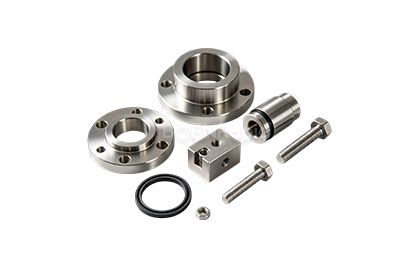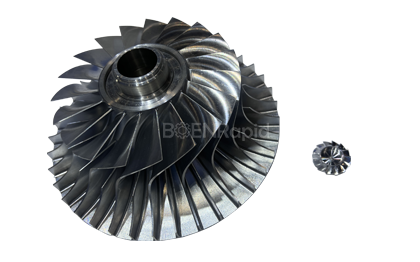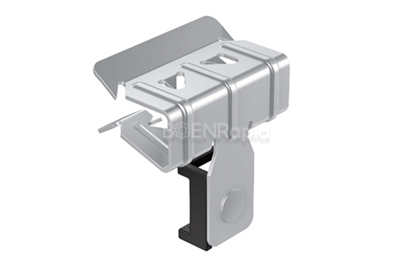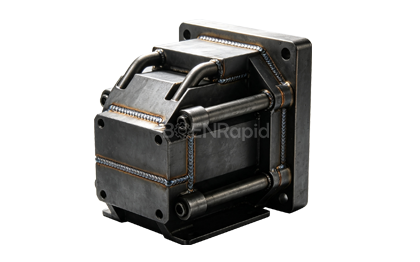
Aluminum Alloy Parts
Details
Aluminum Alloy Parts - Precision Lightweight Components for High-Performance Applications
DongGuan Bohao Industrial Co., Ltd., operating as BOEN Rapid, delivers precision-engineered Aluminum Alloy Parts with over 15 years of manufacturing expertise. We are certified to ISO 9001 and ISO 13485 quality systems with the capability to maintain a dimensional accuracy of ±0.005mm tolerance for aerospace, robotics, automotive and industrial equipment industries. We use advanced aluminium grades including 6061-T6, 7075 and 6082 with integrated CNC milling, turning and sheet metal production. Initial project review is performed in 24 hours Prototype delivery is done in 3-15 working days. Our aluminium machining services combine lightweight structural advantages with anodising surface treatments for corrosion resistance, efficiently supporting quick prototyping to low-volume production quantities.
Why Aluminum Alloy Parts Are Essential for Modern Engineering
Aluminium alloy parts address major design issues in weight sensitive applications. They have the same tensile strength as steel , but they reduce the weight of the components by about 60 % .
Aluminum’s inherent corrosion resistance adds value to your projects. This removes expensive secondary coatings in many settings.
Aluminium alloys machine easily and reduce production times. Aluminium grades machine 3-5X faster than steel for complex geometries that take longer to machine.
Manufacturing Capabilities for Aluminum Alloy Parts
BOEN Rapid uses a variety of fabrication technologies to generate your products in the most efficient way.
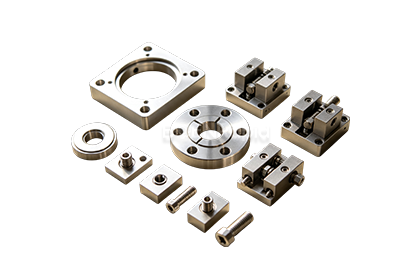
CNC Machining & Manufacturing Services
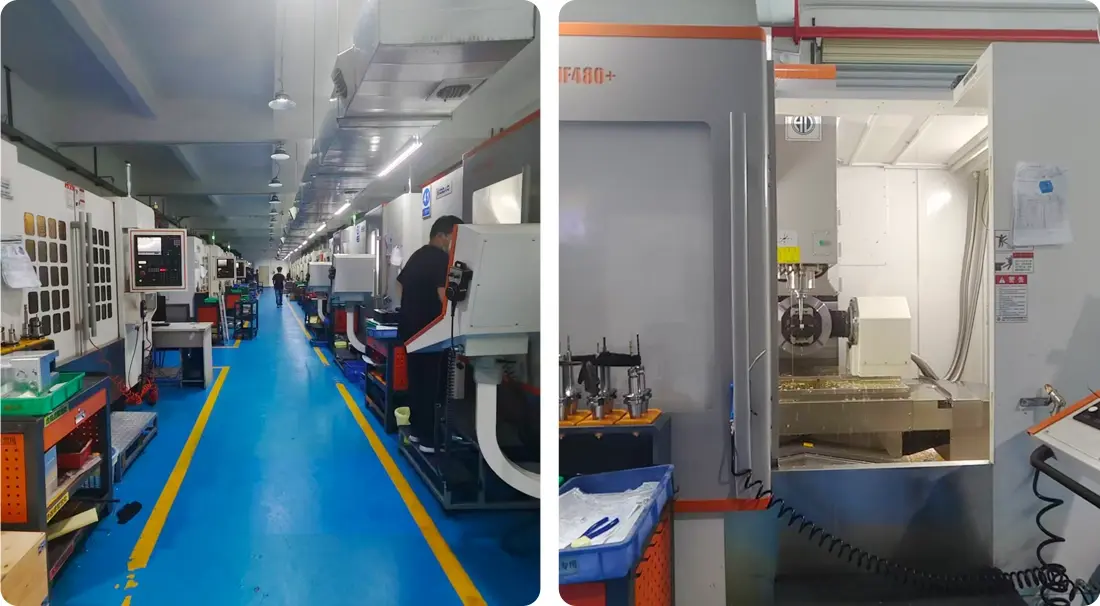
Our 3-axis, 4-axis and 5-axis CNC machines can process aluminium parts from 5mm to 1200mm. Aerospace and medical device specifications with tight tolerances of +/–0.005mm.
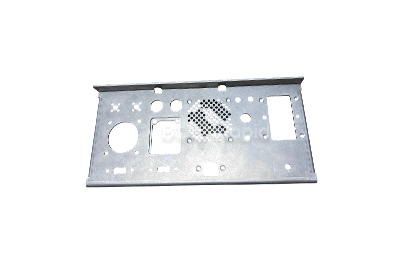
Sheet Metal Work
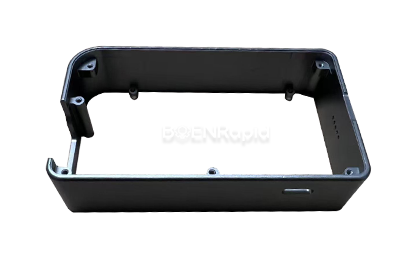
We produce aluminium enclosures, brackets and chassis components using laser cutting, bending and forming. Material thicknesses ranging from 0.5 mm to 6 mm are available.
Surface Finishing Options
Anodising treatments (Type II & Type III) offer wear resistance and aesthetic finishes in natural, black, gold and custom colours. Other alternatives include powder coating, chromate conversion and polishing.
Quality Verification
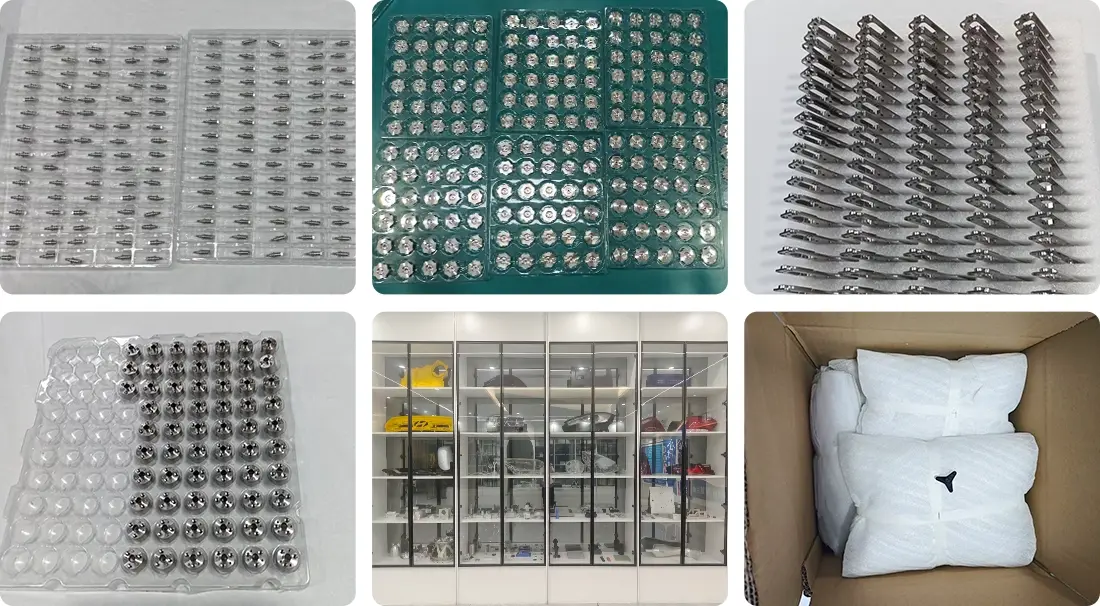
Dimensional checks on CMM equipment for each batch, Surface finish analysis, Material certification. You will be provided with complete inspection reports and shipment documents.

Technical Specifications
| Parameter | Specification |
|---|---|
| Materials | Aluminum 6061-T6, 7075-T6, 6082, 5052, 2024 |
| Machining Tolerance | ±0.005mm to ±0.1mm (depending on feature) |
| Surface Roughness | Ra 0.4 to Ra 3.2μm |
| Manufacturing Processes | CNC milling, CNC turning, sheet metal fabrication, drilling, tapping |
| Surface Treatments | Type II/III anodizing, powder coating, chromate conversion, bead blasting, polishing |
| Size Range | 5mm to 1200mm |
| Production Volume | Prototype to 10,000+ units |
| Lead Time | 3–15 days (prototypes), 2–4 weeks (production) |
| Quality Standards | ISO 9001, ISO 13485, dimensional inspection reports |
Key Advantages of Our Aluminum Alloy Parts
Performance Lightweight
Aluminium parts are 50-60% lighter than steel versions, reducing overall weight of the assembly. This correlates to better fuel efficiency in car applications and better payload capacity in aeronautical systems.
Good Machining
Aluminium is soft metallurgically and has a high rate of material removal. Your projects will have faster manufacturing cycles and reduced tooling costs.
Enhanced Corrosion Resistance
Aluminum Alloy Parts develop a natural oxide film for protection in humid and marine situations. Anodising process strengthens this protective barrier for decades of service life.
Economical Production
Material density lower, raw material costs lower. Increased machining speeds decrease labour costs. The savings together make aluminium cheap for both prototype and production quantities.
Thermal Conductivity
Aluminium alloys are excellent materials for heat dissipation in electronic enclosures, heat sinks and cooling components. This feature enhances the service life of sensitive electronic systems.
Industry Applications
Aerospace Parts
For example, aluminum's strength-to-weight ratio is beneficial for structural brackets and mounting fixtures and non-critical airframe elements. Our 7075 aluminium has yield strength around 500 MPa.
Robotics and Automation
Robotic arms, End effectors and mounting plates should be lightweight without compromising stiffness. Aluminium minimises inertia for faster operating cycles.
Automotive Parts
Aluminium is used in engine parts, gearbox housings and suspension parts for better performance. Lighter weight means better acceleration and handling.
Medical Devices Manufacturing
Biocompatible handles of surgical instruments, housings of diagnostic equipment and components of mobility aids are ensured by proper alloy selection and surface treatment.
Equipment and Machinery
Aluminum's corrosion resistance and machinability make it an economical choice for manifolds, valve bodies, pneumatic components and speciality fittings.
Engineering Support and DFM Analysis
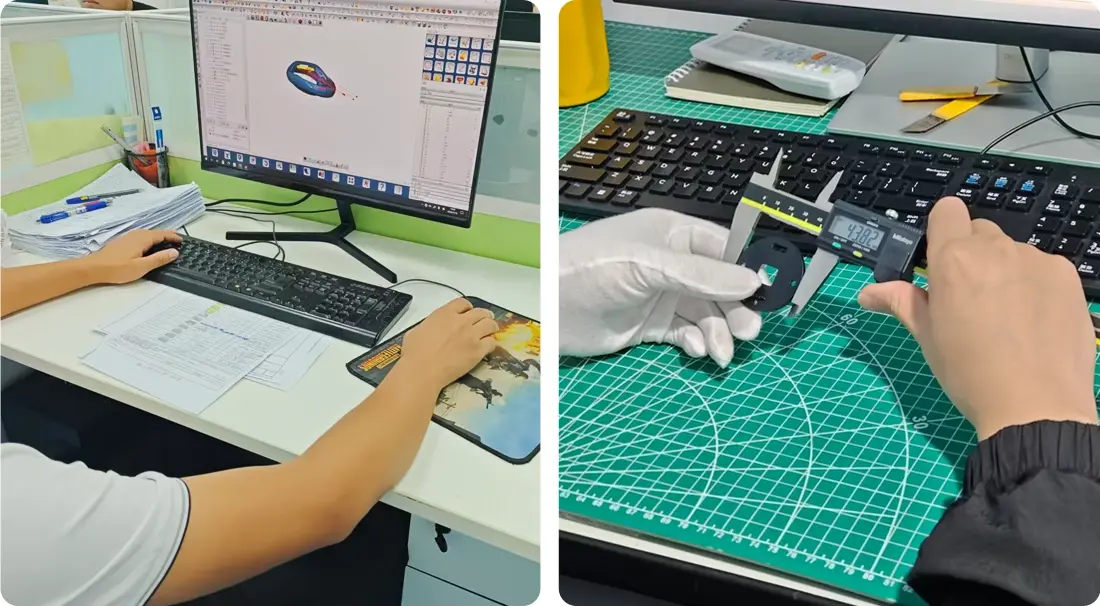
We have a technical staff that consults on Design for Manufacturability before production begins. We analyse the wall thickness requirements, corner radius requirements and feature accessibility.
You obtain recommendations for optimisation to minimise machining time. These include alternative feature designs that keep functionality, yet improve production efficiency.
Material selection advice satisfies mechanical property criteria at the lowest cost. Comparing alloy choices to the requirements for strength, weldability, and corrosion resistance.
FAQ
Q: What aluminium alloys can be machined at your facility?
A: We can process all common aluminium grades such as 6061-T6 (general purpose), 7075-T6 (high strength), 6082 (European standard), 5052 (corrosion resistant) and 2024 (aerospace grade). Choose material according to your strength, weight and exposure needs.
Q: Can I anodise aluminium parts after machining?
A: Yes, we supply both Type II anodising (standard, up to 25 microns thickness) and Type III strong anodising (up to 125 microns thickness). Colours are natural clear, black, gold, red, blue, and any special colours. Anodising is corrosion resistant. Wear resistant. With dimensional tolerances.
Q: What tolerances do you hold on aluminium parts?
A: In machining the usual tolerances are ±0.1 mm. We use calibrated CNC machinery and temperature-controlled manufacturing settings to achieve fine tolerances of ±0.005 mm on important features. Tolerance requirements shall be specified on engineering drawings.
Q: How quickly can you make aluminium prototype parts?
A: Normally, simple aluminium parts finishing will take 3-5 working days. Extensive machining of complex multi-axle parts – 7-15 days. Rush assistance for urgent jobs and expedited scheduling is offered.
Q: Are there material certificates for aluminium alloys?
A: Yes, we issue material test reports and certificates of conformity with each shipment. Documentation covers chemical composition analysis, mechanical characteristics and heat treatment verification if applicable.
Contact Us for Your Aluminum Alloy Parts Project
Ready to start your project with Aluminum Alloy Parts? Send your technical drawings and specifications to contact@boenrapid.com for a detailed quotation within 24 hours.