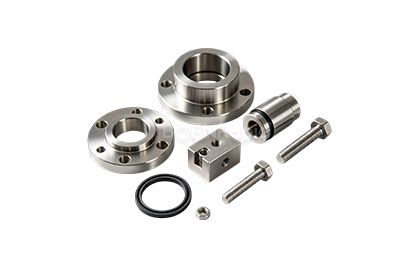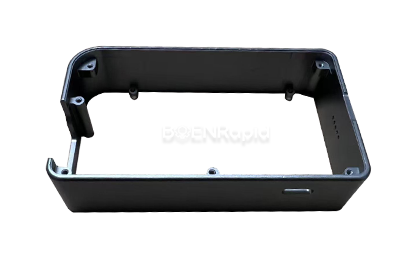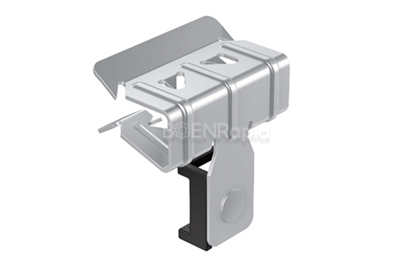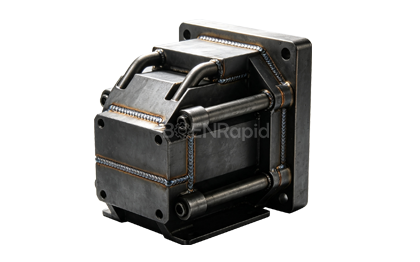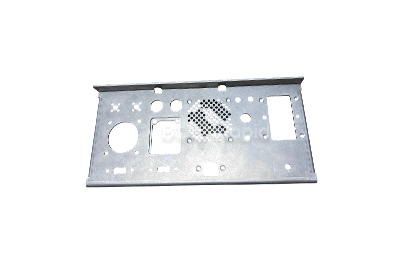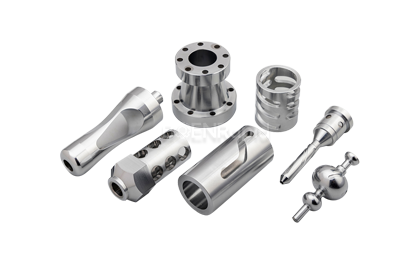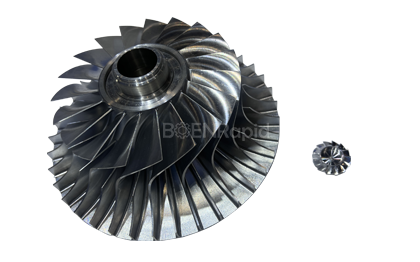
Titanium Machining Parts
Details
Titanium Machining Parts - Precision Manufacturing for High-Performance Applications
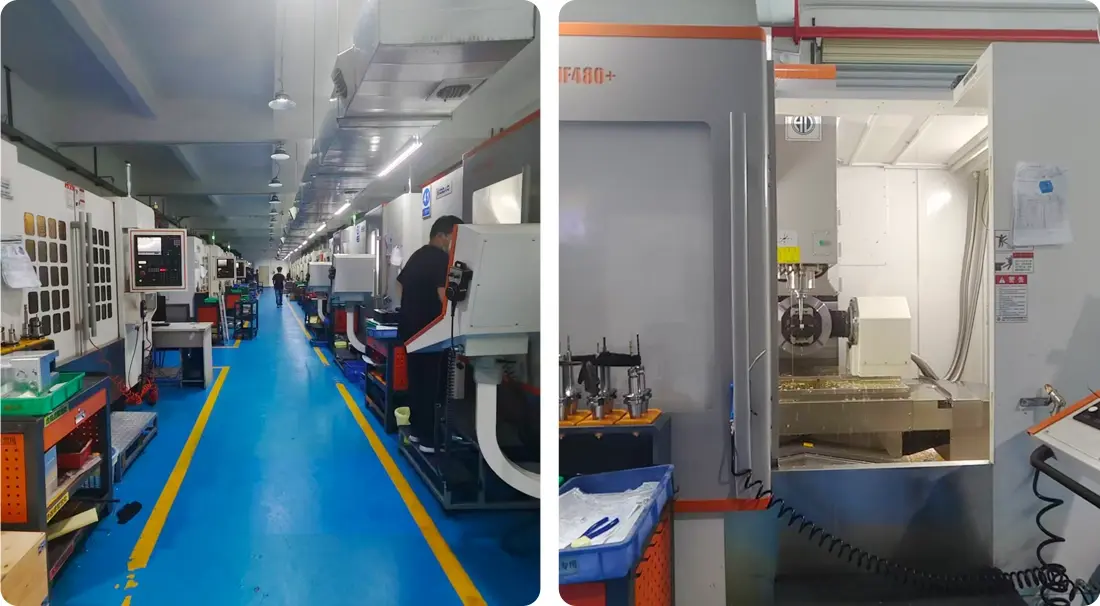
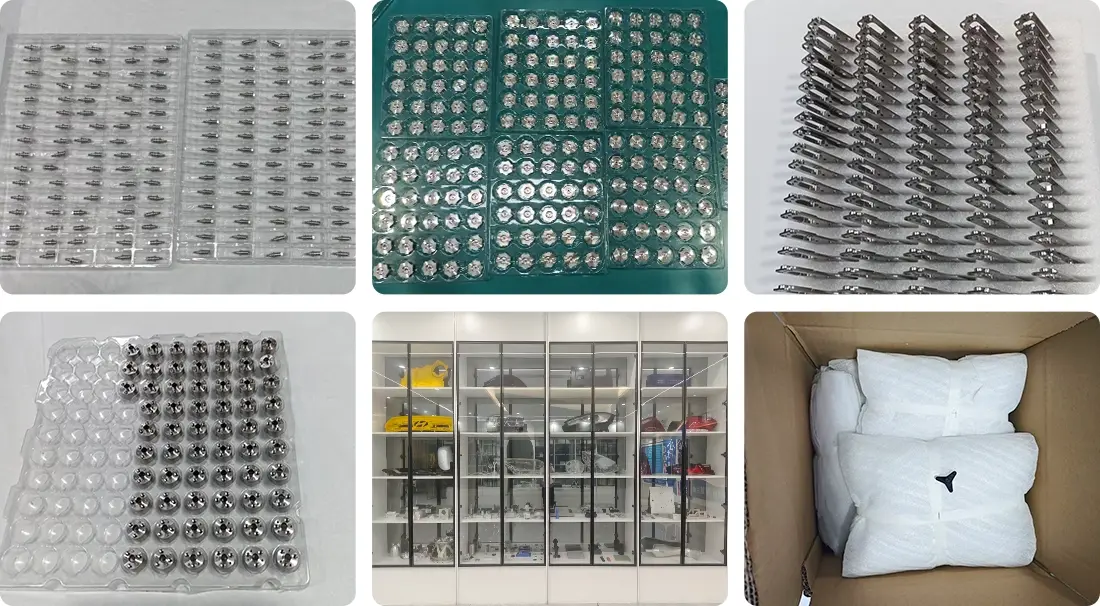
DongGuan Bohao Industrial Co., Ltd., operating as BOEN Rapid, delivers precision Titanium Machining Parts backed by over 15 years of manufacturing expertise. Titanium Machining Services Our titanium machining services are suited for intricate components requiring great strength-to-weight ratios and outstanding corrosion resistance. Our main materials are Titanium Grade 2 and Titanium Grade 5 (Ti-6Al-4V). We can hold tolerances to +/-.005mm due to our excellent CNC machining capabilities. Dimensional correctness and material integrity are assured through CMM inspection and spectrometry analysis backed by our ISO 9001 and ISO 13485 certified quality processes. Standard prototype delivery within 3-15 working days Low volume production runs in 2-4 weeks Rapid product development cycles supported. The markets for aerospace, medical device, and industrial equipment.
Why Titanium Machining Parts Deliver Unmatched Performance?
Titanium parts possess a unique combination of qualities that make them irreplaceable in demanding applications. The strength-to-weight gain is significant. Grade 5 titanium has a tensile strength of over 895 MPa and a density of just 4.43 g/cm³, or about half that of steel.
The corrosion resistance originates from the naturally formed oxide layer of TiO2. This protective barrier is stable to the chloride rich marine environment, chemical processing conditions and physiological fluids without degradation. Titanium retains its structural integrity where stainless steel would pit or stress corrosion crack.
This increased the operational range of temperature stability. Ti-6Al-4V is good at high temperatures and preserves its mechanical qualities up to 400°C. Used in high temperature exhaust systems, turbine components and thermal cycling applications. Low thermal conductivity demands unique machining procedures yet results in outstanding thermal barrier performance in service.
Biocompatibility paves the way for medical uses. Titanium is non-toxic, non-allergenic, and can osseointegrate, which means bone tissue can connect directly to the machined surface, making it the material of choice for orthopaedic implants and surgical equipment.
Technical Specifications and Material Options
| Parameter | Specification |
|---|---|
| Materials Available | Titanium Grade 2 (Commercially Pure), Grade 5 (Ti-6Al-4V) |
| Machining Processes | 3-axis, 4-axis, and 5-axis CNC milling; CNC turning; precision grinding |
| Tolerance Capability | Standard: ±0.05mm; Precision: ±0.005mm with CMM verification |
| Surface Finish | Ra 0.4–3.2 μm; Brushed, bead-blasted, or polished finishes available |
| Surface Treatments | Type II/III anodizing, passivation, coating per specification |
| Quality Standards | ASTM B348, AMS 4928, ISO 5832-3, DIN, JIS compliant |
| Inspection Methods | CMM dimensional verification, PMI testing, surface roughness analysis, NDT available |
| Industries Served | Aerospace, medical devices, marine, automotive, industrial equipment |
| Production Capacity | Rapid prototyping and low-volume production (1–10,000+ pieces) |
| Lead Time | Prototypes: 3–15 days; Production runs: 2–4 weeks |

Applications Across Critical Industries
Aerospace and Aviation: Titanium Machining Parts appear in landing gear components, hydraulic system fittings, turbine engine parts, and structural fasteners. These components withstand cyclic fatigue loads, extreme temperature gradients, and corrosive fuel exposure while reducing overall aircraft weight.
Medical and Biomedical: Titanium's biocompatibility is used in orthopaedic implants such as bone screws, spinal fusion devices and joint replacement components. MRI compatible instruments must be non-magnetic and autoclave resistant for surgical instruments.
Marine and Subsea: Pressure housings for autonomous underwater vehicles, pump parts for desalination systems and propeller shafts reliably perform under hydrostatic pressure and constant exposure to salt water. Titanium reduces the pitting corrosion that limits the service life of stainless steel.
Industrial Equipment: Chemical processing valves, heat exchanger components, and high-performance fasteners benefit from corrosion resistance in acidic or alkaline situations when other metals fail prematurely.
Manufacturing Process and Quality Assurance
Our machining method is designed to counter titanium's properties. The material also has low thermal conductivity, so the heat is concentrated at the cutting edge, which requires controlled cutting speeds and specialised carbide or ceramic tools. We use high pressure coolant systems to control heat build up and avoid work hardening.
The type of fixturing design prevents the spring-back effect due to titanium's low elastic modulus, 113.8 GPa. Broad contact workholding and optimised cutting depths reduce chatter and hold dimensional stability during the machining cycle.
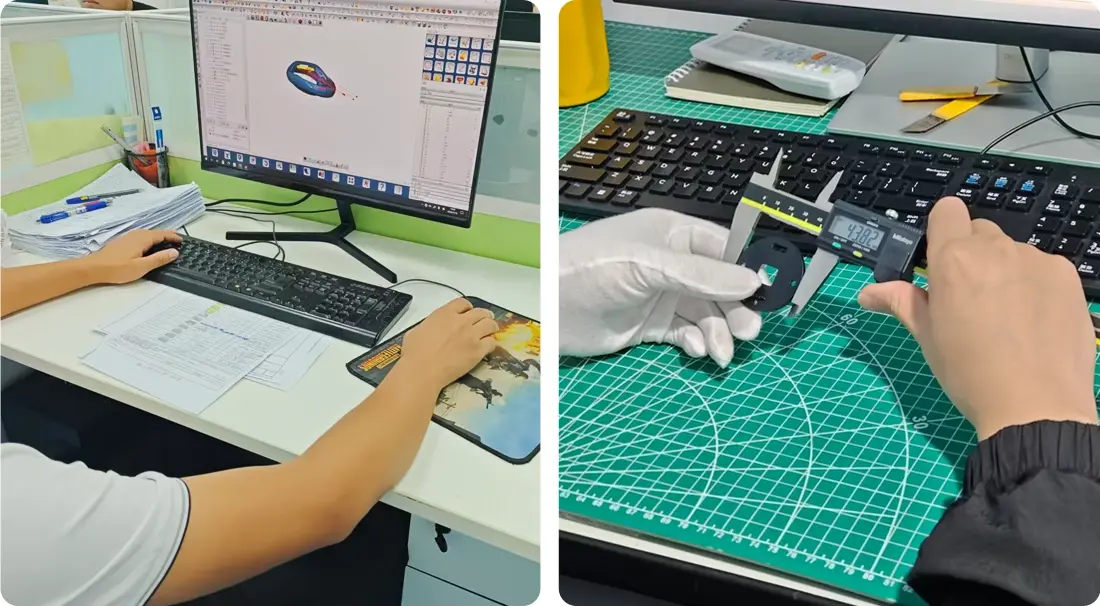
All parts are subject to thorough inspection. CMM equipment checks GD&T tolerances for complex geometries. Surface roughness testing assures the quality of the finish and PMI verifies the material composition is as per mill test certificates. For critical applications we do non-destructive testing like ultrasonic inspection and dye penetrant examination.
Your DFM analysis is performed early in the development process. Our engineering team will review design features, recommend tolerance optimisation and manufacturing process sequences to minimise cost, while retaining functionality.
FAQ
Q: What titanium grades do you support machining?
A: We mainly machine Grade 2 (commercially pure titanium) and Grade 5 (Ti-6Al-4V). Grade 2 is the best for corrosion resistance with medium strength. Ideal for chemical processing and maritime applications. Grade 5 is significantly stronger and harder—with a tensile strength exceeding 895 MPa—and is the standard for aerospace structural components and medical implants that must withstand high stress. We can also source Grade 9 (Ti-3Al-2.5V) and other specific alloys as per your requirements.
Q: Is it difficult to process titanium compared to other metals?
A: Yes, titanium presents unique machining challenges. Low thermal conductivity results in heat accumulation at the tool-chip interface leading to faster tool wear. The material work-hardening tendency needs uniform cutting parameters. We tackle these issues with specialised tooling, reduced cutting rates (usually 50-70% slower than steel), high-pressure coolant systems and machinists experienced with titanium’s nature. This increases processing time compared to aluminium or steel but the process optimisation of our technology minimises the cost impact.
Q: Do you perform any surface treatments such as anodising on titanium parts?
A: Certainly. Titanium anodising is chemically different than aluminium anodising – it controls the oxide layer thickness to produce interference colours without dyes . Type II anodising creates attractive colours which can be used to identify parts in medical kits. Type III, hard-coat anodising offers improved corrosion resistance and surface hardness. We also provide passivation for a better natural oxide layer, bead blasting for uniform matte finishes and a variety of coating treatments to your specifications.
Q: How do you avoid part distortion while machining?
A: Titanium has a relatively low modulus of elasticity and therefore tends to flex under cutting forces. We use innovative fixturing with large contact surfaces to stabilise the workpiece without creating stress to avoid deformation. Deflection is minimised via optimisation of cutting depth and multi-pass methods. Material spring-back characteristics in tool path programming. In the case of thin-wall or complex geometries we can add stress-relief methods or sequential machining operations to preserve dimensional precision.
Q: What type of quality documentation do you supply with titanium parts?
A: Documentation includes dimensional inspection reports with CMM data, material certifications traceable to mill test reports, and surface finish verification. For regulated sectors we provide certificates of compliance, material test reports conforming to EN 10204 3.1, heat lot traceability and process certifications. NDT results (Ultrasonic testing, Dye penetrant examination) available on request. All documentation fulfils your quality assurance criteria and regulatory compliance obligations.
Start Your Titanium Machining Project Today
Ready to transform your design into Titanium Machining Parts? Contact our engineering team at contact@boenrapid.com for project evaluation, DFM analysis, and competitive quotations.