Applications of Precision Machined Parts in Different Industries
Precision-machined components touch nearly every sector of modern manufacturing. From semiconductor wafer-handling equipment to surgical robotics, precision CNC parts are the physical backbone that turns engineering drawings into working systems. At BOEN Rapid, we produce high-tolerance CNC machined components—holding dimensional tolerances as tight as ±0.01 mm—for demanding applications across aerospace, medical devices, industrial automation, and research instrumentation. This article walks through where these parts are used, why the manufacturing method matters, and how to procure them efficiently.
What Precision CNC Machined Parts Actually Are
Before looking at how precision CNC machined parts are used in industry, it's helpful to know what makes them different from normal machined parts. The difference isn't just marketing speak; it's a real difference in how well the process is controlled, how thoroughly the materials are inspected, and how easily they can be tracked.
Subtractive Manufacturing with Tight Process Control
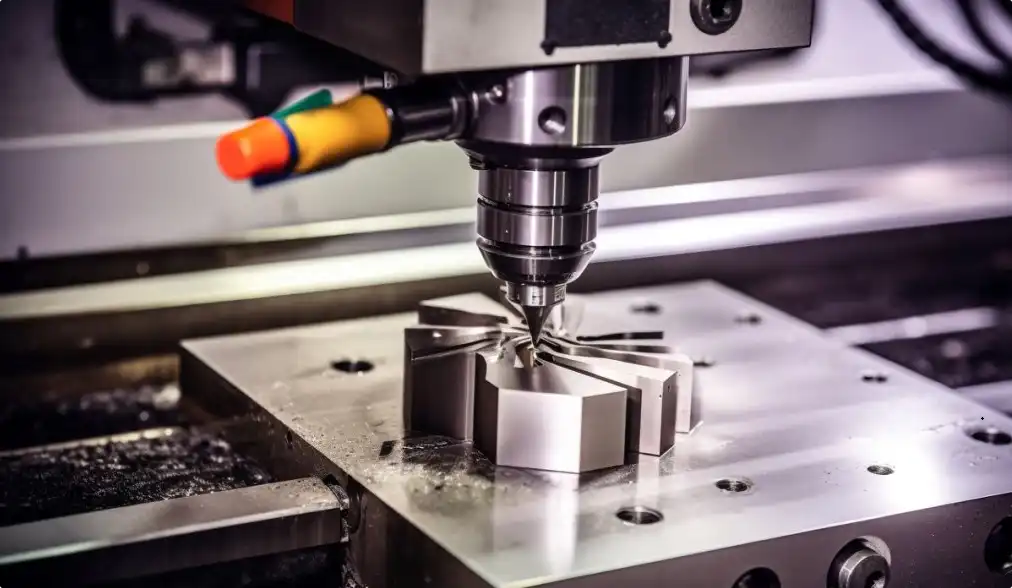
Using automatic multi-axis equipment, precision CNC milling takes away material from solid billets. Every tool path is handled by software instead of being done by hand. This means that limits are the same for the whole batch, not just the first part.
Material Range and Certified Traceability
The materials that engineers choose from are composites, aluminum alloys (6061-6T6 and 7075-T6), copper alloys, industrial plastics, and stainless steel. There is a mill certificate for every piece of material that comes in, and finished parts are sent out with full inspection reports and a Certificate of Conformance (COC).
Surface Finish as a Functional Requirement
In high-performance settings, surface cleaning is not just for looks. Anodizing (Type II and Type III), nickel/chrome plating, polishing to Ra ≤ 0.4 µm, and sandblasting all do different jobs, such as making the surface compatible with vacuums or resistant to being sterilized. Picking the right finish is an important part of engineering and is not something that is done after the fact.
Major Industries That Depend on Precision CNC Machined Components
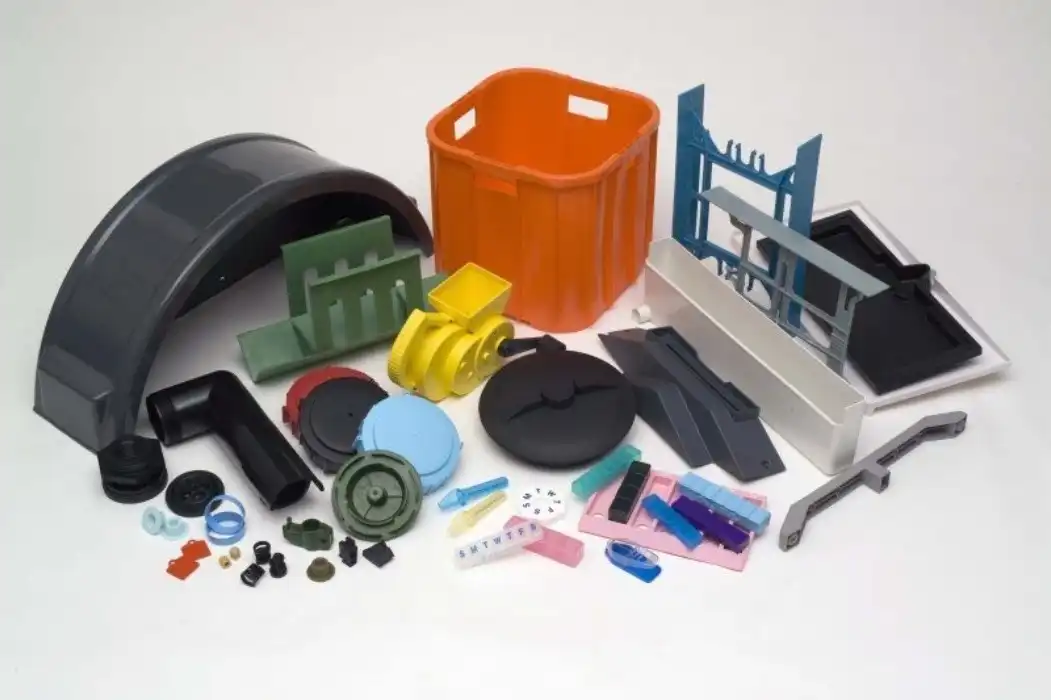
Most procurement teams don't realize at first how many industries can use precision CNC-machined parts. This is where tight-tolerance precision CNC parts directly improve operations.
Semiconductor Equipment Manufacturing
Front-end and back-end semiconductor equipment needs parts that are almost completely free of contamination risk. Vacuum chamber bodies, wafer-handling supports, and plasma-process contacts need materials that don't give off a lot of gas and don't leave oil on their surfaces. SEMI says that the world market for semiconductor equipment will be worth more than $100 billion in 2023. This shows how capital-intensive this industry is and why every made part needs to work right the first time.
Aerospace and Defense Structures
Al 7075-T651 is used to make avionics housings, hydraulic manifolds, and structural brackets that can withstand high G-forces and thermal cycling while staying light. The rules for documentation are set by the AS9100 and ISO 9001 quality frameworks. Verifying dimensions with a CMM and authenticating materials with XRF spectrometry are standard procedures, not extras that aren't needed.
Medical Devices and Diagnostic Equipment
Biocompatible materials that can be tracked according to ISO 13485 are needed for parts of MRI scanners, surgical robotic arms, and housings for inserted devices. Hard anodizing can stand up to multiple sterilization processes, and surface roughness values below 0.8 µm make it less likely for germs to stick to the surface. The FDA's Quality System Regulation (21 CFR Part 820) and ISO 13485:2016 both have tight rules about paperwork that our production records are set up to meet.
Research Instrumentation and Laboratory Equipment
Custom vacuum flanges, precision test tools, and optical bench mounts are often bought in groups of one to twenty by university labs and national research organizations. Technically, these orders are hard, but there aren't many of them. They are turned down by most professional machine shops. Because our scheduling method makes prototype haste the most important factor, BOEN Rapid can handle both small-batch and single-piece orders.
Industrial Automation and Robotics
Parts for collaborative robot end-effectors, servo motor mounts, and conveyor alignment fixtures need to be light and stable in size even when they are under dynamic loads. Hard anodized areas on aluminum metal parts make them resistant to corrosion and less likely to stick together. Because production line downtime costs a lot, repeatability across batches is important here.
How CNC Machining Compares to Alternative Production Methods
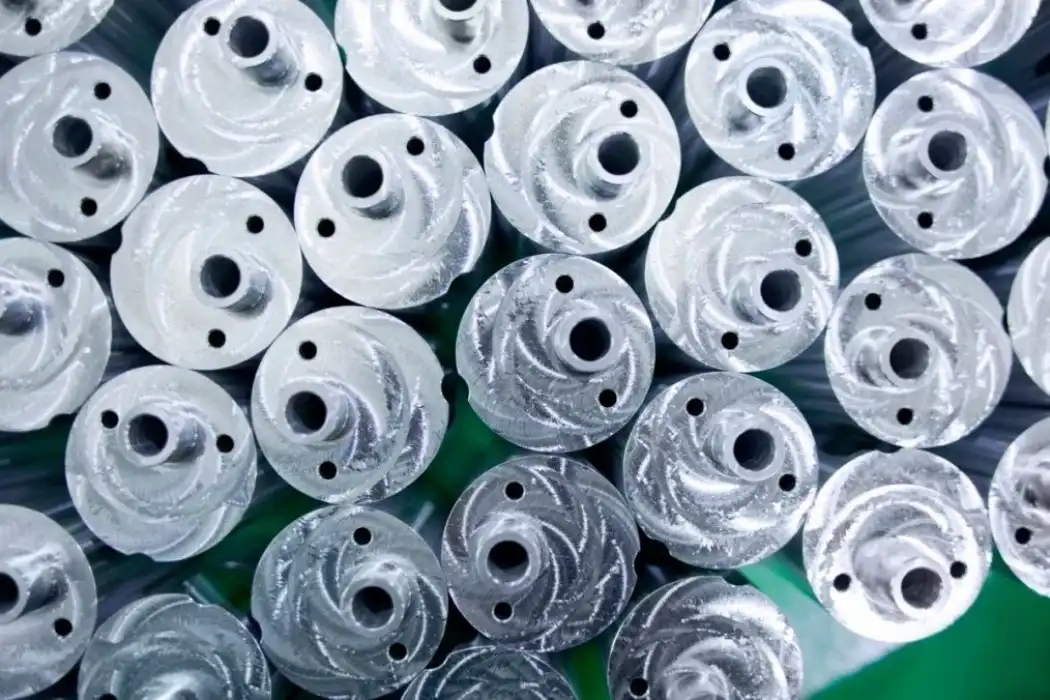
Before deciding to use CNC cutting, engineers sometimes think about 3D printing or investment casting. It's important to be clear about the similarities.
CNC Machining vs. Metal 3D Printing
Metal additive manufacturing makes forms that are very close to net shapes, but the internal porosity and uneven mechanical properties make structural use unpredictable. CNC machining starts with certified billet stock whose properties are already known. It then achieves consistent Ra surface values that additive processes can't match without a lot of extra work.
CNC Machining vs. Die Casting
Die casting is good for making a lot of things, but it costs a lot to make the tools and takes eight to sixteen weeks to get them. CNC cutting doesn't charge for tools at all and can make first articles in three to fifteen working days for sample testing and low-volume runs of five to one hundred precision CNC parts.
CNC Machining vs. Standard Shop Machining
The normal range for shop margins is between ±0.05 mm and ±0.10 mm. Standard shop work is not allowed when ±0.01 mm or less is needed for optical alignment, vacuum sealing, or assembly gaps. To keep precise tolerances, shops need to spend a lot of money on tools, train their workers well, and set up checking systems. This creates a real gap in their abilities that counts in real life.
Procurement Guidance for B2B Buyers
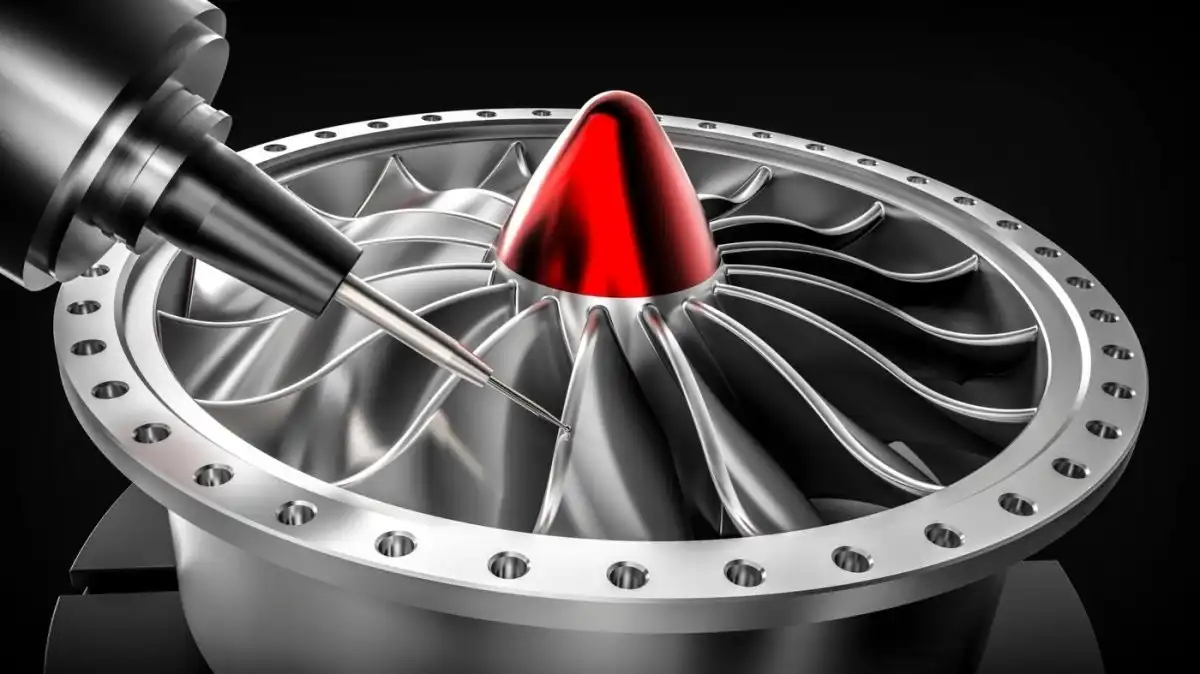
Finding made parts with tight tolerances follows a set pattern. Knowing what to do at each step cuts down on mistakes, speeds up the process, and leads to better business results.
Here is a useful procurement checklist that engineers at companies that make semiconductors and medical devices use:
- Submit complete drawings with GD&T callouts — Ambiguous tolerances produce inconsistent quotes and parts that pass inspection but fail assembly.
- Specify material grade and condition — "Aluminum" is not a specification. "6061-T6 per ASTM B209" is.
- Request DFM feedback within 24–48 hours — A supplier that reviews your drawing and identifies manufacturability risks before quoting is saving you prototype iterations.
- Ask for the inspection plan upfront — CMM report, surface roughness data, and material certificate should be listed as deliverables in the purchase order, not requested after delivery.
- Confirm vacuum or cleanliness requirements explicitly — If the part enters a vacuum system or cleanroom, specify the cleaning protocol and packaging requirements in writing.
When you regularly follow this checklist, the back-and-forth that slows down efficient lead times goes down. At BOEN Rapid, a well-defined RFQ usually gets a full quote within 24 hours.
Conclusion
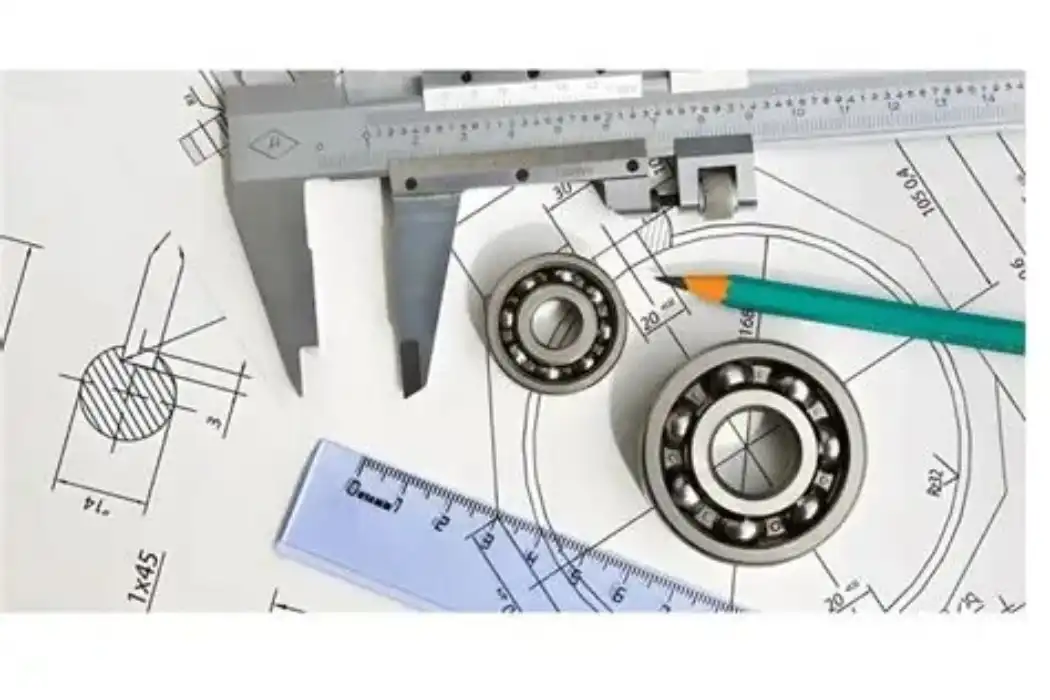
Acquiring precision-machined CNC parts is not like buying any other item. Tolerances, material approvals, and surface specs on them tell you if a system will work or not. Precision CNC parts that match the model, arrive on time, and come with paperwork that can stand up to an audit are needed in all of these fields: semiconductor equipment, aircraft, medical devices, research instruments, and industrial automation. BOEN Rapid has been helping these industries for more than fifteen years, and our ISO 9001 and ISO 13485-certified processes are set up to meet these standards for both prototypes and small-scale production runs.
FAQ
1. What materials are available for precision CNC machined components?
We machine stainless steel, aluminum alloys (6061-T6, 7075-T6), copper alloys, titanium, engineering plastics (PEEK, Delrin), and composite materials. Every material batch arrives with a mill certificate confirming chemical composition and mechanical properties.
2. How tight a tolerance can BOEN Rapid hold?
Standard production tolerance is ±0.01 mm. Tighter tolerances are achievable on specific features with prior engineering review. We verify critical dimensions using a calibrated CMM and deliver the measurement report with the parts.
3. Does anodizing affect final dimensions?
Yes. Type II anodizing adds approximately 5–10 µm per surface; Type III hardcoat adds 30–50 µm. We machine raw parts undersized to compensate, so finished dimensions meet the drawing after coating.
4. What is the minimum order quantity?
We accept single-piece orders for prototypes and R&D applications. There is no imposed minimum quantity—order size is determined by your project, not our preference.
5. How long does a typical order take?
Prototype parts typically ship within 3–15 working days. Low-volume production batches (5–100 pieces) typically complete within 2–4 weeks, depending on geometry and material availability.
Get a Quote from BOEN Rapid — Precision CNC Parts Supplier for Demanding Applications
BOEN Rapid offers precision CNC parts that are approved by ISO 9001 and ISO 13485. These parts have tolerances of up to ±0.01 mm, come with full inspection documents, and prototype lead times that start at 3 working days. Our engineering team looks over your drawings and gets back to you with DFM feedback within 24 hours, whether you are testing a new design for a semiconductor tool or looking for production parts for a medical device program. Feel free to email your RFQ to contact@boenrapid.com to begin a chat.
References
1. SEMI. SEMI Annual Silicon Shipment Statistics. SEMI Industry Research & Statistics, 2023.
2. International Organization for Standardization. ISO 13485:2016 — Medical Devices: Quality Management Systems. ISO, 2016.
3. American Society of Mechanical Engineers. ASME Y14.5-2018: Dimensioning and Tolerancing. ASME, 2018.
4. Todd, R. H., Allen, D. K., & Alting, L. Manufacturing Processes Reference Guide. Industrial Press, 1994.
5. Kalpakjian, S., & Schmid, S. R. Manufacturing Engineering and Technology, 7th ed. Pearson, 2014.
6. U.S. Food and Drug Administration. Quality System Regulation: 21 CFR Part 820. FDA, 2023.