CNC Machining for the Automotive Industry: Precision Turned Parts in Use
Precision CNC turning parts are at the heart of modern automotive manufacturing. From hydraulic valve bodies to sensor housings and drivetrain shafts, these rotational components must hold tight tolerances and perform reliably under continuous mechanical stress. At BOEN Rapid, we produce turned components with tolerances to ±0.005mm across diameters from Ø3 mm to Ø300 mm, supporting OEM suppliers and Tier 1 manufacturers who depend on consistent quality, short lead times, and verified dimensional accuracy for every production run.
Understanding Precision CNC Turning Parts in Automotive Applications
What Makes CNC Turning Different From Other Machining Methods
The workpiece spins very quickly in CNC turning while a fixed cutting tool cuts away material along a path that has been programmed. This method is designed to work with cylinders and rotational shapes, like shafts, bushings, pins, fittings, and threaded connectors. Turning is faster and cheaper per part than multi-axis milling for making round, symmetrical parts without losing accuracy in the dimensions.
Why Automotive Parts Demand This Level of Accuracy
Parts of cars are put through repeated changes in temperature, shaking, and pressure. A shaft that is 0.03 mm off-center can make bearing wear happen faster. When there is shaking, a threaded connection with an uneven pitch can come loose. There is no room for error when it comes to the sizes of turned parts used in engine systems, transmission units, and hydraulic circuits.
How Computer-Controlled Lathes Raise the Standard
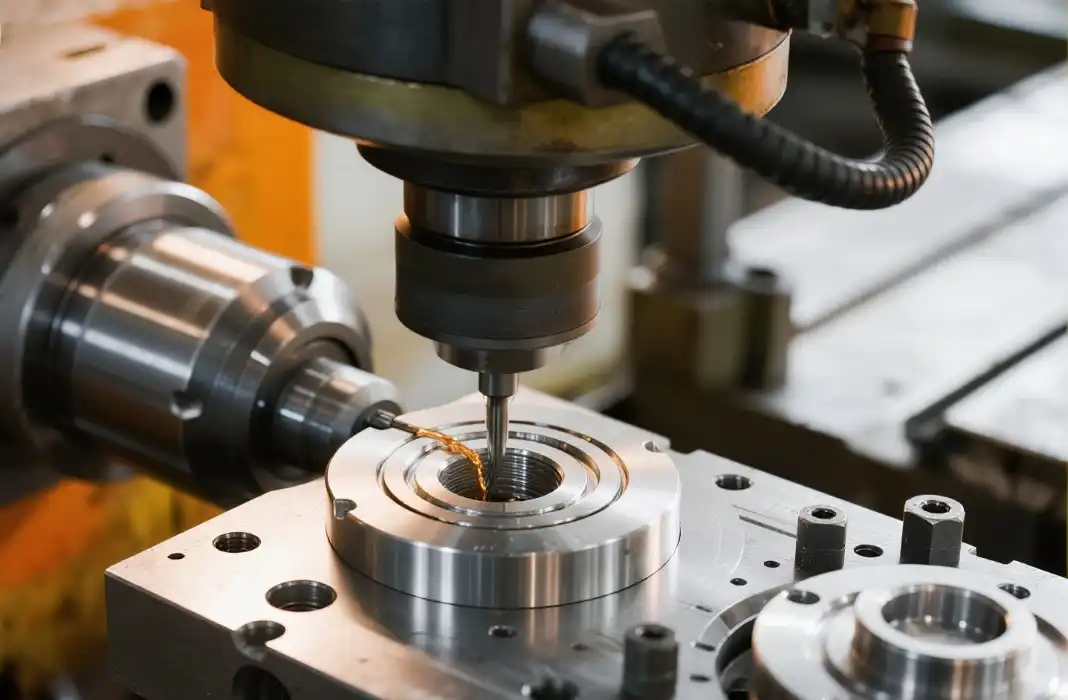
Today's CNC lathes can follow toolpaths with accuracy of less than one micron. Every pass uses the same programmed coordinates, so there is no room for error that comes with doing things by hand. The Society of Manufacturing Engineers says that CNC-controlled turning cuts dimensional variation by as much as 60% compared to traditional machine work. This means that fewer parts have to be discarded, and the cost of repair is lower on the factory floor.
Advantages of Precision CNC Turning Over Conventional Methods in Automotive Production
Consistency Across the Full Production Run
When turning by hand, the first few pieces are fine, but differences show up in larger batches. Parts 1 and 10,000 of a CNC turn have the same error. Batch-to-batch consistency cuts down on the time needed for incoming inspection and keeps lines from stopping because of precision CNC turning parts that don't meet specifications for automotive OEM suppliers with quarterly supply agreements.
CAD/CAM Integration Reduces Engineering Errors
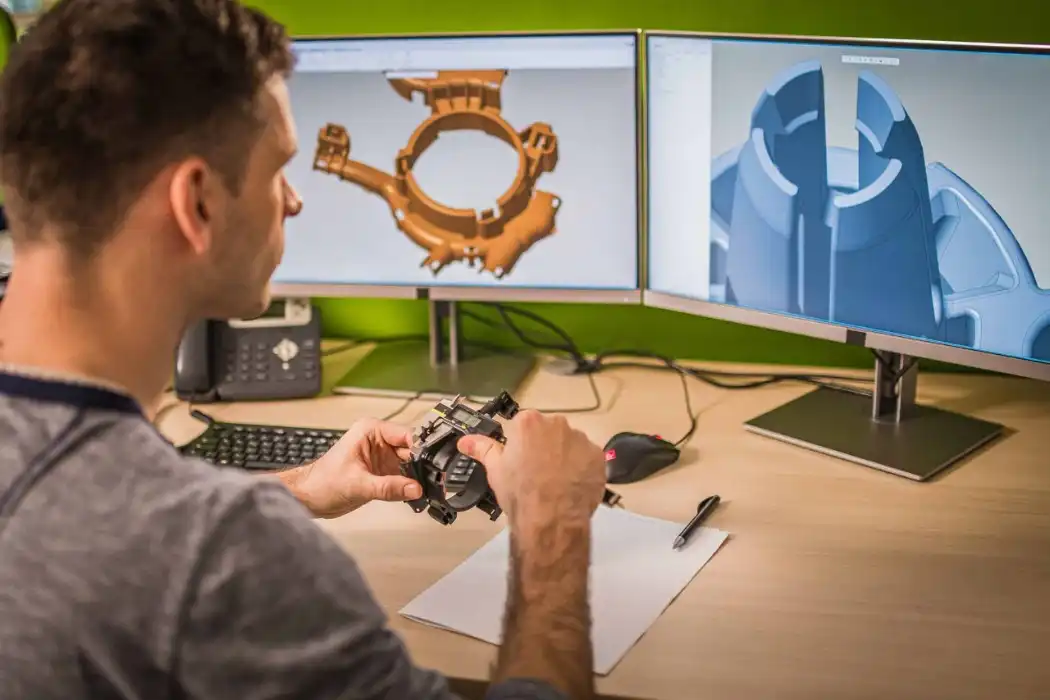
If the CAD and CAM programs are directly linked, the part design is sent to the machine without having to be entered again by hand. When the version of a drawing changes, the cutting program automatically updates. This gets rid of the confusion about drawing management that procurement managers often have when they are working with multiple suppliers. This is a pain point that leads to expensive rework when old revisions get to the shop floor.
Surface Finish Quality That Meets Automotive Standards
CNC turning usually gets a surface finish of Ra 0.8μm on useful surfaces, and it's possible to clean sealing faces and bearing journals down to Ra 0.4μm. This level of finish is important for keeping fluid seals uniform and preventing premature wear in automotive hydraulic and pneumatic parts. When done by hand, this finish is rarely achieved consistently across large production numbers.
Selecting the Right Precision CNC Turning Supplier for Automotive Industry Needs
There's more to picking a source for turned car parts than just looking at prices. It has a direct effect on the quality of the parts, the consistency of the supply chain, and your own product responsibility. In real life, these are the things that matter the most:
- Tolerance capability: Confirm the supplier holds standard ±0.02mm and high-precision ±0.005mm tolerances, not just stated minimums. Request first-article inspection reports from comparable parts.
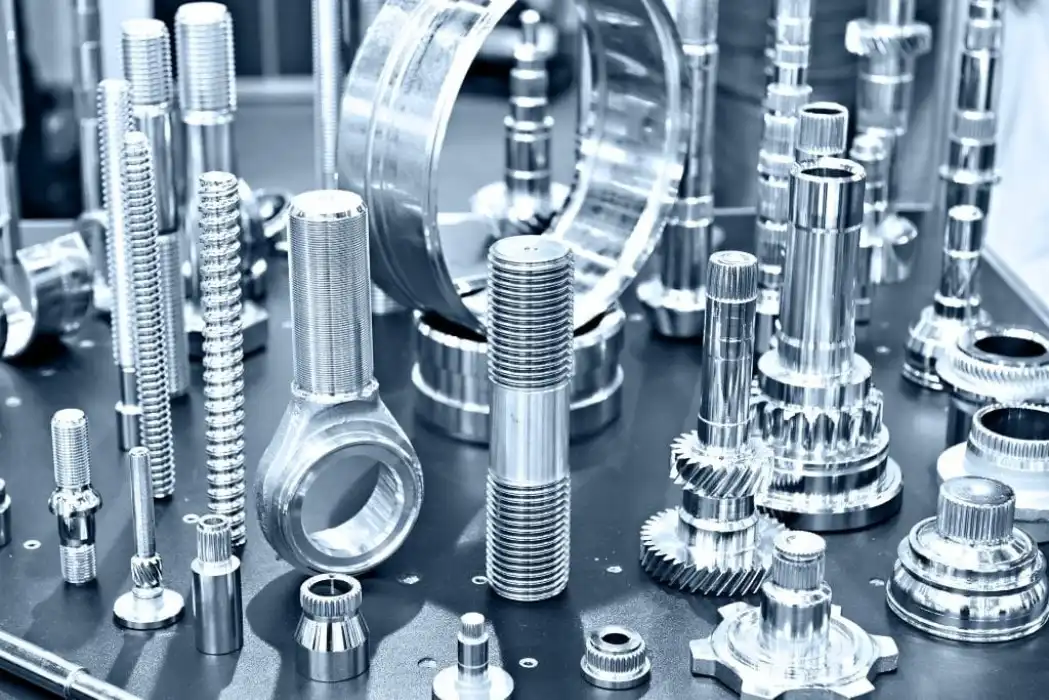
- Thread standard coverage: Automotive and hydraulic assemblies use metric M2–M100, UNC, and UNF threads. A supplier without full threading capability forces you to secondary-source components, adding lead time and cost.
- Material certification and traceability: Automotive-grade steel, aluminum 6061/7075, and stainless steel 304/316 must come with verified material certificates. Full traceability protects you during quality audits.
- Production flexibility: Your needs shift from 50-piece prototype runs to 5,000-piece production batches. Your supplier must accommodate both without changing processes or quoting lead times that derail your schedule.
- Quality management certification: ISO 9001 certification confirms documented process control. For medical-adjacent or safety-critical parts, ISO 13485 adds another layer of system reliability.
All of these factors together show whether a seller can be a long-term business partner or just a one-time vendor. BOEN Rapid has been making products for more than 15 years and has facilities that are ISO 9001 and ISO 13485 certified. It meets all five standards.
Common Applications of Precision CNC Turning Parts in the Automotive Industry
Engine and Powertrain Components
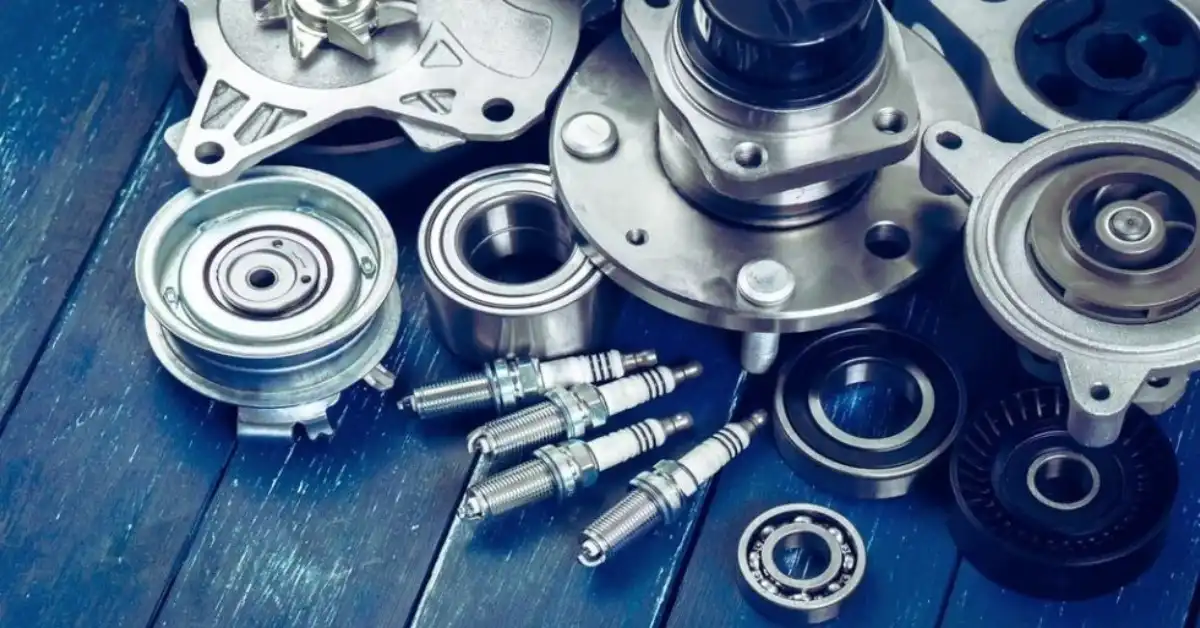
For fuel injector bodies, camshaft journals, and valve guide bushings, the concentricity must be within ±0.005mm, and the surface must be finished in a way that doesn't wear down after hundreds of thousands of cycles. CNC turning makes these precision CNC turning parts in a way that makes them repeatable, which is important for making engines.
Transmission and Drivetrain Parts
Different horizontal and torsional loads are put on the gear selection pins, coupler shafts, and bearing spacers. Shift quality, drivetrain noise, and service life are all directly affected by how well these parts are made in terms of their dimensions. In this area of use, it is necessary to have tight bore limits and controlled surface roughness.
Hydraulic and Pneumatic System Components
CNC turning is commonly used to make hydraulic fittings, valve spools, and pneumatic connector bodies. For these parts to work, the threads must connect properly, the bore sizes must be exact, and the internal surfaces must be smooth. BOEN Rapid makes hydraulic and pneumatic turned parts for customers in both the automotive and industrial equipment industries. We use both metric and unified thread standards for the whole diameter range.
Technical Considerations and Industry Standards for Automotive Precision CNC Turning
Dimensional Tolerances and Applicable Standards
As a general rule, automotive turned parts are sized to ISO 2768 general tolerances. Tighter callouts are set by ASME B89 and customer-specific drawing requirements. BOEN Rapid machines to standard tolerances of ±0.02mm and high-precision tolerances of ±0.005mm. Every first piece is checked by a CMM, and spots are checked all the way through production runs.
Material Selection and Heat Treatment
Different types of automotive-grade materials are used for different tasks. Drivetrain parts can be made of steel with high tensile strength, such as 4140 and 4340. Non-structural housings can be made lighter with aluminum 6061-T6. The acidic conditions in fuel and hydraulic systems are no problem for stainless steel 304/316. Case hardening, anodizing for aluminum, and passivation for stainless steel are all types of heat treatment that protect surfaces from the heat and chemicals that are typical in engine bays.
Multi-Axis Turning Centers and Live Tooling
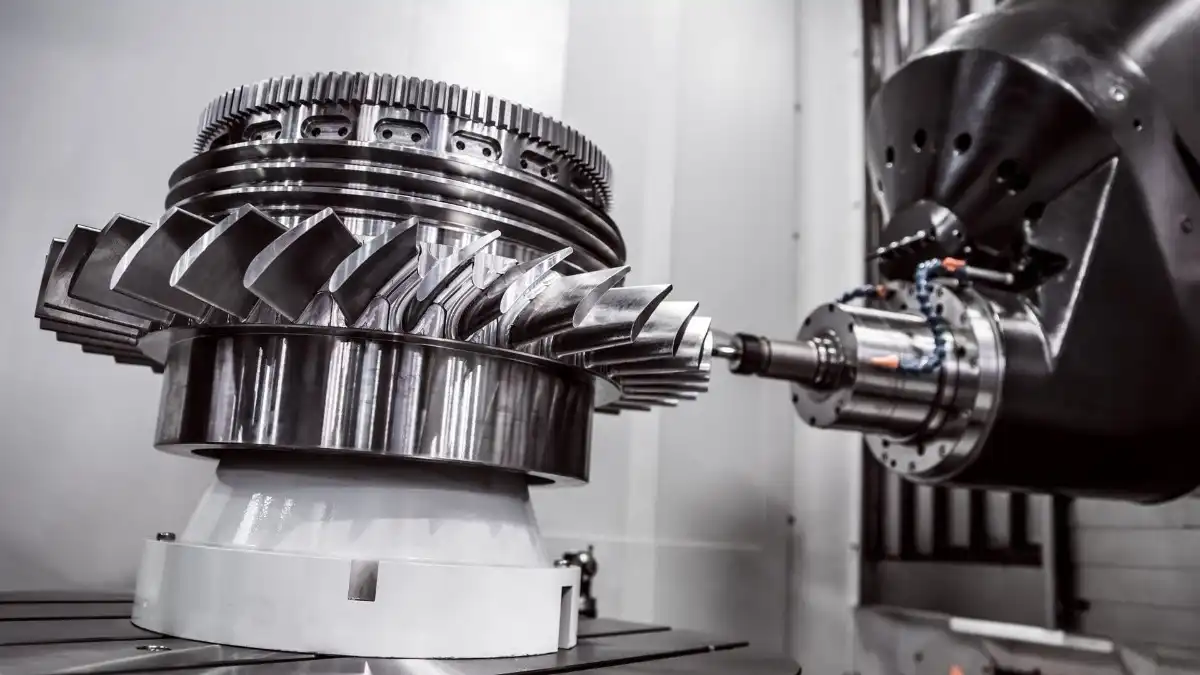
Milling, drilling, and threading can all be done at the same time on advanced turning centers with live tools. This cuts down on the number of mistakes made when moving and changing fixtures that happen over many processes. Single-setup machining improves both accuracy and throughput for complicated auto parts that have cross-drilled ports or features that are not on the axis.
Conclusion
For making circular precision CNC turning parts that are needed in car systems, CNC turning is still one of the fastest and most accurate ways to do it. The quality of turned parts has a direct impact on how well a vehicle works and how reliable its service is. This includes engine valve bushings, hydraulic fittings, and drivetrain shafts. Parts that work in real-life production settings come from suppliers whose tolerances have been checked, whose materials have been confirmed, and whose quality control has been documented. No matter if you need five prototypes or 10,000 production units, BOEN Rapid can help. They have been turning things precisely for 15 years.
FAQ
1. What lead times should I expect for automotive CNC turned parts?
Prototype turned components typically ship within 3–7 working days from drawing approval. Small-batch production of 10–500 pieces generally completes within 7–15 working days depending on material availability and feature complexity. Production volumes of 1,000–10,000 pieces follow a 2–4 week timeline. Rush scheduling is available for time-sensitive programs.
2. Can you machine both metric and inch thread standards?
Yes. BOEN Rapid covers metric threads from M2 to M100, plus UNC and UNF unified thread forms, and custom pitch threads. This range supports both domestic US automotive standards and international OEM specifications without requiring secondary thread operations.
3. How do you verify thread quality and dimensional conformance?
We use calibrated Go/No-Go thread gauges on every batch. Critical dimensions are verified by CMM, and surface finish is measured by profilometer. First-article inspection reports, material certificates, and photographic documentation ship with each order. Customers receive complete documentation for incoming quality inspection.
4. What is the minimum order quantity for custom turned parts?
We accept prototype orders from a single piece and production orders starting at 10 units. This flexibility supports both new product development cycles and stable supply agreements without forcing unnecessary inventory buildup.
5. Do you support annual framework supply agreements?
Yes. We work with customers on quarterly release schedules and annual framework agreements for recurring part numbers. This structure stabilizes pricing, secures production capacity, and shortens order-to-ship time on repeat batches.
Get Your Automotive Turned Parts Quoted by BOEN Rapid
Precision CNC turning parts are made by BOEN Rapid, which is trusted by OEM providers in the gearbox, hydraulics, and automobile industries. Send in your pictures today, and DFM will get back to you within 24 hours. Our production team is ISO 9001 certified and can machine to a tolerance of ±0.005mm. They can do threading on M2–M100 and UNC/UNF, and they can ship prototypes around the world in 3–7 days. Please email us at contact@boenrapid.com to get a price and start your first article program.
References
1. Society of Manufacturing Engineers — Tool and Manufacturing Engineers Handbook, 4th Edition, 1983.
2. American Society of Mechanical Engineers — ASME B89.1.5: Measurement of Plain External Diameters for Use as Master Discs or Cylinder Gauges, 2017.
3. International Organization for Standardization — ISO 2768-1: General Tolerances for Linear and Angular Dimensions, 1989.
4. International Organization for Standardization — ISO 9001: Quality Management Systems — Requirements, 2015.
5. SAE International — SAE J1086: Numbering Metals and Alloys, revised 1995.
6. Manufacturing Engineering Magazine — "Advances in CNC Turning for Automotive Component Production," Society of Manufacturing Engineers, 2021.