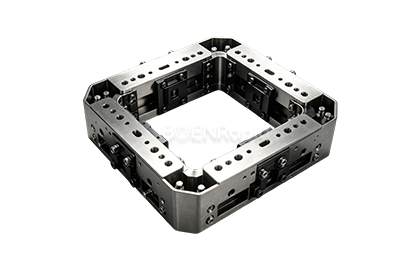
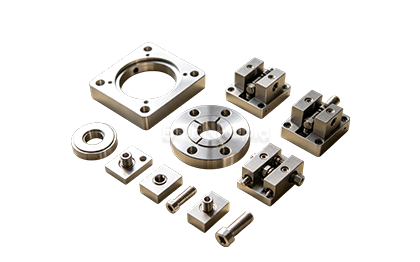
3-Axis Machining Parts: Benefits, Materials, and Common Applications
3-axis machining parts are precision components produced by CNC milling machines that move along three linear axes—X, Y, and Z—to remove material from a solid block. This subtractive process delivers tight dimensional control, making it one of the most widely adopted methods for producing custom metal and plastic components. Whether you need brackets, fixtures, housings, or prototype parts, 3-axis CNC machining offers a reliable, cost-effective path from drawing to finished component—without the tooling investment that casting or injection molding demands.
Understanding 3-Axis Machining Parts
How 3-Axis CNC Machining Works
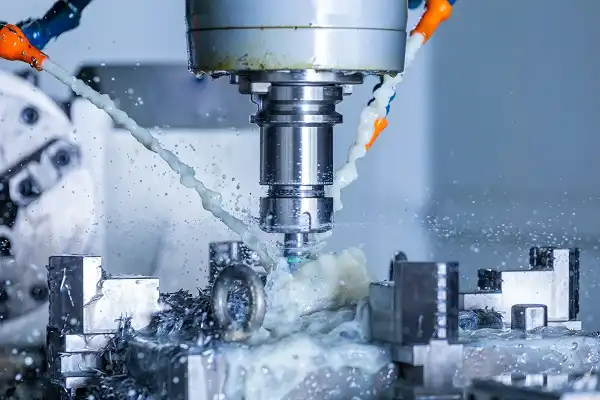
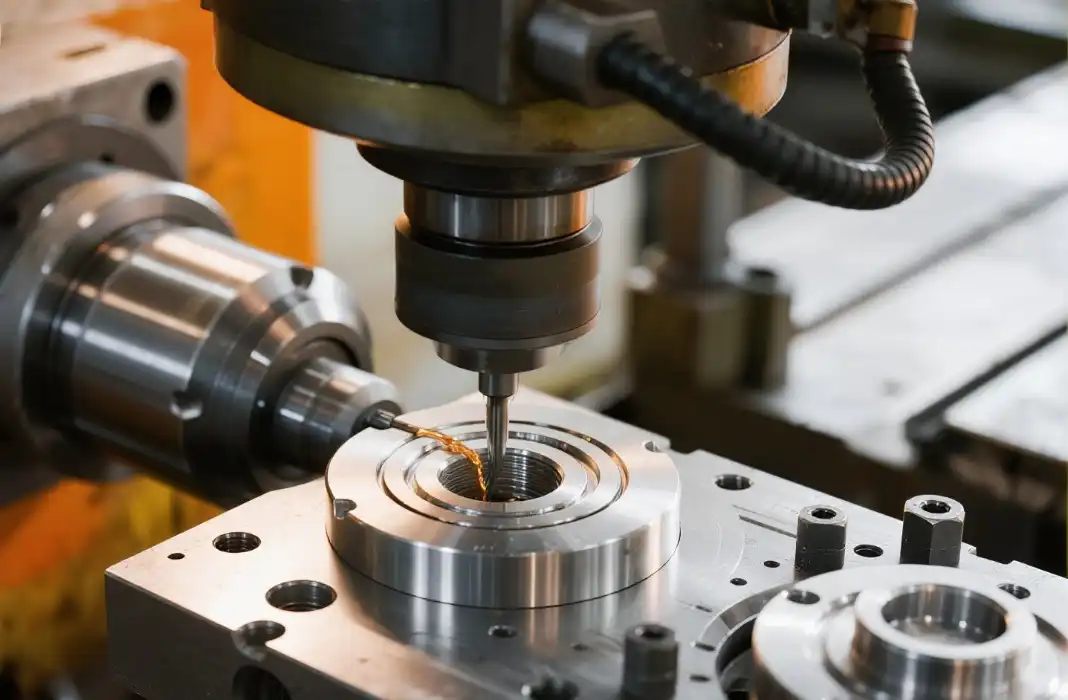
In a 3-axis CNC machine, the workpiece ( or the cutting tool) travels in three separate directions at the same time. The spindle rotates at programmed speeds. Milling, drilling, and contouring operations are performed correctly and repeatably using programmed toolpaths. The level of automation eliminates the variations that occur with manual machining and guarantees the identical form for each product in a batch.
3-Axis vs. Multi-Axis Machining
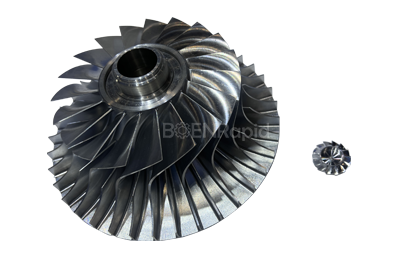
Five-axis machines contain two additional rotating axes which allow them to manufacture undercuts and complex geometries at the same time. Three-axis machining, however, can handle most industrial component forms — slots, pockets, hole patterns, flat sides and basic curves — and do it significantly cheaper. When buyers need to balance part complexity with affordability, 3-axis machining is the ideal choice for standard and non-standard parts.
3-Axis Machining vs. Other Manufacturing Methods
CNC machining does not require hard tools like casting or injection molding; therefore, it is ideal for runs from 1 to 1,000 pieces. Machined products have a superior surface finish, tighter tolerances, and full density of material compared to 3D printed parts. These things have everything to do with the fit and longevity of fixtures, jigs, and automation mounting gear.
Key Benefits of 3-Axis Machining Parts
Three-axis CNC machining always provides the three features that engineers and procurement teams care most about: precise measurements, quick production, and the option to employ a range of materials. These are the key features making it the ideal approach to produce non-standard components.
- Tight Tolerances: 3-axis machining can regularly achieve tolerances from ±0.01 mm to ±0.05 mm on most features. Our BOEN Rapid facilities can handle tolerances up to ±0.005 mm so that you may use your parts immediately in precise assemblies without the need for rectification after machining.
- No Tooling Cost: 3-axis machining parts run straight from CAD data, unlike molding or casting. There is no mold cost, no minimum commitment, and no penalty for design modifications mid-project – which is especially handy during prototype validation cycles.
- Fast Production Turnaround: Lean scheduling & CNC automation mean prototype parts are available in 3-15 working days. Small-batch manufacturing runs ship in 2-4 weeks, keeping your assembly schedule on target.
- Wide Material Compatibility: One machining center can machine aluminum alloys, stainless steel, titanium, brass, and engineering plastics, such as PEEK, Delrin, and Nylon, without switching the basic process.
Extremely narrow limits: The 3-axis machining process generally tolerates ±0.01 mm to ±0.05 mm for regular features. With the BOEN Rapid facilities, we can achieve tolerances up to ± 0.005 mm, so your parts are ready to go straight into precision assemblies with no fixing after production.
Materials Commonly Used for 3-Axis Machining Parts
The choice of material influences the part's function, how easily it can be machined, and the total cost. Getting the correct material right from the start saves you from having to redo work or over-engineer anything. The most popular alternatives are in the following table:
Aluminum 6061/7075 is strong, lightweight, and easy to machine, and is used for structural brackets and housings. Stainless Steel 303/316 is resistant to corrosion and strong and is used for fixtures and parts that handle fluids. Titanium Grade 5 is biocompatible, has a high strength-to-weight ratio, and is used in aerospace and medical parts. Brass is electrically conductive and easy to machine and is used for connectors and fittings. PEEK, Delrin, and nylon are chemically resistant, have low friction, and are used for jigs, guides, and wear parts.
| Material | Key Properties | Typical Applications |
|---|---|---|
| Aluminum 6061 / 7075 | Lightweight, good machinability | Structural brackets, housings |
| Stainless Steel 303 / 316 | Corrosion resistance, strength | Fixtures, fluid handling parts |
| Titanium Grade 5 | High strength-to-weight, biocompatible | Aerospace, medical components |
| Brass | Electrical conductivity, easy to machine | Connectors, fittings |
| PEEK / Delrin / Nylon | Chemical resistance, low friction | Jigs, guides, wear components |
Metals: Aluminum and Steel Alloys
Aluminum alloys, especially 6061 and 7075, are the metals that are made the most because they are easy to work with and don't weigh much. Parts that are exposed to liquids or the outdoors can be made of stainless steel types 303 and 316, which don't rust. You can get approved grades of both groups of materials that meet ANSI, DIN, and JIS standards.
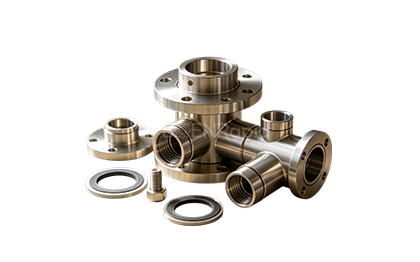
Specialty Metals: Titanium and Brass
Titanium Grade 5 (Ti-6Al-4V) has a tensile strength of more than 895 MPa and a density of about 60% that of steel. This makes it useful for structural uses in aerospace and medicine. Brass is a popular material for connections and decorative fittings because it is easy to work with and reliably conducts electricity.
Engineering Plastics
When lightness, chemical protection, or electrical insulation are needed, PEEK, Delrin (POM), and Nylon are the usual materials to choose. For low-friction guide parts in automation equipment, PTFE and POM work well. Our engineering team gives you DFM feedback to make sure that the material you choose meets both your performance goals and the efficiency of your work.
Typical Applications of 3-Axis Machining Parts
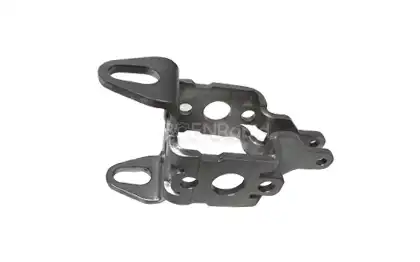
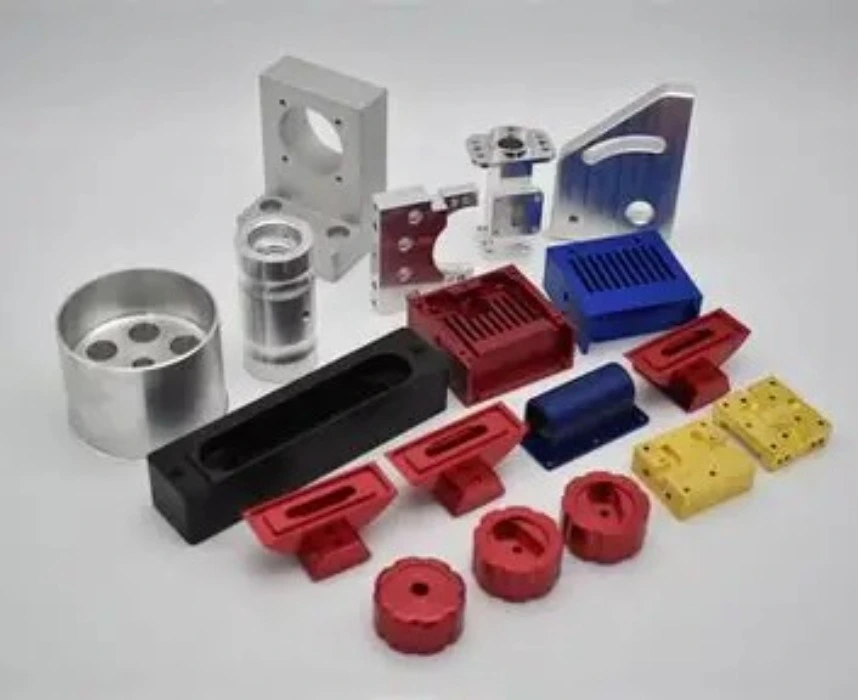
Precision CNC-cut parts are used in a lot of different businesses, which shows how flexible this process is. 3-axis machining is often used to make 3-Axis machining parts by jig-and-fixture shops and robotics integrators.
Industrial Fixtures and Automation Hardware
One of the most popular uses is for mounting plates, clamping blocks, and finding tools for automation lines that aren't standard. It's important that the dimensions stay the same from one order to the next; even small changes in the position of holes can slow down the assembly process.
Automotive and Robotics Components
CNC milling makes it possible for parts like engine brackets, sensor housings, robotic arm joints, and actuator bodies to have very tight tolerances and last a long time. To meet service life goals, these parts often need to be anodized or have their surfaces treated.
Medical Devices and Aerospace Assemblies
Under ISO 13485 quality standards, BOEN Rapid uses biocompatible materials to make surgical tool parts, diagnostic device housings, and hardware that goes next to implants. The same steps are used to check the sizes of aerospace structure parts made of aluminum and titanium.
Design tip: To cut down on cycle time and cutting risk, keep the wall width above 0.8 mm and avoid deep, narrow pockets. Standard hole standards (H7/h6) can be reached without any special tools, which means that the cost of each part is always known.
Procurement Considerations for 3-Axis Machined Parts
When business-to-business buyers compare CNC machining suppliers, they always look at three things: certification, lead time, and total landed cost.
Evaluating Supplier Qualifications
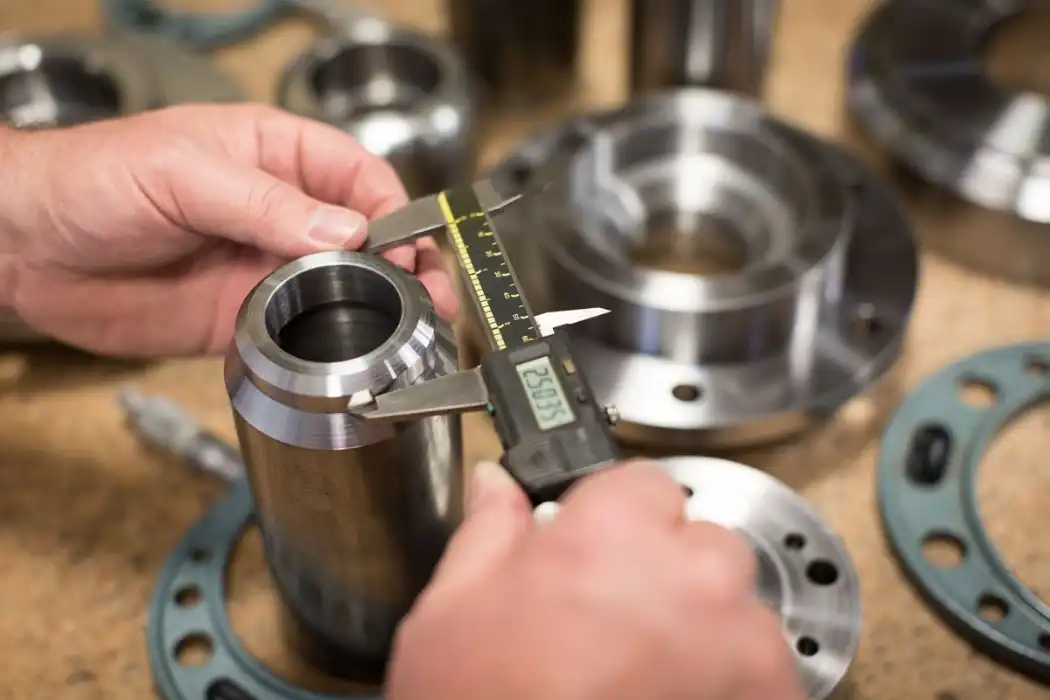
For medical-related uses, ISO 13485 is needed, while ISO 9001 approval proves that the process is consistent. Ask sources for material certificates, CMM measurement data, and reports on the sizes that were checked. These papers lower the risk and help your company's quality approval process.
Understanding Pricing and Order Quantity
The cost of 3-axis machined parts depends on the material, the cycle time, the setup cost, and the level of finishing needed. Due to amortized setup, the cost per unit goes down as the batch size goes up. CNC cutting usually has a lower total cost than casting for numbers between 10 and 500 units because you don't have to buy any tools.
Logistics and Global Shipping
Reliable arrival depends on how well the package is packed and which service is chosen. BOEN Rapid ships with full tracking through DHL, UPS, and FedEx, and the protective packaging is made to fit the shape of the part. Lead times for prototypes of 3 to 15 days give procurement teams enough time to check the parts before they are put together.
Conclusion
Custom metal and plastic parts can still be made most efficiently with 3-Axis machining, whether they are one-off samples or batches of 1,000 pieces. Because it is accurate in size, can be made from a variety of materials, and can be made quickly, it works especially well for custom automation hardware, fittings, and functional samples. The procurement and engineering teams can find 3-Axis machining parts that work reliably and arrive on time if they know about the different materials that can be used, the tolerance requirements, and the qualifications of the suppliers.
FAQ
1. What tolerances can 3-axis machining achieve?
The accuracy of standard 3-axis machining is ±0.01 mm to ±0.05 mm for most parts.
2. Is 3-axis machining suitable for complex geometries?
It includes pockets, slots, hole patterns, and curved surfaces, which are the most common shapes of industrial parts. For parts that need undercuts or compound angles, you might need 5-axis machining or other operations.
3. What is the minimum order quantity?
There is no hard and fast rule. We can make prototypes from a single piece all the way up to batches of 1,000 or more units, and our prices are set to reflect that.
4. How do I get a quote?
You can email your CAD file to contact@boenrapid.com or upload it to boenrapid.com. Within 24 hours, our team looks over the design specs, material needs, and standards.
5. What surface finishes are available?
We can anodize, powder coat, bead blast, shine, and electroplate your items to meet your needs for both function and style.
Request a Quote for Precision 3-Axis Machining Parts from BOEN Rapid
Fast and accurate 3-Axis machining parts are made by BOEN Rapid for non-standard robotics, tools, and prototypes. We are a 3-Axis machining parts manufacturer that is ISO 9001 and ISO 13485 certified. We have over 15 years of experience with CNC production and can help with projects ranging from 1 prototype to small batches. You can upload your drawings and email our engineering team at contact@boenrapid.com to get a quick evaluation of your project within 24 hours.
References
1. Kalpakjian, S., & Schmid, S. R. Manufacturing Engineering and Technology. Pearson Education, 2014.
2. Todd, R. H., Allen, D. K., & Alting, L. Manufacturing Processes Reference Guide. Industrial Press, 1994.
3. Boothroyd, G., Dewhurst, P., & Knight, W. A. Product Design for Manufacture and Assembly. CRC Press, 2011.
4. American Society of Mechanical Engineers. ASME Y14.5: Dimensioning and Tolerancing. ASME, 2018.
5. Groover, M. P. Fundamentals of Modern Manufacturing: Materials, Processes, and Systems. Wiley, 2020.
6. Society of Manufacturing Engineers. Tool and Manufacturing Engineers Handbook: Machining. SME, 1983.