How High Precision Metal Components Are Made for Demanding Applications
High precision metal components are parts manufactured to exceptionally tight dimensional tolerances — often ±0.005mm or better — with surface finishes reaching Ra 0.4μm. Unlike standard machined parts, they require advanced multi-axis CNC machining, EDM, grinding, and rigorous inspection protocols. These components serve regulated industries where dimensional failure is not an option: medical devices, semiconductor equipment, aerospace structures, and robotic systems. At BOEN Rapid, we engineer these parts with full material traceability, ISO 9001 and ISO 13485 certified processes, and CMM-verified quality documentation that supports your compliance and audit requirements.
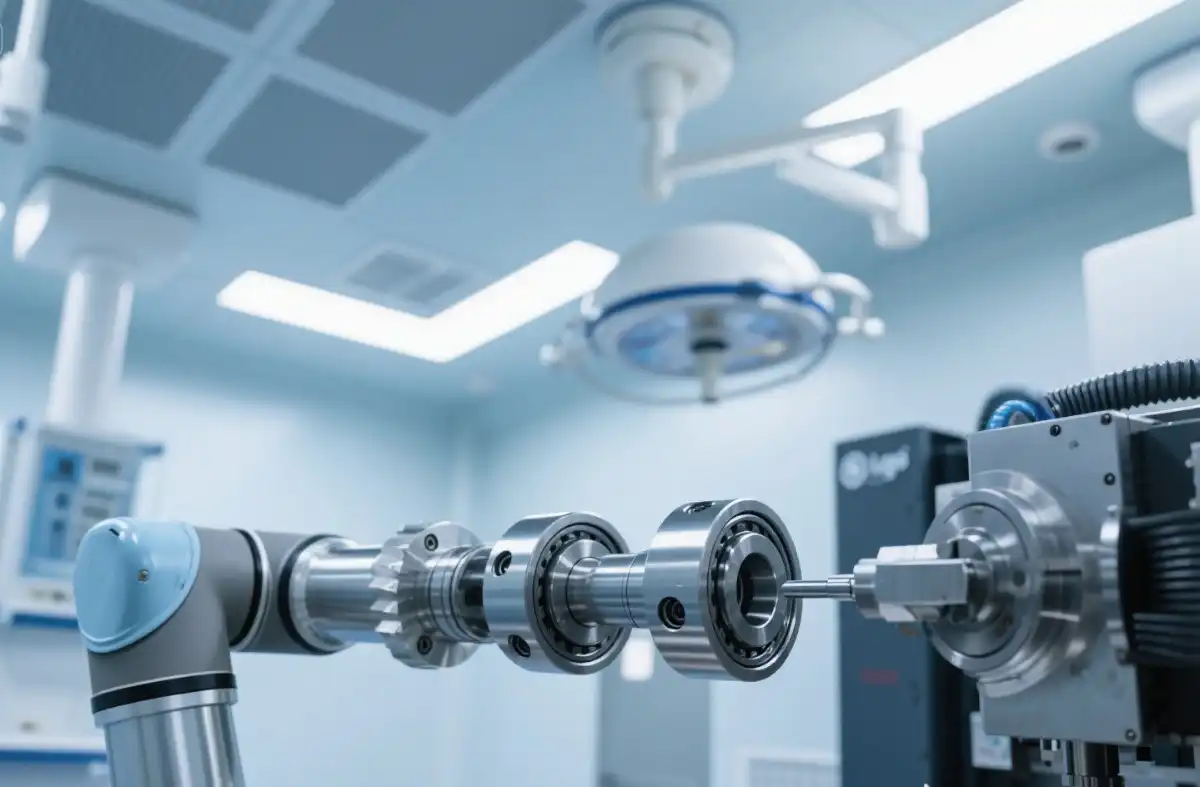
Understanding High Precision Metal Components
Not every piece of metal is precision-grade. Tight-tolerance parts are different from regular hardware because they have accurate measurements, a good surface, and materials that aren't damaged. All of these things are checked by a written review.
What Defines a Precision Metal Component
Tolerances on a precision component are too tight for standard machining to reliably reach. Tolerances of ±0.005mm to ±0.02mm are common in industries that have to follow rules. A surface finish of 0.4µm is common for medical tools and parts of semiconductor chambers. These rules are in place because even small changes in dimensions can have an effect on how a device works, how fluids move through it, or how well it fits together mechanically.
Common Types Across Industries
There are several types of precision metal parts, including structural housings that are CNC-machined, shafts and bushings that are turned, mold inserts that are EDM-cut, and flat parts that are ground. In medical settings, machined implant cases and tool handles work best. Aluminum and stainless steel chambers that can handle vacuum are used in semiconductor equipment. Precision gears, sensor brackets, and actuator mounts are used in robotic assemblies. All of these parts need to have the same geometry from one production batch to the next.
Material Selection and Its Impact
The act is directly related to the choice of material. Titanium Grade 5 (Ti-6Al-4V) is strong for its weight and is used in spacecraft and medical implants. Surgical tools and parts that come into contact with fluids are made of stainless steel 316L, which doesn't rust. Aluminum 7075 is strong enough to be machined and can be used to make frames for robots. Brass and copper are used in industrial equipment to conduct heat and electricity. By choosing the right metal during the planning phase, you can avoid having to do expensive repairs later on.
The Manufacturing Process of High Precision Metal Components
To make tight-tolerance metal parts, you need to follow a controlled, multi-step process, not just run a CNC program. The dimensions are affected by every step, from checking the raw materials to the final review.
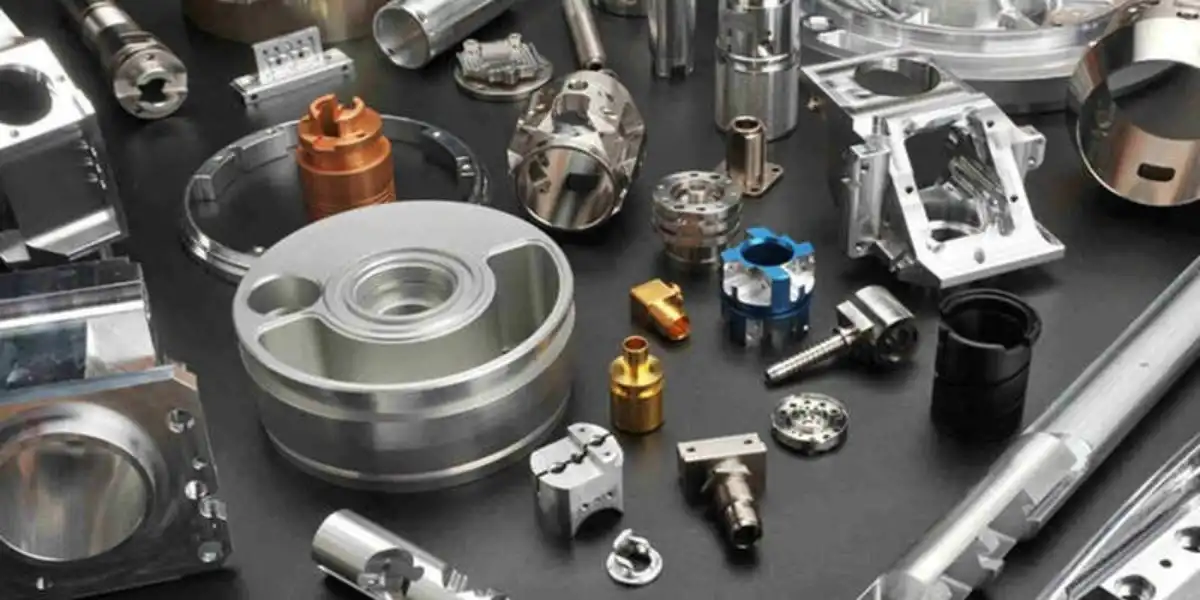
CNC Machining as the Primary Method
Tight-tolerance part production is based on multi-axis CNC cutting and turning. Five-axis machining centers can handle complicated shapes with fewer setups, which lowers the overall mistake rate. At BOEN Rapid, our CNC machines always keep tolerances of ±0.005mm, whether they are making titanium structural parts for aircraft systems or aluminum sensor housings.
EDM, Grinding, and Surface Finishing
For features like deep holes, sharp internal corners, or solid steel inserts that CNC can't do by itself, wire EDM and sinker EDM can do them with accuracy down to the micron level. Flat reference surfaces can be made with high precision metal component surface cutting. Polishing and bead blasting are ways to get the surface finish to the right level. You can't skip these extra steps; they have to be done for parts that need Ra 0.4μm finishes on important contact surfaces.
Quality Inspection and Certification
At BOEN Rapid, every part goes through a series of inspections. First, the material certificates are checked, then the dimensions are recorded during the manufacturing process, and finally, CMM systems, optical comparators, and surface roughness testers are used for the final inspection. Formal inspection reports keep track of all measurements. We offer material traceability documents and FAI (First Article Inspection) reports that meet the requirements of ISO 13485 and ISO 9001 for customers in the semiconductor and medical industries.
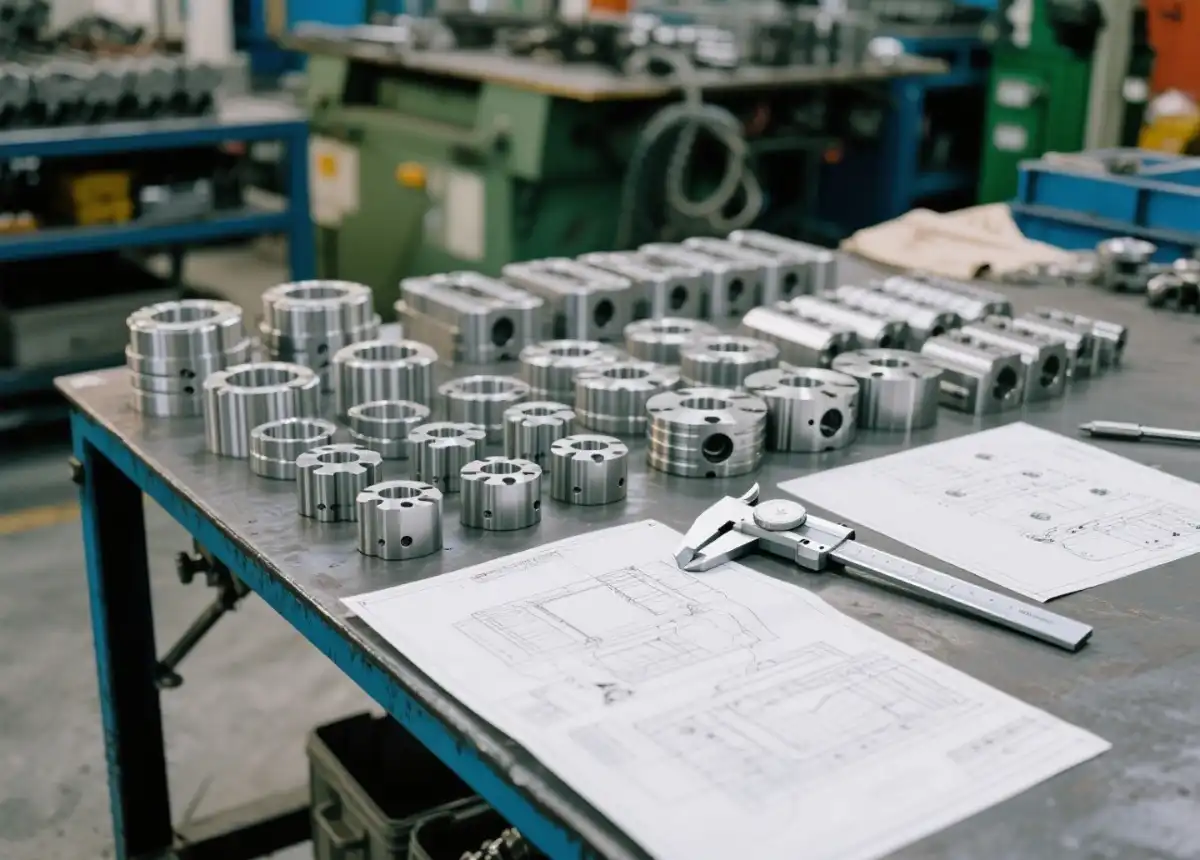
Comparing High Precision Metal Components with Alternatives
Purchasing engineers often check to see if the extra cost of tighter precision and metal building is really worth it compared to cheaper options. The answer depends on how important the application is.
Precision Metal vs. Standard Metal Parts
Standard machined parts usually have tolerances of ±0.1mm or more, which is fine for structural uses that aren't very important. ±0.1mm is not good enough when a surgical tool needs to fit a certain trocar channel or a semiconductor valve seat needs to seal against vacuum. When it comes to regulated products, the tighter the tolerance, the more predictable the fit of the assembly, which means fewer failures in the field and warranty claims.
Metal vs. Engineering Plastic Components
Engineering plastics like Ultem and PEEK work well in situations with low loads and a concern for weight. But metal is better than plastics at withstanding heat, lasting longer, and keeping its shape when it's loaded. Surgical parts made of stainless steel, for example, have to be able to withstand being sterilized over and over in an autoclave at 134°C, which breaks down most plastics. When used in high-cycle mechanical assemblies or places that are thermally stressed, metal parts last longer.
CNC Machined vs. Cast Metal Components
Die casting is a cheap way to make a lot of parts that are close to the net shape, but it can't match CNC cutting for surface finish or accuracy in size. Porosity risk is also added by casting, which is a big problem for vacuum-rated semiconductor chambers or medical housings that have to hold a lot of pressure. CNC machining is better for low- to medium-volume production runs where part accuracy is more important than part cost at scale because engineers can directly control the dimensions of each part.
Procurement Insights for High Precision Metal Components
Finding low prices isn't the only way to get precision metal parts for businesses that are regulated. Your product's compliance path is directly affected by the supplier's quality system, ability to record, and discussion about the project.
Evaluating Suppliers for Regulated Industries
Check directly for ISO 9001 and ISO 13485 certifications when looking for a supplier of high precision metal components for medical or semiconductor uses. Ask for examples of CMM reports and proof of materials from a recent production. Make sure the supplier can sign an NDA, give you FAI reports, and help with your supplier qualification audit. A company that already works within these frameworks cuts down on the time it takes to get qualified by a lot.
Understanding Lead Times and the Ordering Process
This is how a normal precise component project at BOEN Rapid goes: Signing of the NDA, technical review within 24 hours, DFM comments, FAI first article, small-batch validation, and approval as a provider. Depending on how complicated they are, prototype parts are sent out within 3–15 business days. Low-volume production runs of 10 to 10,000 units are finished in two to four weeks. Setting these dates early on to match your project's major goals will keep you from having to worry about time later on.

Cost Factors and Optimization Strategies
Part cost depends on the type of material used, the difficulty of the shape, the tolerance band, the surface finish standard, and the number of parts ordered. Tighter standards mean that feeds have to be slower, there have to be more checking steps, and there has to be more scrap, all of which affect the price. The engineering team at BOEN Rapid uses DFM analysis to find tolerance limits that can be loosened without affecting function. This cuts down on machining time without lowering performance. Cost savings are usually greatest when DFM is used early on.
Applications and Benefits of High Precision Metal Components
Precision-machined metal parts are used in places where bad measurements can have bad results. The main areas where this way of making things adds real value are listed below:
- Medical devices: Surgical instrument bodies, implantable component housings, and diagnostic equipment structures require ISO 13485-compliant manufacturing with full material traceability. Dimensional accuracy at Ra 0.4μm and below supports both functional performance and regulatory submission documentation.
- Semiconductor equipment: Process chamber bodies, valve seats, and wafer-handling components made from aluminum 6061 or stainless steel 316 must meet vacuum integrity requirements. Surface cleanliness and dimensional repeatability directly affect yield in chip fabrication environments.
- Robotics and automation: Precision gear assemblies, encoder mounts, and actuator housings require consistent dimensional geometry across production batches. Variation in a gear tooth profile or bearing bore translates directly into positioning error in the finished robot.
- Aerospace structures: Brackets, housings, and control system hardware machined from titanium or aluminum 7075 must meet strict weight and strength requirements while surviving thermal cycling and vibration loads.
All of these areas need things that always work the way they're supposed to and have proof to back it up. For these uses, precision production is not an extra quality that is needed; it is a basic condition.
Conclusion
To make metal parts with very tight tolerances, you need to use advanced cutting, thorough checking, and quality systems that are well maintained. When engineers are looking for parts for medical devices, semiconductor equipment, or robotic assemblies, the certification status and documentation skills of the supplier are just as important as the machine tools they use. BOEN Rapid has been making high precision metal components for more than 15 years, is dual ISO certified, and has an organized qualification process made for businesses that are controlled. From the prototype stage to mass production, our team works directly with yours to make sure that you get parts that meet your needs on time and with all the necessary paperwork.
FAQ
1. What materials work best for medical device components?
Stainless Steel 316L and titanium Grade 5 are the most widely specified metals for surgical instruments and implantable device housings. Both offer corrosion resistance and biocompatibility. Aluminum 6061 is used for non-implantable housings and equipment frames. Material selection should account for sterilization method, load conditions, and regulatory biocompatibility requirements for your specific device classification.
2. How long does it take to receive prototype parts?
At BOEN Rapid, prototype parts are typically delivered within 3–15 working days after design approval, depending on complexity and material. Simple turned or milled components in aluminum often ship within 3–5 days. Multi-feature titanium or stainless steel parts with tight tolerances and surface finish requirements typically take 10–15 days. Providing complete drawings and 3D files upfront speeds the review process.
3. Can I order small batches of custom precision components?
Yes. BOEN Rapid supports production runs from 10 units to 10,000 units with the same quality standards applied at every volume. Small-batch production is a standard service, not an exception. This is particularly useful for medical device development programs where design iterations are frequent and large minimum order quantities would create waste and delay.
4. What documentation comes with each order?
Standard documentation includes dimensional inspection reports, material certificates, and surface finish records. For customers in regulated industries, we provide FAI reports, full material traceability chains, and quality records formatted to support ISO 13485 audits. NDA agreements are available before any technical review begins.
Partner With BOEN Rapid for Precision Metal Parts That Meet Your Compliance Requirements
BOEN Rapid makes high precision metal components for customers all over the world who work in medical devices, semiconductors, robots, and aircraft. We give our engineering and quality teams the paperwork they need to confidently move through supplier approval. This includes ISO 9001 and ISO 13485 certifications, CMM-verified inspection reports, FAI support, and NDA protection. To get a technical review within 24 hours, email your drawings to contact@boenrapid.com.
References
1. ASME Y14.5 — Dimensioning and Tolerancing Standard, American Society of Mechanical Engineers, 2018.
2. ISO 13485: Medical Devices — Quality Management Systems, International Organization for Standardization, 2016.
3. Fundamentals of Modern Manufacturing: Materials, Processes, and Systems, Groover, M.P., Wiley, 2019.
4. CNC Machining Handbook: Building, Programming, and Implementation, Sinhoff, A., McGraw-Hill, 2010.
5. Surface Finish and Its Effect on the Fatigue Life of Metallic Components, Journal of Materials Engineering and Performance, ASM International, 2020.
6. Medical Device Manufacturing: Regulatory and Quality Systems Overview, Journal of Validation Technology, IVT Network, 2021.