CNC Milling Machine Parts: Essential Components for Accurate Machining
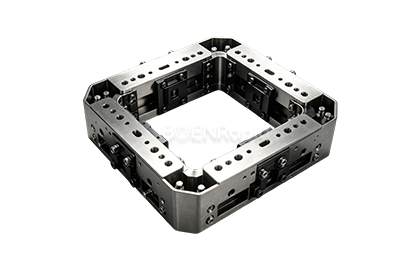
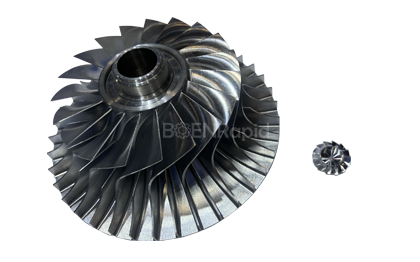
When engineers and procurement managers search for precision machined components, they need more than just a vendor — they need a manufacturing partner who understands tolerances, materials, and deadlines. CNC milling machine parts are precision components produced on computer-controlled milling machines capable of cutting complex geometry: pockets, slots, curved surfaces, and precision holes. These parts form the physical backbone of automation systems, robotic assemblies, and industrial equipment. Getting them right — on spec, on time, and at consistent quality — directly affects how well your end product performs.
Understanding CNC Milling Machine Parts: Components and Functions
The Core Machine Components That Drive Precision
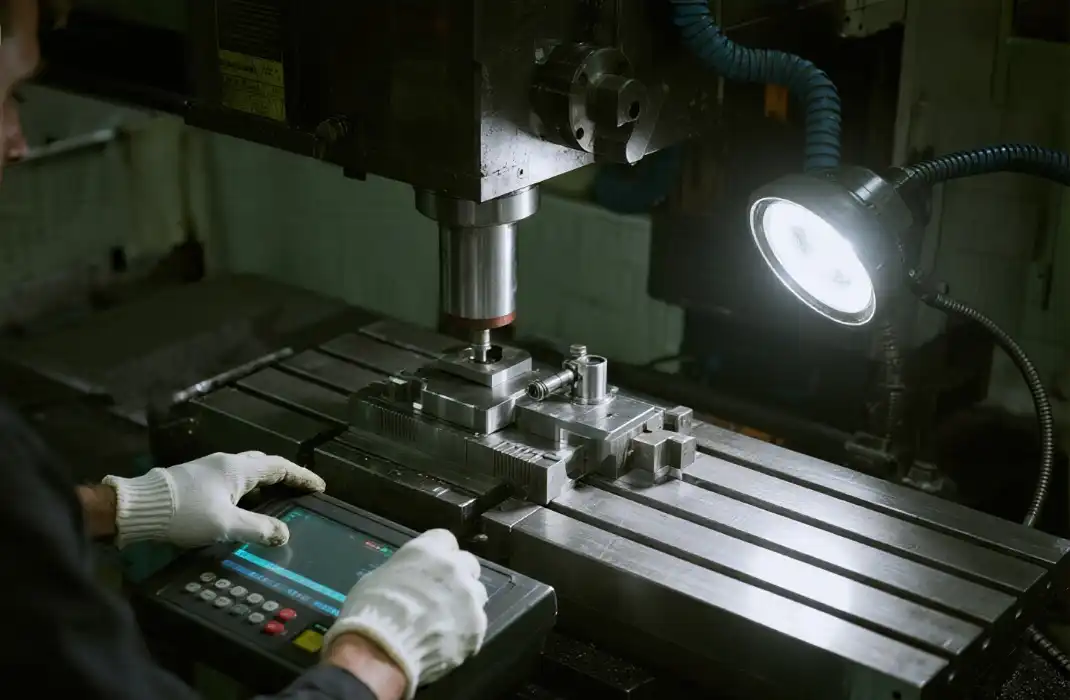
A CNC milling machine is made up of several devices that work together. The cutting tool is held by the spindle, which turns it at controlled speeds. The raw materials are put on the worktable, which moves along the X, Y, and Z directions. Feed drive motors, which are usually servo or stepper motors, turn computer orders into movement. Bearings hold up the spindle and feed screws and keep them in place while absorbing load. Each part has to work according to its specifications; any change in one area has a direct effect on the accuracy of the whole.
Tool Holders, Cutting Tools, and Their Role in Accuracy
They hold the cutting tool in place and connect it to the spindle. If the tool holder doesn't have enough runout, it can cause measurement errors even if the machine is properly adjusted. Cutting tools come in different shapes, coatings, and materials. For example, carbide end mills are used for aluminum, stainless steel needs a special finish, and rough materials need diamond-tipped tools. You have to choose the right tool holder and cutter mix; it affects whether a part meets tolerance or is thrown away.
Material Selection for Milled Structural Components
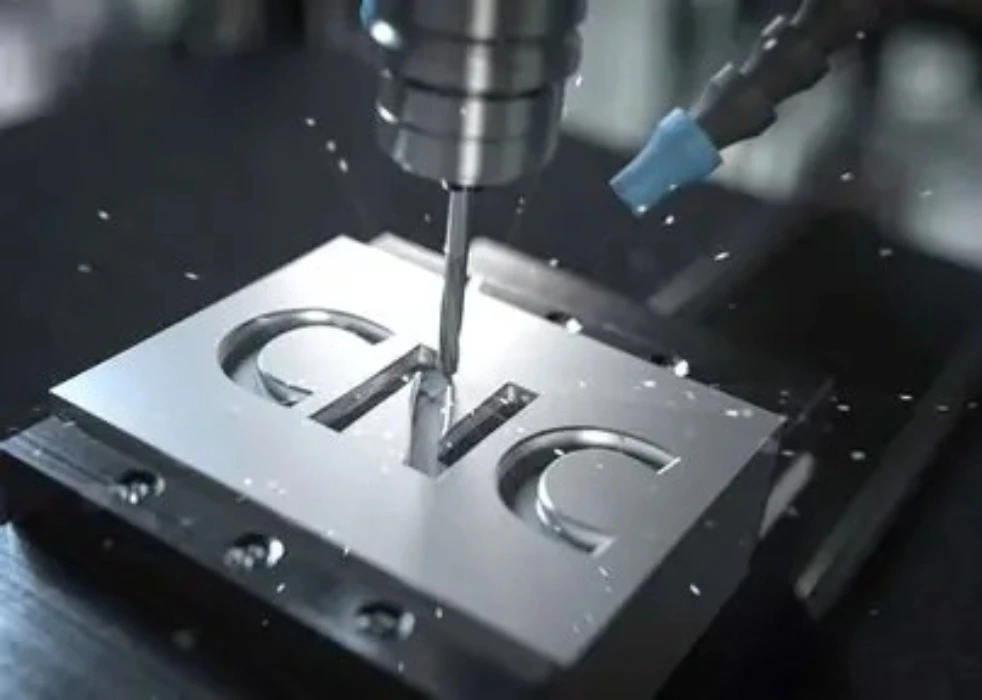
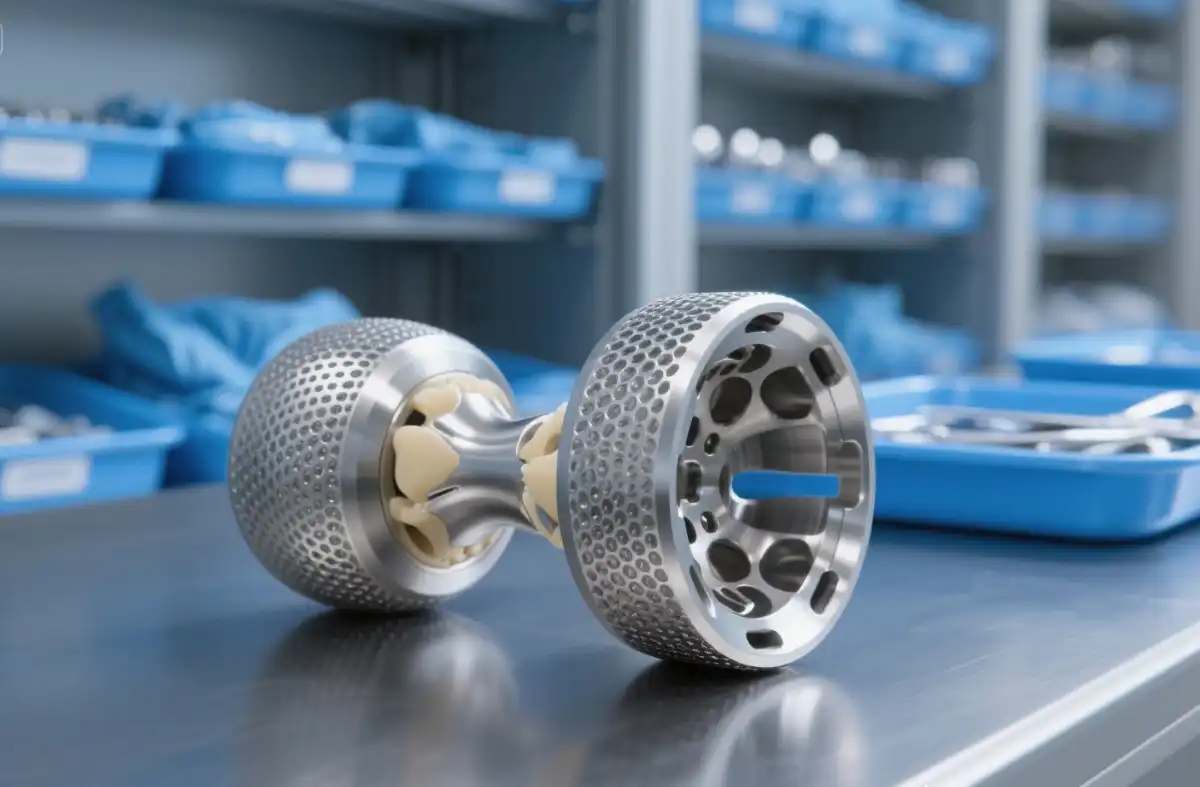
Choice of material has a direct effect on how easy it is to machine, how smooth the surface is, and how well the part works. Because they are strong for their weight and easy to machine, aluminum alloys like 6061 and 7075 are often used for machine frames, mounting plates, and sensor housings. Grades 304 and 316 of stainless steel are resistant to rust and can be used in harsh settings. Titanium is harder to work with, but it is about 40% stronger per unit weight than steel, which makes it a popular choice in medical and aerospace applications. For parts that need to be lighter and more resistant to chemicals, engineering plastics like PEEK and POM are good choices.
Common Issues and Maintenance of CNC Milling Machine Parts
Typical Failures and How to Spot Them Early
One of the most common and expensive problems in CNC milling is spindle wear. Signs include more vibration, noise when cutting, and runout that can be seen when a dial indicator is used to measure it. The signs of bearing wear are similar, and the problem is usually not noticed until the accuracy of the measurements drops. Coolant system blockages make it harder for the tool to stay lubricated and for heat to escape, which shortens its life and damages the surface finish. These problems are caught before they stop output by doing regular checks like sound analysis, thermal imaging, and spindle runout checks.
Scheduled Maintenance Protocols That Actually Work
Maintenance that works follows a written plan instead of fixing problems as they happen. Checking the coolant level, chip removal, and lubrication spots every day is important. Axis backlash, tool holder cleaning, and filter conditions should all be checked once a week. Spindle bearing preload, ball screw state, and servo motor tuning should all be checked every three months. According to internal production data released in a 2022 industry process review, a manufacturing facility in the automation equipment sector reported 34% less unexpected downtime after putting organized preventive maintenance into place across all of its CNC milling machine parts operations.
Extending Part Lifespan Through Proactive Practices
Preventive maintenance not only makes machines last longer, but it also increases the quality window of every part they make. Linear guides and ball screws wear down less when they are oiled on a regular schedule. Tool deflection that leads to dimensional drift can be avoided by changing tools at the right times, which should be based on cut time or material volume rather than the operator's opinion. These methods are common in factories that make structural parts for robotics and automation lines, where it is important that the sizes of each batch are the same.
How to Choose Quality CNC Milling Machine Parts for Your Business
OEM vs. Aftermarket: A Practical Comparison
OEM parts are guaranteed to work with other parts and have a history of good performance. While aftermarket parts are often cheaper, they need to be carefully checked out because not all of them come with traceable material certificates or measurement guarantees. For precise tasks that need tolerances of ±0.005mm, the only choice that makes sense is to buy from certified suppliers who have inspection records that can be shown. The cost savings from an uncertified part are not worth the chance of a robotic arm bracket or sensor housing not having the right dimensions.
Quality Criteria Every Procurement Engineer Should Apply
If you're looking at a seller or a group of parts, the following points can help you make a decision. Each point is a quality factor that has a direct effect on how well the end assembly works.
- Tolerance documentation: Dimension reports that show actual measured values compared to nominal values, not just stamps that say "pass" or "fail."
- Material certificates: For aluminum, stainless steel, or titanium stock, mill certificates can be used to track back to the batch of raw materials.
- Surface finish records: Ra values were measured and written down, not guesses based on appearance.
- Certification compliance: Supplier quality systems that are certified to ISO 9001 or ISO 13485 and have audit records that can be checked.
- DFM feedback capability: Before cutting starts, supplier engineers can find problems with tolerances, risks of thin walls, or access issues.
Using CNC milling machine parts criteria regularly cuts down on qualification time and stops expensive rework cycles.
Aligning Supplier Choice With Production Goals
The list of skills and abilities a seller has should fit the things you need to make. It's not enough to have an affordable unit price for prototypes and small runs, which are common during the creation of new equipment. You also need quick turnaround and engineering responsiveness. For orders that are placed over and over, quality records and consistency are more important than speed. The best deal is with a provider who can handle both steps and the changeovers between them without needing a separate qualification process.
Procurement Strategies: Sourcing CNC Milling Machine Parts Efficiently
Verifying Suppliers Before Committing to Orders
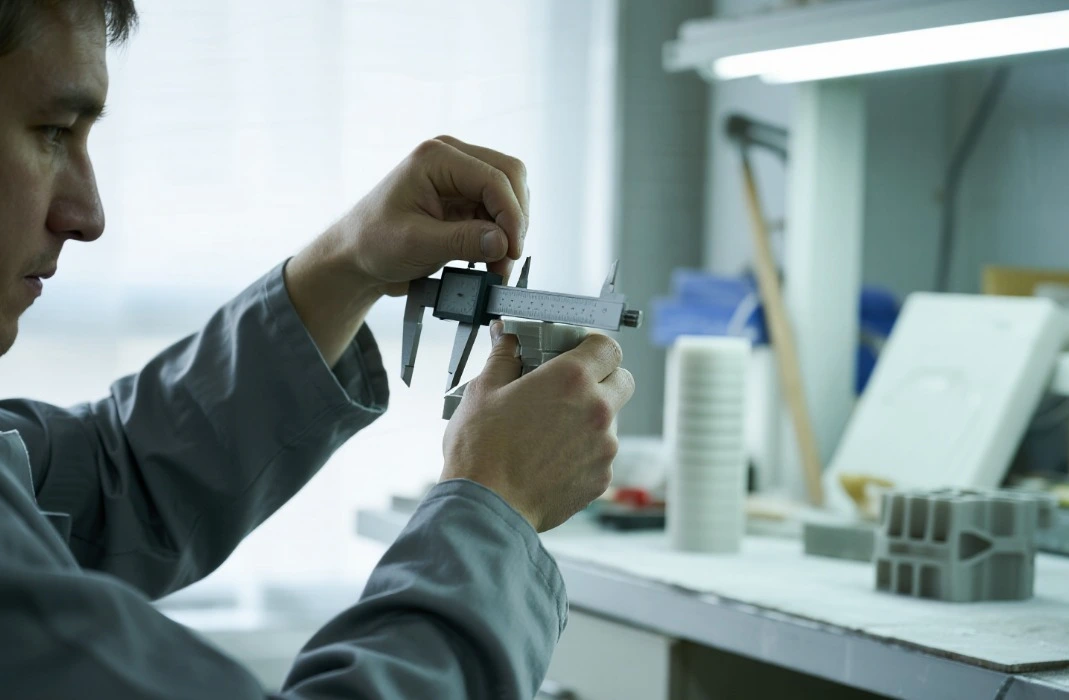
Verifying the supplier is not an extra step that needs to be taken; it is part of managing risk. Ask for certificates of materials, inspection reports from past orders, and references from customers in the same line of work. To figure out how good the tech team is, ask for a DFM review on your first part. It is legal to ask for a factory check, and professional sellers welcome them. An ISO 9001 certification shows that a supplier has a structured quality system, but reading an actual inspection report tells you a lot more about how they actually do their job.
Managing Custom Orders and Engineering Changes
During development, technical changes are often needed for custom-machined structure parts like frames, mounting plates, and actuator housings. If you have a good supplier, they can handle these changes without having to start from scratch with a new quote cycle. Clear control over different versions of a drawing, written confirmations of changes, and an initial response window of 24 hours are all operational rules that help people communicate more clearly. STEP and DXF files with GD&T annotations give the engineering team at the supplier the information they need to find problems before production starts.
Sourcing From China: Reducing Risk, Maintaining Quality
In China, especially in Guangdong and the Yangtze River Delta, precision machining suppliers use modern multi-axis machines and have credentials from around the world. It's not quality that is at risk when you buy from another country; it's how you handle the process. The gap between the buyer and the maker is smaller when suppliers have documented quality systems, full-time engineering contact teams, and foreign logistics partnerships through DHL, UPS, or FedEx. A common mitigation step is to ask for first article inspection reports before approving a large package of CNC milling machine parts.
Enhancing Machining Accuracy Through Upgraded Components
High-Precision Spindles and Tool Holders
Getting better spindles with tighter runout requirements directly improves the accuracy of the dimensions of final parts. When it comes to reducing vibrations, smoothing out surfaces, and making tools last longer, hydraulic tool holders are better than mechanical collet chucks. These improvements will save money over the life of the production line because they will cut down on scrap and rework.
Integrated Sensors and Probing Systems
Before and after each operation, in-process probing systems automatically find the position of the workpiece and the length of the tool. This gets rid of offset mistakes made by hand, which are a major reason why first-piece failures happen. Suppliers who use five-axis machining centers with built-in probing make parts that are more consistent in size across runs because of setup issues.
Staying Current With Manufacturing Technology Trends
Precision machining is moving toward high-speed spindle technology, real-time process monitoring, and machining on multiple axes at the same time. If procurement engineers know about these features, they can better judge whether a supplier's equipment meets their needs for part complexity.
Conclusion
Precision-machined structural parts are very important to the work of robotic processes, automation systems, and industrial tools. Not just price should be used to choose a provider; tolerances, material traceability, technical responsiveness, and quality documents should also be checked. To get consistent quality between samples and production runs, you need a manufacturing partner with approved systems and engineering teams with a lot of experience. These standards are the building blocks of a trustworthy supply chain for procurement engineers who are in charge of managing CNC milling machine parts needs that are unique, vary a lot, and need to be delivered quickly.
FAQ
1. What tolerances can CNC milled structural parts achieve?
Tolerances of ±0.01mm to ±0.1mm can be reached with standard CNC milling. With well-maintained equipment and the right tools, high-precision machining can reach ±0.005mm. The allowed margin is based on the material, the shape of the part, the size of the feature, and how it is fixed.
2. What materials are suitable for milled machine frames and brackets?
The most common types of aluminum for structural frames and mounting plates are 6061 and 7075. For things that need to be resistant to rust, stainless steel 304 and 316 are used. Titanium is used in high-performance situations where reducing weight is very important.
3. How should I evaluate a CNC machining supplier before placing an order?
Ask for material certificates, reports on recent orders' measurement inspections, and a DFM review of the part you need. Check the status of your ISO license. Find out how engineering changes are handled and if there are guarantees for wait times in the prototype and production stages.
4. What is DFM and why does it matter for custom parts?
Design for Manufacturability (DFM) is an engineering review that finds parts of your design that might be hard or expensive to machine. For example, deep, narrow slots, wall thicknesses that are too thin, or tolerances that don't match up. Before production, a DFM review stops work from having to be redone and cuts down on development time.
5. What file formats should I send to a CNC machining supplier?
For 3D modeling, STEP and IGES files are the norm. You can use DXF and DWG to make 2D models. Along with 3D files, PDF models with GD&T notes are used to show tolerance standards and inspection criteria for CNC milling machine parts.
Partner With BOEN Rapid for Precision CNC Milling Machine Parts
There are ISO 9001 and ISO 13485 quality processes at BOEN Rapid, and prototypes can be made in 3–15 days. They also make unique CNC milling machine parts with tolerances of ±0.005mm. As an experienced maker of CNC milling machine parts, we work with engineering plastics, aluminum, stainless steel, titanium, and robotics for use in medical, industrial, and automotive equipment. There is no minimum order size. DFM response within 24 hours. To get a price right away, email your images to contact@boenrapid.com.
References
1. Kalpakjian, S., & Schmid, S. R. — Manufacturing Engineering and Technology — Pearson, 2014.
2. Todd, R. H., Allen, D. K., & Alting, L. — Manufacturing Processes Reference Guide — Industrial Press, 1994.
3. Boothroyd, G., Dewhurst, P., & Knight, W. A. — Product Design for Manufacture and Assembly — CRC Press, 2010.
4. American Society of Mechanical Engineers — ASME Y14.5: Dimensioning and Tolerancing — ASME, 2018.
5. Groover, M. P. — Fundamentals of Modern Manufacturing: Materials, Processes, and Systems — Wiley, 2020.
6. International Organization for Standardization — ISO 9001:2015 Quality Management Systems — Requirements — ISO, 2015.