304 vs 316 Stainless Steel Precision Components: Which Should You Choose?
Choosing between 304 and 316 for your stainless steel precision components is one of the most consequential material decisions in industrial procurement. The wrong call can mean premature corrosion, vacuum contamination, or failed compliance audits. The right call delivers dimensional consistency, long service life, and lower total cost. This guide breaks down the chemical differences, real-world performance gaps, and application logic so procurement managers, design engineers, and OEM teams can make that call with confidence.
Understanding 304 and 316 Stainless Steel Precision Components
Chemical Composition: The Core Difference
About 18% of 304 stainless steel is chromium, and 8% is nickel. It forms a stable, inactive oxide layer that successfully stops oxidation and light corrosion. 316 stainless steel has a base of chromium and nickel with 2–3% molybdenum added to it. That one addition changes the alloy's electrical behavior in a big way, stopping chloride ions from hitting the edges of the grains. 316L is a low-carbon version that keeps carbides from forming when it is welded. This makes it the standard choice for medical devices and pharmaceutical fluid systems.
How Precision Manufacturing Applies to Each Grade
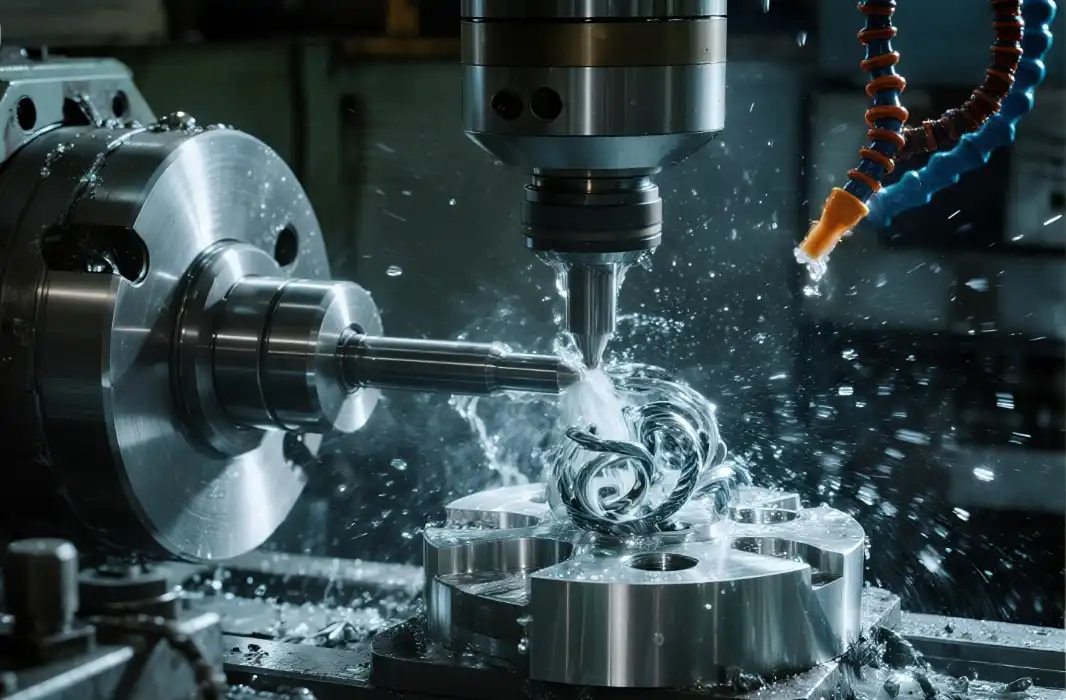
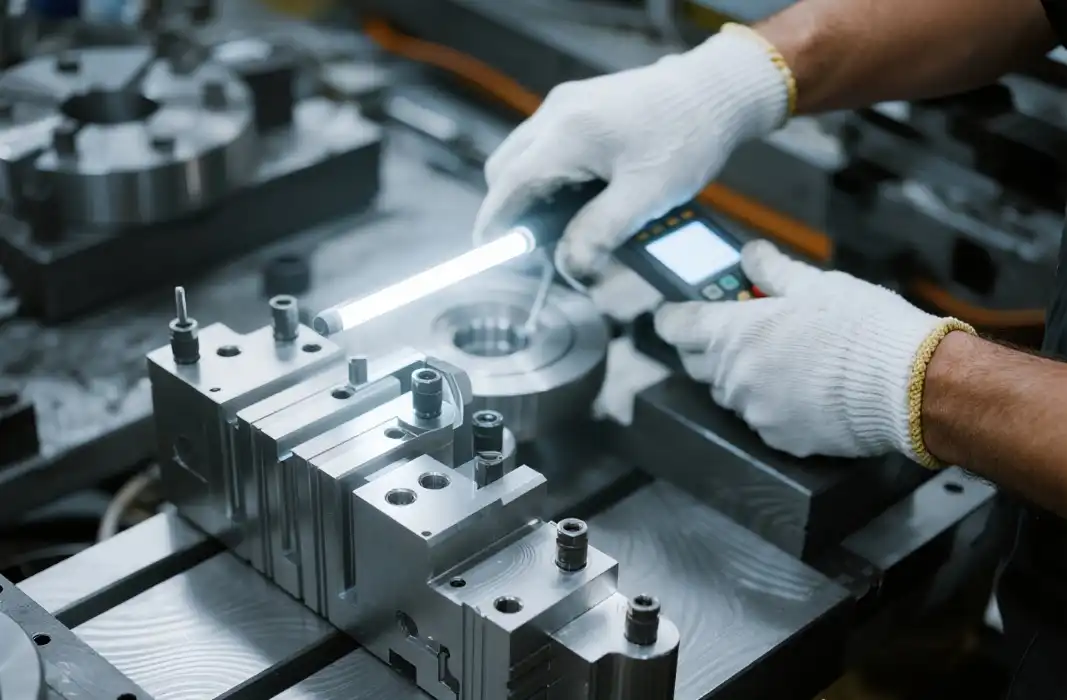
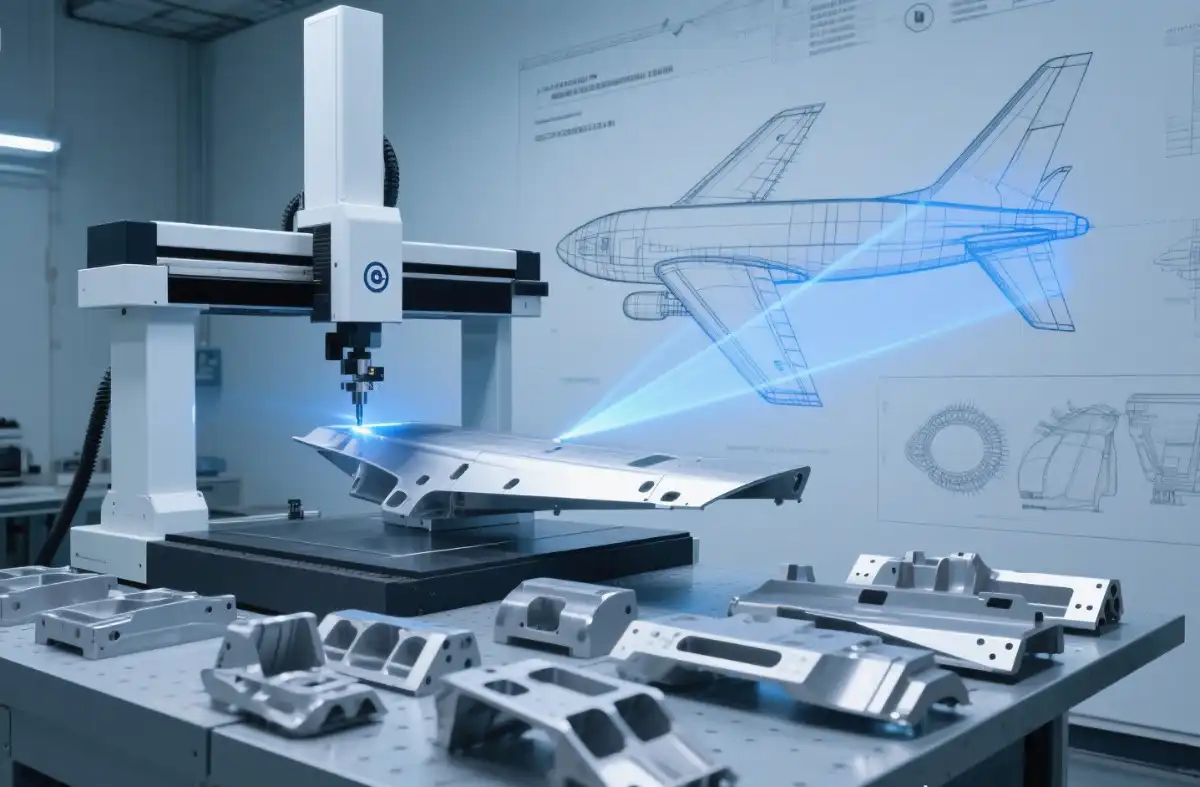
CNC turning, multi-axis milling, and precision boring can all be used on both types of stainless steel precision components, but they act differently when put under the tool. While being cut, stainless steel quickly becomes "work-hardened." When working with 316, machinists usually slow down the feed rates and use high-pressure water to keep thin-walled features from getting too hot. At BOEN Rapid, our DMG five-axis equipment keeps tolerances to ±0.01 mm for both grades, and key steps are checked by CMM while the work is being done. Threaded holes, sealing flanges, and vacuum interface faces all have their surface roughness checked before any part is finished.
Typical Component Forms and Grade Compatibility
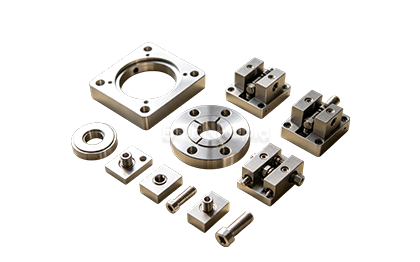
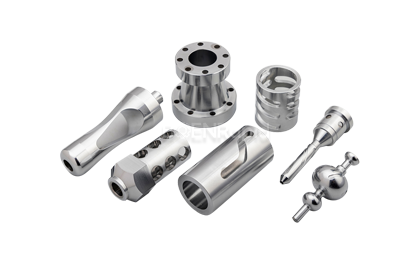
Mechanical brackets, valve bodies, shaft sleeves, vacuum chamber flanges, and custom mounting hardware are all common forms that are precisely machined. For general structural brackets that will be used in dry or slightly humid places, 304 offers good corrosion resistance at a lower cost. 316 or 316L is the standard for parts of vacuum systems, semiconductor process rooms, and fluid-contact parts that come into contact with cleaning agents or saline media. Most of the time, fasteners used in cleanroom systems are 316L so that surface rust doesn't create particles.
Performance Comparison: 304 vs 316 Stainless Steel in Precision Components
Corrosion Resistance Under Real Conditions
In ASTM B117 salt spray tests, 316 stainless steel precision components always do better than 304 in environments with chloride. The Pitting Resistance Equivalent Number (PREN) for 304 is usually between 18 and 20, while the PREN for 316 is between 24 and 26 because it contains molybdenum. For marine hardware, valves for chemical processing, and biomedical implants, that gap means a shorter service life. 304, on the other hand, works well in situations where it comes into contact with food, general manufacturing, and indoor industry settings where chloride exposure is low.
Mechanical Strength and Surface Finish Targets
Regarding the tensile strength of both grades, it is about 515 MPa when heated for 304 and between 485 and 515 MPa for 316. Neither grade gives up structural strength to prevent corrosion. Where they differ is in their ability to finish the surface. By electropolishing 316L, Ra values can be lowered to below 0.2 µm, which meets SEMI standards for semiconductor chamber surfaces and FDA cleanliness standards for implantable parts. Passivation according to ASTM A967 is used on both grades and is standard at BOEN Rapid for all finished parts.
Cost Efficiency and Total Ownership
316 raw material costs about 20–30% more than 304, based on how much molybdenum costs on the market. But when you look at how often parts need to be replaced, how much they cost to clean, and how much downtime there is because of rust, 316 usually has a lower total cost of ownership in harsh conditions. Instead of just comparing unit prices, procurement teams looking for long-production BOM items should think about this over the next two to five years.
Applications and Best Use Cases for 304 and 316 Precision Components
Semiconductor, Vacuum, and Cleanroom Equipment
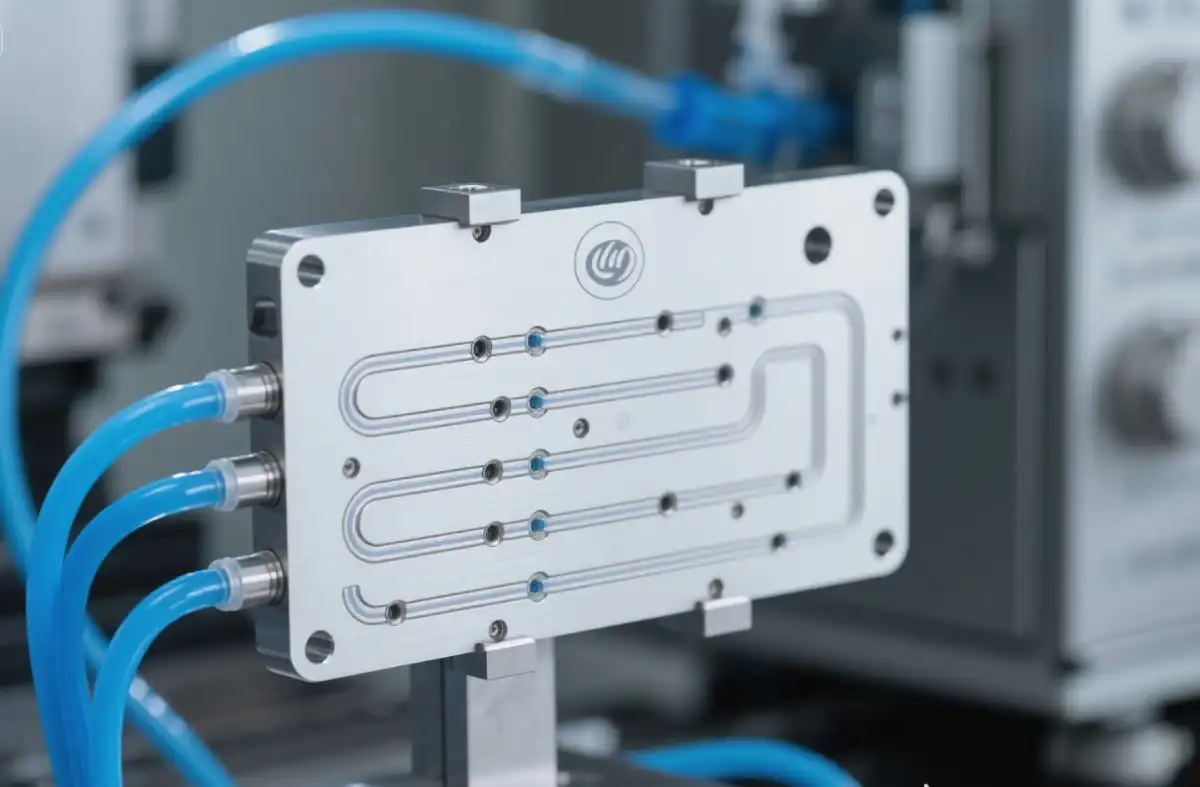
Vacuum chamber stainless steel precision components need areas that are free of debris and have almost no outgassing. 316L is the most popular choice because it has a low carbon content that keeps welds from becoming too sensitive, and its surface can be electropolished to make a passive layer that is thick enough for high-vacuum service. Any machining oil or free iron that is left on the wall of a chamber can lower the yields of thin-film deposition. This is directly addressed by BOEN Rapid's cleanroom-compatible finishing process, which includes passivation, ultrasonic cleaning, and individual bags.
Medical Devices and Life Sciences
When ISO 10993 biocompatibility is needed, surgical tools, implantable housings, and fluid-path parts use 316LVM (vacuum arc re-melted) as the base metal. Standard 316L with electropolishing meets most design needs for non-implantable instrument bodies and exterior device frames that are stressed by sterilization cycles. 304 is used in frames for non-contact structures and enclosures for lab equipment where body fluid exposure is not a problem.
Marine, Chemical, and Industrial Automation
Marine fasteners, underwater sensor housings, and chemical pump shafts that come into contact with chloride-filled process fluids are all 316 materials. In controlled factory settings, 304 is often used for robotic assembly frames, conveyor brackets, and automation mounting plates because it is cheap and doesn't rust easily. For most engineering procurement teams, making a decision comes down to knowing the line between controlled indoor and aggressive outdoor or process fluid contact.
Procurement Considerations for Stainless Steel Precision Components
Picking the right grade is only one part of the choice to source. Verifying a supplier's skills is important in all situations, but it's especially important in controlled businesses.
Before placing an order for stainless steel precision components, you should think about these important buying factors:
- Material traceability: A Mill Test Report (MTR) should be sent with each batch to confirm its chemical make-up and mechanical properties. Positive material identification (PMI) by XRF is an extra layer of security for orders with a lot of different materials.
- Surface finish documentation: Parts that are going to be used in a cleanroom or for medical purposes should come with surface finish paperwork such as passivation certificates mentioning ASTM A967, electropolishing records, and Ra measurement reports.
- Dimensional inspection reports: Full-dimensional reports made by CMM that include GD&T features like true position, perpendicularity, and surface flatness keep goods from being rejected on the assembly line.
- Certification alignment: ISO 9001 is for process control, and ISO 13485 is the standard for medical equipment supply chains. When a supplier has both certificates, it makes it easier for OEM users to do audits.
All of these things together decide if a supplier can get on a qualified vendor list (QVL) without having to go through a long process of corrective action. BOEN Rapid is certified in both ISO 9001 and ISO 13485, and they regularly help with on-site checks for OEM approval programs. Because there is no minimum order number, engineering teams can use the same quality system for low-volume samples as they would for production batches.
How to Decide: Which Stainless Steel Grade is Right for Your Project?
Define the Operating Environment First
Draw a map of your stainless steel precision components' real exposure. Dry assembly inside? 304 is good enough. Have you come into contact with salty liquids, cleaning products with chlorine, or acidic process media? Choose either 316 or 316L. Before anything else is discussed, this one question clears up most grade questions.
Weigh Regulatory and Cleanliness Requirements
In order to meet compliance standards, medical devices, semiconductors, and pharmaceuticals must use 316L in the fluid-path and chamber-interface positions. If your product needs FDA, CE, or SEMI compliance documentation, your material choice needs to match those standards from the design stage, not the qualification stage.
Balance Budget Against Risk
304 costs less per kilogram, machines a little faster, and is easy to find. For structural parts that aren't very important, choosing 304 is a smart, cost-effective choice. Any part that fails and requires a cleanroom shutdown, a device recall, or a requalification of the vacuum system has a small price difference compared to the chance of failure. At BOEN Rapid, our engineering team can do a Design for Manufacturability (DFM) review that looks at the choice of material along with tolerance standards and finishing specs. This will help you find the most cost-effective configuration before production starts.
Conclusion
Both 304 and 316 stainless steel precision components are strong metals, but they are used in different situations. 304 is used in a wide range of general industrial and structural situations where cost-effectiveness is important. 316 and 316L are best used in settings that are acidic, very clean, or controlled, and where the surface must remain intact and be resistant to chemicals. Instead of defaulting to one or the other, matching the grade to the real service situation is the best long-term choice for both product performance and procurement funds.
FAQ
1. Is 304 stainless steel suitable for marine environments?
304 stainless steel precision components will rust if exposed to salt water because chloride ions will attack the passive layer. 316 is the right standard for parts that will be in saltwater. 304 can be used for protected marine buildings inside the water that won't come into direct contact with spray.
2. What lead time should I expect for custom 316L precision parts?
At BOEN Rapid, prototype delivery usually takes between 3 and 15 working days, based on how complicated the shape is. Batches of low-volume production usually finish in two to four weeks. For pressing needs, there is a rush schedule option.
3. How do I verify the grade of delivered components?
Ask for a Mill Test Report for every shipment. For extra peace of mind, ask for XRF positive material identification tests, which prove the presence of nickel and molybdenum and clearly separate 304 from 316.
4. Does 316L require passivation after machining?
Yes. Free iron from cutting tools is pressed into the surface during machining. Passivation according to ASTM A967 gets rid of these impurities and restores the chromium oxide layer, which is the main barrier against corrosion. This step is usually taken for all sales of BOEN Rapid stainless steel.
5. Can 316L be electropolished to meet semiconductor cleanliness standards?
Yes. When you electropolish 316L, you get Ra values below 0.2 µm and get rid of the distorted surface layer that machining leaves behind. This makes a surface that can be used in cleanrooms and high-vacuum settings.
Request a Quote from BOEN Rapid — Trusted Stainless Steel Precision Components Manufacturer
For more than 15 years, BOEN Rapid has been making precise stainless steel components for customers in the semiconductor, medical, aerospace, and industrial automation industries. Our facility is ISO 9001 and ISO 13485 approved, and there is no minimum order size. We ship worldwide through DHL, UPS, and FedEx, and every order of stainless steel precision components comes with full material certificates and inspection reports. If you want a quote, you can email your drawings or specs to contact@boenrapid.com. Usually, our tech team gets back to you within 24 hours.
References
1. ASM International. ASM Handbook, Volume 13A: Corrosion: Fundamentals, Testing, and Protection. ASM International, 2003.
2. ASTM International. ASTM A967: Standard Specification for Chemical Passivation Treatments for Stainless Steel Parts. ASTM International, 2017.
3. Sedriks, A. J. Corrosion of Stainless Steels, 2nd ed. John Wiley & Sons, 1996.
4. European Commission, Joint Research Centre. Corrosion Resistance of Stainless Steels in Marine Environments. Publications Office of the European Union, 2019.
5. SEMI Standards. SEMI F19: Specification for the Finish of the Wetted Surfaces of Stainless Steel Components. Semiconductor Equipment and Materials International, 2021.
6. McGuire, Michael F. Stainless Steels for Design Engineers. ASM International, 2008.