Rapid CNC Prototyping Parts for Product Development and Functional Testing
Rapid CNC prototyping parts are precision-machined components produced through computer-controlled subtractive machining, converting CAD files directly into physical parts with tight tolerances. For hardware startups and R&D teams racing toward a product launch, demo, or crowdfunding deadline, these parts offer the fastest path from a digital design to a testable, functional prototype. At BOEN Rapid, we deliver CNC-machined metal and plastic prototypes in 3–15 working days, starting from a single piece, with full DFM feedback and ISO-certified quality — so your development window stays on schedule.
Understanding Rapid CNC Prototyping Parts and Their Role in Product Development
What These Parts Actually Are
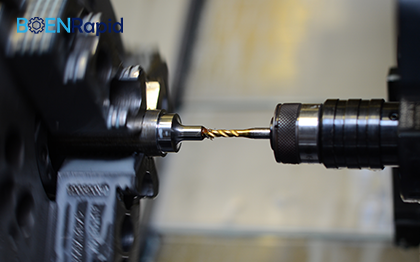
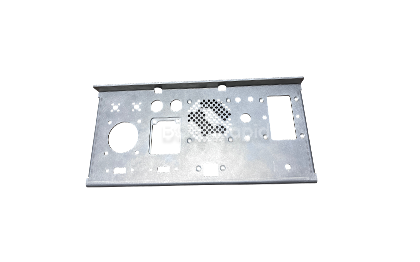
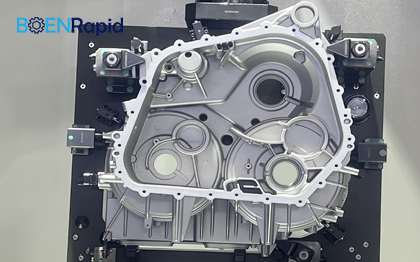
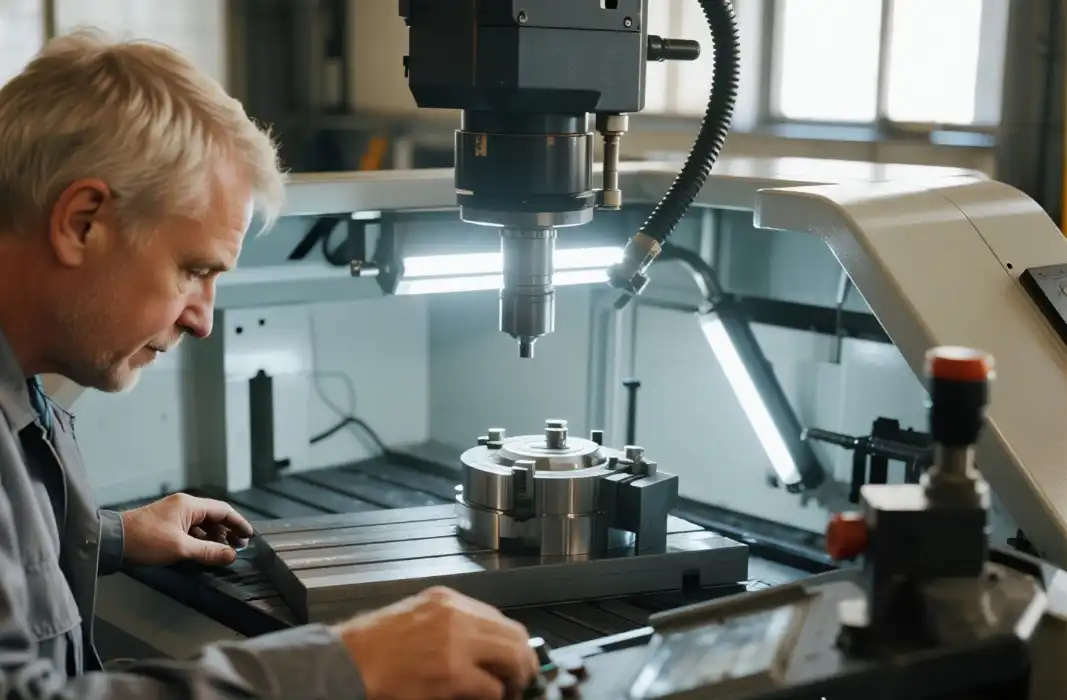
Rapid CNC prototyping parts are made by setting mills, lathes, and drills to cut away material from solid metal or plastic stock based on your 3D CAD model. The end result is a part that is correct in terms of its dimensions and structure and works like a production part. BOEN Rapid has tolerances of up to ±0.01mm, which is good enough for most useful assemblies in robots, consumer electronics, and smart hardware.
From CAD File to Physical Part
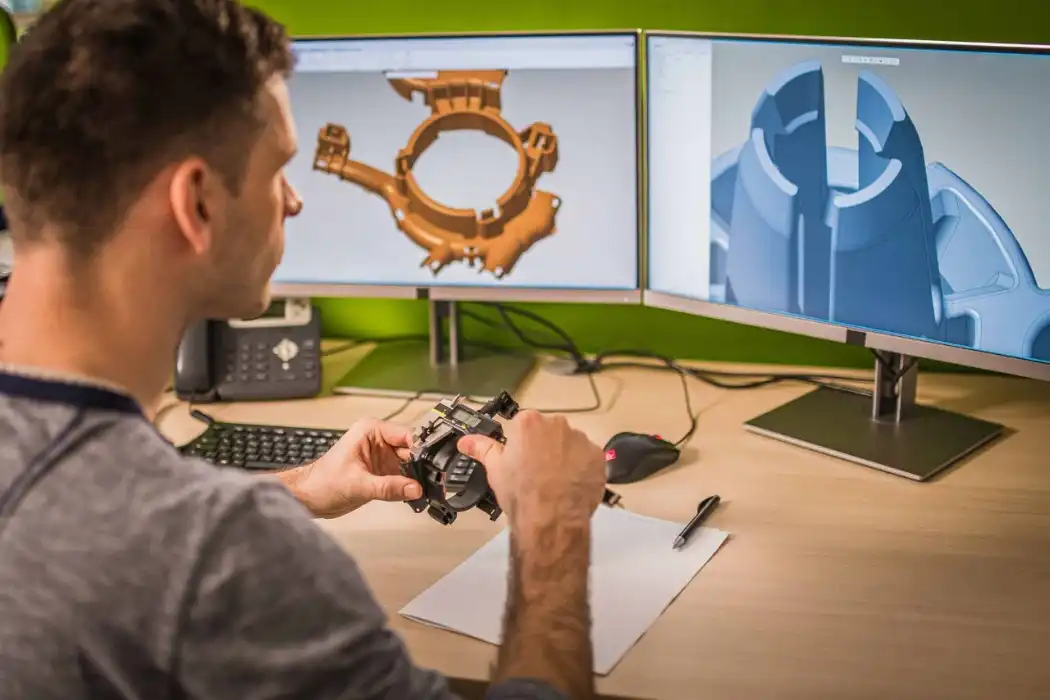
When you send your CAD files, the process starts. Within 24 hours, engineers check the shape to see if it can be made, note any problems, and confirm the material and accuracy needs. After machining, there is measurement checking, surface finishing, and safe packing. This structured workflow takes away the need to guess and shortens the time between iterations from weeks to days.
Why Speed Matters at the Prototype Stage
If you miss a trade show or a crowdfunding launch window, it could take months longer for your product to come out. McKinsey & Company says that companies are 40% more likely to meet their launch dates if they make prototypes and test them quickly. With CNC machining, hardware teams can test, tweak, and confirm their design many times during a single development sprint. This gives them time to commit to tooling.
Comparing Rapid CNC Prototyping with Other Prototyping Methods
CNC Machining vs. 3D Printing
3D printing is quick for making visual models and testing early ideas, but the printed parts' material properties don't always match what was intended for production. Parts made with FDM and SLA have layer lines, uneven strength, and low temperature resistance. Rapid CNC prototyping parts are made from the same metal, stainless steel, titanium, or industrial plastics that will be used for the final product. This means that they can be used for real testing of functionality and load.
CNC Machining vs. Injection Molding
Making tools for injection molding adds to the cost and lead time. Building a mold before the design is proven costs time and money for early-stage prototyping or low-volume validation runs. CNC machining doesn't need any special tools, can handle changes to the design between versions without charging extra, and can make parts in days instead of weeks.
Choosing the Right Method for Each Phase
The choice you make will depend on what stage of growth you are in right now. 3D printing can be used to make visual proofs of concept. CNC machining is the best way to test functionality with real materials, like stress tests, fit checks, and assembly validation. When you're ready to make a lot of them, injection molding or OEM/ODM manufacturing takes over. BOEN Rapid helps with all three stages from a single location.
Practical Applications of Rapid CNC Prototyping Parts Across Industries
Consumer Electronics and Smart Hardware
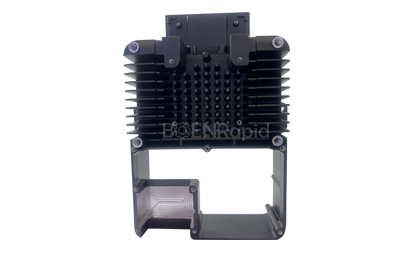
Before their first investor show, hardware companies that make wearables, IoT devices, or smart home goods often need to have heat sinks, connector housings, or metal casings machined to exact measurements. Rapid CNC prototyping parts let teams test the real production material to see how it works in terms of temperature, assembly tolerances, and how it looks.
Robotics and Industrial Automation
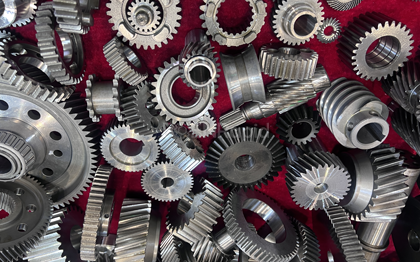
For robotic systems to work, the structural frames, gear housings, and end-effectors must all have very small mechanical errors. Even a 0.1mm mistake in size in a robot joint can lead to a series of positioning failures. CNC machining gives these systems the physical perfection they need for confirmation, which is the last step before the design goes into mass production.
Medical Devices and Aerospace Components
Materials must be authentic in both areas because of safety and regulatory standards. Surgical tool housings and aircraft structural brackets must be tested in the materials that were designed to be used, not materials that aren't mentioned. BOEN Rapid has ISO 13485 approval for making medical devices, which helps with the tracking and paperwork that these uses need.

How to Choose the Right Rapid CNC Prototyping Service Provider
Certifications and Quality Systems
The approval of a seller tells you something specific about how well they follow the process. Documented quality control is what ISO 9001 proves. Medical device parts must be certified to ISO 13485. BOEN Rapid has both and can make parts to DIN, ANSI, ASME, or JIS standards, depending on what your market needs.
Transparency in Lead Time and Pricing
Hardware teams often complain about quotes that aren't clear, like lead times and prices that change after the work starts. A good CNC prototype provider will send you a written quote within 24 hours of getting your files. The price should be broken down clearly by material, machining time, and finishing. This is how BOEN Rapid does every project, and there are no hidden costs.
Ability to Scale from Prototype to Production
The person who helps you make the prototype should know what comes next. When you get to the small-batch or OEM production stage, you have to look for a new manufacturing partner because your current source can only make one-off parts. BOEN Rapid helps with the whole development process, from making a single prototype to low-volume production and then to OEM/ODM manufacturing. This way, your relationship with your supplier stays the same as your product grows.
Design Tips and Common Issues in Rapid CNC Prototyping Parts
Design for Manufacturability from the Start
The best way to avoid expensive repairs is to do a DFM study before the machining starts. Problems with designs often happen when there are internal sharp corners that standard end mills can't cut, wall thicknesses that are too thin to hold specs, and thread specifications that aren't lined up with standard tools. These problems can be found for free by sending your files to DFM for review before a quote.
Material Selection and Tolerance Planning
Picking the right material is more than just looking at its mechanical properties. Think about how easy it is to machine, how smooth the surface needs to be, and whether the material needs extra treatment like anodizing or passivation. Because it is light and easy to shape, aluminum 6061 is still the most popular choice for hardware prototypes. Stainless steel 316, on the other hand, is better when corrosion resistance is needed. Make sure that the tolerances you use are appropriate for the design. Tighter tolerances waste time and money on machining when the assembly doesn't need them.
Surface Finish and Inspection Before Delivery
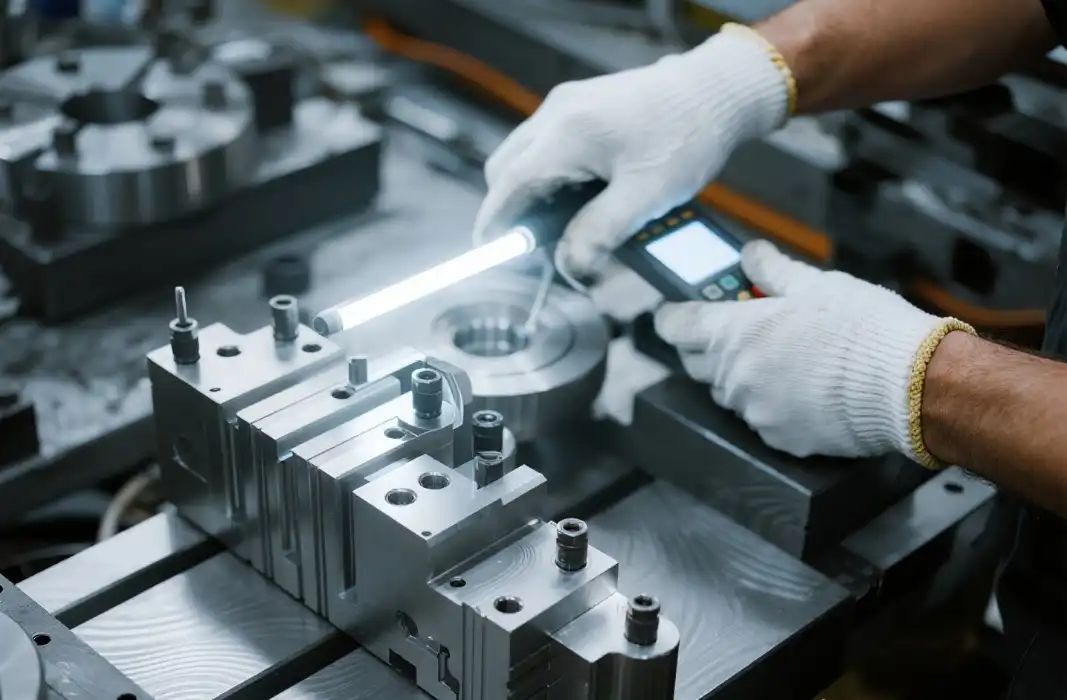
The finish on a surface affects both how it looks and how it works. As-machined finishes are good for internal parts, while bead blasting and anodizing are popular for areas that people will see. Each part that BOEN Rapid sends goes through measurement and surface quality checks, and there is proof of this with every delivery. When you move parts into a controlled production setting, this check record is important.
Conclusion
Hardware development moves quickly, and the prototyping partner you pick will have a direct impact on whether you meet your goals or not. Rapid CNC prototyping parts give you parts that are true to size and material, so you can test them for real functionality instead of just looking like they look. The right prototyping method saves time and lowers risk further down the line, whether you are proving a design for consumer goods, trying an assembly for a robot, or putting together paperwork for a medical device application. BOEN Rapid has helped hardware teams in just these kinds of situations for more than 15 years, and we're ready to help yours too.
FAQ
1. How fast can I receive my CNC prototype parts?
The standard lead time at BOEN Rapid is 3–15 working days, but this can change based on the type of part, the material, and the quantity. Usually, simple metal parts that have been made can be shipped in 3–5 days. It could take up to 15 days for more complicated shapes or assemblies made of more than one material. The wait time is written down when we send you the price.
2. Can I order just one part?
Yes, BOEN Rapid does not have a minimum order size. You don't have to commit to a certain number of prototypes; you can just order one, try it, make changes to your design, and then order another one. This model is made for early stages of hardware development, when changes are often made to the design.
3. Are CNC prototype parts suitable for functional testing?
Rapid CNC prototyping parts are made from the same types of materials that are used in production. This means that they can be used for mechanical testing, heat validation, checking the fit of the assembly, and judging the surface finish. They are not replacements or close versions; they are prototypes of parts that are meant to be used in production.
4. Can BOEN Rapid handle the transition from prototype to production?
Yes. BOEN Rapid helps with all stages of product creation, from making the first prototype to low-volume production and then OEM/ODM production. Working with the same engineering team the whole time keeps the design context and keeps you from having to deal with the supplier transition issues that slow down a lot of hardware projects.
Start Your Next Prototype with BOEN Rapid
BOEN Rapid is a reliable company that makes rapid CNC prototyping parts. They have been making precision parts for over 15 years, are certified by both ISO 9001 and ISO 13485, and have enough engineers to help you with your project from the first sample to mass production. Send us your CAD files right now, and we'll review them and give you a price within 24 hours. Get in touch with our tech team at contact@boenrapid.com to begin.
References
1. McKinsey & Company. Winning the Race to Market: Product Development Speed and Innovation Performance. 2019.
2. Society of Manufacturing Engineers. Fundamentals of CNC Machining and Prototyping. 2020.
3. International Organization for Standardization. ISO 9001:2015 Quality Management Systems – Requirements. 2015.
4. International Organization for Standardization. ISO 13485:2016 Medical Devices – Quality Management Systems. 2016.
5. Wohlers Associates. Wohlers Report: Additive Manufacturing and 3D Printing State of the Industry. 2022.
6. American Society of Mechanical Engineers. ASME Y14.5: Dimensioning and Tolerancing Standards. 2018.