CNC Milling Machine Parts: Key Components and Their Functions
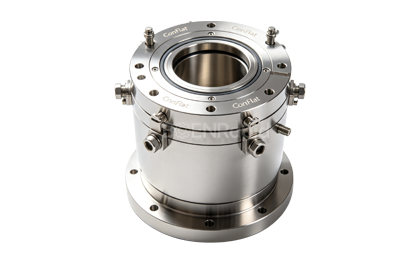
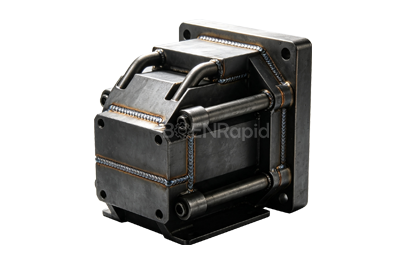
CNC milling machine parts are precision-machined components produced on computer-controlled milling equipment. These parts form the physical backbone of modern industrial machinery, automation lines, and robotic systems. Understanding how each component—from the spindle and ball screw to linear guides and cutting tools—functions within the assembly helps procurement engineers make smarter sourcing decisions. Whether you are specifying aluminum structural brackets or stainless steel sensor housings, knowing what each part does and how it interacts with adjacent components directly affects your equipment's performance and service life.
Overview of CNC Milling Machine Parts
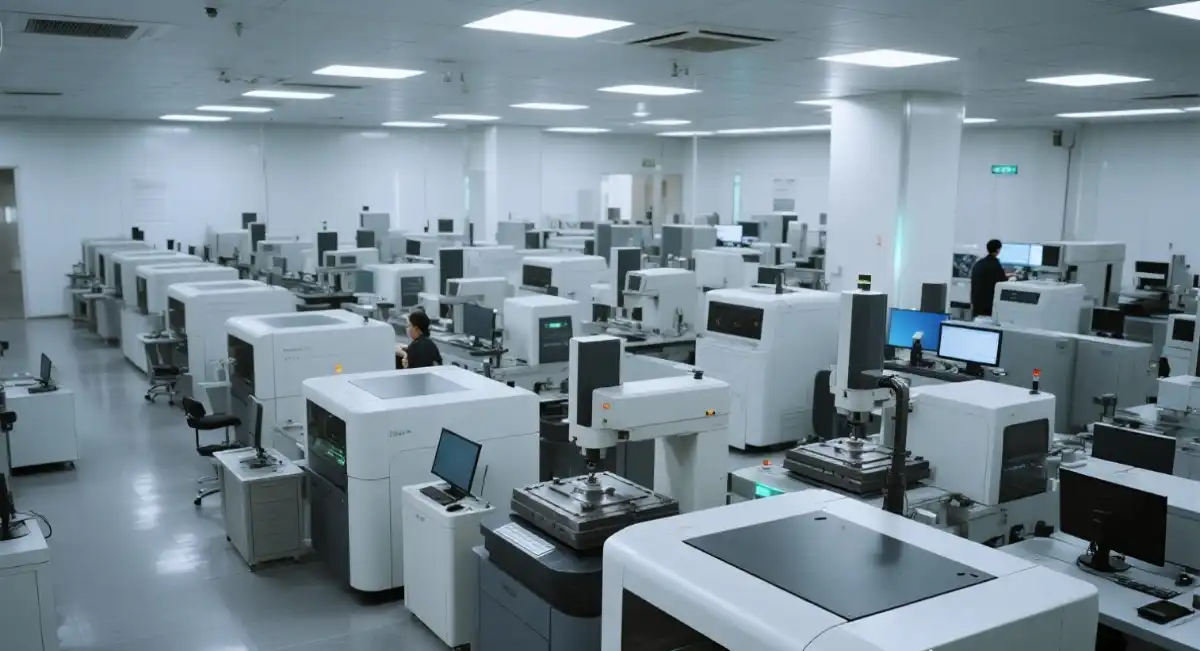
A CNC milling machine is not a single machine, but a system of mechanical, electrical, and control parts that all work together. Knowing about this system helps engineers who are looking for machined structural parts for building industrial equipment make sure they are clear about what they need and can confidently judge a supplier's abilities.
Structural Components: Bed, Column, and Worktable
The bed for the machine is the base. It takes in cutting forces and vibrations and keeps all the other parts in place while the machine is running. The column holds up the spinning head vertically, and the X and Y axes move the worktable, which holds the piece being worked on. These structural parts have to stay stable in shape even when they are under a lot of mechanical and thermal stress. When precision is needed, the stiffness of the bed directly affects how accurately each part made on the machine is sized.
Electrical and Control Systems
The CNC controller reads G-code instructions and makes sure that the axes move, the spindle speed stays the same, and tools are changed in real time. Servo drives and motors take electrical signals and turn them into precise movements of metal. Encoders give input on position, which closes the loop and makes sure the accuracy. These parts work together to show how well a machine can keep specs over long production runs. This is something that purchasing teams should look for in a machining provider.
Material Impact on Part Performance
Material choice affects how long a part lasts, how heavy it is, and how well it resists rust. Because they are strong for their weight, aluminum alloys like 6061 and 7075 are often used for machine frames and mounting plates. Grades 304 and 316 of stainless steel work well in places where corrosion protection is needed. Titanium, on the other hand, is very strong and light, making it ideal for demanding aircraft or medical uses. When engineers create something, they have to think about the pros and cons of each material choice in terms of how easy it is to work with, how long it takes to make, and how well it works in the end.
Functions of Key CNC Milling Machine Parts
In a CNC cutting machine, each part has a clear job to do. When procurement professionals know what these roles are, they can more accurately specify CNC milling machine parts and figure out if a supplier's skills really match their needs.
The Spindle: Heart of the Cutting Operation
The spindle holds the cutting tool and turns it at controlled speeds, which can be anywhere from a few hundred to over 30,000 RPM, depending on the job. Changes in speed range, power, and noise level depend on the type of spindle: gear-driven, direct-drive, or belt-driven. Aluminum and plastics work well with high-speed spindles, while hardened steel and titanium work well with low-speed, high-torque spindles. Spindle condition is a key indicator of how much a machine shop can produce because spindle runout directly affects surface finish quality and dimensional accuracy.
Ball Screws and Linear Guides: Delivering Precision Motion
With little backlash, ball screws turn motion from a rotary motor into linear axis movement. When used with linear guides, which limit motion to a single axis, they let the machine place the cutting tool with micrometer-level accuracy every time. NSK's released technical data says that precision-grade ball screws can keep their positions within ±0.005mm for every 300mm of movement. When it comes to parts like sensor housings or actuator frames where the placement of features is very important, the quality of these moving parts directly decides whether the parts meet the requirements in the drawing.
Cutting Tools: Defining Surface Finish and Geometry
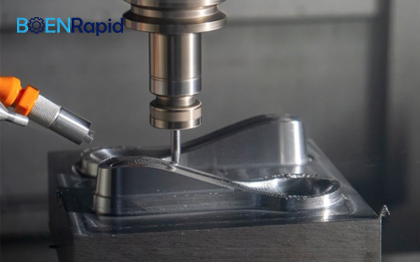
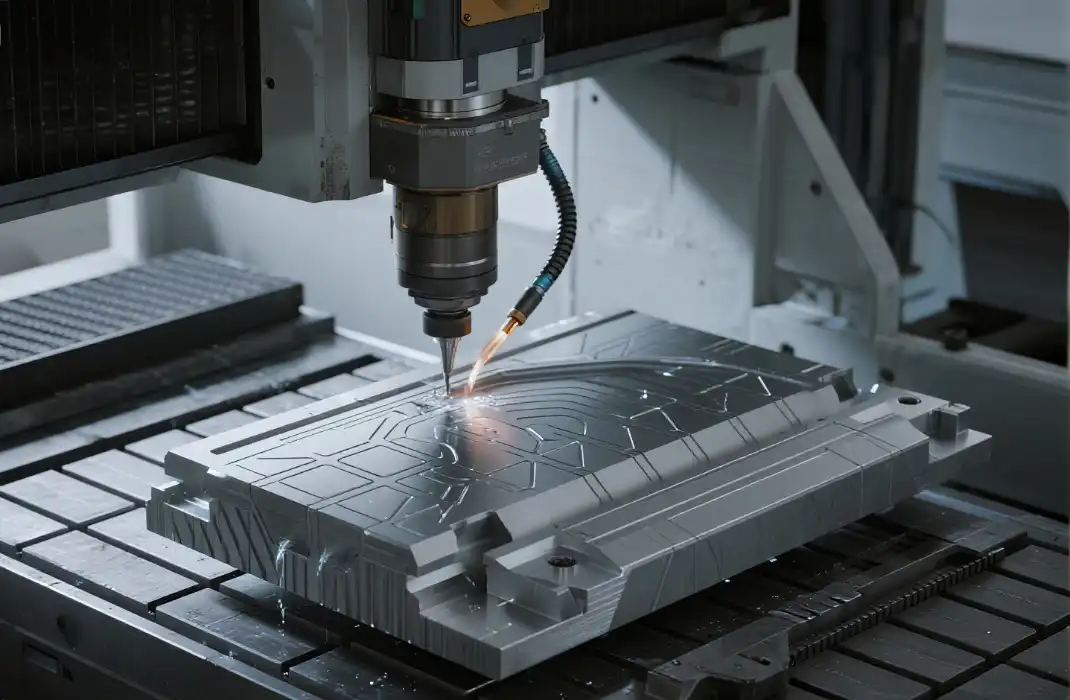
The main tools used for milling are end mills, face mills, and slot drills. Surface sharpness and feature definition are limited by the shape of the tool, its coating, and the material it is made of (carbide, high-speed steel, or ceramic). For aluminum parts, surface finishes of Ra 0.8μm or better are usually achieved with uncoated carbide end mills. TiAlN coatings on stainless steel tools keep them from getting too hot and make them last longer. Picking the correct tool for each type of material and feature is an important engineering choice that impacts both the quality of the part and the cost of production.
Maintenance Tips and Common Issues with CNC Milling Machine Parts
Systematic upkeep maintains production consistency and improves the life of equipment. If a procurement manager is looking at a machining supplier, knowing the most common ways that things go wrong can help them ask the right questions and set the right quality standards.
Lubrication and Cleaning Schedules
Manufacturer-recommended greases or oils must be used to regularly lubricate ball screws, linear guides, and spindle bearings. Not enough lubrication speeds up wear and makes positional error worse over time. Cleaning coolant systems on a regular basis is important to stop the growth of germs and rust that can damage machined surfaces. A well-kept machine shop will keep machine logs and records of when the equipment was last oiled. This shows that their equipment can regularly hold stated limits across production orders.
Recognizing Wear Symptoms Early
Early signs of wear on a component often include more axis backlash, a worsening surface finish, unexpected measurement drift, and noise or shaking from the spindle. Spindle overheating is often caused by worn bearings or not enough airflow to cool the machine. Tool wear can be seen on finished parts as chatter marks, burrs, or changes in the size of the part. To make sure that a supplier's machines stay calibrated during a production run, procurement teams should ask for first article inspection reports and regular measurement data.
Preventive Maintenance and Supplier Evaluation
Suppliers who follow organized plans for preventative maintenance get better results over time than those who only fix problems when they happen. When checking out a possible machining partner, find out what their maintenance schedule is, what their most recent calibration records are, and how they handle how often they replace tools. These operating details have a direct effect on whether your batch 50 production orders will meet the size standards in the same way that batch one did.
How to Choose and Procure CNC Milling Machine Parts for Your Business
When buying perfectly made parts, it's smart to do more than just compare prices. To make a choice, the framework must take into account the ability to tolerate errors, the certification of materials, the lead time, technical support, and the quality systems of suppliers.
When choosing a CNC milling machine parts source, these are the most important things to look for:
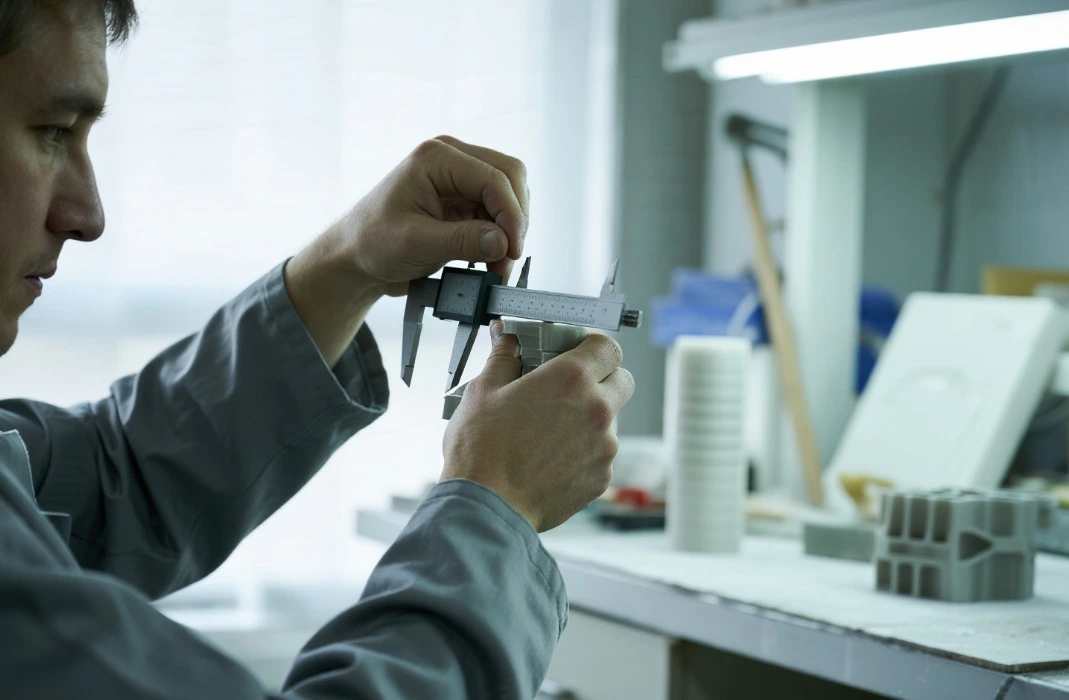
- Tolerance capability: Confirm the supplier can hold ±0.005mm or tighter with documented evidence, not just a claim. Ask for CMM reports from similar past work.
- Material certification: Require material test reports (MTRs) for aluminum 6061/7075, stainless steel, or titanium. Certified material traceability protects you in regulated industries.
- DFM feedback quality: A capable supplier will identify potential manufacturability issues in your drawings before production begins—saving rework costs and schedule delays.
- Lead time transparency: Prototype delivery in 3–15 days is achievable with proper scheduling. Suppliers who commit to clear timelines with production tracking reduce your project risk.
- Quality documentation: Dimensional inspection reports, surface finish records, and first article data should accompany deliveries for any precision application.
Both of these factors work together. Your supply chain is at risk when you have a partner who is great at one thing but bad at another. Long-term sourcing decisions are more reliable when they are looked at as a package and not separately.
Future Trends and Innovations in CNC Milling Machine Parts
More and more, digital planning tools and actual production are becoming more and more integrated in the machining business. For procurement experts, knowing about these changes helps them find sellers who will still be able to work with them as your product technology improves.
Smart Sensors and Real-Time Monitoring
Monitoring systems can now see tool wear, chatter, and axis deviation in real time thanks to accelerometers, sound emission sensors, and thermal cameras that are placed on machines. This stops scrap before it happens. This closed-loop method lowers the number of mistakes and helps keep output constant during high-mix, low-volume production, which is exactly what happens a lot in the making of automation equipment.
Advanced Materials and Composite Components
In places where aluminum or steel used to be the main material, engineering ceramics, metal matrix composites, and high-performance polymers like PEEK are now being used. These materials need up-to-date process and equipment skills. Suppliers who put money into machining research and process development can work with these materials right away, without having to wait a long time to get qualified.
Industry 4.0 and Digital Supply Chain Integration
How machining buyers and sellers talk to each other is changing because of digital twins, automatic quote tools, and order tracking that is built into ERP systems. Faster RFQ cycles, seeing orders in real time, and quality documentation that doesn't need to be printed out all make the procurement process smoother. This means that your engineering team can focus on design instead of chasing down suppliers.
Conclusion
Procurement engineers can better specify parts, evaluate suppliers, and manage production risk when they know how CNC milling machine parts work, such as the spindle, ball screw, cutting tool, and control system. When making sourcing decisions, it's best to have both technical knowledge and a clear picture of what the supplier can do, how they handle quality, and how responsive they are. Machine tool makers will need to work with suppliers who spend on process improvement and technical support more than ever if they want to stay competitive in terms of precision and delivery speed.
FAQ
1. What tolerances can CNC milling achieve for industrial parts?
Tolerances for standard CNC cutting are between ±0.01mm and ±0.1mm, based on the material and the complexity of the feature. With the right machine measurements and equipment choice, tolerances as small as ±0.005mm can be reached for high-precision tasks like sensor housings and automation mounting plates.
2. What materials are commonly used for precision milled components?
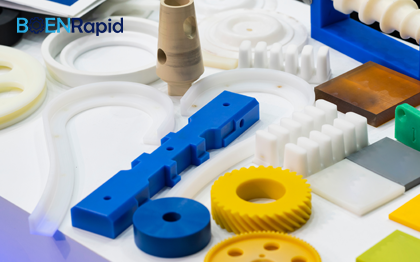
Because they are easy to machine and strong for their weight, aluminum alloys 6061 and 7075 are most often used for structural parts. Corrosive places are good for stainless steel 304 and 316. Titanium is best when you need something that is both strong and light. Engineering plastics, like PEEK and POM, are used in places where chemical resistance or electrical insulation is important.
3. How do I evaluate a CNC machining supplier for industrial equipment parts?
Ask for material test certificates, dimensional inspection records from past work, and a test drawing to check the quality of DFM input. Reliable lead times, flexible minimum orders, and well-documented quality systems, like ISO 9001 approval, are the most important signs of a good long-term manufacturing partner.
4. What is the typical lead time for prototype milled parts?
Most metal and steel parts have standard prototype wait times of 3–15 working days at skilled shops. Parts with a lot of moving parts or that need special materials may take longer. Before ordering a sample, you should always get written confirmation of wait times.
Get Precision Machined Components from BOEN Rapid
BOEN Rapid has been making quality CNC milling machine parts for over 15 years and is a reliable company. We can help you build industrial equipment and automation with tolerances as tight as ±0.005mm, prototype lead times of 3–15 days, and quality systems that are ISO 9001 and ISO 13485 certified. Our engineering team gives professional DFM feedback and full material certification for everything from aluminum structural brackets to titanium sensor housings. To get a price within 24 hours, email your drawings to contact@boenrapid.com.
References
1. Kalpakjian, S., & Schmid, S. R. (2014). Manufacturing Engineering and Technology (7th ed.). Pearson Education.
2. NSK Ltd. (2020). Ball Screw Technical Guide: Accuracy and Preload Standards. NSK Technical Publications.
3. Todd, R. H., Allen, D. K., & Alting, L. (1994). Manufacturing Processes Reference Guide. Industrial Press.
4. Boothroyd, G., Dewhurst, P., & Knight, W. A. (2010). Product Design for Manufacture and Assembly (3rd ed.). CRC Press.
5. Groover, M. P. (2020). Fundamentals of Modern Manufacturing: Materials, Processes, and Systems (6th ed.). Wiley.
6. Society of Manufacturing Engineers. (2019). CNC Machining Handbook: Building, Programming, and Implementation. SME Publications.