An Exhaustive Guide To CNC Milling Machine Parts
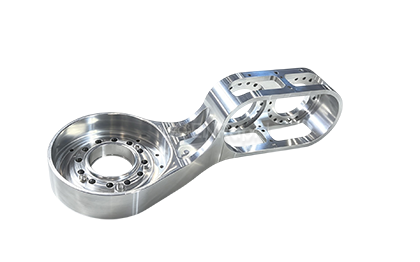
If you work in industrial equipment manufacturing or automation engineering, you already know how much depends on getting the right machined components. CNC milling machine parts are precision-machined components produced on computer-controlled milling machines, covering everything from machine frames and mounting brackets to sensor housings and actuator casings. This guide breaks down what these parts are, how to choose them, how to maintain them, and how to source them effectively — giving procurement engineers and OEM buyers a clear, practical reference for smarter decisions.
Understanding CNC Milling Machine Parts: Components and Their Functions
It's helpful to know what each part of a CNC milling system does before you compare suppliers or place an order. When you put these parts together, they can turn a computer CAD file into a high-quality real part.
The Spindle: The Heart of the Machine
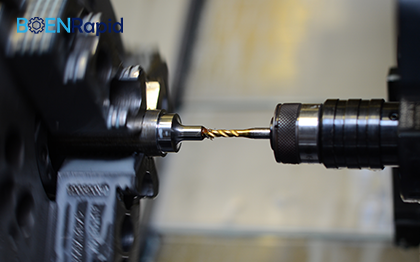
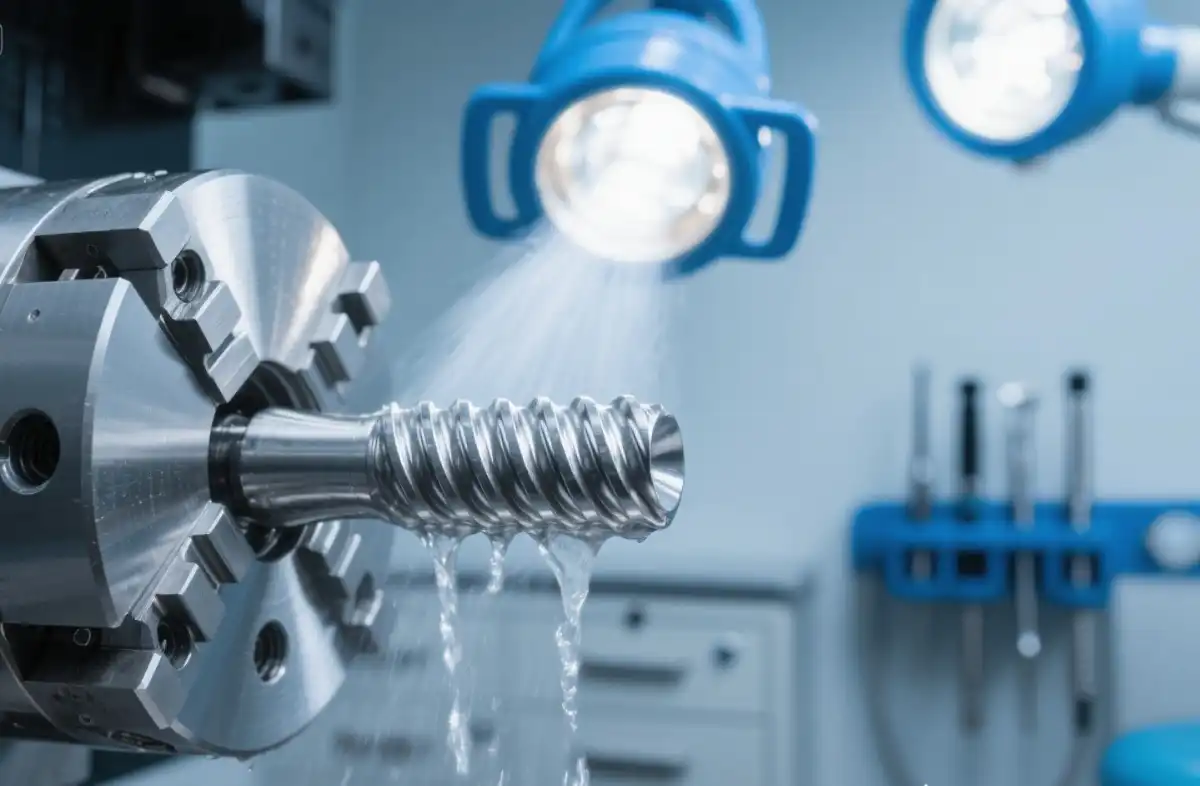
The cutting tool is held by the spindle and turned by it. Spindle speed, which is recorded in RPM, has a direct effect on the rate at which material is removed and the quality of the finish. High-frequency wheels can go as fast as 30,000 RPM, which makes them great for working on metal with small details. One of the main things that affects the quality of a machined part is the state of the spindle bearings. A worn spindle causes runout that software can't fully fix.
Tool Holders and Collets: Precision Grip
Tools are held in place by tool holders, which connect the cutting tool to the wheel. You can choose a BT, CAT, or HSK taper for the tool holder, and the way they fit together affects both runout and rigidity. They hold the tool holder directly and let you make quick changes. Most of the time, HSK tool holders are better for high-tolerance work that needs accuracy within 0.005mm because the dual-contact design stops tiny movements when cutting.
Axes and Linear Motion Components
Most production CNC milling machine parts have three straight axes: X, Y, and Z. Four- and five-axis machines can also move in a rotational direction. Axes like these are moved by servo motors, ball screws, and linear guides. Positioning repeatability on good machines is usually between 0.002mm and 0.005mm. These parts check to see if a part consistently meets drawing tolerances across a batch. This is very important when ordering structural parts for automation lines.
Comparing and Choosing the Best CNC Milling Machine Parts for Your Business
When picking the right parts for a milling setup or a machining provider that can make your parts consistently, you need to think about more than just the initial cost.
OEM vs. Aftermarket Parts
OEM parts from machine builders like Haas, Fanuc, or Siemens are guaranteed to fit, have performance data written down, and come with a warranty. Aftermarket options can save you a lot of money, but they may not be the same size or quality of material. OEM parts usually are worth the extra cost for important spindle and motor parts on production tools. For fixtures and tools that don't need to be under as much stress, quality aftermarket options from well-known brands offer good performance at a lower cost.
High-Precision vs. Standard-Grade Components
Not all parts of a cutting machine need to be very precise. Standard-grade ball screws work well for most types of machining. For five-axis work or making medical parts where location error builds up over several axes, you need high-precision ground ball screws with accuracy grades of C3 or C5. By matching the precision grade to the needs of the product, you can avoid spending extra money and still get good results.
Material Compatibility and Tooling Selection
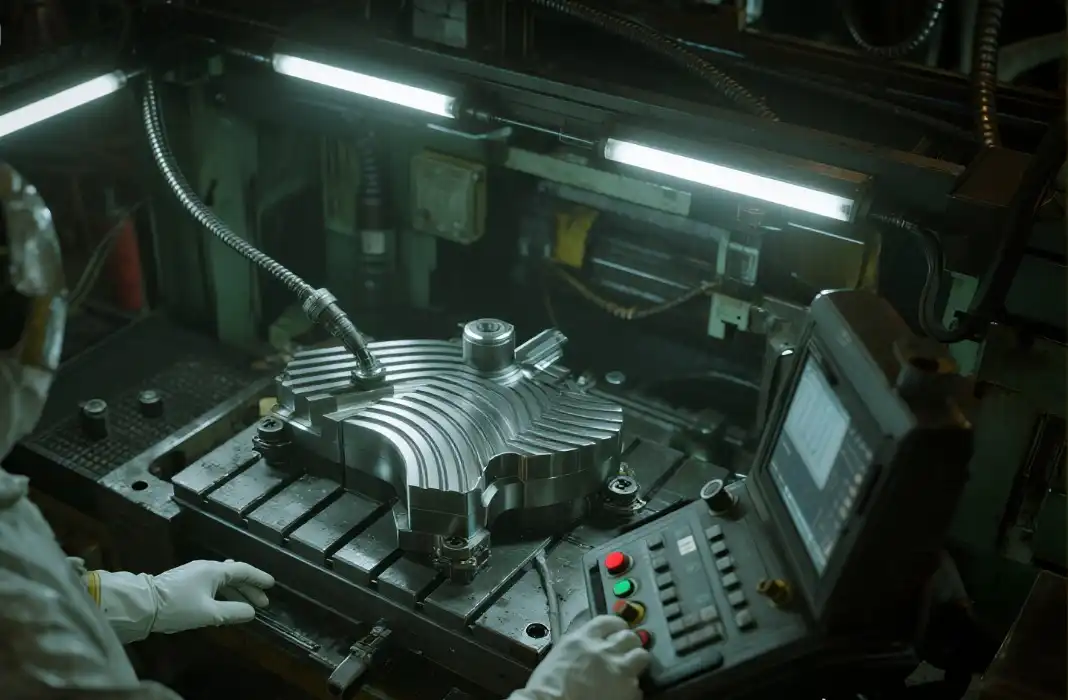
The material of the item directly affects the choice of cutting tool. At high speeds, carbide end mills work well with aluminum alloys (6061 and 7075). Titanium and stainless steel (304, 316) need lower cutting speeds and more pressure, along with coated carbide tools to keep the heat under control. Titanium is 40% lighter than steel but only slightly less strong. To keep the metal from work-hardening during the cut, careful toolpath programming and the right use of coolant are needed.
Dimensional accuracy, surface finish, and tool life are all affected by these choices. All of these things have a direct effect on the cost per part and the trustworthiness of delivery.
Maintenance and Longevity: How to Care for CNC Milling Machine Parts
Consistent machine condition is needed for consistent output quality. When your customers expect the same specs across production runs, you can't skip maintenance.
Routine Lubrication and Cleaning
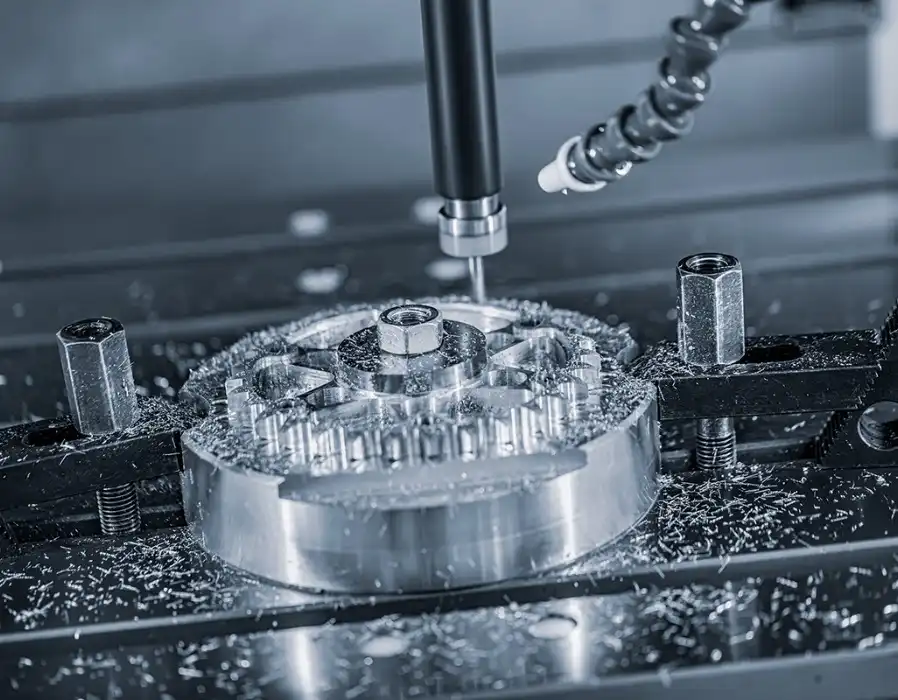
Linear guides, ball screws, and spindle bearings all need to be oiled on a regular basis. Most machine builders tell you how often to lubricate a machine based on how many hours it is used. Skipping these breaks speeds up wear and causes positioning slip. To keep moving surfaces from getting worn down, chips and coolant dust should be cleaned off the work area, and way covers should be cleaned at the end of each shift.
Inspection and Early Fault Detection
By checking spindle runout, axis squareness, and backlash on a regular basis, geometric problems are caught before they lead to scrap. If the spindle runout is more than 0.003mm on a machine that is meant to work within 0.005mm, the dimensions will consistently fail. Monitoring vibrations while cutting can also show problems with bearing wear, imbalance, or tool holders that can't be seen with the naked eye.
Repair vs. Replacement Decisions
When the housing and taper are not damaged, rebuilding a spindle is a good use of money. When backlash goes beyond the machine's positioning limits, the ball screw needs to be replaced. Putting off replacing old linear guides raises the risk of them breaking down suddenly during production, which usually costs a lot more in lost time and materials than replacing the parts right away.
Procuring CNC Milling Machine Parts: A Practical Buying Guide for B2B Clients
It is a different process to buy machined structural components than it is to buy machine repair parts. When equipment manufacturers buy milled frames, mounting plates, and enclosures from contract manufacturers, the supplier's suitability is based on a number of factors.
Evaluating Supplier Capability
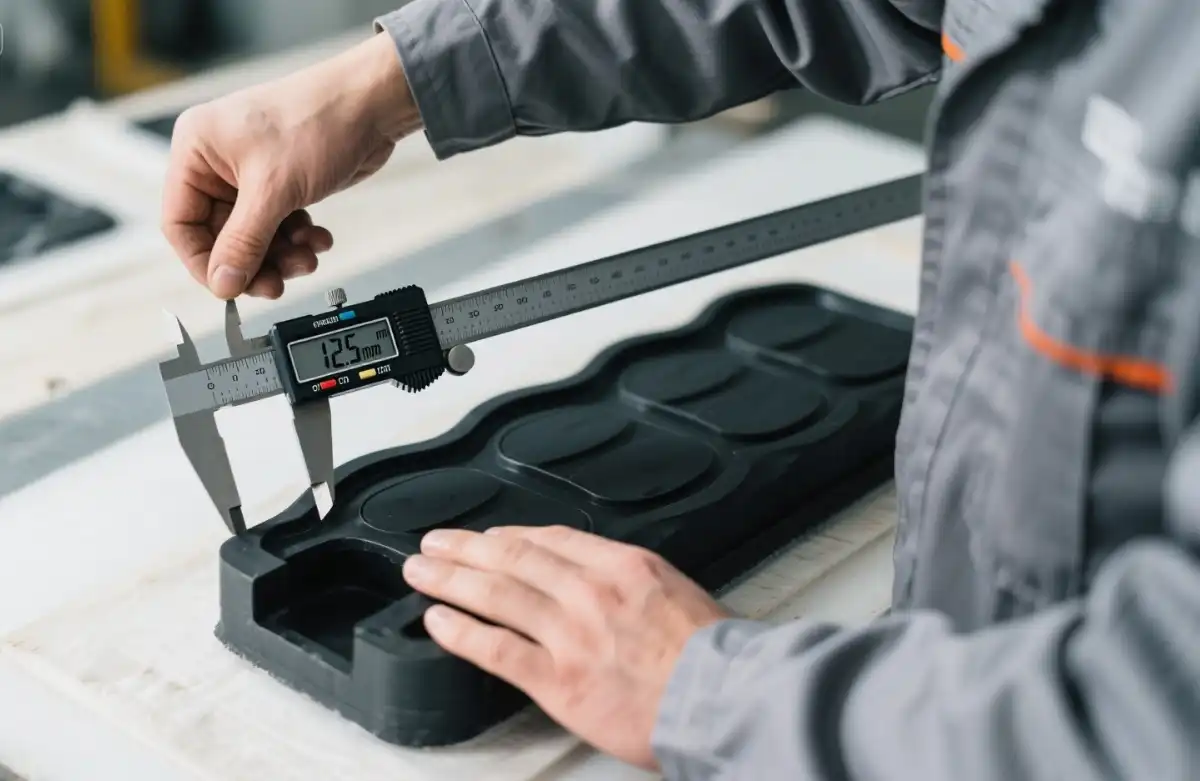
Tolerance capability, material approval, and sample wait time are the most important things that suppliers must have in order to be qualified to make precision milled parts. Tolerances should be kept to ±0.005mm, material test reports should be given for aluminum alloys, stainless steel, and titanium, and sample CNC milling machine parts should be sent within 3 to 15 days. The quality of the DFM (Design for Manufacturability) feedback shows whether the engineering team at the supplier really understands your application or just runs the program you send them.
Cost Structure and Small-Batch Economics
Small-batch milling orders cost more per part because the setup time has to be spread out over fewer pieces. Buyers can better understand where costs are and how to lower them by getting clear, detailed quotes. When suppliers do preventative DFM analysis, they can often help find features that add cost without being needed. For example, some applications don't need deep pockets or tight standards.
Verifying Quality Documentation
Make sure that suppliers can give you first item inspection reports, dimensional measuring records, and material certificates before you place your production orders. If a company has ISO 9001 certification, it means that their quality control methods are written down and can be checked. Having ISO 13485 certification means that medical-grade parts have been tested and approved with extra care.
Industry Trends and Future Outlook for CNC Milling Machine Parts
The market for precision machining keeps changing in ways that affect how B2B buyers should set up their relationships with suppliers.
Smart Machining and IoT Integration
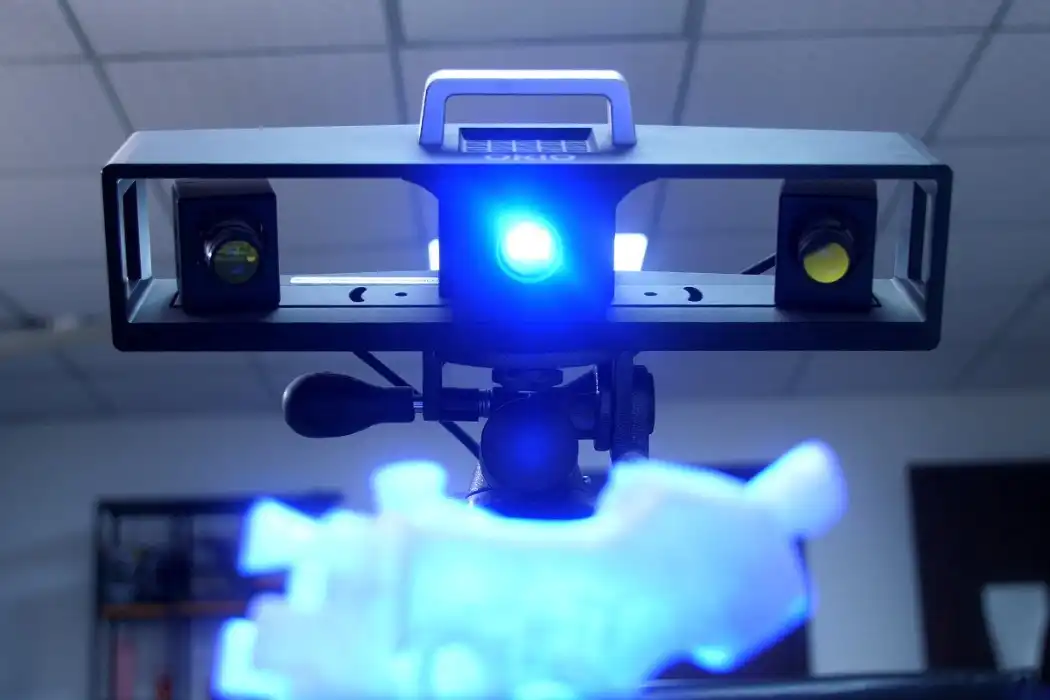
Manufacturers of machine tools are adding vibration sensors, thermal compensation systems, and monitoring systems that are linked to a network to their production machines. These features make the dimensions more consistent over long runs and let you see the process from afar. For buyers, this means they can be more sure of the quality of the batches coming from sellers who use modern equipment.
Advanced Materials and Demanding Applications
In robots, medical devices, and aircraft, the need for titanium and high-performance aluminum alloys keeps going up. To cut these materials, you need special tools, controlled cutting conditions, and process engineers with a lot of experience. New products are less likely to fail when they come from suppliers who have experience with difficult materials.
Supplier Consolidation and Long-Term Partnerships
B2B buyers would rather work with a few more capable suppliers than manage a long list of different vendors. Framework deals with qualified suppliers that are renewed monthly or regularly cut down on the costs of re-qualification and give scheduling priority, both of which are important when technical changes mean that re-machining needs to be done quickly.
Conclusion
Procurement experts and OEM buyers can make better choices when they know what CNC milling machine parts do, how to choose and keep them, and how to evaluate machining sources. The requirements are the same whether you are choosing parts for a new automation line or a supplier to make ongoing structural parts: they must be able to demonstrate their ability to work with tight tolerances, use certified materials, offer fast prototypes, provide professional DFM support, and provide reliable quality documentation.
FAQ
1. Which CNC milling components need the most maintenance attention?
Spindles and ball screws are the most maintenance-critical components. Spindle bearing wear directly affects machined part accuracy, and ball screw backlash causes positioning errors that no programming adjustment can fully correct. Both should be checked on a schedule based on machine operating hours.
2. When should I choose OEM parts over aftermarket options?
Choose OEM for spindles, servo drives, and motion control components where fit, performance data, and warranty matter. Aftermarket parts are acceptable for lower-stress tooling, fixture components, and consumable items — provided the supplier can document material grade and dimensional conformance.
3. What are the advantages of bulk purchasing for milled structural components?
Larger order quantities allow suppliers to amortize setup costs across more parts, reducing per-unit cost. Ordering in batches also supports production scheduling and reduces the risk of delivery gaps. Many suppliers offer framework agreements that lock in pricing and lead times for repeat orders.
4. What file formats should I prepare for a CNC milling quote?
Most capable suppliers accept STEP, IGES, STL, DWG, DXF, and PDF formats. STEP files carry full 3D geometry and are generally preferred for complex parts with multiple features.
Request a Quote from BOEN Rapid — Your Trusted CNC Milling Machine Parts Supplier
BOEN Rapid has been making precise CNC milling machine parts for more than 15 years. Their quality systems are ISO 9001 and ISO 13485 certified, and they can hold tolerances of ±0.005mm. We get back to people who ask about new projects within 24 hours, and prototypes are sent out within 3 to 15 days. To get a price right away, email your images to contact@boenrapid.com.
References
1. Kalpakjian, S., & Schmid, S. R. — Manufacturing Engineering and Technology, Pearson, 2014.
2. Todd, R. H., Allen, D. K., & Alting, L. — Manufacturing Processes Reference Guide, Industrial Press, 1994.
3. Smith, G. T. — CNC Machining Technology, Springer, 1993.
4. Modern Machine Shop — Precision Machining and CNC Technology Annual Report, Gardner Business Media, 2023.
5. International Organization for Standardization — ISO 9001: Quality Management Systems — Requirements, ISO, 2015.
6. Machinery's Handbook Editorial Committee — Machinery's Handbook, 31st Edition, Industrial Press, 2020.