CNC Turned Parts: Manufacturing Services Overview
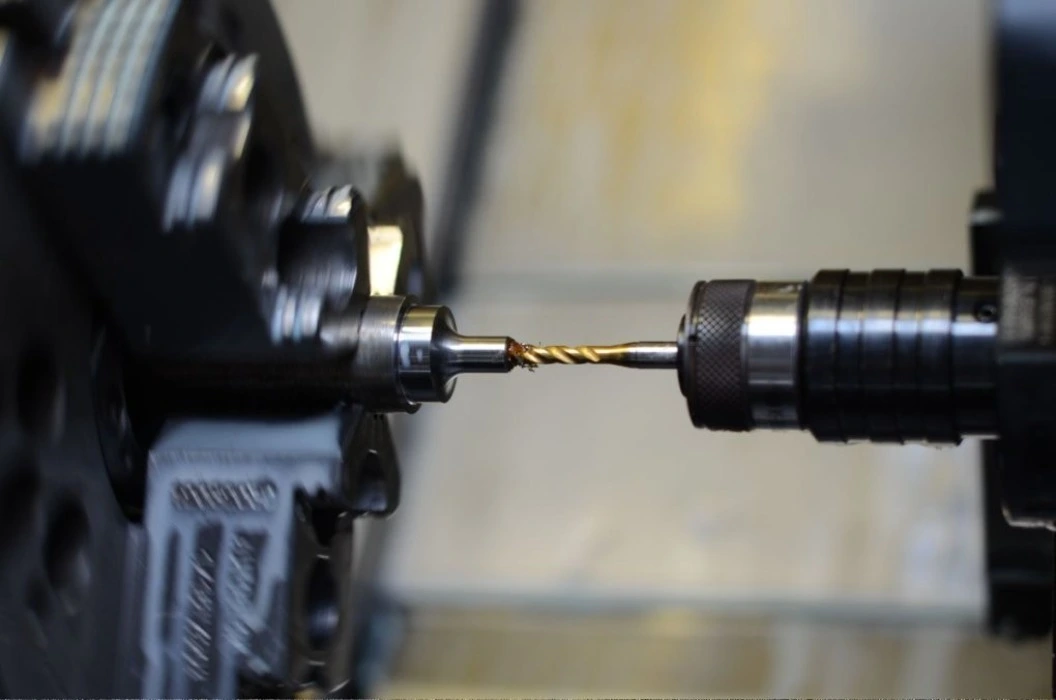
Precision CNC turning parts are cylindrical or rotary parts that are made on computer-controlled lathes. On these machines, the workpiece rotates while a stationary cutting tool removes material. CNC turning parts include shafts, pins, bushings, fittings, and threaded connections. BOEN Rapid machines from Ø3mm to Ø300mm with tolerances down to ±0.005mm in aluminum, stainless steel, brass, titanium and technical plastics. Our ISO 9001 and ISO 13485 certified factory produces prototype first items in 3-7 working days and scales to production runs of 10-10,000 pieces for automotive, robotics, medical, aerospace and industrial equipment clients worldwide.
Understanding Precision CNC Turning Parts
CNC turning is not only a speedier version of hand lathing. With computer control, the process is consistent and reproducible for every item in a batch. Manual techniques can not guarantee this at tight tolerances.
How the Manufacturing Workflow Operates
Programming, setting up workholding, and cutting are all done in a disciplined process. CAM application takes tool paths straight from your 3D model or 2D sketch. This eliminates operator interpretation problems and tracks every dimension to your original specification.
Materials Commonly Selected for Turned Components
Aluminum 6061-T6 and 7075-T6 are used in low-weight structural applications. Stainless steel 303, 304, and 316 are used when corrosion is a concern. C360 brass is clean for fluid fittings. Titanium Grade 5 has the aeronautical requirement of low weight and great strength. PEEK and Delrin: medical and chemical-resistant plastics.
Industry Applications That Rely on Turned Parts
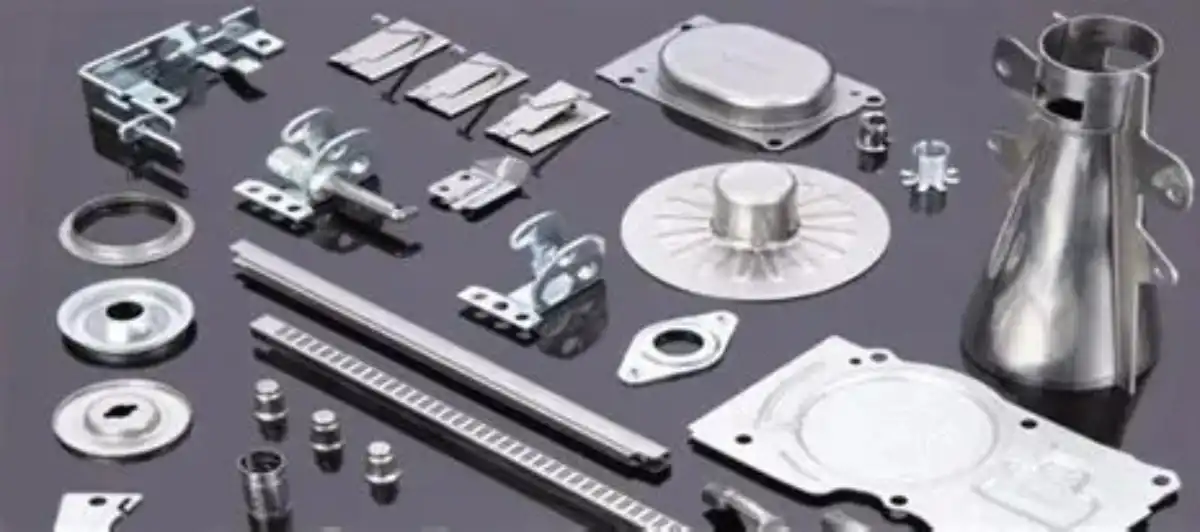
Tight precision rotational geometry is what hydraulic cylinders, pneumatic fittings, motor shafts, surgical instrument handles, and landing gear pins all rely on. In the automobile industry, turning valve components and sensor housings are used on a regular basis. Runout tolerances directly impact motion accuracy in robotics in places such as actuator pins and encoder mounts.
Key Advantages of CNC Turning vs Alternative Methods
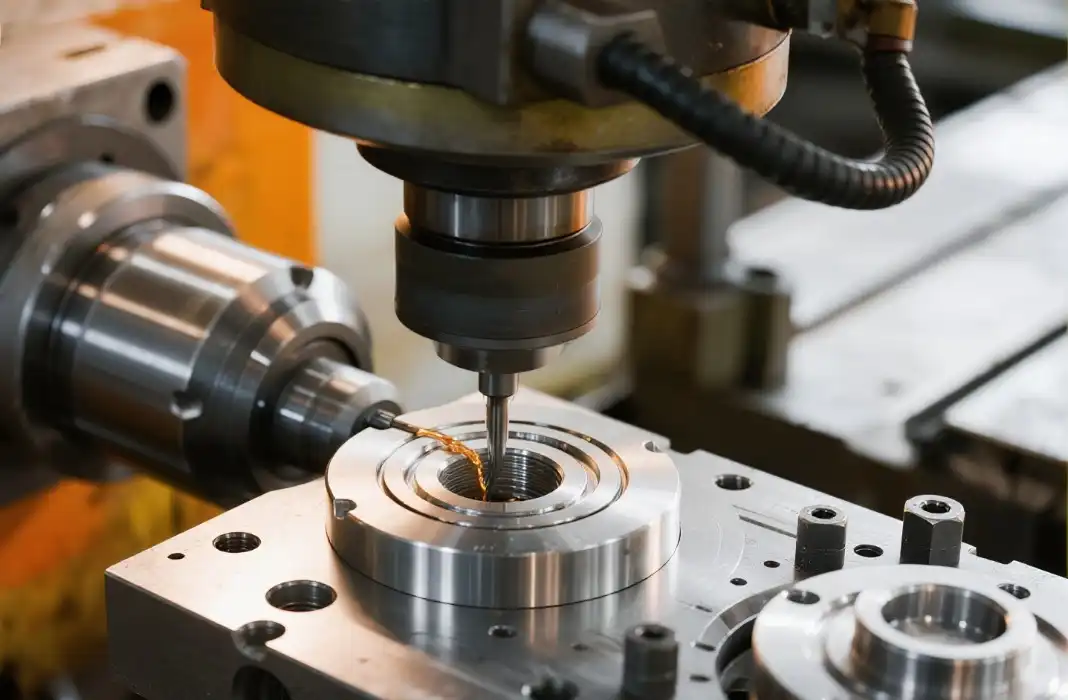
A procurement team often has to choose between CNC turning, precision CNC turning parts, and manual conventional turning. Each has its place, but the economics and accuracy profiles are somewhat different for cylindrical parts.
CNC Turning vs Manual Turning
Manual turning depends on the operator’s ability to maintain tolerances. Dimensional drift develops throughout a batch of 500 pieces. CNC turning maintains ±0.02mm on standard features and ±0.005mm on high-precision bores throughout the whole run with no human intervention. According to the Society of Manufacturing Engineers, CNC automation may minimize dimensional variation by as much as 60% over human operations.
CNC Turning vs CNC Milling for Rotational Parts
Milling is best for prismatic features – pockets, slots, and flat faces. For cylindrical geometries, the cutting action follows the part’s intrinsic symmetry, leading to shorter cycle times and reduced cost per part. If your product requires flats or cross-holes in addition to turned diameters, turn-mill operations on live-tool lathes may accommodate both demands in one configuration.
Why Custom Turning Solutions Reduce Total Cost
Custom turning algorithms optimize the course of stock removal to decrease material waste. A bar-fed CNC lathe with a well-programmed turning sequence can manufacture 200 connection pins per hour with no human involvement. That efficiency carries right through to your unit pricing without loss of surface smoothness or thread quality.
Critical Factors When Choosing a CNC Turning Parts Manufacturer
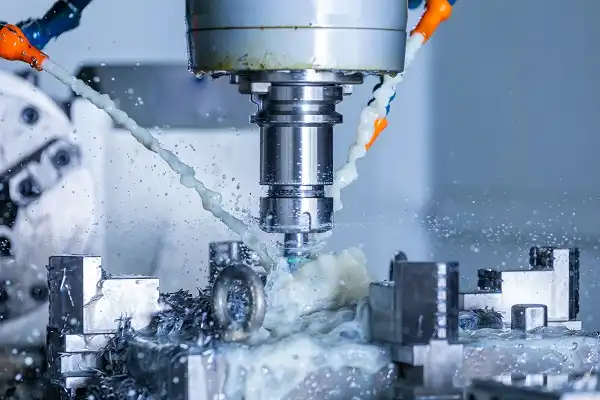
It costs a lot to correct errors made when you choose a precision machining supplier. A batch of 2,000 pump shafts is out of spec on concentricity, meaning complete rework or junk. Getting the correct criteria for suppliers helps avoid that.
These are the most important things your sourcing team has to check before making an order:
- Certifications and Quality Systems: ISO 9001 certification documents the supplier’s process control structure. Medical device components need ISO 13485. Ask for the certificates, not the summary.
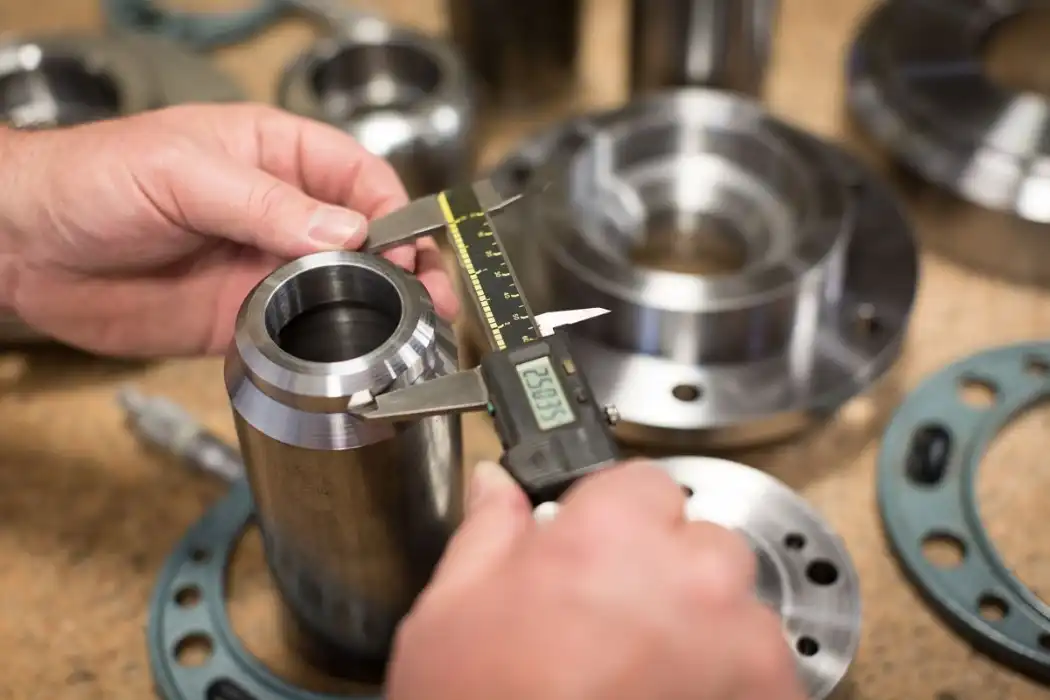
- Tolerance and Inspection Capability: Confirm the supplier has CMM equipment and utilizes calibrated Go/No-Go thread gages. GD&T callouts on first-article inspection reports prove that what the supplier monitors is important.
- Threading range, surface finish options: A provider that can cover Metric M2-M100 and Unified UNC/UNF thread standards will decrease the requirement for secondary operations. Surface polish choices down to Ra 0.8μm should be common, not special requests. Ra 3.2μm should be ordinary, not special demands.
- Structure of lead time: Delivery of prototypes within 3-7 working days and manufacturing batches within 2-4 weeks shows planned scheduling. Vague lead times suggest capacity constraints.
These standards safeguard your supply chain against quality failures and timetable problems. If a supplier can achieve all four of these, then they provide the basis for a reliable yearly sourcing agreement.
Cost Structures: Prototype vs Production Pricing
Prototype pricing reflects setup amortization across very few precision CNC turning parts. Production pricing spreads setup cost over the full batch, lowering unit price. Understand both structures before committing to a supplier; a low prototype quote paired with an inflated production price increases total program cost.
Supply Chain Reliability and On-Time Delivery
Ask potential suppliers for on-time delivery rate data from the past 12 months. A rate above 95% across mixed part complexity is a credible benchmark. BOEN Rapid maintains logistics partnerships with DHL, UPS, and FedEx to support door-to-door delivery with full shipment tracking for international customers.
Design and Specification Tips for Optimal CNC Turning Parts
A well-prepared drawing package reduces quoting errors, prevents version-control disputes, and speeds up first-article approval. Engineers who apply DFM principles early save time later.
Applying DFM Principles to Turned Components
Avoid specifying tolerances tighter than your assembly actually requires. A bore tolerance of ±0.01mm costs more to inspect and machine than ±0.02mm. If your fit analysis accepts the wider tolerance, use it. Internal undercuts and very thin walls below 1mm add machining risk; redesign these features if function permits.
Drawing Clarity and Version Management
Every drawing submitted to a supplier should carry a revision number, date, and clear GD&T callouts on critical features. Thread callouts must specify standard, class of fit, and depth. Suppliers who receive ambiguous drawings quote conservatively to cover interpretation risk, which raises your price unnecessarily.
Surface Finish and Post-Processing Options
Type II anodizing on aluminum parts adds 5–10μm per surface. Type III hard anodizing adds up to 50μm. Machine aluminum 0.05mm undersized when hard anodizing is specified to hold final dimensions. Passivation on stainless steel removes free iron from the surface and improves corrosion resistance without dimensional change—a good default for fluid system components.
How to Procure CNC Turning Parts: A Step-by-Step Guide
So the sourcing procedure, from sketching to delivery, is a predictable cycle. Procurement teams may establish realistic schedules and have a clear conversation with suppliers when they understand each phase.
Requesting Accurate Quotes
Provide a dimensioned 2D design with a 3D STEP file, indicate the material grade, desired tolerance tier, surface quality, thread standards, and target quantity. If you want to purchase again, provide volume estimates. This information offers the provider all the information they need to quote without assumptions.
Prototyping to Validate Before Full Production
Prototype parts 3-10 before going into a manufacturing batch. Check dimensional compliance to your inspection checklist, test fit and function in your assembly, verify surface polish satisfies your visual requirement. BOEN Rapid offers initial articles in 3-7 working days, enabling your team to have genuine parts for evaluation before committing to production.
Managing Global Sourcing Logistics
Prototype and urgent replenishment orders are suitable for air freight. Sea freight is cost-effective for big manufacturing batches if the timetable permits. Material certifications and inspection reports for each shipping request. These papers enhance your incoming quality inspection procedure and meet customer audit needs downstream.
Conclusion
It is still the cheapest and most cost-effective way to produce cylindrical precision CNC turning parts with tight dimensional tolerances and thread quality. By choosing a supplier with proven ISO certifications, CMM inspection capacity, and a disciplined DFM review procedure, you safeguard your program from expensive rework and schedule delays. With 15 years of machining expertise, BOEN Rapid provides variable production volumes and worldwide logistics to serve procurement teams from initial prototype to yearly production agreements. When shaft concentricity, thread dependability, and on-time delivery are critical to your business, the appropriate manufacturing partner makes all the difference.
FAQ
1. What materials work best for hydraulic and pneumatic turned components?
Stainless steel 316 handles corrosive fluid environments well. Brass C360 suits lower-pressure fittings and connector bodies. Aluminum 6061-T6 works for lightweight housings where fluid contact is limited. Material selection should match your pressure rating, fluid compatibility, and operating temperature range.
2. What are typical lead times for CNC turned parts?
Prototype first articles take 3–7 working days at BOEN Rapid. Small production batches of 100–500 parts typically complete in 10–15 working days. Larger runs of 1,000–10,000 parts require 2–4 weeks depending on complexity and finishing operations.
3. Which quality certifications should a supplier hold?
ISO 9001 covers general manufacturing quality management. ISO 13485 is required for medical device component suppliers. Dimensional compliance to ISO 2768, ANSI, ASME, DIN, or JIS confirms the supplier measures parts against recognized standards.
4. How do I prevent thread quality problems on turned parts?
Specify thread standard, class of fit, and inspection method on the drawing. A qualified supplier uses calibrated Go/No-Go gauges on every batch. For critical hydraulic fittings, request pitch diameter measurement data in the inspection report.
5. Can I order small quantities without high minimum order requirements?
Yes. BOEN Rapid accepts orders from 1 prototype piece through 10,000-unit production runs without imposing high minimums that price out small batches.
Start Your Next Project with BOEN Rapid
BOEN Rapid delivers precision CNC turning parts with tolerances to ±0.005mm, threading from M2 to M100, and prototype delivery in 3–7 working days. As a trusted precision CNC turning parts manufacturer serving automotive, medical, robotics, and industrial customers globally, we combine ISO-certified quality systems with responsive engineering support. Send your drawing to contact@boenrapid.com to request a quote within 24 hours.
References
1. Machinery's Handbook, Industrial Press, 2020.
2. Manufacturing Engineering & Technology, Pearson, Kalpakjian & Schmid, 2013.
3. SME Technical Papers: CNC Turning Process Optimization, Society of Manufacturing Engineers, 2019.
4. Quality Management Systems — Requirements (ISO 9001:2015), International Organization for Standardization, 2015.
5. Geometric Dimensioning and Tolerancing (ASME Y14.5-2018), American Society of Mechanical Engineers, 2018.
6. Fundamentals of Modern Manufacturing: Materials, Processes, and Systems, Wiley, Groover, 2019.