Titanium CNC Machining: The Complete Guide to Precision Manufacturing
Titanium CNC machining is a precision manufacturing process that shapes titanium alloys—primarily Grade 2 and Ti-6Al-4V (Grade 5)—into high-performance components using computer-controlled cutting tools. Known for an exceptional strength-to-weight ratio, natural corrosion resistance, and confirmed biocompatibility, titanium machining parts serve demanding applications across medical devices, aerospace structures, marine equipment, and industrial systems. This guide covers material properties, design standards, industry applications, material comparisons, and procurement guidance to help engineers and B2B buyers make well-informed sourcing decisions.
Understanding Titanium CNC Machining: Basics and Properties
What Makes Titanium Different from Other Metals?
Titanium is a unique metal for making. While Grade 5 (Ti-6Al-4V) is stronger than 895 MPa, it is only 4.43 g/cm³ dense, which is about 60% less than steel of the same strength. Grade 2, which is the most pure form, is less strong when pulled apart but more resistant to corrosion. This makes it the best choice for places like chemical plants and the ocean.
How the Machining Process Works
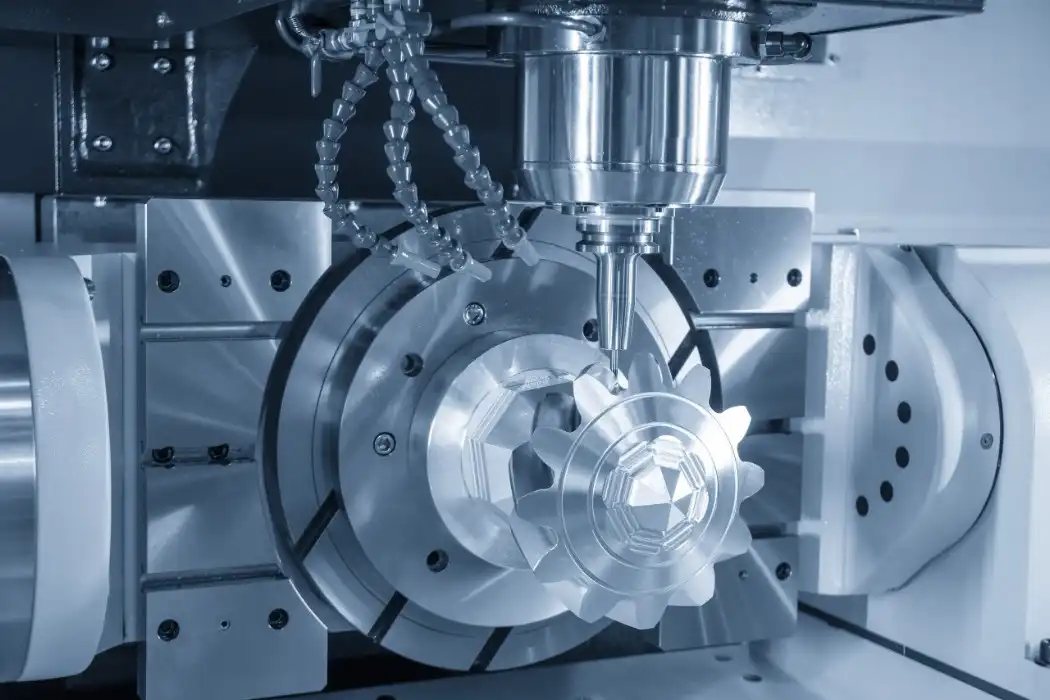
CNC titanium machining starts with billet stock that has been approved. PMI spectrometry and mill test documents can be used to check this stock. There are three, four, or five axs that are used to mill, CNC turn, and precision grind the piece of work. Titanium isn't good at moving heat, so it builds up at the cutting edge instead of spreading it out across the chip. It is possible to control the cutting speed, and high-pressure cooling systems and carbide tools keep the work from getting too hot and hard.
Surface Finishing and Post-Processing
Once parts made of titanium have been machined, they are often passivated, anodised Type II or III, bead blasted, or polished. Based on the use, the surface is kept rough at a level between 0.4 and 3.2 μm. For medical implants, surfaces with higher Ra values help the bone fuse together. For aircraft fasteners, on the other hand, mechanical wear strength is more important than surface appearance.
Design and Quality Standards for Titanium Machining Parts
Tolerance and Wall Thickness Guidelines
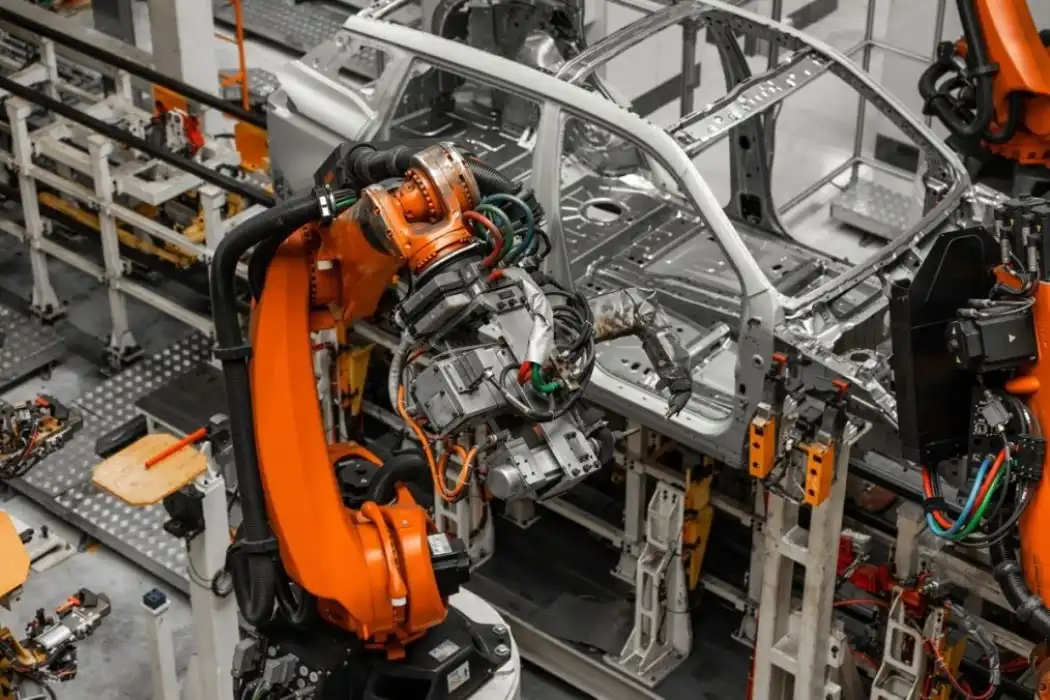
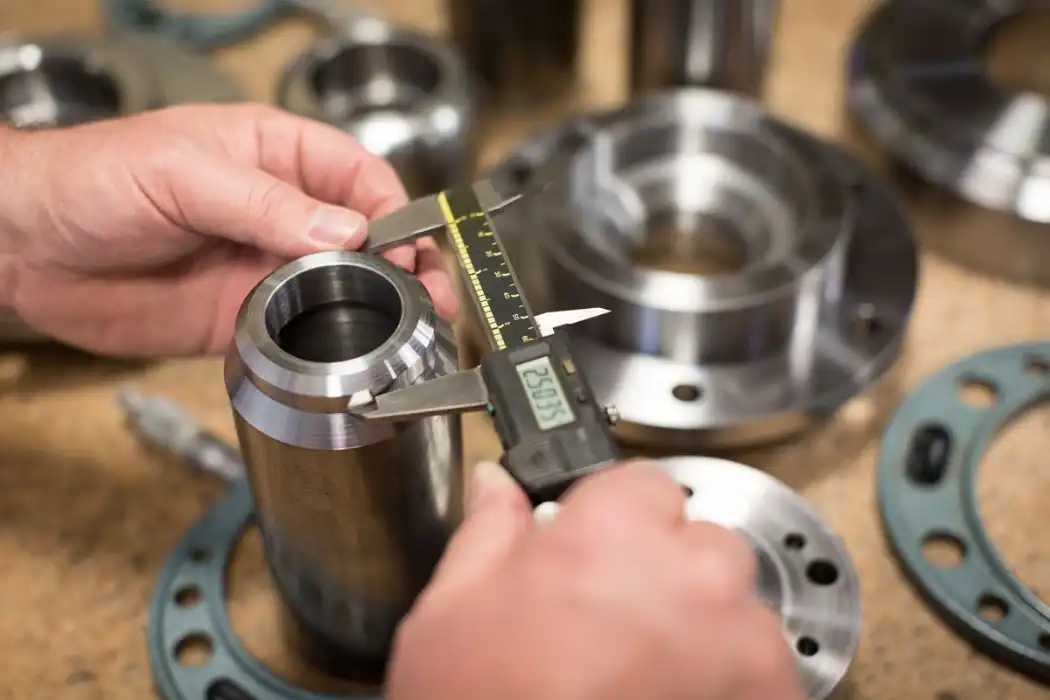
For titanium, you have to find a balance between geometric complexity and the ability to machine the material. If you use a CMM, you can hold accuracy features to ±0.005 mm instead of the standard ±0.05 mm. In general, the minimum wall width should stay above 0.8 mm so that the metal doesn't bend when it's cut. Since titanium tends to gall, thread standards need to take that into account. This means that thread relief holes and choosing the right pitch are more important than when using steel.
Accepted Industry Standards
Titanium machining parts used in regulated industries need to meet standards for both materials and processes. A few important sources are ASTM B348 for bar and billet stock, AMS 4928 for aerospace-grade Ti-6Al-4V, ISO 5832-3 for surgical implant materials, and ASTM F136 for titanium that is used in implants. Quality management systems, like ISO 9001 and ISO 13485, make sure that the whole supply chain has proper documentation, can be tracked, and can control the process.
Managing Tool Wear and Cooling Challenges
Titanium's chemical reactivity makes it stick to cutting tool surfaces. This is called galling, and it speeds up the wear on the tools. This can be fixed with variable-helix end mills, ceramic inserts, and tool movement plans that happen often. Broad-contact fixturing stops spring-back, which is caused by the material's low elastic modulus of about 114 GPa. This keeps the accuracy of the dimensions stable during the whole machining cycle.
Titanium Machining Parts in Application: Industries and Use Cases
Titanium's physical and chemical properties have earned it a permanent role in industries where failure carries serious consequences. The following sectors each rely on precision-machined titanium for reasons that go beyond material preference.
Aerospace and Defense
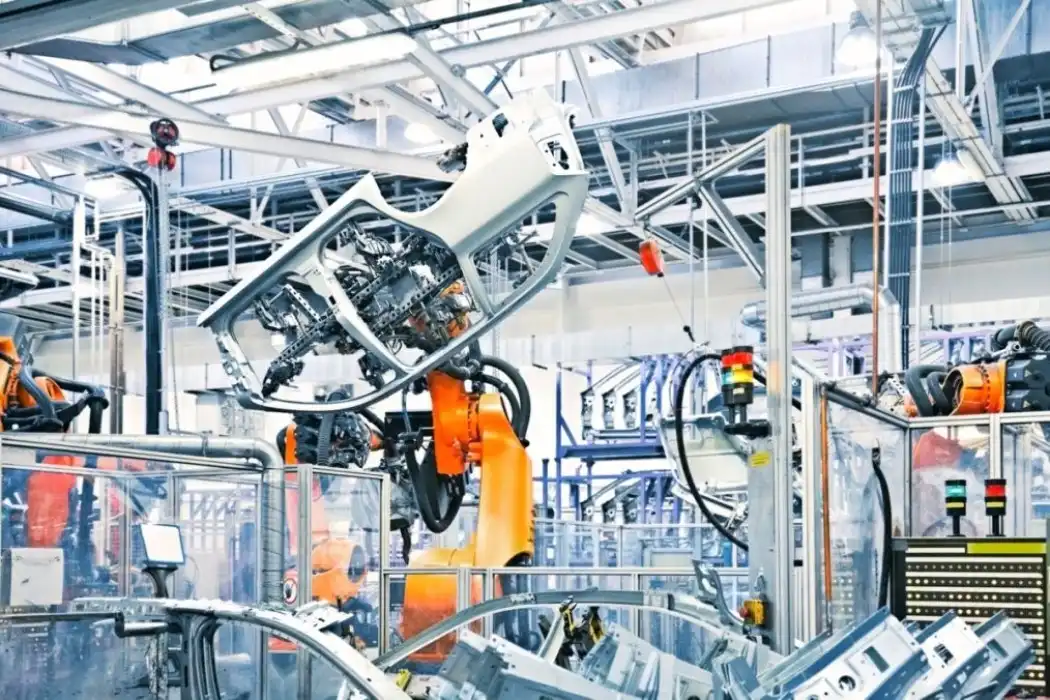
Structural fasteners, hydraulic fittings, turbine engine brackets, and landing gear components all appear in Ti-6Al-4V. These parts endure cyclic fatigue loads, fuel exposure, and temperature gradients that would degrade aluminum or carbon steel over time. Weight reduction at the component level compounds across an airframe, directly affecting fuel efficiency and payload capacity.
Medical Devices and Implants
Bone screws, spinal fusion cages, and joint replacement components rely on titanium's biocompatibility. Bone tissue bonds directly to a properly prepared titanium surface through osseointegration, removing the need for adhesive fixation. Surgical instruments machined from titanium must also pass non-magnetic and autoclave-resistance requirements, which Grade 2 and Grade 5 both satisfy under ISO 13485-governed processes.
Marine, Industrial, and High-Performance Applications
Pressure housings for autonomous underwater vehicles, desalination pump components, and propeller shafts perform reliably in saltwater environments where stainless steel would develop pitting corrosion within months. In industrial equipment, chemical processing valves and heat exchanger parts benefit from titanium's resistance to acidic and alkaline media. High-end bicycle frames and motorsport components also use Grade 5 titanium, where the strength-to-weight advantage directly translates to rider performance.
Comparing Titanium Machining Parts with Other Materials
The choice of material affects every decision that follows, from the cost of tools to the schedule for maintenance. Titanium has a higher lifetime value than most industrial metals, but it costs more at the start.
In terms of key performance areas, here's how titanium stacks up against three popular alternatives:
- Titanium vs. Stainless Steel: Titanium weighs roughly 43% less than 316L stainless at similar strength levels. Stainless steel is easier to machine and costs less per kilogram, but it corrodes in chloride-rich environments and is not biocompatible without surface treatment. For implant and marine applications, titanium's total cost of ownership is lower despite the higher unit price.
- Titanium vs. Aluminum: Aluminum offers lower density and easier machinability, but its tensile strength caps well below Grade 5 titanium. In structural aerospace and medical applications where load-bearing performance is required, aluminum cannot substitute for Ti-6Al-4V regardless of cost.
- Titanium vs. Carbon Steel: Carbon steel provides high strength at low cost but has no corrosion resistance without coating. Coatings degrade, require maintenance, and add production steps. Titanium eliminates that maintenance burden and adds weight savings in the same design envelope.
When you look at these comparisons, it's clear that titanium machining parts' higher initial cost is due to their superior performance over the lifetime of the part.
Procuring Titanium CNC Machining Parts: What B2B Buyers Need to Know
There's more to buying precise titanium parts than just comparing prices. Certification status, how paperwork is handled, and the ability of the seller to be audited all matter, especially for buyers in the medical OEM and aircraft industries that are subject to regulations.
Certifications and Compliance Requirements
To work with medical device OEMs, a titanium machining parts seller must be ISO 13485 certified and be able to show full heat lot traceability, First Article Inspection (FAI) reports, and material certificates related to specific billet heats. Compliance with AS9100D is becoming more and more important for buying aerospace. Before making a supplier an approved vendor, buyers should ask to see proof of their written quality management system.
Preparing an Effective RFQ
An accurate RFQ has 3D CAD files, 2D drawings with GD&T callouts, material specifications (grade and relevant standard), required tolerance class, surface finish target, quantity, and any testing or post-processing needs. Sending in full paperwork cuts down on the time it takes to quote and lowers the chance of scope mismatch. Digital quoting systems that let you send protected files can help protect your IP during the investigation stage.
Evaluating Lead Times and Supplier Audits
Standard wait times for prototypes of titanium parts are 3–15 working days, and low-volume production is usually done in 2–4 weeks. When buying things for regulated uses, buyers should check to see if on-site or remote supplier audits are possible. Suppliers with audit histories and third-party quality records lower the risk of not being qualified and shorten the 12–24 week initial supplier onboarding cycle that is common in medical OEM procurement.
Conclusion
CNC machining titanium gives titanium machining parts performance that few other materials can match in industrial, medical, aerospace, and marine settings. For a titanium component project to succeed, three choices must be made: choosing the right grade, keeping standards tight, and working with a seller who has the right certifications. When buyers check a supplier's ISO status, ask for material traceability papers, and look over FAI reports up front, they regularly get better part quality and fewer production interruptions over the course of the program's lifecycle.
FAQ
How much do titanium CNC machined parts typically cost compared to steel?
It costs 5–10 times more per kilogram to get titanium as a raw material than carbon steel, and machines take longer to work when they cut at slower speeds. But the shorter service life and easier upkeep often make up for the higher price at the start over the part's useful life.
What is the difference between Grade 2 and Grade 5 titanium for machined components?
Grade 2 titanium is commercially pure and has good ductility and better rust resistance, making it suitable for use in chemical and marine environments. When you add aluminum and vanadium to Grade 5 (Ti-6Al-4V), the tensile strength goes above 895 MPa. This makes it the usual choice for structural aircraft and medical implant uses.
How do manufacturers prevent titanium fires during machining?
Chips made of titanium can catch fire. Manufacturers who are responsible use Class D fire control systems, make sure that chips are always ejected to keep heat from building up, and use high-pressure oil-based or emulsion coolants. Dry machining of titanium is not allowed in places that follow safety rules.
Can titanium parts be anodized?
Yes, Type II and Type III anodizing change the width of the TiO2 oxide layer, which changes the color without using dyes by interfering with light. This method is used to find parts in medical instrument kits and to protect surfaces even more in aircraft systems.
What quality documents should a buyer request from a titanium parts supplier?
People who want to buy something should ask for material mill certificates with heat lot numbers, CMM inspection reports, data on surface roughness, PMI test results, and First Article Inspection reports. For medical uses, you also need ISO 13485 certificates and records of biocompatibility tests according to ISO 10993.
Get a Quote for Your Titanium Components from BOEN Rapid
For more than 15 years, BOEN Rapid has helped medical device OEMs, aerospace engineers, and industrial equipment manufacturers with their precision titanium machining parts projects. Our processes are approved by ISO 9001 and ISO 13485, and we offer CMM inspection, full material traceability, and DFM support. These give procurement teams the proof and trust they need. We make trusted titanium machining parts and can send prototypes in 3–15 business days and full production runs in 2–4 weeks.
To get a price right away, email your images to contact@boenrapid.com or go to boenrapid.com.
References
1. ASM International. Titanium: A Technical Guide. ASM International, 2000.
2. Boyer, R., Welsch, G., & Collings, E. W. Materials Properties Handbook: Titanium Alloys. ASM International, 1994.
3. ASTM International. ASTM F136: Standard Specification for Wrought Titanium-6Aluminum-4Vanadium ELI Alloy for Surgical Implant Applications. ASTM International, 2023.
4. International Organization for Standardization. ISO 5832-3: Implants for Surgery — Metallic Materials — Part 3: Wrought Titanium 6-Aluminium 4-Vanadium Alloy. ISO, 2021.
5. Donachie, M. J. Titanium: A Technical Guide, 2nd ed. ASM International, 2000.
6. Aerospace Industries Association. AS9100D: Quality Management Systems — Requirements for Aviation, Space, and Defense Organizations. SAE International, 2016.