CNC Turning Parts Explained: From Basics to Uses
CNC turning parts are cylindrical or rotational components produced on computer-controlled lathes, where the workpiece spins while a stationary cutting tool removes material with exceptional repeatability. Precision CNC turning parts go further—achieving tolerances as tight as ±0.005mm, surface finishes down to Ra 0.8μm, and complex thread geometries in a single setup. For procurement managers sourcing shafts, pins, fittings, and threaded sleeves in hydraulic, pneumatic, and power transmission applications, understanding how these components are made—and what separates a reliable supplier from an inconsistent one—directly impacts production quality and delivery schedules.
What Are Precision CNC Turning Parts?
The Core Manufacturing Process
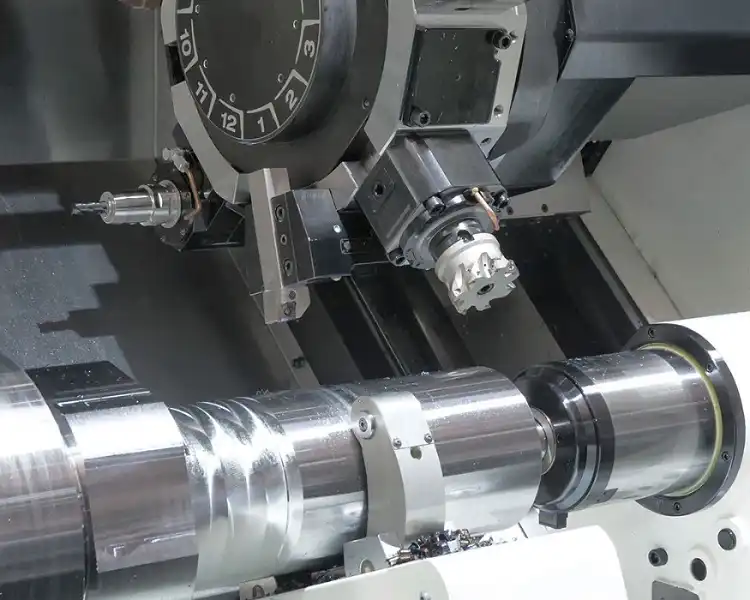
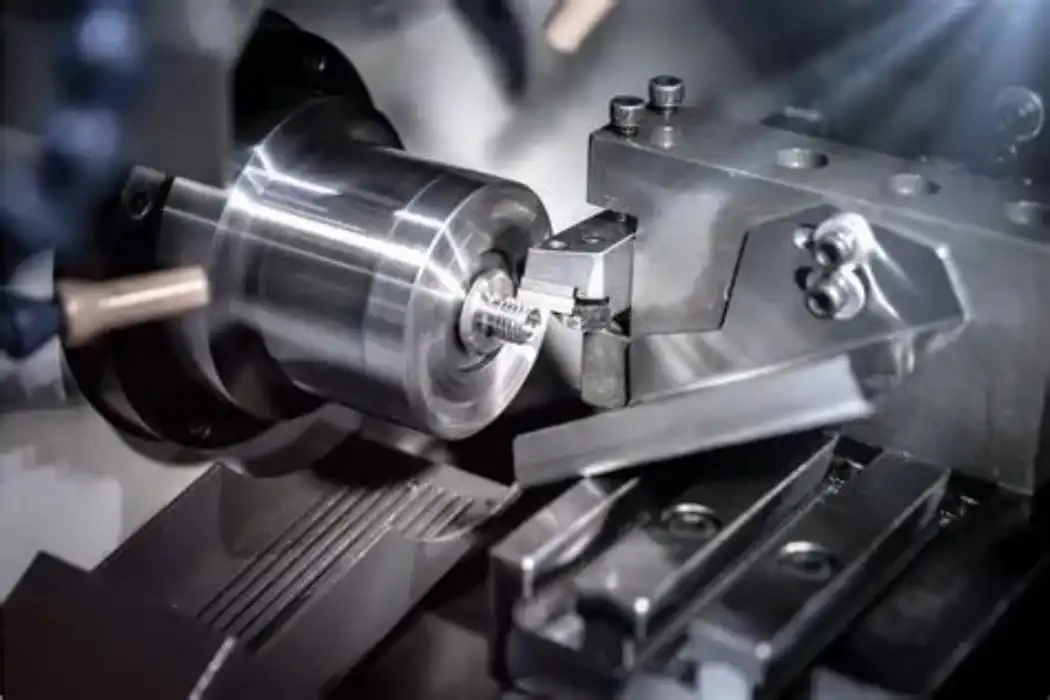
A raw piece is turned on a CNC lathe at programmed speeds, while carbide or ceramic cutting tools move along axes that have been carefully controlled. With this subtractive process, the material is shaped in a single fixture into shafts, bushings, threaded connectors, stepped pins, and eccentric profiles. CNC control, unlike manual turning, gets rid of variations caused by the operator. This means that the dimensions stay the same across batches, from one prototype to tens of thousands of production units. Modern Machine Shop (2023) says that on current multi-axis platforms, CNC turning centers can now repeat its position to within ±0.001mm.
Materials and Diameter Range
Both performance and cost are affected by the choice of materials. Aluminum 6061-T6 is easy to machine and works well for robots and air housings. 304/316 stainless steel is good for hydraulic joints and medical parts because it doesn't rust. Titanium Grade 5 has a high strength-to-weight ratio and is used in aerospace. Brass C360 is easy to machine for making precise connectors. Engineering plastics like PEEK and Delrin are used in situations where they need to be light and resistant to chemicals. BOEN Rapid can make widths ranging from Ø3mm to Ø300mm, which is the whole range that suppliers of hydraulic and transmission parts usually need.
Comparing CNC Turning with Related Machining Processes
Picking the right process relies on the shape of the part, the tolerances that need to be met, and the cost of production. Here's how CNC turning stacks up against three similar methods:
- Conventional turning depends on the ability of the user to change the tool path. This causes variations between parts that aren't good for tolerances smaller than ±0.05mm. With closed-loop feedback and programmed cutting parameters, CNC turning gets rid of this variation, making it the standard way to make a lot of rotational parts.
- CNC milling is great at making prismatic shapes with many faces, like valve bodies with flat sides, mounting brackets, and complicated pockets. But for symmetrical round parts like shafts and bearing sleeves, turning is much faster and cheaper because it takes material all the way around the circle at once instead of in separate passes.
- Swiss turning, also known as Swiss-style screw machining, can cut parts with very small diameters—typically less than Ø20mm—using multiple tools at the same time. This makes it perfect for making tiny watch parts and medical screws. Standard multi-axis CNC turning has more features and costs less to set up for the Ø3mm–Ø300mm range that is common in hydraulic and power transmission work.
According to the Society of Manufacturing Engineers Handbook (2022), CNC turning is still the most cost-effective way to make precision CNC turning parts that are circular, concentric, and have limits of ±0.005mm to ±0.02mm.
Design Tips and Best Practices for CNC Turned Components
Making good design choices early on saves a lot of money in rework later on. These rules directly apply to shafts, threaded sleeves, and connector bodies that are common in transmission and hydraulic assemblies:
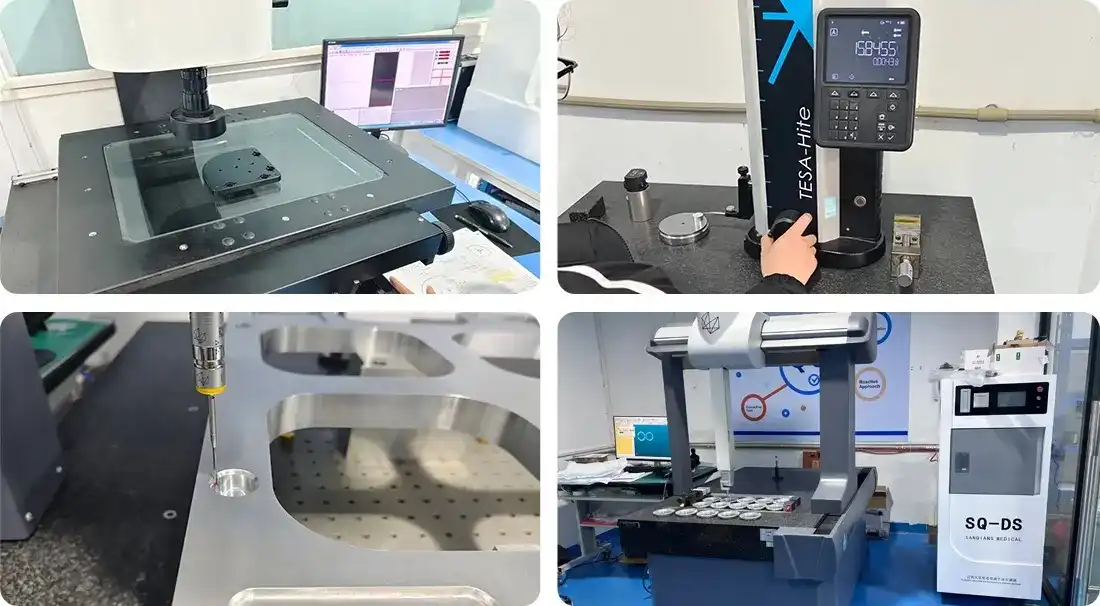
- Minimize unnecessary tight tolerances. Putting a ±0.005mm limit on every part makes the cycle time and cost go up. Keep the tightest tolerances for the bearing seats, sealing surfaces, and thread flanks that fit together. Diameters that aren't important can hold ±0.02mm without losing their usefulness.
- Design thread reliefs at thread run-outs. When threads go to a shoulder without a relief groove, the tool has to pull back when it's loaded. This makes it more likely that the threads will tear and the tool will break. A small notch—typically 0.5 to 1mm wide—makes sure the thread ends are clean and makes checking easier.
- Specify surface finish by function, not assumption. Ra 0.8μm works well for precision bearing shafts and sealing surfaces. Ra 1.6μm is good for most faces that are pairing. Asking for Ra 0.4μm on whole parts adds finishing steps and costs that aren't needed.
These design decisions also have an effect on concentricity and roundness, which are two of the most common quality issues that purchasing teams bring up with suppliers of turned shafts. Maintaining roundness within certain geometric tolerances during a production run is easier when hollow shafts have consistent wall thickness and symmetric cross-sections. Before production starts, BOEN Rapid's engineering team looks over every drawing to find ways to improve tolerances and geometry. This is done before the first chip falls.
Applications Across Hydraulic, Transmission, and Industrial Sectors
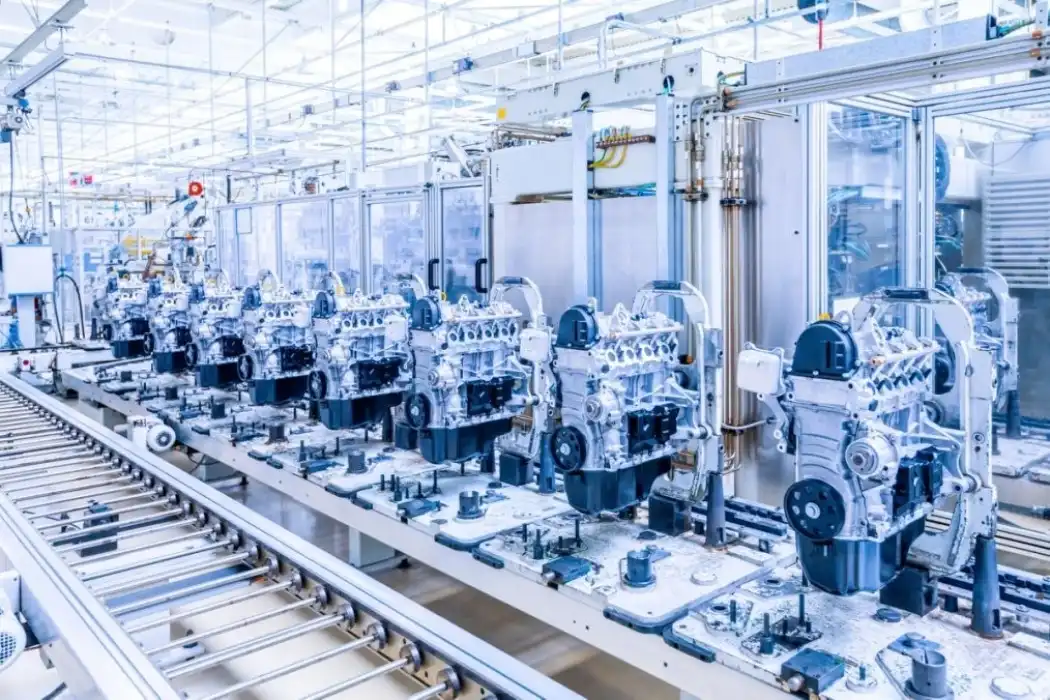
In hydraulic and power transmission systems, precision-turned rotating parts are used, and the accuracy of the dimensions has a direct effect on how well the seals work, how much load they can handle, and how long they last.
- Hydraulic systems: Cylinder rods, valve spools, port fittings, and threaded adapters need to have tight diameter tolerances and surface finishes that are Ra 0.8μm to keep their seals intact when the pressure changes.
- Pneumatic assemblies: For leak-free function, piston rods, actuator bodies, and quick-connect fittings rely on concentricity.
- Power transmission: To stop shaking and early bearing wear, motor shafts, coupler hubs, and bearing journals need precise runout control.
- Automotive and robotics: In robotics and the automotive industry, sensor housings, actuator pins, and encoder mounts are made with tight tolerances and finishes that don't rust so they last for a long time between repairs.
- Medical devices: Surgical tool handles and diagnostic equipment parts need materials that are certified according to ISO 13485 and have surface finishes of Ra 0.8μm or less.
Hydraulics & Pneumatics Magazine (2023) notes that about 34% of field seal failures are caused by turned hydraulic parts, including precision CNC turning parts, not being the right size. This shows how important it is to control tolerances during the cutting process.
How to Choose and Procure Precision CNC Turned Parts?
There's more to choosing the right provider than just comparing prices per piece. Before committing to a first order, procurement managers looking at outside suppliers for shafts, pins, and threaded sleeves should look at these signs of capability:
- Certified quality systems. Process control is confirmed by ISO 9001. Medical device parts must be certified to ISO 13485. When asked, suppliers should show proof, not just say they are certified on their website.
- Thread standard coverage. The company you work with must handle Metric M2–M100, UNC, and UNF threads with measured Go/No-Go gauges per batch. Failure of threads in hydraulic fittings when they are under pressure is dangerous and can lead to liability issues.
- Documented first-article inspection. Not just a verbal proof, but the first piece that comes off the machine should have a dimensional report that matches your drawing. This is the point where drawing version errors are found before the whole batch runs.
- Prototype-to-production continuity. Process variation happens when a supplier works on your 10-piece prototype on a different machine than they do your 2,000-piece production run. Make sure that the same rules for the equipment and tools apply from qualification to volume.
Managing lead time goals is good for everyone. BOEN Rapid can finish prototype turned parts in three to seven business days and can handle batches of ten to ten thousand units without having to change processes. DFM feedback is sent within 24 hours of a drawing being turned in, so there is no confusion about version control from the start.
Conclusion
CNC turning is the fastest way to make accurate, repeatable cylindrical and rotational parts, including precision CNC turning parts. The reliability of those parts in the field depends on the machining settings, material choices, and source qualifications you make. These choices have real effects on hydraulic, pneumatic, and transmission applications where thread quality, surface finish, and concentricity affect the integrity of the seal and the amount of load it can hold. Working with a supplier that has certified quality systems, full thread standard coverage, and clear first-article documentation lowers the risk of having to do extra work and keeps delivery dates safe for everyone in the supply chain.
FAQ
What tolerances are achievable in CNC turning?
For standard CNC turning, the range for diameters and lengths is ±0.02mm. With finely tuned tools and temperature-controlled environments, high-precision turning can reach ±0.005mm—sufficient for bearing journals and hydraulic valve spools. Possible tolerances also depend on the material, the diameter of the part, and where the feature is located.
How do I specify thread quality for hydraulic fittings?
Name the thread type (Metric, UNC, or UNF), the tolerance class (for example, 6H/6g), and the way the thread will be inspected. Each batch should have Go/No-Go gauge records. On your drawing for pressure-bearing fittings, you should also show the thread run-out relief geometry.
What is the typical lead time for small batch CNC turned parts?
It usually takes 3–7 working days to ship prototypes of 1–10 pieces. Small batches of 50 to 500 pieces can be made in 10 to 15 working days, based on the supply of materials and the level of finishing needed. Suppliers can correctly plan their production when you tell them when you need the goods by.
Can I switch materials between prototype and production without re-qualification?
When you change the material, the dimensions change. For example, different alloys have different cutting and thermal expansion coefficients. Make sure that when there is a material change, the provider performs a new first-article inspection and does not use the current dimensional records.
Ready to Source Precision CNC Turned Components? Partner With BOEN Rapid
BOEN Rapid is a trusted precision CNC turning parts manufacturer serving hydraulic, pneumatic, and transmission OEMs across North America and globally. With tolerances to ±0.005mm, full Metric and Unified thread coverage, and ISO 9001/ISO 13485 certified processes, we deliver prototype to production continuity your supply chain can rely on. Submit your drawing today and receive DFM feedback within 24 hours. Contact our team at contact@boenrapid.com or visit boenrapid.com to request a quote.
References
1. Modern Machine Shop – "CNC Turning Center Accuracy Benchmarks," 2023.
2. Society of Manufacturing Engineers (SME) – Manufacturing Engineering Handbook, 2022.
3. Machinery's Handbook, 32nd Edition – Industrial Press, 2024.
4. Hydraulics & Pneumatics Magazine – "Root Causes of Hydraulic Seal Failure in Machined Components," 2023.
5. American Machinist – "Design for Manufacturability in Precision Turning," 2022.
6. International Journal of Advanced Manufacturing Technology – "Tolerance Stack-Up Analysis in CNC Turned Hydraulic Components," Vol. 118, 2023.