Custom CNC Milling Machine Parts: Manufacturing Process and Precision Applications
Custom CNC milling machine parts are precision-machined components produced on computer-controlled multi-axis milling machines, engineered to exact CAD specifications. These parts — ranging from structural frames and sensor housings to robotic arm brackets and actuator casings — form the backbone of modern industrial equipment, automation lines, and advanced engineering systems. With tolerances as tight as ±0.005mm and material options spanning aluminum alloys, stainless steel, and titanium, precision milled components deliver the dimensional accuracy and surface quality that demanding B2B applications require. This article walks through the full manufacturing process, industry applications, procurement guidance, and emerging trends shaping the field.
Understanding the Manufacturing Process of Custom CNC Milling Machine Parts
Making accurate, reliable parts starts long before the machine starts cutting. The process needs careful teamwork between choosing the right material, planning the cutting, and checking the quality at every step.
Material Selection Drives Everything Downstream
Choice of material affects how easy it is to machine, how smooth the surface can be, and how well the part will work in the long run. We machine a lot of different materials at BOEN Rapid. These include aluminum alloys (6061, 7075, and 5052) for building frames that are light; stainless steel 304 and 316 for enclosures that don't rust; titanium for uses in aerospace and medicine that need high strength-to-weight; and engineering plastics like PEEK, POM, and PTFE for use in specific conditions. Each item comes with a certificate that can be tracked back to its original batch. This gives procurement engineers the proof they need for quality compliance and source checks.
Precision Machining Techniques That Achieve Tight Tolerances
Multi-axis CNC milling removes material by using computer-controlled cutting paths that are coordinated and come directly from your STEP or IGES files. Standard tolerances for our tools are ±0.005mm to ±0.1mm, and surface roughness ranges from Ra 0.4μm to Ra 3.2μm, based on the needs of the job. Over part envelopes as big as 1200mm x 800mm x 600mm, complex geometries like precision pockets, curved profiles, deep slots, and fine bore features down to 0.5mm can be made. Hubs' industrial knowledge base says that CNC milling works best for small production runs and samples that need to be very accurate in terms of size for thermal, mechanical, and structural uses.
Quality Control: From First Article to Final Shipment
Before leaving the facility, every part is inspected for dimensions, surface finish, and tests that are specific to its use. BOEN Rapid uses quality management systems that are certified by ISO 9001 and ISO 13485. As normal paperwork, they provide first item inspection reports, full dimensional measurement records, and material certificates. This organized chain of inspections takes the guesswork out of qualifying suppliers and helps customers do factory audits by providing full traceability.
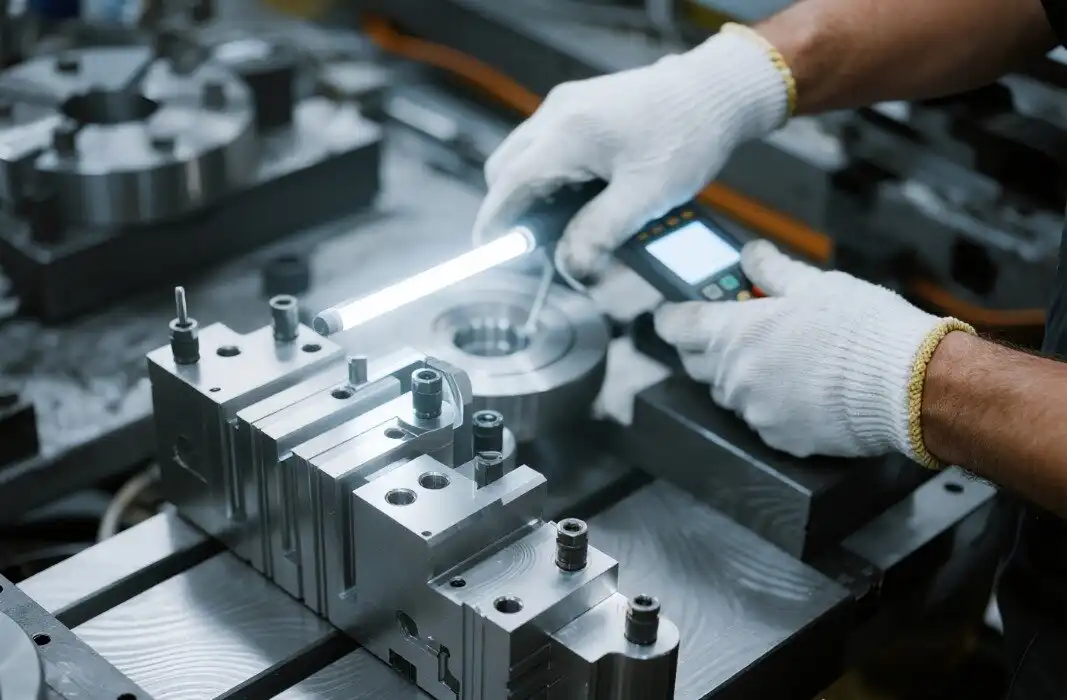
Precision Applications of Custom Milled Components in B2B Industries
Custom milled structural parts are used by engineering teams in many different industries to make sure that machines work properly. These aren't generic parts; they're application-specific solutions where differences in size have a direct effect on how the system works.
When it comes to industries, these are the main ones where CNC milling machine parts add real value:
- Robotics & Automation: To keep their calibration over production cycles, mounting clamps, actuator cases, sensor enclosures, and robotic arm links need to be made with the same shape over and over again. Even a difference of 0.01 mm in a mounting plate can cause setting mistakes all along an automatic line.
- Industrial Equipment: Standard off-the-shelf gear can't always meet the smoothness and parallelism requirements for machine frames, tooling plates, jigs, and fittings. Engineers can design around specific load paths and assembly interfaces when they use custom machined parts.
- Medical Devices: For medical devices, like surgical tool bodies and diagnostic equipment housings, biocompatible materials like titanium and stainless steel 316L are needed, along with surface finishes and size limits that meet ISO 13485 standards.
- Aerospace: 7075 aluminum and titanium alloys are good for making lightweight structural fittings and test equipment parts, where the strength-to-weight ratio is very important. Titanium is 40% lighter than steel, but its tensile strength is only about 5% lower. Because of this, it is essential for weight-sensitive systems.
These use requirements show why accuracy at the component level directly leads to reliability at the system level. For example, a company that makes automation equipment and needed custom sensor housings saw a 30% drop in the amount of work that had to be redone after switching from standard stock enclosures to custom milled aluminum 6061 housings with controlled bore tolerances. This was because the dimensions were more consistent across all batches of production.

How to Choose and Procure Custom Milled Parts Effectively?
Choosing where to buy precision-milled parts comes with real operating risk. If you choose a provider that isn't qualified, you might end up with different sizes, prototypes that are late, or gaps in the paperwork that delay the start of production. The following things can help the planning and buying teams choose suppliers that meet the needs of the project.
When choosing a CNC milling machine parts provider, you should pay close attention to these things:
- Tolerance capability and verification: Don't just believe the seller when they say they can hold the tightest margin on your drawing; make sure they can. Ask for examples of inspection reports from parts that are similar.
- Material certification: Titanium, aluminum 6061/7075, and stainless steel 304/316 should all have mill certificates that can be tracked back to the source. For businesses that are controlled, this can't be changed.
- DFM feedback quality: A good provider will find risks to manufacturability before production starts, such as thin wall sections, undercuts that need special tools, or feature geometries that add extra cost.
- Prototype lead time: For engineering change cycles, a prototype turn-around time of 3–15 days is a good guideline for iterative development plans.
- Batch consistency: To check if the process is stable across large orders, ask for CPK data or first item inspection results from earlier production runs.
Reliable long-term partners are different from transactional vendors because they are open and honest about lead times, minimum order flexibility, and how they handle engineering changes. BOEN Rapid offers initial project feedback 24 hours a day, there is no minimum order quantity, and returning customers can set up monthly or quarterly blanket orders.
Maintenance and Longevity of Precision Milled Components
Custom CNC milling machine parts are made to very high standards, but how long they work depends on how well they are taken care of in the equipment assembly. Bearings, seals, and the points where linear guides meet are common places for wear that can be helped by regular inspections.
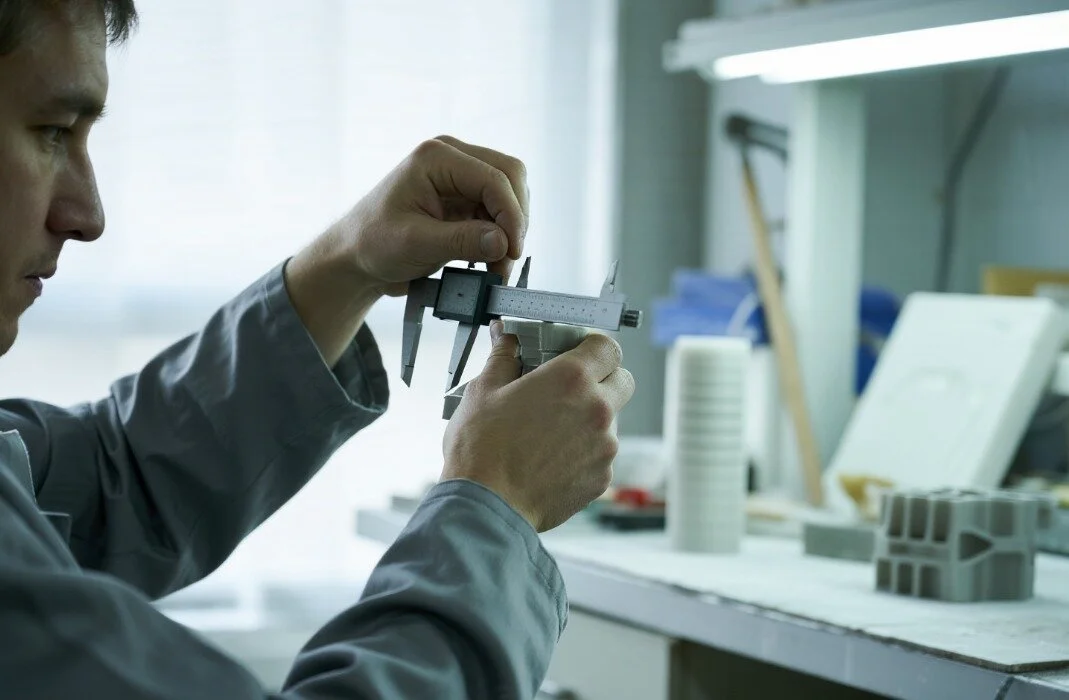
Regularly greasing the sliding and bearing surfaces, checking the flatness of load-bearing plate mounting surfaces on a regular basis, and checking the coolant system on parts that interact with heat cycles are all practical maintenance objectives. Unplanned downtime is cut down by a lot when worn seals or guide inserts are replaced on a regular basis instead of when they break. Using precision gaging to track real-time measurement drift in high-cycle applications lets teams plan replacements before tolerance stack-up hurts the quality of the parts they make.
Future Trends in CNC Milling Component Manufacturing
Things are changing in the industrial world for precision cut parts. Integration into Industry 4.0 is increasing the need for IoT-compatible parts that have built-in sensor interfaces and the ability to monitor in real time. Putting nanocoatings on cut surfaces now makes them more resistant to wear in high-cycle automation settings than hard chrome or anodizing alone. More and more, additive manufacturing is used with subtractive milling in hybrid workflows. Near-net-shape additive processes cut down on material waste on complicated shapes before final CNC finishing gives the necessary tolerances.
These trends show procurement experts how important it is to work with makers who put money into process research and development and equipment capability. Suppliers who can help with DFM for hybrid manufacturing methods or choosing the right coating for a part's intended use add value on top of the machined CNC milling machine parts.
Conclusion
Precision engineering and reliable manufacturing meet at the point where custom CNC milling machine parts are made. Each step of the process, from choosing the right material and multi-axis machining to thorough inspection and keeping quality records, directly affects how well the finished part works in the field. When industrial equipment makers and automation engineers are looking for low- to medium-volume precise parts, the most important factors that set capable partners apart from commodity providers are the ability to hold tolerances, the ability to track materials, DFM knowledge, and the speed at which prototypes can be made. When buying teams know about these things, they can make decisions about where to buy things that will support product quality and long-term production stability.
FAQ
What tolerances can custom CNC milled parts achieve?
How close can unique CNC milling machine parts get to each other? Tolerances for standard cutting are between ±0.005mm and ±0.1mm, based on the material and the shape of the feature. For applications where fit and function are very important, tighter tolerances can be made upon request.
What file formats do you accept for quoting?
BOEN Rapid works with PDF, STEP, IGES, STL, X_T, and DWG files. For accurate quoting and DFM analysis, STEP files have the most complete 3D geometry data.
How long does prototyping take?
Depending on the difficulty of the shape and the availability of the material, prototype parts are usually sent within 3–15 working days. Most low-volume production runs are finished in two to four weeks.
Can you handle small batch orders?
There is no minimum amount that you must buy. Orders ranging from a single test part to production runs of 10,000 or more pieces are handled with the same level of quality control.
Do you provide material certificates?
Yes. As standard, all metals are supplied with traceable mill certificates. This includes titanium, aluminum 6061/7075, and stainless steel 304/316.
Partner with BOEN Rapid for Precision CNC Milling Machine Parts
BOEN Rapid offers approved precision milled parts with limits of ±0.005mm, a response time of 24 hours to RFQs, and prototype delivery in 3–15 days. As a CNC milling machine parts manufacturer with a lot of experience, we can help with OEM/ODM projects from single prototypes to mass production. Our services include full material certification, DFM analysis, and ISO 9001/13485 quality documentation. Send your plans to contact@boenrapid.com or go to boenrapid.com to begin the review of your project right away.
References
1. ASM International. (2019). Metals Handbook: Properties and Selection of Aluminum Alloys. ASM International. — Referenced in material selection section.
2. Hubs. (2023). What is CNC Milling? Hubs Manufacturing Knowledge Base. — Referenced in precision machining techniques section.
3. Boyer, R. R. (1996). An overview on the use of titanium in the aerospace industry. Materials Science and Engineering: A, 213(1–2), 103–114. Elsevier. — Referenced in aerospace applications section.
4. Thomas, A. (2021). B2B Manufacturing Procurement: Supplier Evaluation Frameworks. Industry Week. — Referenced in procurement guidance section.
5. Bhushan, B. (2017). Introduction to Tribology (2nd ed.). Wiley. — Referenced in nanocoatings and surface treatment section.
6. Tao, F., Qi, Q., Liu, A., & Kusiak, A. (2018). Data-driven smart manufacturing. Journal of Manufacturing Systems, 48, 157–169. Elsevier. — Referenced in Industry 4.0 and future trends section.