CNC Milling Machine Parts and Their Function - Premium Parts
CNC milling machine parts are precision-machined components produced on computer-controlled multi-axis machines, capable of generating complex geometries including pockets, slots, contoured surfaces, and precision bores. These components serve as the structural and functional backbone of industrial equipment, automation lines, and robotics systems. Whether you need a sensor enclosure, mounting bracket, or machine frame, understanding how each component functions — and what makes one supplier better than another — directly affects your equipment's reliability, dimensional accuracy, and total lifecycle cost.
Understanding CNC Milling Machine Parts: Names, Functions & Components
Modern CNC milling machine parts are made up of many separate components that work together. Each is a measured part of getting accurate measurements and consistent output quality.
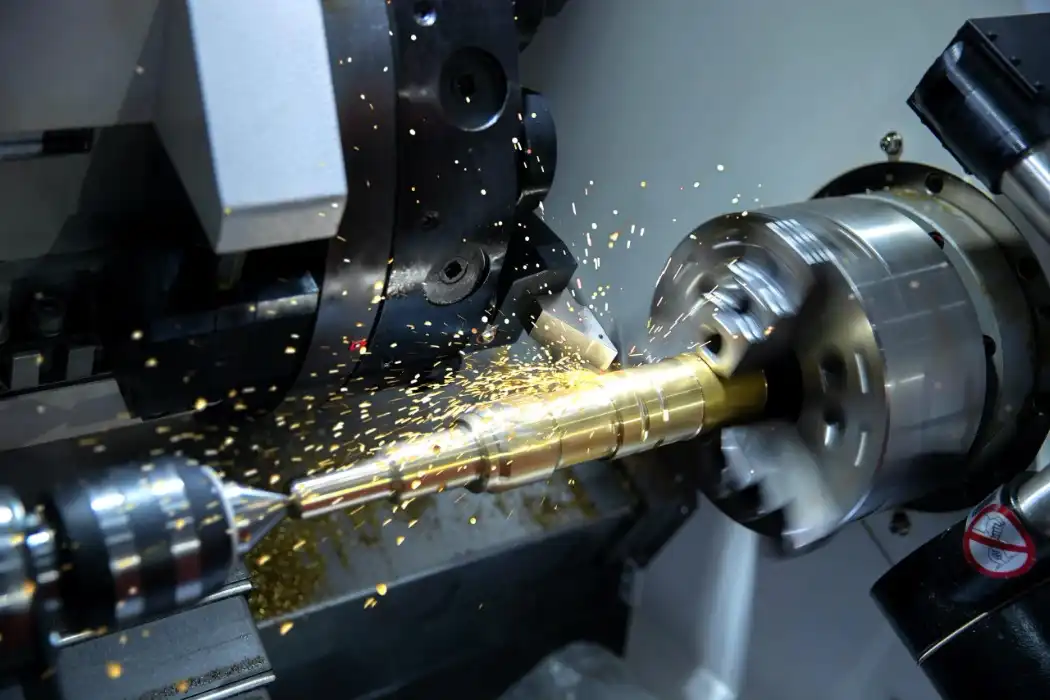
Core Mechanical Components and Their Functions
The spindle is what makes a cutting machine work. It holds the cutting tool in place and turns it at set speeds, which has a direct effect on the surface finish and the tolerance for size. With a high-speed spindle going between 12,000 and 30,000 RPM, the surface roughness of aluminum alloys can be as low as Ra 0.4μm.
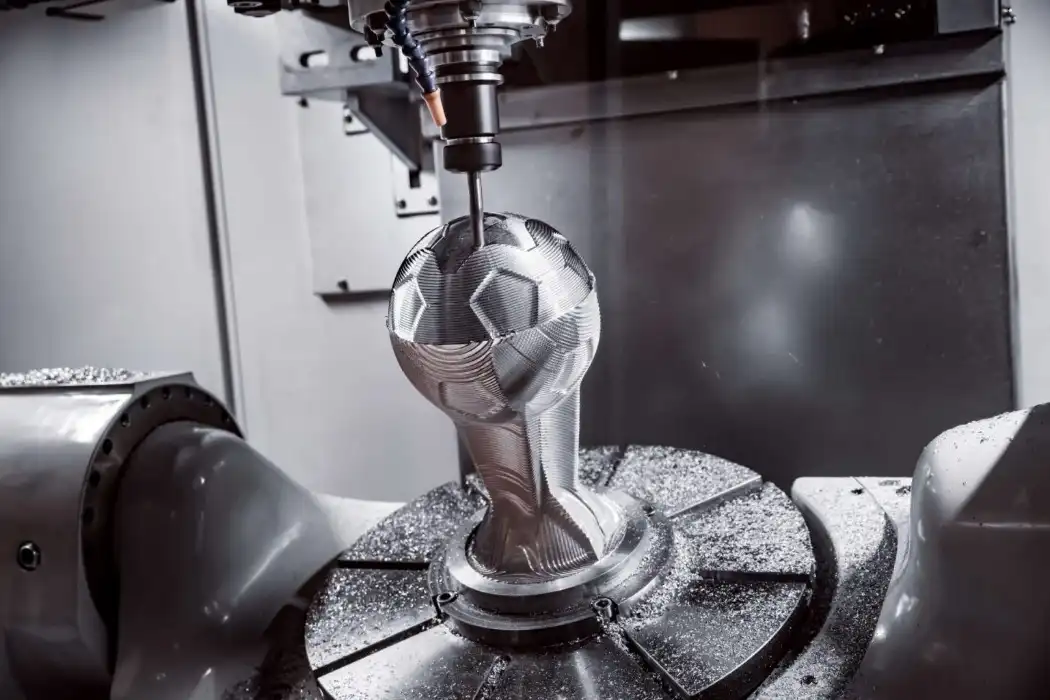
The worktable holds the piece of work in place and moves it exactly along the X, Y, and Z directions. On 5-axis platforms, two extra rotational axes make it possible to machine complex undercut features in a single setup. This gets rid of the need for multiple fixturing operations, where mistakes happen when the parts are moved around.
The CNC controller reads G-code that comes from your CAD/CAM files. It controls the tool path, feed rate, spindle speed, and the ability to turn on the coolant. The accuracy of the controller directly affects whether the finished part fits within a tolerance of ±0.005mm or drifts outside of that range.
Cutting Tools and Coolant Systems
Cuts are made by high-speed rotating cutting tools like end mills, face mills, ball-nose cutters, and drill bits. The shape of the tool and its coating (TiN, TiAlN, or DLC) must match the material of the workpiece. Titanium, for instance, needs tools that are sharp, not coated, or coated with TiAlN, and feed rates that are slow so that the metal doesn't get too hard.
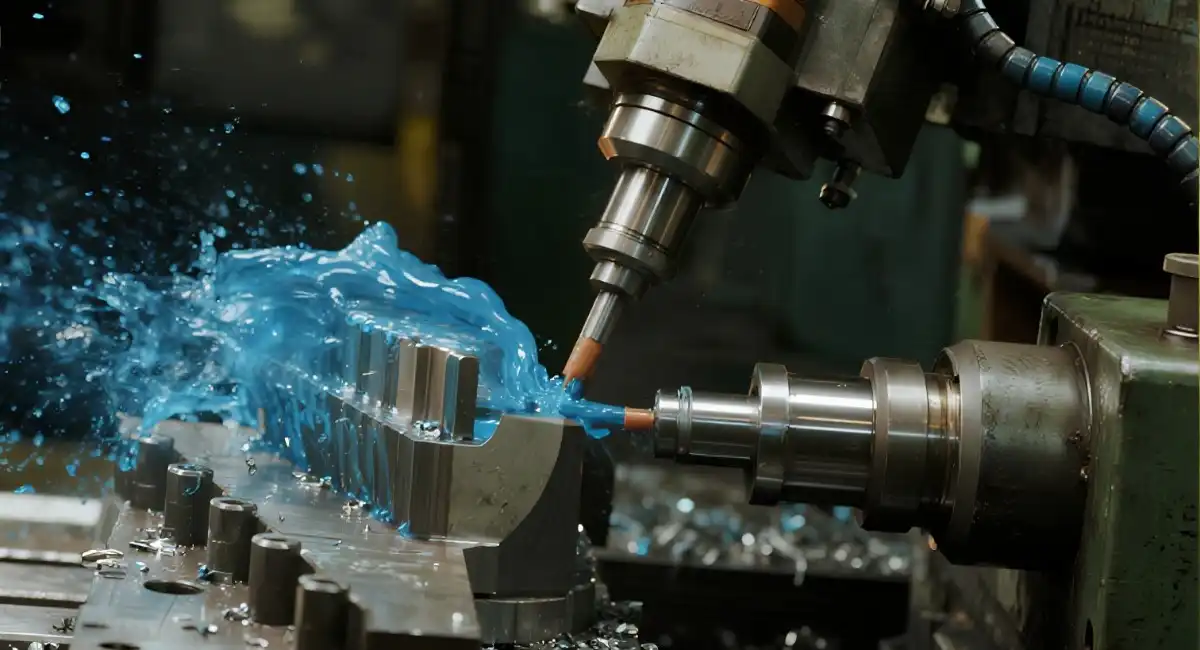
Coolant systems control the amount of heat that is made while cutting. Not enough cooling speeds up tool wear, changes the size of the part through thermal expansion, and lowers the quality of the surface. Flood coolant, mist systems, and through-spindle coolant are all good for different types of materials and tolerances.
Unexpected downtime can be avoided by checking the spindle bearings, ball screws, and tool holders on a regular basis. Unplanned machine stops cost factories an average of $260,000 per hour in lost production, according to studies in manufacturing engineering.
Comparing Precision Milled Components: Choosing the Best for Your Application
Different CNC milling machine parts don't all work the same way. When it comes to automation and robotics, the difference between standard and high-precision parts is important because consistent dimensions have a direct effect on how well the system fits together and how it is calibrated.
Material Selection: Aluminum, Stainless Steel, and Titanium
The aluminum metal 6061 is easy to machine, has a good strength-to-weight ratio for structural braces, and can be anodized. Alloy 7075 has a higher tensile strength (503 MPa vs. 310 MPa for 6061), which makes it better for robotics frames that hold weight.
Stainless steel 316 is more resistant to corrosion than 304, which is important for parts in medical and food preparation equipment that are exposed to cleaning agents or salty surroundings. Titanium is much stronger than steel compared to its weight. It is about 40% lighter than steel but only 5% weaker, which is why it is used in so many high-performance robotics parts and aircraft structural fittings.
Choosing the wrong material can shorten the life of a part and cause it to lose its shape when it is heated and cooled. Procurement experts should think about these main trade-offs:
- Aluminum 6061/7075: Ideal for frames, mounting plates, and enclosures because it is light, easy to machine, and cost-effective for prototypes and medium- to high-volume production.
- Stainless Steel 304/316: Has a hard surface and doesn't rust, so it's best for sensor housings, medical device parts, and parts that come into contact with fluids.
- Titanium: Has a high strength-to-weight ratio, is biocompatible, and doesn't rust. It is best for aircraft fittings, orthopedic parts, and high-demand automation gear.
These features of the material directly affect whether your finished assembly meets service life goals or needs to be replaced too soon, which costs a lot more than the initial savings you got from picking a lower-grade choice.
CNC Milling vs. CNC Turning: Knowing the Difference
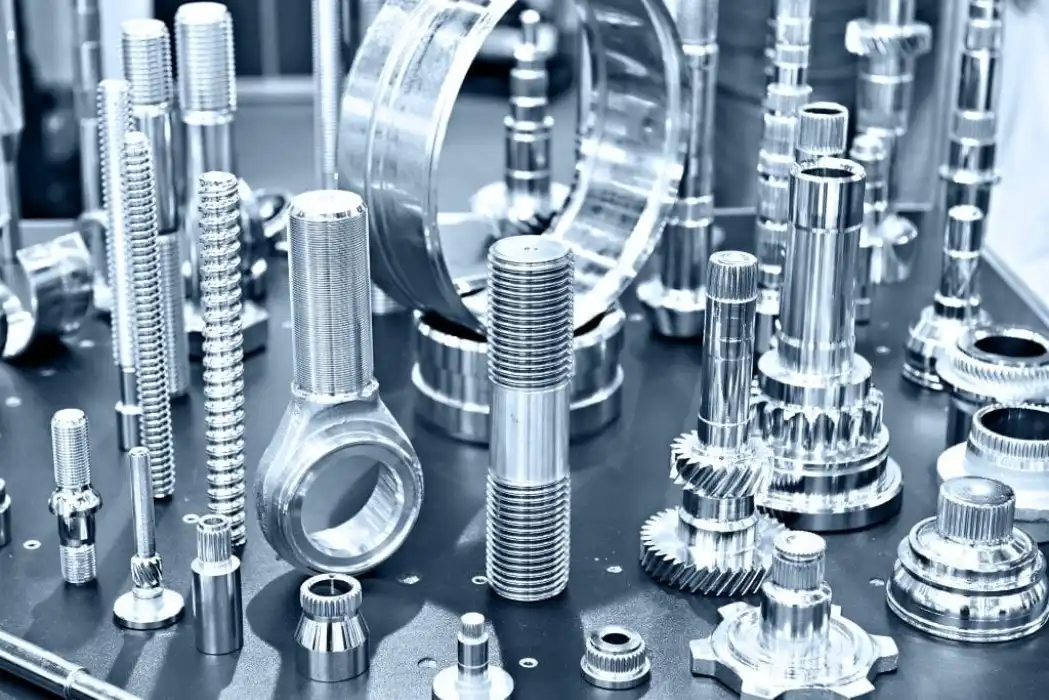
A rotating multi-point cutting tool is used in CNC milling to make flat, curved, and prismatic surfaces. By spinning the workpiece against a single-point tool, CNC turning makes shapes that are either cylindrical or conical. Machine frames, mounting brackets, and sensor housings are examples of structural equipment parts that are mostly milled. It is possible to turn shafts, bushings, and round connections. By choosing the right process, you can get the best results in terms of both dimensions and cost.
Procurement Guide: How to Source Precision Machined Components Efficiently
When buying custom CNC milling machine parts, there is a real risk if the suppliers don't have quality systems that can be checked. You can't just judge a manufacturer by their license; you also need to see proof of their process control, DFM skills, and consistent delivery.
For suppliers to be qualified, they must have ISO 9001 certification for general industrial parts and ISO 13485 certification for medical-related uses. They must also have documented first-article inspection reports, material traceability certificates (for example, mill certificates for aluminum 6061-T6 or titanium Grade 5), and proof that they can hold tolerances of ±0.005mm or less.
Lead time openness is just as important. With the right CNC capacity plans, prototypes can be made in 3–15 working days. Low-volume runs of 50 to 500 pieces usually take two to four weeks. When buyers legally confirm lead times before committing to production schedules, delays in assembly further down the line are greatly reduced.
For OEM and ODM buyers who are in charge of handling multiple families of parts, bringing all of their suppliers under one production partner that can do milling, surface treatment, assembly, and inspection cuts down on the work that needs to be done to coordinate everything and lowers the chance that tolerances from different suppliers will pile up.
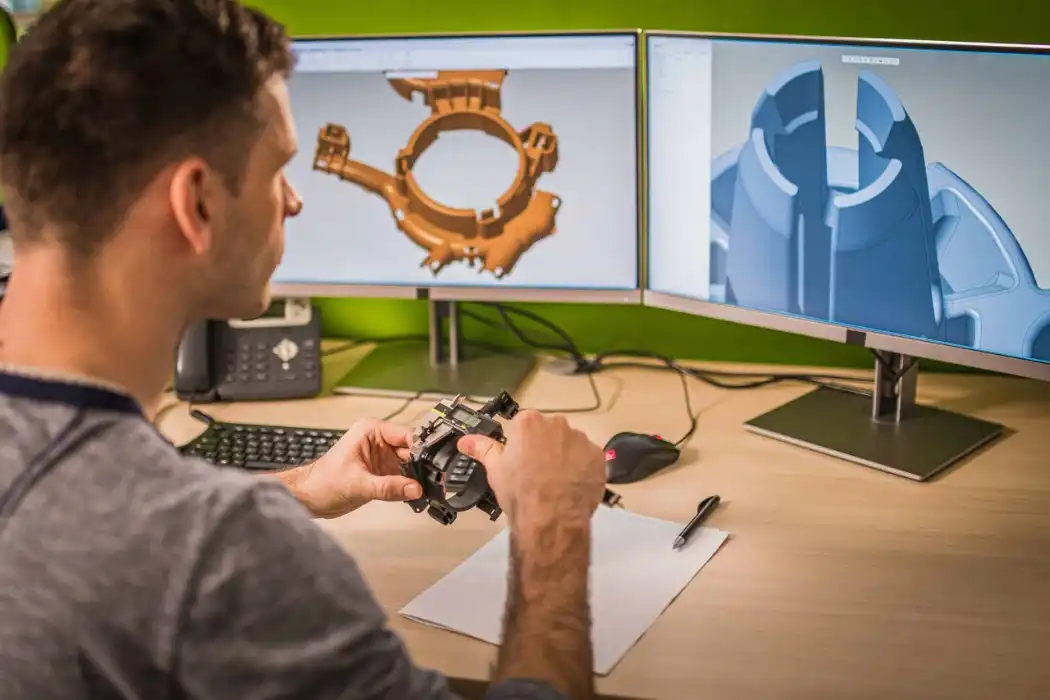
Why BOEN Rapid Stands Apart as a Precision Machined Parts Supplier?
BOEN Rapid is based in Dongguan, China, and has been specializing in precision CNC machining, rapid prototyping, and small-scale production for more than 15 years. Our production platform can do engineering plastic processing, welding, surface finishing, precision assembly, and multi-axis CNC milling machine parts production all in one place.
Here are the main things that make our service stand out:
- ±0.005mm tolerance capability: Dimensional inspection reports are sent with every order, no matter how big or small the batch is.
- 3–15 day prototype delivery: Available for qualified drawings in STEP, IGES, DWG, or DXF format, with project feedback provided within 24 hours.
- No minimum order quantity: The pricing structure supports single samples through 10,000-piece production runs without penalty on small batches.
- Professional DFM analysis: Before production starts, analysis identifies tolerance conflicts, thin wall risks, and tool access limits that could lower the quality of the part.
- ISO 9001 and ISO 13485 certified: Quality management systems include full material certification, first article inspection, and handling of designs protected by NDAs.
These features directly address the problem of keeping quality the same across multiple orders, which is something that procurement engineers in charge of multi-SKU equipment programs know all too well. No matter how many pieces you order—10 or 10,000—BOEN Rapid can make the same part over and over again thanks to its coded programs and written process parameters.
Maintaining Precision Machined Components for Long-Term Performance
Manufactured CNC milling machine parts wear out. Failures of expensive systems can be avoided by spotting early signs of wear. Spindle bearing wear leads to measurable runout increases, usually seen above 0.01mm, which directly lowers the quality of the machined surface. When ball screws wear out, they cause positioning drift that builds up over long production runs.
Some preventative maintenance methods that make parts last longer are lubricating linear guides and ball screws at the times recommended by the machine maker, checking the runout of tool holders and spindle interfaces on a regular basis, and analyzing vibrations during cutting to find imbalances before they damage precision surfaces.
If a part needs to be replaced, using documented parts with traceable material certificates makes sure that the new part works just as well as the old one. Using extra parts that aren't approved can cause differences in size and mechanics that affect how well your machine works.
Conclusion
Good buying choices are based on knowing what each CNC milling machine parts component does (spindles, cutting tools, structural frames, and sensor enclosures, for example) and choosing the right material for the job. When it comes to dimensional stability, service life, and total cost of ownership, premium precise components always do better than regular options. Picking a qualified supplier with quality systems that are certified, DFM capabilities, and dependable lead times will protect your production schedule and the performance of your equipment for as long as it is in use.
FAQ
What are the most critical components to maintain in a CNC milling machine?
The most careful repair needs to be done on spindle bearings and ball screws. Spindle runout greater than 0.01mm hurts the surface finish and accuracy of the measurements. Ball screw wear causes placement mistakes that add up over time. These parts stay in line with specifications thanks to regular lubrication, vibration monitoring, and geometric calibration.
Should I use OEM or aftermarket precision machined parts?
For structural and dimensionally important parts, it is strongly suggested that you buy them from a recognized maker whose materials can be tracked back to the source. Uncertified aftermarket parts can cause differences in measurements that can affect how well an assembly fits, how well the machine is calibrated, and whether the guarantee is followed.
What lead times should I realistically expect for custom milled components?
Standardly complicated prototype parts usually ship 3–15 working days after the drawing is approved. Making 50 to 500 pieces at a time usually takes 2 to 4 weeks. By telling your supplier ahead of time about your project's schedule, you can make sure that there are no last-minute delays.
What file formats do I need to submit for a custom milling quote?
Most reliable suppliers can work with STEP, IGES, STL, X_T, DWG, DXF, and PDF files. For communicating 3D modeling precision and tolerances, STEP files are the best choice.
Partner with BOEN Rapid for Precision CNC Milling Machine Parts
BOEN Rapid makes custom CNC milling machine parts with a tolerance of ±0.005mm. Their processes are ISO 9001 and ISO 13485 certified, and they have more than 15 years of experience making things. We are a reliable manufacturer that works with customers around the world in industrial equipment, robotics, medicine, and aerospace. We offer fast 24-hour RFQ responses, professional DFM support, and the ability to make orders of any size. Send us your plans right away, or email our engineering team at contact@boenrapid.com or go to boenrapid.com to get a price.
References
1. Kalpakjian, S., & Schmid, S. R. (2014). Manufacturing Engineering and Technology (7th ed.). Pearson Education.
2. Boyer, R. R. (1996). An overview on the use of titanium in the aerospace industry. Materials Science and Engineering: A, 213(1–2), 103–114.
3. Aberdeen Group. (2006). The Total Economic Impact of Unplanned Downtime. Aberdeen Group Research.
4. ASM International. (2018). Aluminum Alloy Data Sheets: 6061 and 7075. ASM Aerospace Specification Metals.
5. Hubs (Protolabs Network). (2023). What is CNC milling?
6. ISO. (2015). ISO 9001:2015 Quality Management Systems — Requirements. International Organization for Standardization.