Custom Engineering Plastic Components: Design Factors to Consider
When engineers and procurement managers look for precise plastic parts, making the right design choices early on can make or break a project. Engineering plastic components parts, which are moulded or machined from materials like PEEK, POM, PA66, PC, PTFE, and PPSU, must adhere to industry regulations, withstand harsh operating conditions, and meet tight tolerances. It saves time, cuts down on rework, and keeps supply chains stable to get the design right before production starts. Before placing a custom order, this guide walks you through the most important things that every B2B buyer and design engineer should think about.
Understanding Engineering Plastic Components and Their Applications
Polymers that are used to make engineering plastics are made to work in places where other plastics would break. The Plastics Technology Handbook, published in 2017, says that industrial polymers usually have a tensile strength above 50 MPa, can handle temperatures above 100°C, and are better at resisting chemicals than regular plastics.
What Makes Engineering Plastics Different?
Some of the materials that have different qualities are PEEK, Nylon (PA66), POM (Delrin), PC, PTFE, and PPSU. You don't have to worry about PEEK reacting with strong chemicals because it can be used all the time at260°C. Because it doesn't stick together, POM is good for gears and bearing cages. In the lab or the factory, PTFE doesn't usually react with chemicals.
Industries That Rely on Precision Plastic Parts
For example, you need custom-made plastic parts for mechanical transmission, chemical pump and valve systems, electrical insulation hardware, medical device structures, and food processing equipment. So it is very important that the materials and measurements are right. One mistake with a part can stop a production line or put people in danger in any area.
Regulatory Compliance Considerations
People can use things in many ways that follow RoHS, REACH, or FDA rules. A lot of the time, medical device OEMs need written biocompatibility data and manufacturing that is ISO 13485-certified. Anyone who buys industrial plastic parts from a company should make sure they see full records of how the materials were tracked and compliance certificates before they place an order.
Core Design Considerations for Custom Engineering Plastic Parts
For industrial plastics, good part design is more than just geometry. When it comes to load, temperature, and moisture, plastics behave very differently than metals, and these differences need to be taken into account from the drawing stage on.
Thermal Expansion and Moisture Absorption
PA66 and Nylon take in moisture from the air, which changes their sizes and can lead to more than 0.3% linear growth when it's wet. This is something that designers need to think about when they are making interference fits or close-clearance systems. PEEK and POM are much more stable in terms of their dimensions, which makes them better when tight tolerances need to be kept over time.
Mechanical Properties and Load Bearing
The tensile modulus, wear limit, and creep behaviour of each polymer used in engineering plastic components parts are different. For example, POM is very strong in the short term but starts to creep when it is loaded continuously and at high temperatures. Grades that are reinforced with glass fibre or carbon fibre make the sturdiness and creep resistance a lot better. It is easier to predict how well the service will work if you choose the base resin and reinforcement grade together instead of treating them separately.
Tolerances and Design for Manufacturability
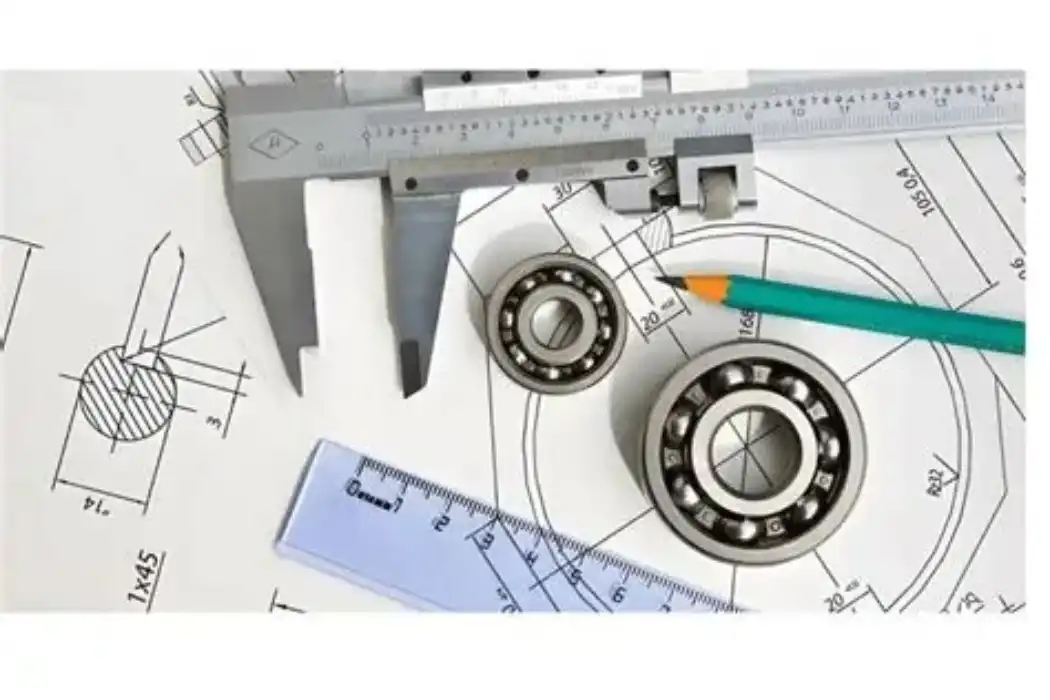
How well a part can be machined or moulded depends on things like draft angles, feature placement, and wall thickness uniformity. BOEN made plastic parts with CNC machines Quickly get tolerances of ±0.02 mm on stable materials like POM and PEEK. When designers use DFM comments in early versions of their work, they drastically cut down on tooling changes and production delays.
Comparing Engineering Plastics with Alternative Materials
Picking the right stuff isn't always easy. The price per unit is not the only reason experts choose one material over another. They also think about what the whole program needs.
Engineering Plastics vs. Metals
If you want to make gearbox parts lighter, you can use POM or PEEK instead of copper or aluminium. The parts might be 30 to 60 percent lighter and won't rust. Plastic itself stops electricity flow, so it doesn't need anything else on top of it. But metals are stronger and can take more damage, which is helpful when there is a lot of force or a heavy load.
Engineering Plastics vs. Composites
Composites made of fibres are better than plain plastics for making things, but they cost more and are harder to work with. When making between one and several thousand pieces, CNC-machined or injection-molded industrial plastic parts are usually cheaper than composites.
Total Cost of Ownership
A lot of the time, engineering plastics cost less over their whole life. Mobile tools use less power when their parts are smaller. If a coating doesn't rust, you don't have to do regular upkeep on it. Service breaks are longer when POM or UHMW-PE parts last longer. When buying teams look at the total cost of ownership instead of just the purchase price, industrial plastics are usually the cheaper option.
Custom Manufacturing Process and Supplier Selection
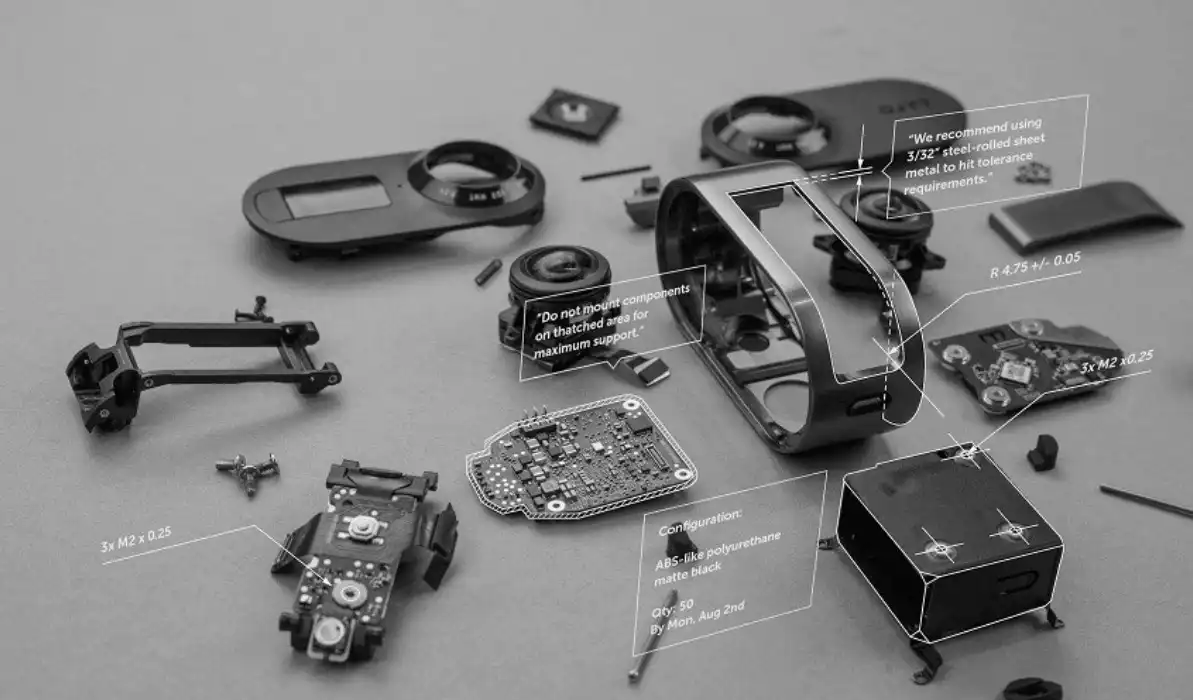
The method used to make engineering plastic components parts has a direct effect on the accuracy of the dimensions, the quality of the surface, and the cost per part at different production volumes.
CNC Machining for Precision Plastic Parts
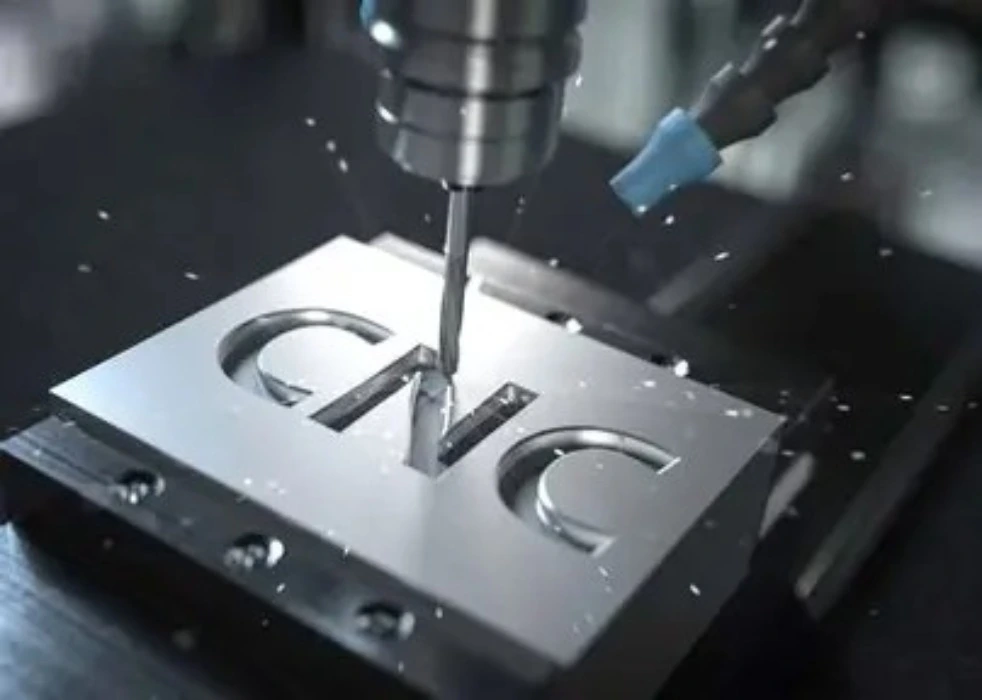
CNC machining works well for prototypes and small production runs where buying tools would be too expensive. Multi-axis machining centers can precisely place parts in complicated geometries and hold tolerances of up to ±0.01 mm for stable materials. The CNC machines at BOEN Rapid can cut parts up to 1,200 x 800 x 600 mm in any industrial polymer grade.
Injection Molding for Volume Efficiency
When making a lot of parts, injection moulding gives you uniform quality at a lower cost per unit. BOEN has programs for quick tooling. Rapidly cut down on mould wait times, which helps you go from testing a prototype to doing mass production more quickly. Drilling, tapping, and finishing the surface are all secondary processes that are part of the same production workflow.
Choosing a Qualified Supplier
Verifiable certifications are important. ISO 9001 confirms that quality management processes have been written down. Getting ISO 13485 approval means that you follow the rules for making medical devices, which is necessary for OEM clients who make Class II or Class III devices. When purchasing teams look at companies that make engineering plastic parts, they should also look at how the materials are tracked, how the parts are inspected when they arrive, how accurate the CMM is, and how the inspection paperwork is organised.
Best Practices in Designing Custom Engineering Plastic Components
The schedule and the budget are both safe when common design mistakes are found before they are made.
If you want to make something better, follow these simple rules:
- Include both the content and the grade. If you just say "Nylon" without saying PA6, PA66, or a glass-filled grade, the supplier will make important decisions about the properties. In the drawing notes, spell out the exact grade and amount of filler.
- Take into account that fiber-reinforced grades can be uneven. Along and across the fibre path, polymers that are filled with glass or carbon behave in different ways. The stress study should show the actual fibre orientation that you would expect from the process you choose.
- Set the requirements for the surface finish based on how it works, not how it looks. Ra 0.4 is good for precise bearing surfaces, and Ra 3.2 is good for general structure parts. Specifying finishes that are too tight for areas that aren't important adds cost without adding value.
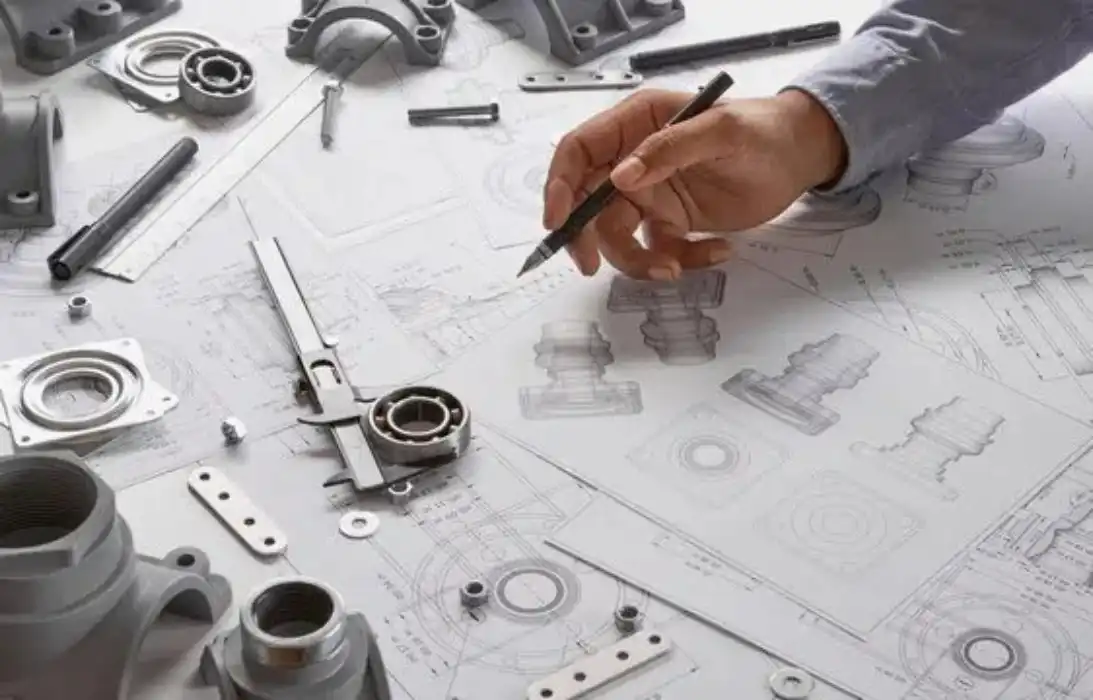
- Ask DFM to look over the drawings before you finish them. Suppliers with strong engineering teams can find features that make machining or injection moulding more difficult. Early DFM input from BOEN Rapid's engineering staff often cuts down on lead times and production costs.
Conclusion
You have to pick the material, the shape, the specs, and the way the parts will be made all at the same time when you make custom engineering plastic components parts for tough industrial uses. How well it meets safety standards, how well it soaks up water, and how it creeps vary. It is easy to find a factory partner early on that has a history of machining, quality systems that have been approved, and real-world experience with processing polymers. The time it takes to build and the risk of making it go down. What you choose to do with a part during the drawing stage will affect how well it works for the rest of its life.
FAQ
What's the difference between regular plastics and building plastics?
Polyethylene and polypropylene are common plastics that can be used for a lot of different things at low temperatures and loads. Engineering plastics, like PEEK, POM, PA66, PC, and PTFE, are made to work well in conditions that would quickly break down regular polymers, like high temperatures, chemical exposure, mechanical stress, or electrical demands.
How close can plastic parts that are CNC-machined be to each other?
Tolerances of ±0.01 mm to ±0.02 mm can be reached on materials that don't change shape easily, like POM and PEEK. For hygroscopic materials like PA66 to avoid losing their shape after being machined, they need to be treated with moisture before they are finished being machined.
What kinds of certifications should I look for in a company that sells medical plastic parts?
ISO 13485 certification is the standard for making parts for medical devices. Every package of medical-grade plastic structural parts should include biocompatibility paperwork according to ISO 10993, records of how the materials were sourced, and inspection reports.
Can PEEK be used instead of metal in high-temperature situations?
As long as the temperature stays above 260°C, PEEK can be used continuously and does well in sterilisation environments. This means that it can be used instead of metal in many surgical instruments and diagnostic tools where weight reduction is important.
Partner with BOEN Rapid for Your Next Engineering Plastic Project
BOEN Rapid makes good industrial engineering plastic components parts, so you can trust them. They have been CNC milling and casting with great accuracy for more than 15 years. Their methods are approved by ISO 9001 and ISO 13485, and they work with a lot of different materials, such as POM, PA66, PEEK, and PPSU. It takes us 3–15 business days to make prototypes and 2–4 weeks to make small amounts of something. You can get help with your project in 24 hours if you email your plans or RFQ to contact@boenrapid.com or visit boenrapid.com.
References
1. Harper, C. A. (Ed.). Handbook of Plastics Technologies. McGraw-Hill, 2006.
2. Rosato, D. V., & Rosato, M. G. Injection Molding Handbook (3rd ed.). Springer, 2000.
3. Brydson, J. A. Plastics Materials (7th ed.). Butterworth-Heinemann, 1999.
4. Plastics Technology Handbook (5th ed.). CRC Press, 2017.
5. International Organization for Standardization. ISO 13485: Medical Devices — Quality Management Systems. ISO, 2016.
6. European Chemicals Agency. REACH Regulation: Guidance on Requirements for Substances in Articles. ECHA, 2020.