Custom Metal Bracket Fabrication: Material, Bend Radius
When engineers specify custom metal brackets parts for robotics, energy storage, or industrial machinery, two decisions shape everything downstream: material selection and bend radius. Get these right, and your bracket fits perfectly, holds its load, and survives its environment for years. Get them wrong, and you face cracked welds, spring-back distortion, and costly rework. This guide walks through how material properties and bend radius interact during fabrication, helping structural engineers and procurement teams make informed decisions before sending a drawing to production.
Understanding Custom Metal Brackets: Types, Materials, and Fabrication Basics
Common Bracket Configurations in Industrial Applications
There are a few basic shapes that industrial frames can be made in. Robotic arms and sensor posts are held in place by L-shaped brackets. U-channels help with managing cables and the inside of enclosures. Offset mounting in machine frames is done with Z-shaped brackets. Flat plates are used to connect two parts together. Because different shapes put different stresses on metal when it's bent, you can't choose the material grade and bend radius without knowing what shape the bracket is supposed to be.
Material Options and Their Mechanical Roles
Aluminum alloys (6061-6700-T6 and 7075-T6), stainless steel (304 and 316), carbon steel (Q235 and A36), and galvanized steel are the four most common materials used to make structural mounting parts. Aluminum is a good choice for automation equipment because it is strong for its weight. Stainless steel can handle both acidic and clean surroundings. Due to its high tensile strength and low cost, carbon steel is usually used for heavy machine frames and conveyor supports. Galvanized steel has a zinc covering that keeps the surface from rusting when it's wet or outside, but it doesn't cost as much as stainless steel.
Why Bend Radius Is a Structural Variable, Not a Cosmetic One?
When the bend radius is too small, it puts tensile stress on the outside and compressive stress on the inside at the same time. Micro-cracks appear at the bend when this force goes over the material's yield point. As a general rule, and based on ASTM and DIN shaping standards, the minimum inside bend radius for low-carbon steel is 1 the thickness of the material. For stronger aluminum alloys like 7075, it is 1.5× the thickness of the material. Following these limits keeps things from breaking down too soon in places with changing loads, like AGV frames and 5G base station covers.
Fabrication Process of Custom Metal Brackets: From Design to Finished Parts
Design Engineering and DFM Analysis
BOEN Rapid starts every bracket job with a DFM review within 24 hours of getting the 3D CAD model or drawing from the user. Before any sheet is cut, engineers make sure that the wall thickness is consistent, that the hole-to-edge distances are correct, that the weld joints can be reached, and that the bend radius is correct. This step gets rid of the main cause of production delays and differences in size. We simulate spring-back behavior for complex multi-process parts so that bending programs can be fixed before the first part is formed.
Cutting, Bending, and Welding Workflow
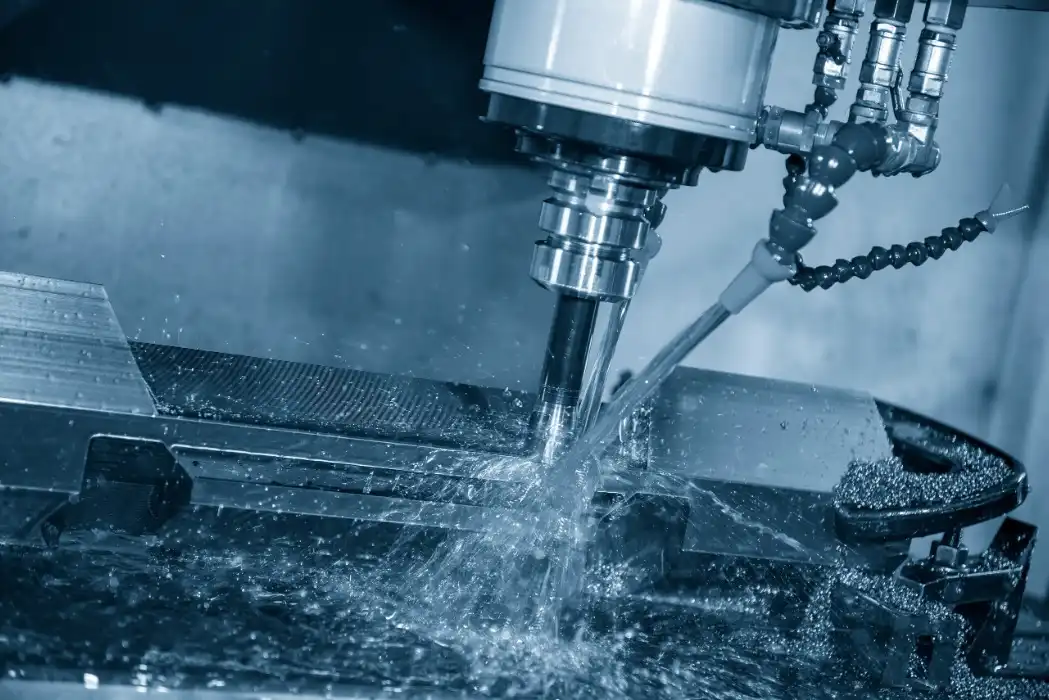
Once DFM gives the go-ahead, laser cutting makes flat blanks for custom metal brackets parts with edges that are accurate to within 0.1 mm. After that, the material is bent on a CNC press brake using tools that are chosen based on the inside radius that is required for each grade of material. How thick the sheet metal is at BOEN Rapid ranges from 0.5 mm to 10 mm, and bending angles can go up to 135° with spring-back compensation that can be controlled. When plans show that parts need to be joined together, TIG, MIG, or spot welding is used, based on the materials used and the shape of the joint.
Quality Control and Dimensional Verification
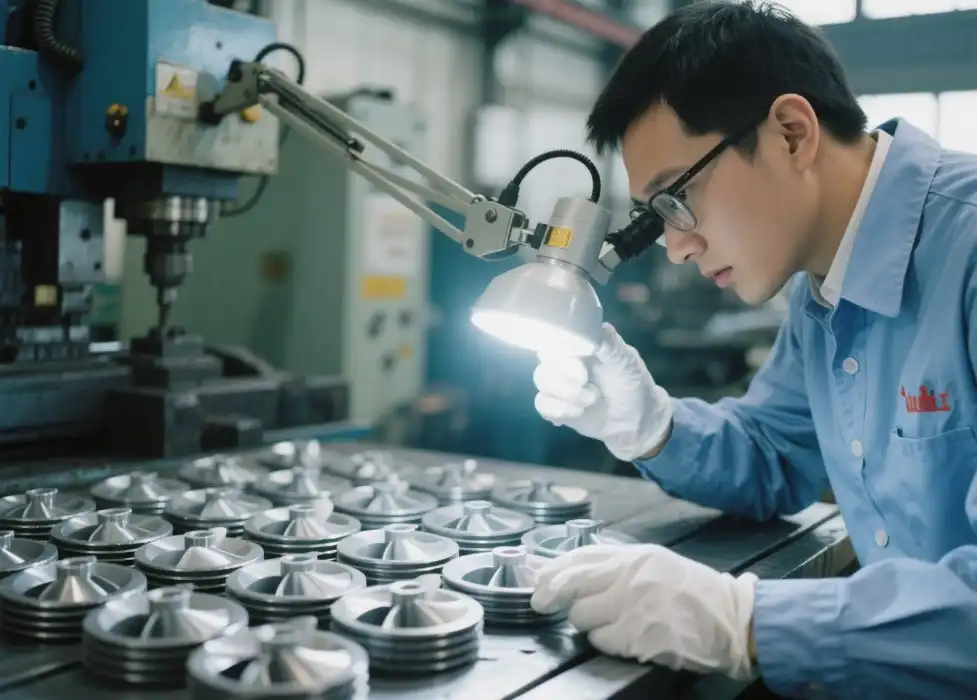
All brackets that are made are checked with a Coordinate Measuring Machine (CMM) against the tolerances shown on the original drawing. These tolerances range from ±0.05 mm to ±0.1 mm for standard features. There is an inspection report, a material mill test certificate, and picture records with every package. We offer salt spray rust testing according to ASTM B117 and tension testing according to ISO 6892-1 for uses that need third-party approval. Full batch tracking is kept up by giving each batch a unique identification code when the raw materials come in.
Comparing Materials and Bend Radius: Making Informed Procurement Decisions
Aluminum vs. Steel: Weight, Strength, and Cost Trade-offs
Aluminum 6061-T6 is about one-third the weight of carbon steel, but it still has enough yield strength for most robotic and automation mounting needs. It also works faster, which lowers the cost of each part in CNC processes. Steel, on the other hand, works better than aluminum for structural roles that involve heavy loads and situations where changes in temperature cause a lot of thermal expansion. Engineers usually pick carbon steel or galvanized steel for the rigidity of battery pack brackets in energy storage systems. To protect against corrosion, they use powder coating, which weighs less and costs less.
Stainless Steel vs. Galvanized Steel: Finish and Longevity
Because it contains molybdenum, stainless steel 316 is the best choice when the bracket will come into contact with harsh chemicals or air that is high in salt. Galvanized steel is good for outdoor structure frames because the zinc layer protects well and the lower cost of the steel is important. However, it is hard to join cleanly on coated surfaces without releasing zinc fumes, which makes the process more difficult. When weld joints are part of the design, engineers should ask for electro-galvanized sheet or specify post-galvanizing.
How Bend Radius Affects Fatigue Life and Production Cost?
When the bend radius is smaller, the footprint of the bracket is smaller, which can save space in dense assemblies. But they also make the forming force and tool wear higher, which raises the cost per unit on high-volume runs. Mild carbon steel usually only needs an inside radius of 1 of material thickness. Stainless steel, on the other hand, needs 1.5 to 2 because it hardens more quickly. Surface treatments like Type II anodizing on aluminum or electrocoating (e-coat) on steel make them more resistant to rust. At BOEN Rapid, salt spray tests always last longer than 96 hours at normal coating thickness.
Procurement Essentials: How to Source Custom Metal Bracket Parts Efficiently
Evaluating Suppliers: Certifications, Capacity, and Responsiveness
When buying manufactured mounting hardware from other countries, ISO 9001 approval is the standard way to tell if the quality is good. After that, procurement teams should look at the range of products that can be made. When a supplier can laser cut, bend with a press brake, weld, and finish the surface all under one roof, there is no need for handoffs between vendors, which can add to lead times and tolerance stack-up. As a custom metal brackets parts manufacturer, BOEN Rapid does all of these things in-house and can handle prototype quantities as low as one piece and production runs as high as 10,000 units.
Managing Orders, MOQ, and Lead Times
BOEN Rapid doesn't have a minimum order quantity, which directly addresses the fact that engineers need single prototypes and small validation batches before committing to volume. It takes 3 to 7 working days to deliver a prototype for simple shapes and up to 15 days for multi-process assemblies. Low-volume production runs of 10 to 500 pieces usually finish in 2 to 4 weeks after the design has been approved. When you have flexible schedule, you can handle pressing orders without stopping regular production lines.
Specifying Technical Requirements in Your RFQ
A clear RFQ should include the 3D CAD file or a model with measurements, the material grade and temper, the margins that need to be kept, the surface finish specification with a RAL color code if powder coating is needed, and any standards that apply (CE, UL, IP rating). By telling the engineering team about the intended application environment, you can ask them to suggest suitable material replacements in case your original specification isn't available or can be improved to save money.
Maintenance, Longevity, and Troubleshooting of Custom Metal Brackets
Routine Inspection by Material Type
Powder-coated carbon steel clamps that are left outside should be checked every three months for coating chips or rust spots appearing at the cut edges. Anodized metal brackets don't need to be checked as often, but in humid industrial areas, they should be checked for white oxidation. In chemical environments, stainless steel brackets should be cleaned with clean water on a regular basis to stop crevice corrosion at the joint interfaces caused by chloride.
Preventing Deformation from Incorrect Bend Radius Selection
Cracks at the bend line of a bracket that has already been installed are most likely caused by an inside radius that is smaller than the material's minimum forming threshold. During the design phase, the inside radius needs to be increased and the new shape needs to be checked to make sure it fits the assembly gap. If the crack showed up during use instead of right after it was made, cycle fatigue from shaking is probably what caused it. You might want to consider upgrading the material to a higher-fatigue-rated alloy.
Extending Service Life with Surface Treatment Choices
Spray powder coating doesn't cover as evenly as electrocoating (e-coat) does on complicated bracket shapes because it applies by line-of-sight application rather than electrical attraction. When it comes to normal sheet metal manufacturing, e-coat followed by a topcoat powder layer gives brackets used inside 5G base station enclosures or battery pack assemblies the most lasting finish. With this two-layer method, you can get salt spray protection of 500 hours or more.
Conclusion
The two most important choices in making reliable structural frames and custom metal brackets parts are the material choice and the bend radius. Aluminum is good for automation tasks that need to be light, carbon and galvanized steel are good for heavy structural loads, and stainless steel is best for places where it will rust. Following the minimum bend radius limits for each material grade stops fatigue cracking and lowers the cost of production over the life of a product. If you find a provider that does all of the cutting, bending, welding, and finishing on the surface, your bracket project can go from a plan to a finished part without the handoff delays that make deadlines longer than they need to be.
FAQ
What is the standard minimum bend radius for aluminum 6061?
The recommended minimum inside bend radius for aluminum 6061-T6 is 1.5× the sheet thickness. For example, a 2 mm thick sheet should have a minimum inside radius of 3 mm to avoid cracking at the bend.
Can BOEN Rapid match a specific RAL powder coat color?
Yes. BOEN Rapid matches powder coat colors to the RAL Classic and RAL Design color systems. Provide the RAL code in your RFQ and we will confirm availability before production begins.
What is the difference between Type II and Type III anodizing?
Type II anodizing produces a coating of approximately 5–25 microns, suitable for corrosion protection and light wear. Type III (hard anodizing) produces coatings of 25–75 microns with significantly higher surface hardness, suited for brackets subject to abrasion or sliding contact.
Does BOEN Rapid support brackets requiring IP65 compliance?
We fabricate the structural components and apply surface treatments that contribute to IP65 sealing performance, but final IP rating verification requires system-level testing by the OEM or a certified test laboratory. We provide material and finish documentation to support your certification submission.
Is there a tooling cost for prototype bending dies?
CNC machined brackets carry no tooling cost. Sheet metal brackets requiring custom bending dies for specific radii or angles involve a low-cost die charge, which we communicate in the initial quote.
Get a Quote for Your Custom Metal Brackets from BOEN Rapid
BOEN Rapid has been making precise parts for more than 15 years. They bring that experience to every custom metal brackets parts project. We can do laser cutting, CNC bending, welding, and surface treatment all in-house, so we can provide uniform quality with no minimum order quantity. If you want a price, email your plans or 3D models to contact@boenrapid.com or go to boenrapid.com. Within 24 hours, you will get a full engineering review. We always get things to you on time, whether you need a single prototype or a batch of 10,000.
References
1. Sheet Metal Forming Processes and Die Design — Vukota Boljanovic, Industrial Press, 2004.
2. ASM Handbook, Volume 14B: Metalworking — Sheet Forming — ASM International, 2006.
3. Machinery's Handbook — Erik Oberg et al., Industrial Press, 31st Edition, 2020.
4. ASTM B117: Standard Practice for Operating Salt Spray (Fog) Apparatus — ASTM International, 2019.
5. ISO 6892-1: Metallic Materials — Tensile Testing — Part 1: Method of Test at Room Temperature — International Organization for Standardization, 2019.
6. Fabrication and Welding Engineering — Roger Timings, Newnes/Elsevier, 2008.