Guide to Custom Metal Brackets: Types, Materials & Uses
Custom metal brackets parts are precision-engineered mounting and structural components built to exact drawings, 3D CAD models, and functional specifications. Unlike generic off-the-shelf hardware, these components are manufactured to precise dimensions, material grades, and surface treatments. They anchor robotic arms, support battery enclosures, stiffen machine frames, and mount sensors across demanding environments. This guide covers bracket types, material selection, fabrication methods, and procurement best practices to help engineers and sourcing teams make confident decisions when specifying structural mounting components for 5G infrastructure, energy storage systems, and automation equipment.
Understanding Custom Metal Brackets: Types and Key Uses
What Are the Main Bracket Types?
Different bracket shapes are needed for different industrial uses because each one solves a different structural problem. L-brackets are commonly used in machine frame building to move loads between two areas that are not parallel to each other. With U-brackets, you can hold circular parts like pipes and tube runs. Z-brackets are often used to mount panels because they separate two parallel planes. Angle braces make corner joints stronger when bending loads are put on them. Specialty clamps, like T-slots, gusset plates, and servo motor bolts, are made to fit the shape of the host unit perfectly.
Industries That Rely on Custom Mounting Hardware
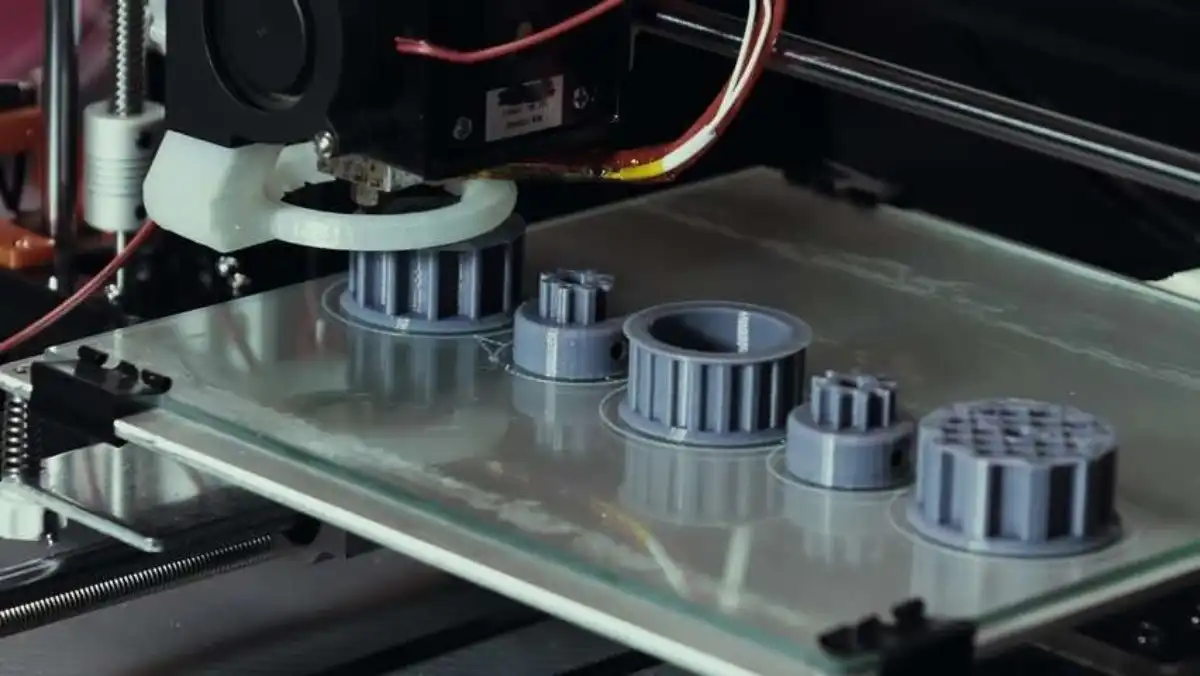
Building, electronics, energy storage, cars, and HVAC all use structural mounting components. In 5G base station builds, antennas and radio units are mounted on poles using brackets that leave them open to wind and temperature changes. In battery energy storage systems (BESS), the battery pack frames hold a lot of weight and keep the heat and vibrations under control. AGV chassis frames rely on structural parts that are carefully welded to keep the wheels aligned when the loads change.
Why Custom Beats Off-the-Shelf?
Most of the time, standard catalog brackets don't have the right shape, load rating, or surface finish for engineered assemblies. Custom parts get rid of the need for shimming, secondary cutting, and changes made in the field, all of which raise the cost of installation and cause precision stack-up. When the right wall thickness, bend radius, and weld preparation are built into a bracket from the start, it takes less time to put together and fails in the field are much less likely.
Materials Used in Custom Metal Brackets and Their Impact on Performance
The choice of material affects how well a bracket works over time. Making this choice early on will save you a lot of money on redesigns later on.
Aluminum Alloys (6061 / 7075)
Aluminum 6061 has a density of 2.70 g/cm³ and a tensile strength of about 310 MPa. This makes it the best choice for automation and robots devices that need to be light. Tensile strength goes above 500 MPa in Grade 7075, which is used in aircraft and motorsports where bigger loads are needed. Both grades work well with machines and can be anodized to protect them from corrosion.
Stainless Steel (304 / 316) and Carbon Steel (Q235 / A36)
Grade 304 stainless steel is good at resisting corrosion from the air and works well for mounting food processing and medical devices. In Grade 316, molybdenum is added to make the steel more resistant to chloride conditions that are common in marine and seaside settings. Carbon steel types Q235 and A36 are commonly used for heavy machinery frames and conveyor structures because they are inexpensive and have high tensile strength and good weldability. Coatings are used to protect these structures from rust.
Surface Treatments and Their Role
In real life, a bracket's base metal doesn't work well without a protected finish for custom metal brackets parts. Here are the main types of surface treatments and what they do:
- Powder coating (RAL color-matched): Electrostatically applied polymer powder baked at 180–200 °C forms a uniform layer that resists chipping and UV degradation. Salt spray resistance typically exceeds 500 hours when applied over a phosphate conversion coat.
- Anodizing (Type II / Type III): Electrochemical oxidation of aluminum builds an integral oxide layer—12–25 µm for Type II and up to 75 µm for hard-coat Type III—providing wear resistance without adding measurable weight.
- Electroplating and electrophoretic coating (e-coat): E-coat penetrates recessed geometry that spray guns cannot reach, delivering consistent film thickness across complex weldments and meeting 96-hour salt spray requirements common in outdoor telecom enclosures.
e-coat stands for electroplating and electrophoretic finish. E-coat goes into deep areas that spray guns can't reach. It keeps the film thickness the same across complex welds and meets the 96-hour salt spray standards that are common in outdoor telecom enclosures.
How Custom Metal Brackets Are Made: From Design to Production
DFM Analysis and CAD-to-Drawing Translation
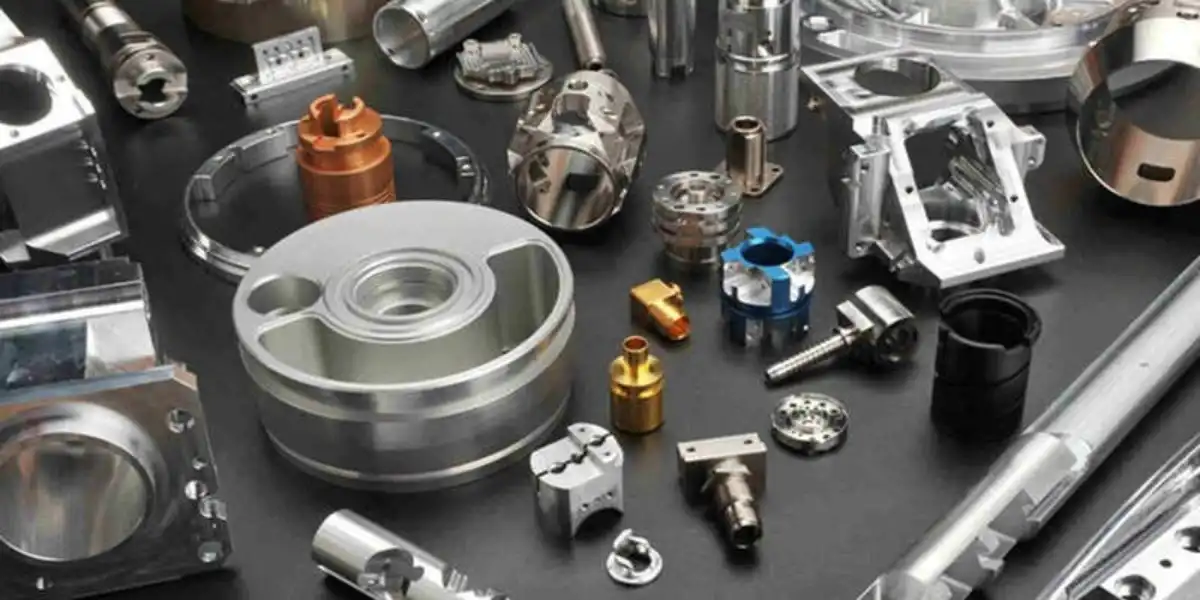
Before cutting any material, BOEN Rapid's engineering team checks CAD models sent by customers to make sure they can be made. DFM analysis checks the width of the walls, the smallest bend radius, the distance from the hole to the edge, and the ease of welding. Finding problems with the design at this stage stops the parts from not being the right size during production and saves money on repair that cuts into project profits.
Core Fabrication Methods
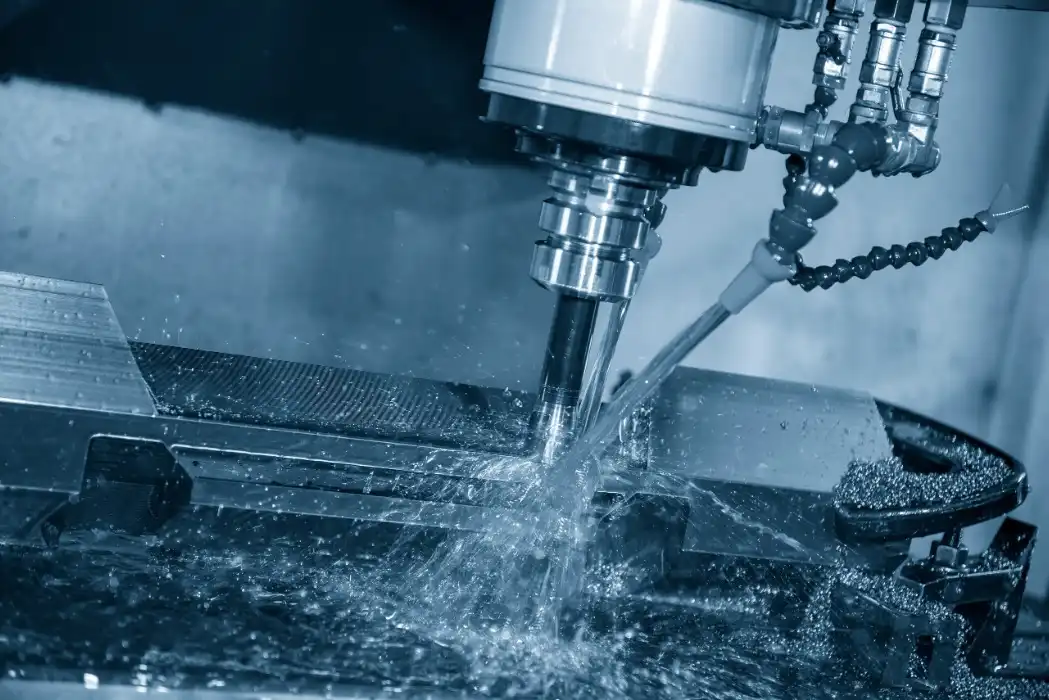
First, a laser is used to cut the sheet metal into a flat blank. Then, the brackets are bent at angles of up to 135° using a CNC press brake with controlled spring-back compensation. TIG, MIG, or CO₂ protected arc welding are used for structural welds, based on the material and the shape of the joint. On CNC milling centers with ±0.05 mm to ±0.1 mm specs, machined mounting features like threaded inserts, precision bores, and counterbores are added.
Quality Control and Traceability
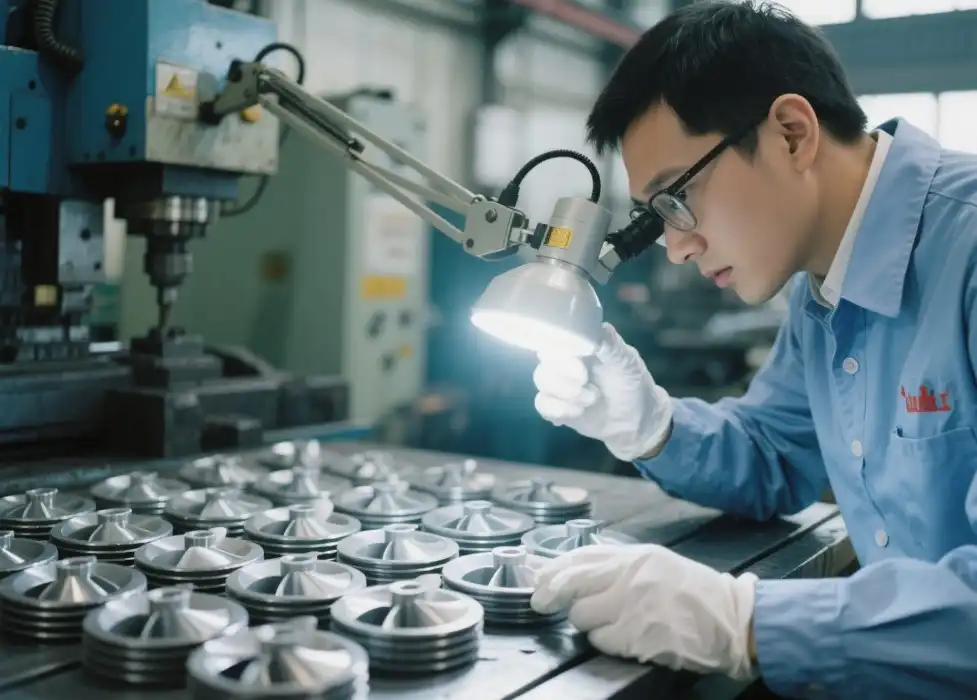
Every batch of production goes through a CMM inspection to make sure the dimensions match the approved drawing. A profilometer checks the surface finish, and the stability of the weld is checked visually and, if necessary, with dye penetrant tests. Testing with salt spray according to ASTM B117 confirms that the coating works. Each batch has its own identification code that connects it to raw material mill certificates, in-process records, and final inspection reports. This gives buying teams the proof they need for supply chain checks and regulatory compliance.
Comparison and Decision-Making: Choosing the Right Custom Metal Brackets
Custom vs. Standard Catalog Brackets
Off-the-shelf clamps can be used right away and don't require any tooling costs, which makes them a good choice for low-stakes, non-critical tasks. But they cause tolerance problems, need extra work, and often force compromises in the assembly process. Custom-fabricated clamps are made to fit the host product's exact shape. This cuts down on assembly work and gets rid of the differences in size that come with standard parts.
Matching Material and Finish to Application
The right way to make a decision for custom metal brackets parts is to pair the working environment with the material and coating. For telecom and energy storage systems outside in wet or coastal areas, you need galvanized steel or 316 stainless steel with an e-coat. 6061 aluminum with Type II anodizing is the best material for interior automation and robotics fixtures that need to be light. For heavy-duty frames in factory tools, Q235 or A36 carbon steel with a spray coat over zinc phosphate works best. If you match these factors to your application right from the start, you can avoid early rust and service calls in the field.
Low-Volume and Prototype Economics
CNC-made brackets don't have any hard tooling costs for prototypes and small runs. When it comes to repeat production, sheet metal bending dies are cheaper than injection mold tools and pay for themselves quickly with small batches. With this economic structure, unique manufacturing is possible for as few as one unit as a sample and as many as 10,000 or more pieces, all while keeping the same supply chain relationship.
Procurement and Supplier Guide for Custom Metal Brackets
Evaluating a Manufacturer's Capabilities
A good company that makes custom metal brackets should have both sheet metal and CNC machining facilities in the same building. This gets rid of shipping delays between facilities and keeps measurement control across multiple process components. Quality management systems control every step of the production process, as shown by certifications like ISO 9001. Suppliers that work with OEM programs should also show that they can handle NDAs, provide documentation for traceability, and meet industry standards like ISO, DIN, ANSI, and ASME.
Ordering Process and Lead Times
Orders for prototypes at BOEN After drawings or 3D models are sent in, rapid start with a 24-hour initial engineering review. Simple bracket shapes are sent out in 3–7 business days, and multi-process weldments with finish are sent out in 15 business days. After that, low-volume production runs of 10 to 10,000 units or more happen, and the schedule can be changed to fit the start dates of each customer's product.
Post-Sale Support and Documentation
A trustworthy company that makes personalized metal brackets offers more than just parts. With every delivery, you should get dimensional inspection reports, material mill certificates, and photographic records of the shipment. A supplier that is ready for long-term production partnerships will offer engineering help during the DFM stage, help with fit testing, and third-party test results for important uses.
Conclusion
Picking the correct clamp type, material, and surface treatment is an important engineering choice that has a direct impact on the quality of the assembly and its dependability over time. When properly stated, custom-made clamps are more accurate in terms of size, can hold more weight, and last longer than catalog-based options. The production process—including DFM, fabrication, testing, and documentation—determines whether a bracket works as planned. This is true for both metal automation fixtures and galvanized steel energy storage frames. Working with a precision machining partner with a lot of experience cuts down on the time it takes to develop new products and keep production on track.
The company BOEN Rapid has been making precise metal parts for more than 15 years. They can handle orders for anything from a single prototype to more than 10,000 units in production. We make things out of aluminum, stainless steel, carbon steel, and brass, and our tolerances are as tight as ±0.05 mm. Our quality systems are ISO 9001 certified, and we keep full records of everything we do. We work with 5G, energy storage, robots, and industrial equipment OEMs around the world as a reliable custom metal brackets parts producer. If you want a price within 24 hours, send your plans or 3D CAD models to contact@boenrapid.com or go to boenrapid.com.
FAQ
What bracket types does BOEN Rapid produce?
We produce L-brackets, U-brackets, Z-brackets, angle brackets, servo motor mounts, gusset plates, and fully custom geometries based on customer drawings. Any profile manufacturable through laser cutting, CNC bending, or machining is within scope.
What is the minimum order quantity?
There is no minimum order quantity. We accept orders from one prototype unit to production batches exceeding 10,000 pieces.
Which materials are available?
We work with aluminum 6061 and 7075, stainless steel 304 and 316, carbon steel Q235 and A36, and brass C360 and C260. Material substitution recommendations are provided during DFM review.
How long does prototyping take?
Simple laser-cut and bent brackets ship in 3–7 working days. Multi-process components with welding and coating complete within 15 working days.
What surface finishes are available?
Available finishes include powder coating (RAL color-matched), anodizing (Type II and Type III), electroplating, electrophoretic e-coat, brushing, and sandblasting.
Does BOEN Rapid provide quality documentation?
Yes. Every shipment includes dimensional inspection reports, material mill certificates, photographic records, and, where required, third-party test reports for salt spray, tensile strength, and hardness.
Start Your Custom Metal Bracket Project with BOEN Rapid
BOEN Rapid brings over 15 years of precision fabrication experience to every custom metal brackets parts order, from single prototypes to production volumes exceeding 10,000 units. We manufacture from aluminum, stainless steel, carbon steel, and brass with tolerances to ±0.05 mm, backed by ISO 9001 certified quality systems and full traceability documentation. As a trusted custom metal brackets parts manufacturer, we support 5G, energy storage, robotics, and industrial equipment OEMs globally. Send your drawings or 3D CAD models to contact@boenrapid.com or visit boenrapid.com to request a quote within 24 hours.
References
1. Ashby, M. F., & Jones, D. R. H. Engineering Materials 1: An Introduction to Properties, Applications and Design. Butterworth-Heinemann, 2012.
2. American Welding Society. AWS D1.1/D1.1M: Structural Welding Code – Steel. AWS, 2020.
3. ASTM International. ASTM B117: Standard Practice for Operating Salt Spray (Fog) Apparatus. ASTM, 2019.
4. Society of Manufacturing Engineers. Tool and Manufacturing Engineers Handbook, Volume II: Forming. SME, 1984.
5. Kalpakjian, S., & Schmid, S. R. Manufacturing Engineering and Technology. Pearson, 2014.
6. International Organization for Standardization. ISO 9001:2015 Quality Management Systems – Requirements. ISO, 2015.