Exploring the Key Benefits of Using Precision CNC Milled Components
Precision CNC milled components are parts produced by computer-controlled milling machines that remove material using high-speed rotating tools, achieving exact dimensions with exceptional repeatability. Whether you're sourcing custom valve bodies for an automation project or structural brackets for aerospace assemblies, understanding what these components offer helps procurement teams make smarter decisions. This guide covers how CNC milling works, its core advantages, how to pick the right supplier, and practical design tips — everything you need before placing your next order.
What Are Precision CNC Milled Components and How Do They Work?
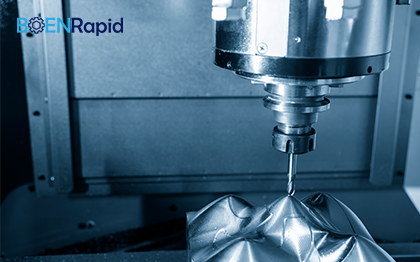
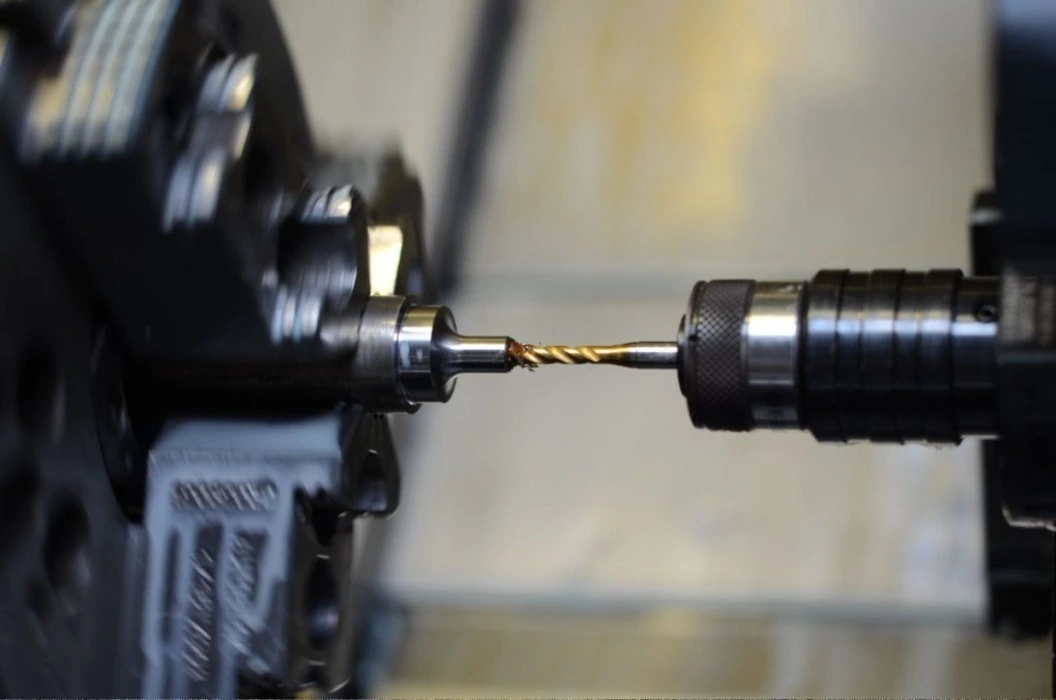
In CNC milling, material is taken away from a solid block by rotating cutting tools that follow paths set up in CAD/CAM software. In the end, a part is made that is shaped exactly according to math rules. The level of computer control and the ability to move along multiple axes at the same time are what set modern CNC milling apart from older manual methods.
From CAD to Finished Part
A 3D CAD model is the first step in the process. CAM software is used by engineers to turn the model into toolpaths, which are then sent to the machine. Each pass is made by the machine at the same speed and force, clearing material until the end shape is reached. This takes out the variable of people from the equation.
Multi-Axis Machining Explained
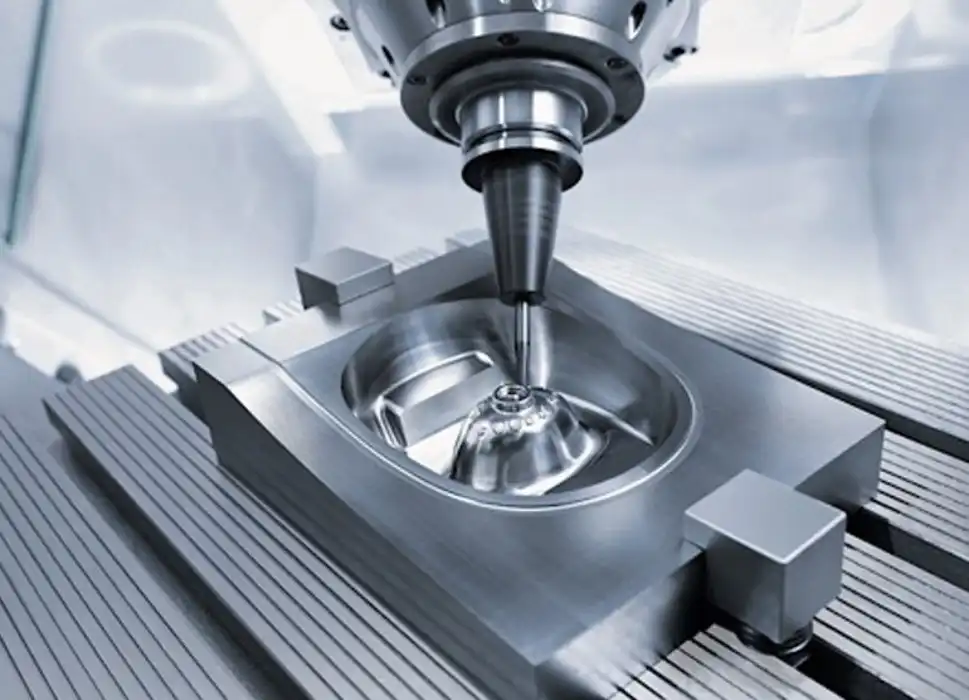
3-axis milling can work with simple shapes like flat surfaces, pockets, and holes. 4- and 5-axis axis systems add rotational movement, which lets the wheel or object tilt and turn. This means that compound angles, undercuts, and complicated curved surfaces can all be machined in a single setup. This gets rid of the need for multiple setups and the mistakes that happen when tools are moved around.
How CNC Milling Compares to Other Processes
CNC turning works best for parts that are round. Low-strength samples or shapes that are too complicated to make can be made with 3D printing. Laser cutting is a good way to cut flat surfaces. CNC milling is still the most dependable way to make parts that need to be within very small errors (±0.01 to ±0.02 mm), have strong structures, and have a smooth surface finish (Ra 0.4 μm).
Top Benefits of Using Precision CNC Milled Components in Industrial Applications
When buying, teams look at machining methods; the choice comes down to uniformity in quality, range of materials, and total cost over the life of the part. Here are the main reasons why CNC cutting is the best choice for challenging industries:
- Tight dimensional accuracy: Tolerances of ±0.01–0.02 mm are standard, with critical features achievable at ±0.005 mm. This level of precision CNC milled components supports leak-proof hydraulic manifolds, repeatable sensor bracket mounting, and interference-fit assemblies.
- Broad material compatibility: Aluminum 6061/7075, stainless steel 304/316, brass, copper, and engineering plastics including PEEK, POM, PTFE, and Nylon are all machinable. Material choice directly affects part weight, corrosion resistance, and thermal performance.
- Superior surface quality: Surface roughness of Ra 0.4–1.6 μm is achievable without secondary polishing in many cases, reducing post-processing time and cost.
- Scalable from prototype to production: The same CNC program that machines one prototype runs a batch of 200 parts without requalification, keeping quality consistent across volumes.
These benefits lower the total cost of ownership, cut down on the amount of work that needs to be redone, and speed up the assembly process. These are all important factors when project budgets and schedules are limited.
Types of Precision CNC Milling Services and Their Suitability for B2B Needs
Not every supplier works with every way of buying things. Knowing the different kinds of services a supplier offers can help you find one that can meet the needs of your project.
Custom Machining vs. Standard Components
When you order custom precision machining, the dimensions, material, finish, and tolerances are all based on your drawings. Standard component buying lets you get standard forms like bushings and flanges faster, but it doesn't let you change the geometry. Custom machining is the best way to go for automation equipment that isn't standard.
Outsourcing vs. In-House Production
In-house milling gives you direct control, but you have to spend money on machines, tools, and skilled workers. When you outsource, that cost is passed on to a specialist. When a company has 10 to 30 jobs a year with different types of parts, it is usually cheaper to outsource to a skilled supplier that can work on multiple axes.
Lead Times and Supply Chain Planning
Every step in the assembly process is affected by lead time. Depending on how complicated they are, prototype parts usually take 3–15 working days. It usually takes two to four weeks to make a small amount. If you choose a supplier that agrees to deliver in batches instead of just in bulk, you can keep project timelines in check.
How to Choose the Best Precision CNC Milling Provider for Your Business
That partner does more than just cut parts. They talk to each other ahead of time, let you know about material changes before they are made, and give you review paperwork without being asked. Before you agree to a seller, here's what you should check.
Certifications and Quality Systems
Getting ISO 9001 certification means that you have a written quality control system for precision CNC milled components. ISO 13485 shows that a company is capable of making parts for medical devices. Documented CMM inspection records and material certificates are basic needs for aircraft Tier-2 suppliers; they are not extras that can be chosen.
Engineering Communication and Technical Capability
When an engineer talks directly to another engineer at a company, drawing questions are answered in hours instead of days. Ask the provider if they can work with STEP, IGS, DWG, and PDF files and if their team can give feedback on DFM (design for manufacture) before the cutting begins.
Pricing Transparency and Long-Term Value
Ask for prices that break down the costs of the material, the time it takes to machine it, and the finishes. A supplier who is willing to break down their costs is more likely to be honest about changes that need to be made during production. The price at the start is less important than saving money by not having a broken part arrive late on the factory floor.
Practical Design Tips and Tolerance Guidelines for Optimized CNC Milling
A well-designed part cuts down on machining time, costs, and yield. When engineers know about the limits of grinding, they can make models that are easier to quote and faster to make.
Choose Geometries That Match Machine Capability
Corner radii on the inside should be the same size as a standard end mill, which is usually 1 mm, 2 mm, or 3 mm. If you don't have to, don't define sharp internal corners. They require slow-pass EDM or grinding processes, which take more time. Keep depth-to-width ratios below 4:1 as much as possible. Deep, narrow areas make it more likely that a tool will shift.
Apply Tolerances Where They Actually Matter
Putting ±0.005 mm on every measurement makes it much more expensive without making it work better. For connecting surfaces, bearing seats, and sealing faces, keep the tolerances tight. Give standard tolerances (±0.1 mm) to features that aren't very important. This method usually cuts the cost of a part by 15–30% without affecting how well it works.
Avoid Common Design Mistakes
Thin walls of metal parts less than 0.8 mm shake and bend a lot when they are cut. If the surface finish isn't specified, the results will be different between batches. When GD&T callouts for parallelism and flatness on joining faces are missing, they make assembly a pain. These problems are found early when you send your seller your CAD model for a DFM review before you finish the plans.
Conclusion
Precision CNC milled components have consistent dimensions, are compatible with a wide range of materials, and can be produced in large quantities, from prototypes to large batches, all of which are supported by inspection data that can be independently verified. Whether you need sensor brackets for a robotics assembly or hydraulic manifolds for industrial equipment, the results of your project will depend on which supplier has multi-axis capabilities, certified quality systems, and quick engineering support. If you make the right choice about sourcing early on in a project, you can avoid having to do extra work, keep your schedule, and build a relationship with a supplier that will pay off over time.
FAQ
1. Which industries benefit most from CNC milled parts?
Aerospace, medical devices, robotics, industrial automation, and electronics manufacturing all depend on CNC milling for tight-tolerance structural and functional components. Applications range from aircraft brackets and pump housings to sensor mounts and electronics enclosures.
2. What lead times should I expect?
Prototype parts typically ship within 3–15 working days. Small batch orders of 20–200 pieces generally complete within 2–4 weeks. Lead times vary with part complexity, material availability, and required surface treatment.
3. Is CNC milling cost-effective for small batch runs?
Yes. Unlike casting or forging, CNC milling requires no hard tooling investment. This makes it practical for batches as small as 5–20 pieces. Per-unit cost decreases as batch size increases, but the process remains viable at low volumes.
4. What inspection documentation can I request?
Suppliers with CMM capability can provide full dimensional inspection reports, material certificates, and surface roughness records. For regulated industries, request these documents as part of your standard PO terms.
Start Your Next Project With BOEN Rapid — Precision CNC Milled Components Manufacturer
BOEN Rapid adds more than 15 years of experience making things to every order. As a reliable company that makes precision CNC milled components, we can machine aluminum, stainless steel, brass, and industrial plastics in three to five dimensions, with methods that are ISO 9001- and ISO 13485-approved and tolerances as low as ±0.005 mm. In response to RFQs, we deliver with full CMM inspection reports in 24 hours. To get a price right away, email your images to contact@boenrapid.com.
References
1. Kalpakjian, S., & Schmid, S. R. Manufacturing Engineering and Technology. Pearson, 2014.
2. Todd, R. H., Allen, D. K., & Alting, L. Manufacturing Processes Reference Guide. Industrial Press, 1994.
3. Boothroyd, G., Dewhurst, P., & Knight, W. A. Product Design for Manufacture and Assembly. CRC Press, 2010.
4. American Society of Mechanical Engineers. ASME Y14.5: Dimensioning and Tolerancing. ASME, 2018.
5. International Organization for Standardization. ISO 9001:2015 Quality Management Systems — Requirements. ISO, 2015.
6. Groover, M. P. Fundamentals of Modern Manufacturing: Materials, Processes, and Systems. Wiley, 2020.