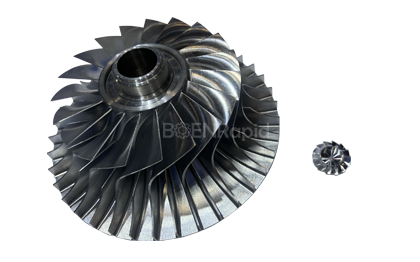
How to Machine Complex Parts on 3-Axis CNC Without Breaking Your Budget?
If you need custom machined components without spending on expensive tooling or multi-axis equipment, 3-axis machining parts offer a practical answer. By controlling motion along the X, Y, and Z axes, a 3-axis CNC machine removes material from solid stock to produce slots, pockets, holes, and contoured surfaces with tolerances as tight as ±0.005 mm. For procurement engineers sourcing non-standard fixtures, jig components, or assembly parts in quantities from 1 to 1,000 units, this process balances dimensional accuracy, material flexibility, and fast delivery without the cost pressure of mold-based manufacturing.
Understanding 3-Axis CNC Machining for Complex Parts
How the Process Works
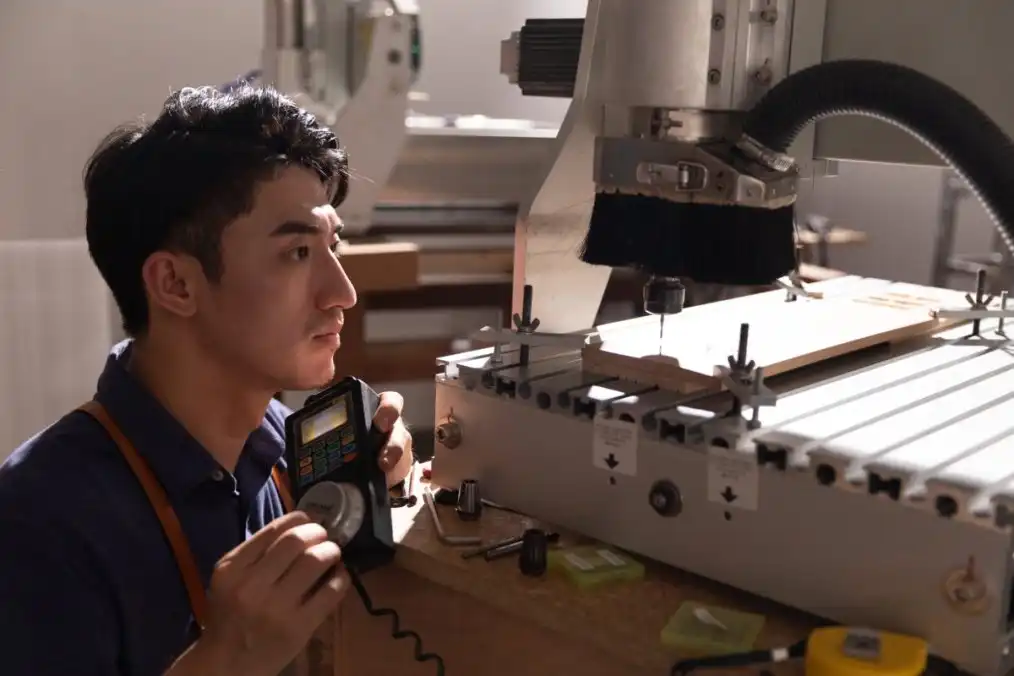
A 3-axis CNC machine moves a cutting tool that moves in three straight lines at the same time. Because of this, it can make many shapes straight from a CAD file, such as stepped profiles, bolt-hole patterns, counterbores, and flat pockets. CNC automation, on the other hand, uses the same toolpath over and over again to make sure that every unit in a batch is accurate.
What It Can and Cannot Do
Most normal part shapes can be easily machined with three axes. It works well for prismatic parts that can be set up in one or two ways to reach different functions. Undercuts, deep internal cavities, and compound angles that need continuous motion on more than three axes at the same time may need more setups or a different process. It saves time and money to know this boundary early on.
Materials and Industry Fit
Steels (303, 304, 316), brass, aluminum alloys (6061 and 7075), titanium (Grade 2 and Grade 5), and industrial plastics like PEEK, Nylon, Delrin, and PTFE can all be used in this process. Non-standard automation, making tools and fixtures, robotics, the auto industry, and the medical device industry all use CNC-milled parts on a regular basis.
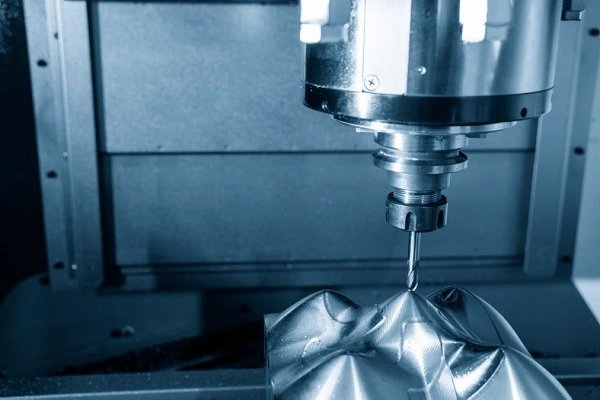
Cost-Efficient Strategies to Machine Complex Parts on 3-Axis CNC
Once a CNC machine is designed, costs can be kept under control. This starts before the quote stage. What an engineer does in a CAD model has a direct effect on how long machines take to run, how much material is wasted, and how hard it is to program.
Reduce Unnecessary Geometric Complexity
Costs go up when 3-axis machining parts have tighter specs than needed for the job, when surface finish grades aren't needed, or when features need to be re-fixed more than once. By specifying ±0.05 mm when ±0.1 mm is practically fine, cycle time can be cut by a large amount. Changing tools less often is another benefit of standardizing hole widths to common drill sizes.
Choose the Right Material for the Job
Four to five times faster than stainless steel, aluminum 6061 can be machined, and it costs less per kilogram. Aluminum is almost always the cheaper option for structural parts and jig plates that won't be exposed to environments that cause rust. When the job calls for it, switching from stainless steel to aluminum can cut the cost of each part by a large amount.
When 3-Axis Beats 4/5-Axis or Laser Cutting
Three-axis machines are cheaper than five-axis machines for making flat parts, prismatic housings, bracket arrays, and plates with holes in them because they are easier to program and run at slower speeds. Laser cutting is good for making thin sheet profiles, but it can't make tight-tolerance bores or three-dimensional shapes. The most cost-effective thing procurement teams can do is match the process to the shape of the part.
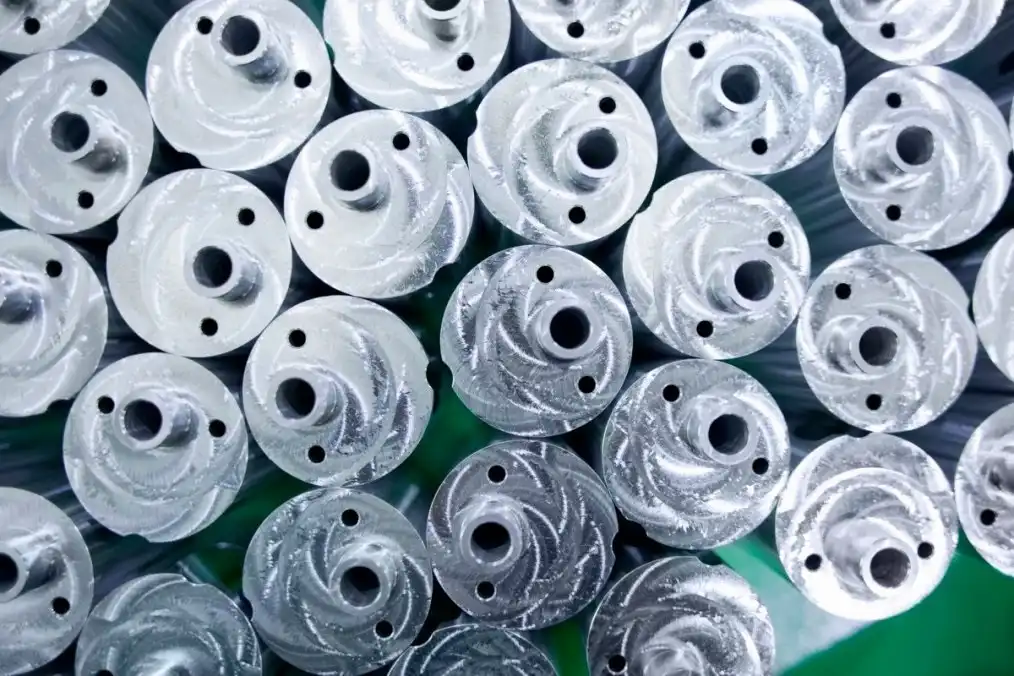
Step-By-Step Process to Machine Complex Parts on 3-Axis CNC
A planned process from reviewing the design to delivering the product stops the expensive surprises that happen when problems show up late in the production process.
Stage 1 – Design for Manufacturability Review
A skilled engineer looks over the CAD model before programming starts to find parts that will be hard or expensive to make. This study of Design for Manufacturability (DFM) finds problems with wall thickness, non-standard curves, and tolerance conflicts. By solving these problems early on, you can avoid rework and waste during the production stage. At BOEN Rapid, DFM feedback is given 24 hours after a file is sent in.
Stage 2 – Material Selection and Programming Optimization
The engineer chooses the material stock and writes the CNC program once the shape is clear. The cut depth, feed rate, fixturing method, and toolpath strategy all have an effect on cycle time. When programs are optimized for well-fixed 3-axis machining parts, machine runtime goes down. This lowers the cost per part for both prototype and batch orders.
Stage 3 – Prototyping, Inspection, and Scaling
A first-article prototype is made, checked with a computerized measuring machine (CMM), and compared to the drawing. Fit is confirmed by dimension reports before the order is scaled. For sales of 50 to 1,000 units, the tried-and-true setup works every time. This keeps quality high across runs and lowers the chance of assembly rejects at the customer's location.
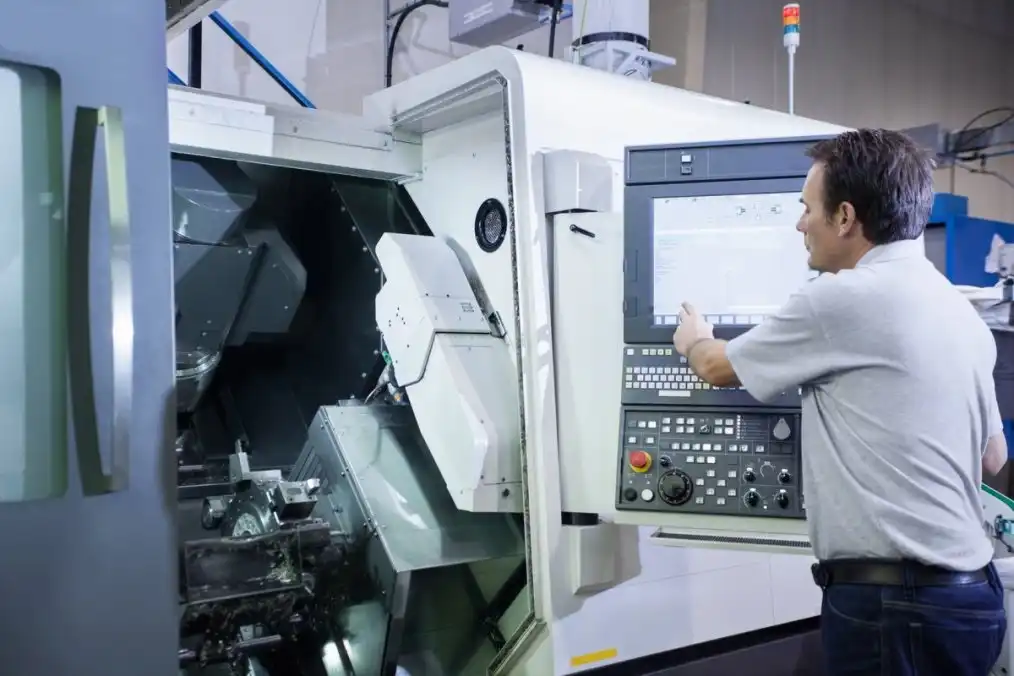
Supplier Selection and Working With 3-Axis Machining Manufacturers
Picking the best CNC machining provider impacts not only the price per unit, but also the dependability of deliveries, the speed of contact, and the security of the supply over the long term.
Check Certifications and Production Capability
A seller that has ISO 9001 certification uses a quality management system that is written down and has review records that can be tracked. If a seller has ISO 13485 approval, it means they also meet standards for making medical devices. It's not just marketing claims that these certificates show process focus. Before you place your first order, ask to see some sample inspection reports and material certificates.
Compare Capabilities Transparently
Compare providers based on their equipment's capabilities (tolerances that can be met, largest part sizes, and surface finish choices), normal lead time, minimum order number, and post-processing services like polishing, anodizing, and powder coating. When a supplier does all of the surface treatment options in-house, the supply chain is shorter, and there is less risk of problems with coordination.
Local vs. Global Suppliers
For small to medium-sized orders, global CNC machining suppliers, especially those in manufacturing-focused areas with a history of exporting, often have shorter wait times and better prices than domestic choices. The most important questions are: Does the seller answer within one business day? Do they give clear comments on DFM? Do you send inspection reports with every shipment? These things are more important than where you live.
Case Studies: Successfully Machining Complex Parts on a Budget Using 3-Axis CNC
Automotive OEM Fixture Plate Project
A company that makes tools for the auto industry needed 200 aluminum fixture plates with locating pin slots and counterbored hole patterns. The team cut down on machine time and finishing costs by making hole diameters the same across the array and only hard anodizing the bearing surfaces instead of the whole plate. The final parts were shipped within 10 business days after meeting a positioning limit of ±0.02 mm.
Aerospace Test Bracket Collaboration
A company that works with aircraft needed titanium Grade 5 mounting clamps for putting together a test rig. The original design called for 5-axis features that were later deemed useless after a DFM study. By turning the part so that all of its features could be accessed in two 3-axis sets, cutting time was reduced by about 30%. The order was completed on time without any problems meeting tolerances.
Key Lessons for Procurement Teams
Both cases show that the best ways to keep costs down are to work with the source early on in the planning process, choose materials that are right for the job, and be realistic about the tolerances. When purchasing teams see their machining supplier as a technical partner instead of just a price source, they always get better results.
Conclusion
CNC machining with three axes is still one of the most cost-effective ways to make custom, high-precision parts, from single prototypes to small production batches. Costs can be kept low by designing3-axis machining parts that are easy to make, picking materials that are right for the job, and working with a source that offers clear DFM feedback, well-documented quality systems, and on-time delivery. This method gives consistent measurement accuracy without the cost of mold tools or complicated multi-axis programming, which is useful for engineering teams that need to find non-standard automation parts, fixtures, or assembly parts.
FAQ
1. What geometric features can a 3-axis CNC machine produce?
Three-axis machining handles pockets, slots, holes, contoured profiles, chamfers, and stepped surfaces well. Features that require material removal from undercut angles or internal compound curves may need additional manual setups or a different process. Most standard fixture and jig components fall comfortably within 3-axis capability.
2. What are typical lead times for custom CNC machined parts?
Prototype quantities typically ship within 3 to 15 working days depending on geometry and material. Low-volume production batches of 50 to 1,000 units generally complete within 2 to 4 weeks. Providing clean CAD files and confirming material selection promptly at order placement shortens this timeline.
3. How do I verify quality when sourcing internationally?
Request ISO 9001 certification documentation, first-article inspection reports, and material certificates with your initial order. CMM dimensional reports and surface roughness measurements should accompany the shipment. Suppliers who provide these records routinely demonstrate process control, which reduces inspection burden on the receiving end.
4. Is 3-axis machining suitable for engineering plastics?
Yes. Materials such as PEEK, Delrin, Nylon, and PTFE machine cleanly on standard 3-axis equipment and are widely used for low-friction mechanical parts, insulating components, and lightweight structural elements in automation assemblies.
Request a Quote From BOEN Rapid – Your Trusted 3-Axis Machining Parts Supplier
BOEN Rapid provides high-quality precision-machined 3-axis machining parts with tolerances of ±0.005 mm, quality that is certified by ISO 9001 and ISO 13485, and prototype delivery in 3 to 15 working days. Our engineering team can do a DFM review in 24 hours for any size order, whether it's a single sample or a thousand parts made of aluminum, stainless steel, titanium, or engineering plastics. To get a price right away, email your images to contact@boenrapid.com.
References
1. Kalpakjian, S., & Schmid, S. R. (2014). Manufacturing Engineering and Technology (7th ed.). Pearson Education.
2. Todd, R. H., Allen, D. K., & Alting, L. (1994). Manufacturing Processes Reference Guide. Industrial Press.
3. Boothroyd, G., Dewhurst, P., & Knight, W. A. (2011). Product Design for Manufacture and Assembly (3rd ed.). CRC Press.
4. Groover, M. P. (2020). Fundamentals of Modern Manufacturing: Materials, Processes, and Systems (6th ed.). Wiley.
5. International Organization for Standardization. (2015). ISO 9001:2015 Quality Management Systems – Requirements. ISO.
6. American Society of Mechanical Engineers. (2018). ASME Y14.5-2018: Dimensioning and Tolerancing. ASME.