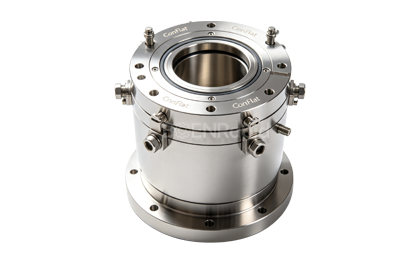
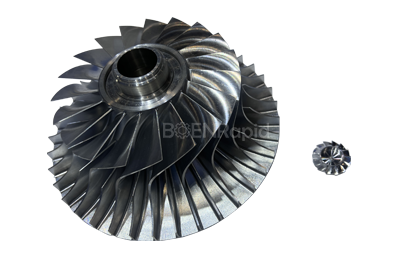
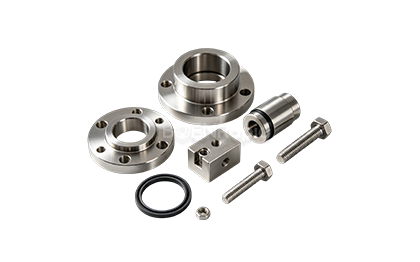
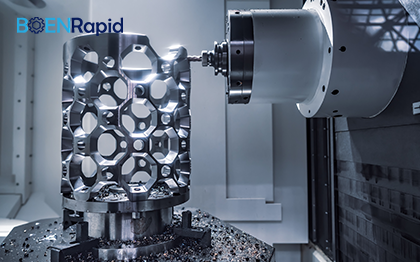
Stainless Steel CNC Milling Parts With Mirror Polishing
When sourcing precision components for medical devices, food equipment, or industrial systems, surface quality is not a secondary concern — it directly affects product safety, regulatory compliance, and service life. Stainless steel CNC milled parts with mirror polishing combine tight dimensional control with a refined surface finish (Ra < 0.2 μm), making them suitable for sterile environments, fluid-contact assemblies, and high-visibility enclosures. At BOEN Rapid, we machine grades including SS303, SS304, SS316, and SS316L, supported by ISO 9001 and ISO 13485 certifications, with prototype delivery in 3–15 working days.
Understanding Stainless Steel CNC Milling and Mirror Polishing
What Is CNC Milling on Stainless Steel?
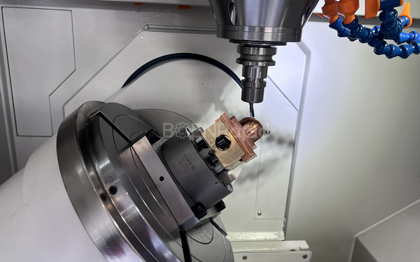
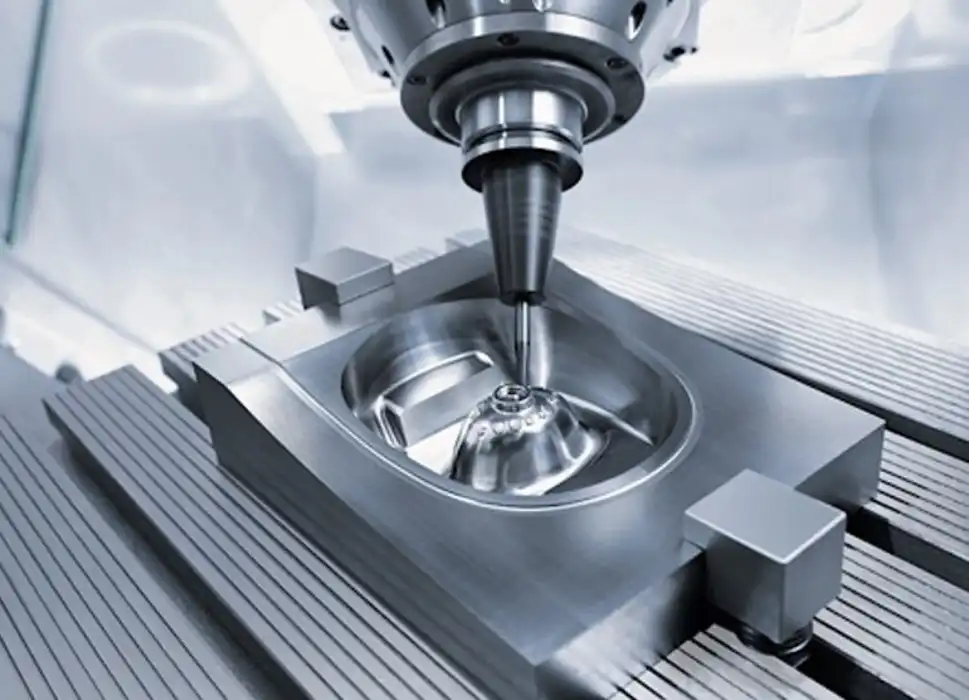
Computer-controlled rotating tools are used in CNC milling to remove material and make flat surfaces, pockets, curves, and complex shapes. 3-axis, 4-axis, and 5-axis machining centers can cut multiple faces of stainless steel in a single setup, which cuts down on mistakes caused by repositioning. Tolerances are usually ±0.02 mm, and critical parts are held to ±0.01 mm. Because cutting stainless steel is harder, the strategy for the toolpath, the choice of carbide tools, and how the coolant is managed all have a direct effect on how stable the dimensions and surfaces are from one production batch to the next.
How Mirror Polishing Integrates with CNC Machining
When you mirror polish something after you've machined it, you use gradual mechanical cleaning or electropolishing to make the surface smoother until the Ra value is less than 0.2 μm. A base finish of Ra 0.8–1.6 μm is made by CNC cutting. Next, secondary abrasive steps (320–2000 grit) and final buffing compound cycles make the surface shiny. According to ASTM A967 standards, electropolishing goes even further by electrochemically removing the top layer of metal. This gets rid of microscopic peaks, lowers the amount of free iron contamination, and makes the passive oxide film stronger.
Technical Advantages of Mirror-Polished Stainless Steel Parts
It's not enough for a finish to look clean. Studies published in Corrosion Science show that lowering Ra below 0.4 μm on SS316L makes it much harder for bacteria to stick to it and to start crevice corrosion in media with chloride. Electropolished surfaces also make Clean-in-Place (CIP) processes more effective in medical and pharmacy settings because they keep particles from sticking to them. In factories, polished contact surfaces have a lower friction coefficient, which means that moving parts wear out less quickly.

Design and Technical Specifications
DFM Principles for Mirror-Polished CNC Parts
Design for Manufacturability is important here because it's hard to clean a mirror consistently when there are sharp internal corners, deep, narrow holes, and walls that are too thin. Before giving a quote, our tech team looks over every plan. To use SS316L, the inside diameter should be at least 0.5 mm, the wall thickness should be at least 1 mm, and there shouldn't be any blind features that polishing compound can get stuck in. Geometry problems can be found early on in DFM analysis, before production starts. This cuts down on the number of revisions needed and keeps your project on plan.
Stainless Steel Grade Selection
Picking the right grade is all about finding the right mix between being able to machine it, not rusting, and following the rules:
- SS303 contains added sulfur for faster machining and lower tooling cost. It suits non-critical structural stainless steel CNC milled parts but offers lower corrosion resistance than 304 or 316, making it unsuitable for food-contact or medical-grade applications.
- SS304 / SS304L provides good general corrosion resistance at a moderate cost. It covers a wide range of industrial and food-processing components where chloride exposure is limited.
- SS316 / SS316L adds 2–3% molybdenum, raising chloride pitting resistance significantly. SS316L's low carbon content meets biocompatibility requirements and withstands repeated autoclave sterilization cycles, making it the preferred choice for surgical instruments and pharmaceutical equipment.
Grade mix-up risk is eliminated by XRF testing at the time of goods receipt. This is a regular audit failure point for medical device OEMs.
Surface Finish Options Compared
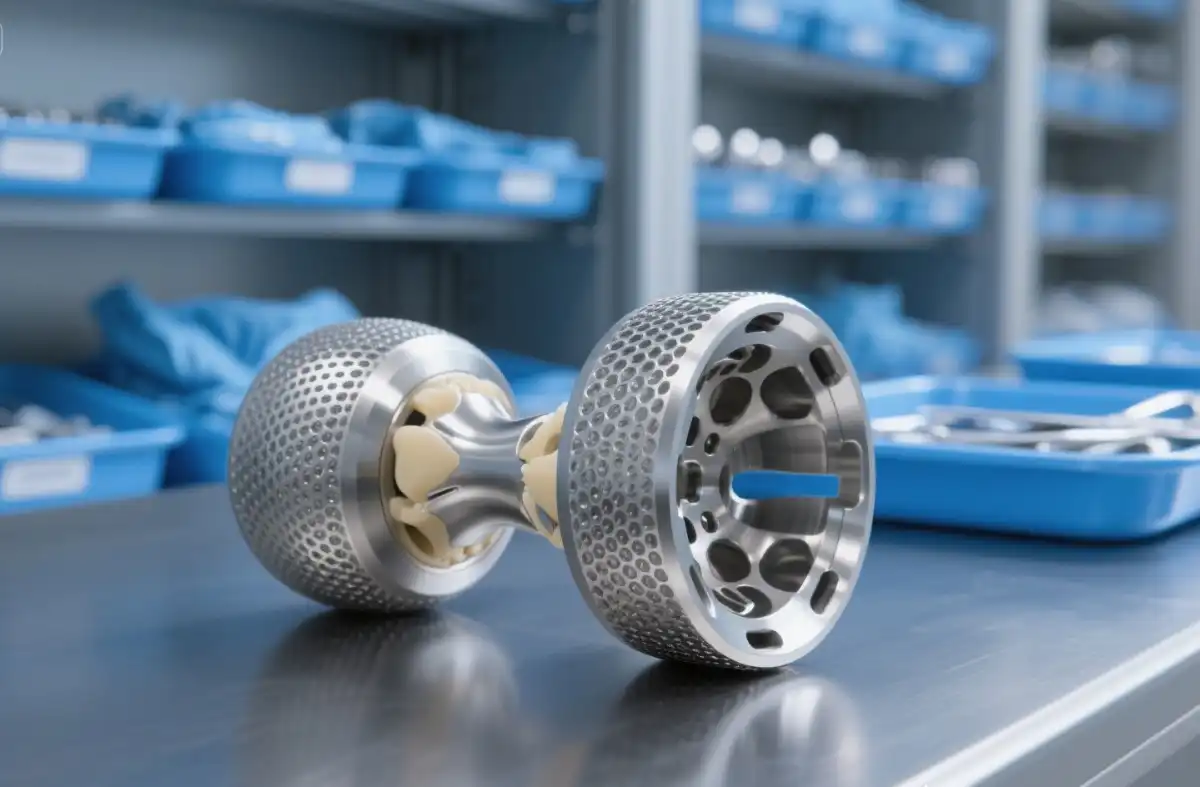
Standard CNC milling gives Ra values between 0.8 and 1.6 μm, which is good for structural and mechanical uses. Bead blasting creates a smooth, matte surface with a roughness level of 1.6 to 3.2 μm that is often needed for grip surfaces or to make surfaces look regular. As per ASTM A967, passivation restores the inactive layer without changing the texture of the surface. Both electropolishing and mechanical mirror polishing get Ra < 0.2 μm, but they remove material in different ways. Electropolishing removes 10–30 μm all over, while mechanical buffing only does so in certain spots. Which route is best depends on the needs of your application and the rules that apply.
Stainless Steel CNC Milling vs. Alternative Manufacturing Methods
CNC Milling vs. Investment Casting and Forging
Investment casting works well for large, complicated shapes, but it leaves holes in the metal, which is not good for pressure-tight or sanitary parts. Forging gives structures a lot of strength, but it needs expensive tools and can only be used for simple cross-sections. For CNC milling, there are no costs for making dies, changes to the design can be made at any point, and the first piece will have tight tolerances and be completely solid with no pores. Milling consistently gives better shape and surface integrity than casting for low to medium volume runs of 1 to 500 pieces at a lower per-project entry cost.
Stainless Steel vs. Aluminum and Engineering Plastics
Aluminum is lighter and easier to work with, but it can't compare to stainless steel when it comes to tensile strength (515–1100 MPa depending on grade vs. ~270 MPa for 6061-T6) or resistance to corrosion in acidic or saline environments. Engineering plastics like PEEK and PTFE are good at resisting chemicals, but they aren't rigid enough or durable enough to be sterilized for use in surgical tools or high-pressure valve bodies. Stainless steel CNC-cut parts are still the best choice when you need long service life, easy surface upkeep, and the ability to hold a lot of weight.
CNC Milling vs. Metal 3D Printing
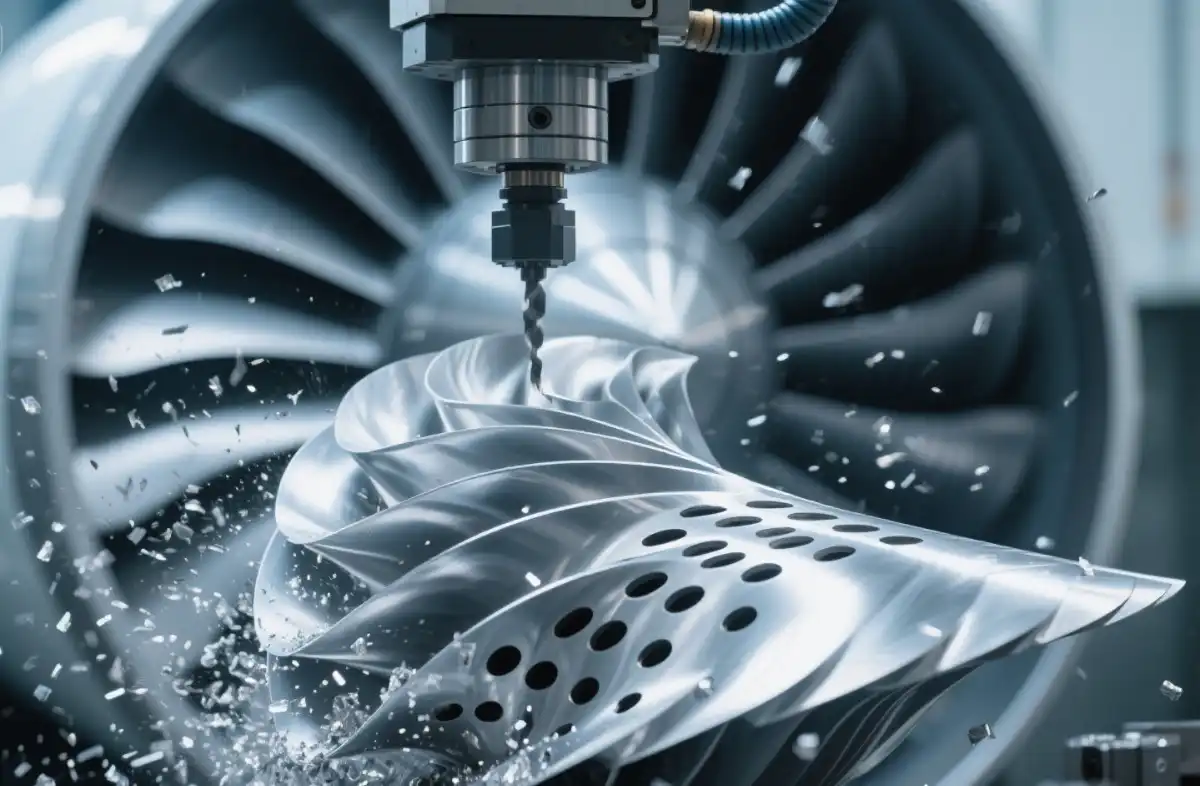
Metal additive manufacturing is great at making internal grid structures and fully enclosed channels, but the finished products are usually only 10–25 μm thick, so they need a lot of work to get them to a mirror finish. For orders of more than one piece, metal 3D printing takes longer, and it's still harder to track down material certifications than it is for wrought bar stock used in CNC milling. CNC cutting from approved bar stock is still the more reliable and audit-friendly way to make parts that need both tight tolerances and mirror surfaces.
Procurement Insights: Ordering Mirror-Polished CNC Parts
Key Pricing Factors
The price of a part is affected by four main factors: the type of material (SS316L is more expensive than SS304), the complexity of the shape (5-axis setups take longer to program and cycle time), the method of polishing (electropolishing takes longer and costs more to handle chemicals), and the paperwork that needs to be done (MTR, full-dimensional inspection reports, and CAPA documentation for medical OEMs all cost money and time to manage). BOEN Rapid doesn't have a minimum order quantity (MOQ), which is good for engineering teams that need to order first-article samples or test lots.
Lead Times and Logistics
Delivery of a standard sample takes between 3 and 15 working days, based on how complicated the part is and how it needs to be finished. Batches of low-volume production usually finish in two to four weeks. BOEN Rapid ships worldwide with DHL, UPS, and FedEx, and you can keep track of your packages at all times. Stainless steel CNC milled parts are shipped in foam-lined or VCI-protected boxes to keep the polished finishes from getting damaged during shipping.
How to Submit an Accurate RFQ
To get a precise price within 24 hours, send your 2D model (PDF or DWG) along with your 3D file (STEP or IGS). Be sure to include the grade of stainless steel, the tolerance class you need, the surface finish you want (Ra value or finish code), and any necessary paperwork like MTR or inspection records. By telling us your goal delivery date and estimated volume in your first answer, you help our team set priorities for scheduling.
Choosing the Right Stainless Steel CNC Milling Supplier
Quality System Requirements
ISO 13485 approval is a must for medical device OEMs because it controls changes (ECN), handles nonconforming products (NCR/CAPA), and keeps track of batches. BOEN Rapid has multiple quality certifications, such as ISO 9001 and ISO 13485. They offer complete quality paperwork packages that include MTRs from approved material sources, measurement inspection reports, and passivation test records. Our NDA performance keeps secrets safe at all times.
Manufacturing Capability Assessment
A good supplier should have 3-axis, 4-axis, and 5-axis CNC machining centers, as well as the ability to do electropolishing, passivation, and mechanical polishing on-site. When parts are finished in-house, there is no quality risk when they are sent to a company. BOEN Rapid is in charge of all of the steps involved in treating the surface. This gives procurement teams a single point of contact for making sure that the quality of the dimensions and surface is met.
Responsiveness and Engineering Support
A reliable sign of poor production communication is a slow response from the supplier during the RFQ or drawing clarification stage. Within 24 hours, our engineering team looks over every project and gives DFM feedback before quoting. This organized front-end process stops tolerance problems and material mismatches before they get to production, which directly saves your plan for product development.
Conclusion
Putting a mirror finish on stainless steel CNC milled parts. It has been proven that CNC-milled parts work better: they have cleaner surfaces that meet FDA and ISO sanitary standards, less germs sticking to them, and better passive rust protection. If a part passes your approval tests on the first try, it depends on the grade it is made of, how precisely it was machined, and how it was processed afterward. BOEN Rapid is set up to support both early-stage prototyping and ongoing production programs. It has documented quality systems, no MOQ, and 24-hour quoting.
FAQ
1. What tolerance is achievable on mirror-polished stainless steel CNC parts?
For most things, the standard deviation is ±0.02 mm. Important sizes, like bore diameters and mating faces, can be kept within ±0.01 mm. Because it only removes a thin layer of the surface (usually less than 5 μm for mechanical polishing), mirror polishing doesn't change the limits for size.
2. Does electropolishing replace passivation?
Passivation is a by-product of electropolishing, but some quality systems need separate passivation certification according to ASTM A967 so that things can be tracked. We give you paperwork for both steps based on what you need.
3. Can you provide material test reports for SS316L parts?
Yes. Every lot of SS316L bar stock comes with mill certificates from sources that are known to be reliable. We send MTRs with every package and can give you XRF verification reports if you ask for them. This means that your location doesn't have to do any incoming inspections.
4. What is the minimum order quantity for prototypes?
There's no minimum order quantity. The same inspection and material certification paperwork is sent for single-piece prototypes and small qualification lots as it is for production orders.
5. How long does mirror polishing add to the lead time?
Depending on the size and shape of the part, mechanical buffing to Ra < 0.4 μm can add one to three working days. Setting up the process and inspecting the finished product take an extra two to four working days.
Request a Quote for Precision Mirror-Polished Parts — BOEN Rapid
BOEN Rapid provides high-quality stainless steel CNC milled parts made of stainless steel that are polished to a mirror finish. Their methods are ISO 9001- and ISO 13485-approved, and they offer full material traceability and technical support from reviewing the drawings to delivering the parts. Our team gets back to you within 24 hours, whether you need a single sample or a ready-to-go production batch. To send your RFQ, you can either email it to contact@boenrapid.com. Choose a company that makes CNC-milled parts out of stainless steel and makes compliance and surface quality production requirements, not options.
References
1. Davis, J. R. Stainless Steels. ASM International, 1994.
2. Shreir, L. L., Jarman, R. A., & Burstein, G. T. Corrosion: Metal/Environment Reactions. Butterworth-Heinemann, 1994.
3. ASTM International. ASTM A967: Standard Specification for Chemical Passivation Treatments for Stainless Steel Parts. ASTM International, 2017.
4. Groover, M. P. Fundamentals of Modern Manufacturing: Materials, Processes, and Systems. Wiley, 2020.
5. Donachie, M. J. A Practical Guide to High-Temperature Alloys. ASM International, 2000.
6. ISO. ISO 13485: Medical Devices — Quality Management Systems — Requirements for Regulatory Purposes. International Organization for Standardization, 2016.