High Precision Metal Components for Aerospace, Automotive, and Medical Applications
High precision metal components are engineered parts manufactured to exact dimensional specifications, typically holding tolerances of ±0.005mm or tighter, with surface finishes reaching Ra 0.4μm. In aerospace, automotive, and medical applications, even the smallest deviation can compromise safety, regulatory compliance, or product performance. This guide covers how these components are made, what materials work best, and how to select a supplier who can support your full qualification cycle — from first article inspection to production-scale delivery.
Understanding High Precision Metal Components
What Separates Precision Parts from Standard Parts
For general workplace use, standard made parts are fine. Precision parts, on the other hand, have to meet very strict standards for size limits, surface finish, and material tracking. A general bracket might be able to handle some variation, but a surgical instrument housing or a semiconductor equipment cavity can't. There is more than one difference between them. It starts with certifying the materials, continues with inspections while the work is being done, and ends with final verification that is written down.
Core Manufacturing Processes
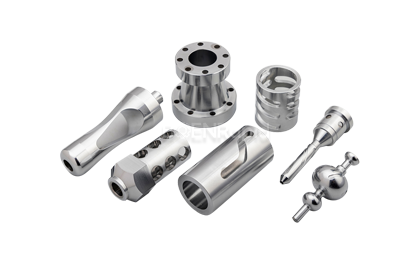
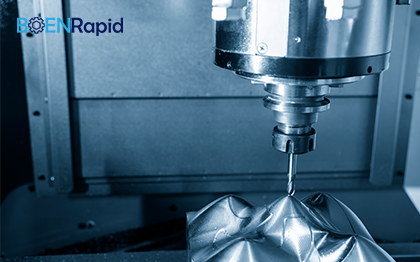
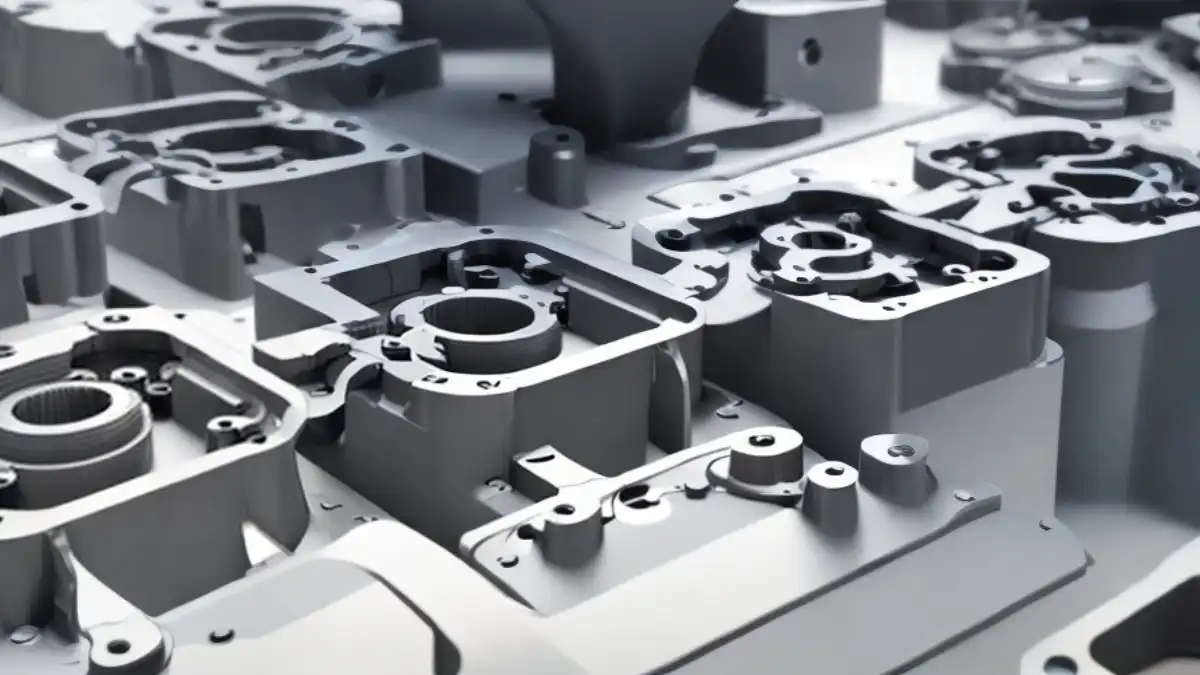
Electrical Discharge Machining (EDM), multi-axis turning, CNC milling, and grinding all have different jobs to do. CNC cutting can quickly and accurately work with most shapes. EDM works great for things like thin walls, tight internal radii, or hardened materials that are too complicated or fragile for normal cutting. When makers use both methods together in one output flow, they can meet needs that neither method can meet on its own.
Quality Standards That Matter
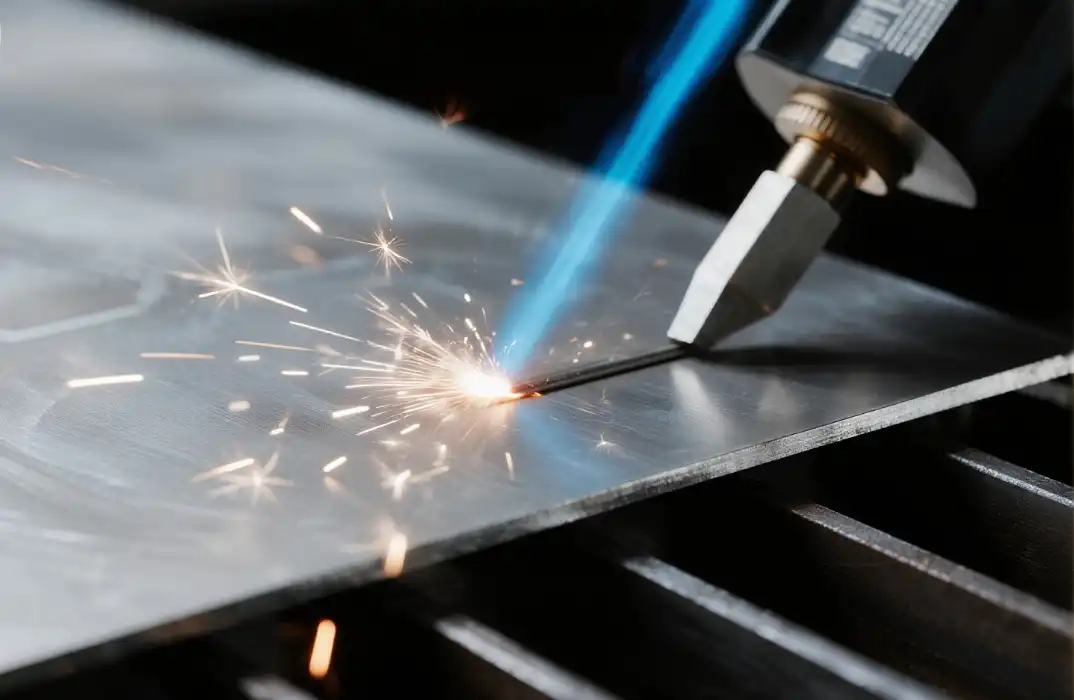
ISO 9001 sets the standards for quality control in general. ISO 13485 adds a layer that is specific to medical devices. It covers controls for design, tracking, and regulatory paperwork. It is required for procurement engineers working for companies that make medical devices or semiconductors to be certified in both ISO 9001 and ISO 13485. It is a basic requirement for qualifying as a supplier. For every production run, there should be CMM inspection reports, material certificates, and First Article Inspection (FAI) paperwork.
Types and Applications of Precision Metal Components Across Industries
Aerospace Structural and Instrument Parts
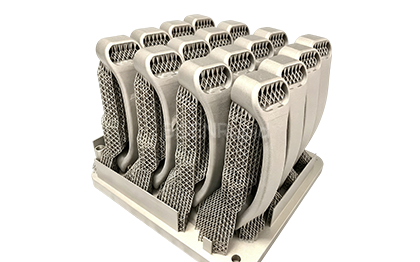
Used in aerospace, where strength and light weight are important. Most structural bolts, mounting gear, and control system parts are made of Titanium Grade 5 (Ti-6Al-4V). The temperatures of these parts must be able to go from -55°C to over 300°C many times without losing their shape. When saving weight is very important, and the temperature is not too high or too low, Aluminum 7075 is used. Both materials need strict process controls to keep them from getting stressed during cutting.
Medical Device and Surgical Instrument Components
Medical parts have extra requirements: they need to be biocompatible, the right size, and able to be fully tracked for high precision metal components. Standards call for surgical and internal parts to be made of Stainless Steel 316L and titanium. When medical OEMs get ISO 13485 certification at the factory level, it gives them the supplier paperwork they need to send to the FDA or CE for approval. A supplier can't really help with the medical device registration process without that chain of documents.
Robotics, Automation, and Semiconductor Equipment
All production batches of precision gears, actuator housings, sensor mounting brackets, and equipment cavity bodies must be the same size and shape. In semiconductor equipment, a change of just 0.01 mm in a process chamber part can have an effect on chip output. Multi-axis CNC machining and CMM verification at set inspection intervals, not just at the final inspection, work well together in these situations.
Selecting the Right Materials and Manufacturing Techniques
Matching Material to Application
The choice of material affects all performance variables further down the line, including wear life, resistance to rust, weight, and ease of machining. Here are the most common pairs of materials and uses used across all fields:
- Titanium Grade 5 (Ti-6Al-4V): used to make aerospace structures and orthopedic implants. It has a high strength-to-weight ratio and doesn't rust.
- Stainless Steel 316L / 17-4PH: used for medical tools and food-grade equipment because it doesn't rust and can be sterilized.
- Aluminum 6061 / 7075: aerospace housings, robotic frames; light, easy to machine, moderately strong.
- Copper / Brass: used for thermal management parts and electrical links because they are highly conductive and easy to machine.
Different materials need different ways to cut, different tools, and different cooling methods. Picking a manufacturer that has worked with your alloy before lowers the amount of scrap and speeds up the lead time.
These important differences have a direct effect on your schedule for qualification. A supplier who can suggest different materials early on, before the molds are made, can save a lot of money on development costs.
CNC Machining vs. EDM for Complex Geometries
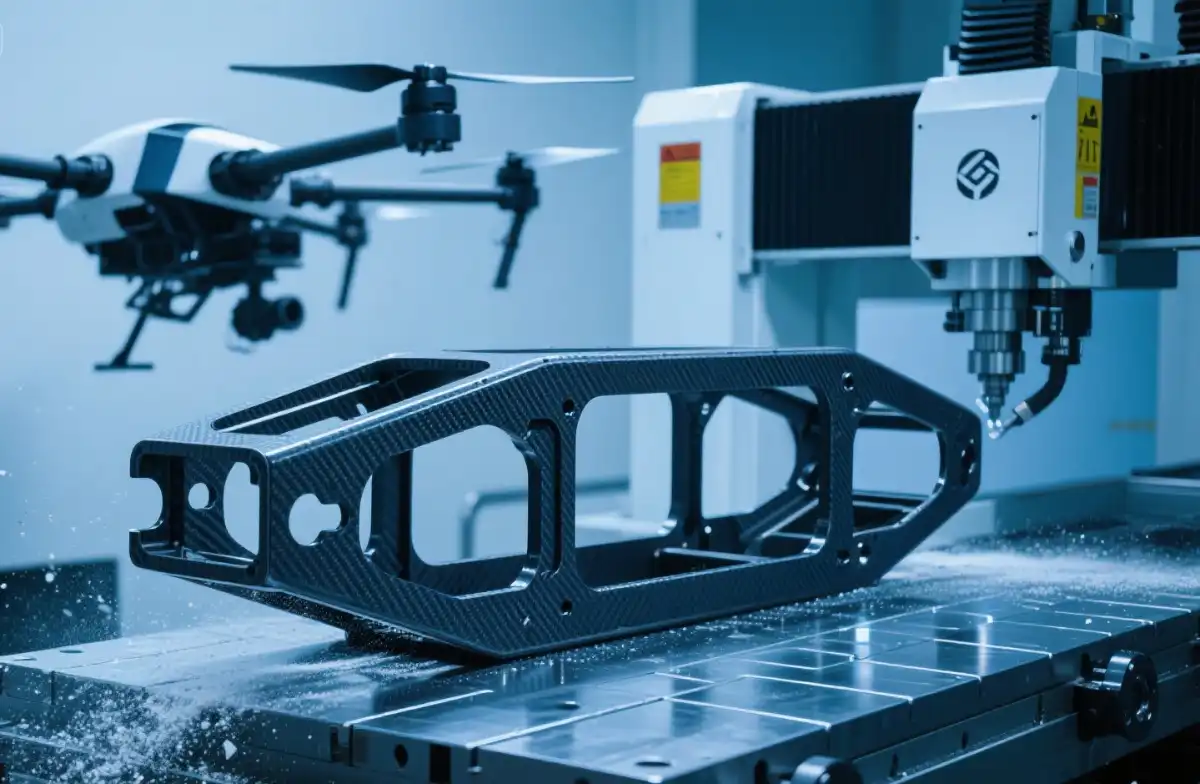
Most of the time, CNC machining is faster and cheaper for most shapes. EDM is used when sharp edges, internal features, or materials that have been hardened make it impossible for standard tools to reach the part. A shop that can do both processes in-house gets rid of handoff delays and quality risk at the process boundary for aerospace and medical parts with complicated internal channels or micro-features.
How to Choose a Trusted Supplier for Precision Metal Parts
Certification and Documentation Requirements
When a seller has both ISO 9001 and ISO 13485 certification, it means that they have a written quality system that can be checked for high precision metal components. In addition to approval, you should also ask to see examples of CMM reports, records of how materials were tracked, and FAI paperwork from similar parts. As required by medical and semiconductor buying, a seller who gives these regularly, not just when asked, is working at the right level of compliance.
Evaluating Production Capability and Lead Time
What a supplier says they can do and what they actually deliver are not the same thing. Write down the lead times for prototypes you want. Find out what their minimum order quantity is, how flexible their batches are, and how they handle engineering changes during production. It is helpful to work with a source that can handle low-volume, high-mix programs like those used in medical device development. This is because they should be able to run batches of 10 to several thousand units without affecting the production structure.

Protecting Intellectual Property
Before sharing any drawings or designs, you should sign an NDA. A seller with official NDA rules and experience working with regulated industries knows how sensitive it is to keep product ideas secret. Before the expert review starts, this step has to be taken.
Procurement Best Practices and Ordering Process
Defining Technical Requirements Clearly
Drawings that aren't clear cost more than ones that are. Before you send an RFQ, make sure that your 2D or 3D models include tolerance callouts for important dimensions, requirements for surface finish, material grade and condition, and any post-processing needs (such as anodizing, passivation, or plating). When a provider gives feedback on Design for Manufacturability (DFM) within 24 hours of getting files, revision processes are cut down by a large amount.
Managing Lead Times Around Project Milestones
Schedules for prototype phases and production ramps rarely leave room for delays from suppliers. Checking the lead time should be part of your seller qualification process. Ask exactly how long the wait list is right now and what materials are available for your metal. When a prototype is late and delays further testing or regulatory submission, air freight choices become important.
Using the FAI-to-Production Pathway Effectively
First Article Inspection is not just a formality; it is the point at which you can be sure that a supplier's process can handle your large-scale needs. Carefully look over the FAI package before giving the go-ahead for production release. If a measurement is outside of FAI's tolerances, it's likely to happen again in production. Fix problems with the process at FAI, not after the whole batch has been sent out.
Conclusion
Finding high precision metal components for businesses that are controlled and safety-critical takes more than just a good price. It needs a provider with quality systems that are certified, inspection records that are written down, material that can be tracked, and technical help from the first review of the drawings through production. When looking for a new machining partner for a medical device program or parts for semiconductor equipment, the factors for the provider stay the same: certifications, documentation, and proof of process control. These are the building blocks of a relationship with a provider that will last through a governmental audit.
FAQ
1. What tolerance can be held consistently in production?
Modern CNC machining centers with temperature-controlled rooms can keep specs of ±0.005mm across production runs as long as the right fixtures are used and the work is inspected as it's being done. This isn't just a one-time prototype feature; it needs process discipline at every step.
2. Is ISO 13485 certification required for medical component suppliers?
Supplier ISO 13485 certification makes the process of qualifying suppliers a lot easier for medical device companies that follow FDA 21 CFR Part 820 or ISO 13485 rules. Auditors want to see proof that the same quality controls are in place throughout your supply chain.
3. How do I verify a supplier's actual capability before ordering?
Ask for examples of inspection reports for similar parts, a list of the facility's capabilities along with machine specs, and any customer references from the same field that are available. If a seller works with controlled markets, they should give these right away.
4. What documentation should accompany a production delivery?
At the very least, you need a CMM report with measurements, a material certificate (also called a "mill certificate"), a record of measurements for surface finish, and FAI approval for new part numbers. Full lot traceability documentation is standard for medical parts.
Partner With BOEN Rapid for Certified Precision Component Manufacturing
Customers all over the world, including those in medical devices, aircraft, robots, and semiconductors, buy high precision metal components from BOEN Rapid. We are a qualified company that makes high-precision metal components and have ISO 9001 and ISO 13485 certifications. From the prototype stage to production, we offer CMM inspection reports, FAI documentation, NDA protection, and DFM engineering support. 10 to 10,000 units at a time. 3 to 15 days for prototypes. To get a quote, email your drawings to contact@boenrapid.com.
References
1. Journal of Manufacturing Science and Engineering — ASME, 2022.
2. Precision Engineering — Elsevier, 2023.
3. Medical Device and Diagnostic Industry (MD+DI) — 2022.
4. International Journal of Advanced Manufacturing Technology — Springer, 2023.
5. Quality Management in the Medical Device Industry — ASQ Quality Press, 2021.
6. Aerospace Manufacturing and Design — 2022.