3-Axis Machining Parts: A Complete Guide to Precision CNC Components
3-axis machining parts are a common alternative when engineers and procurement teams are looking for dimensionally correct bespoke components without tooling expenditures. This procedure employs a cutting tool in the X, Y, and Z axes to remove material from a solid block to create pockets, slots, holes, and curved surfaces with tolerances as close as ±0.005 mm. CNC machined parts provide consistent quality for automotive fittings and medical device housings in runs of 1 to 1,000+ pieces. This book provides everything you need to know: technology, materials, supplier selection, technical requirements, and procurement best practices.
Understanding 3-Axis Machining Parts and Technology
How the Process Works
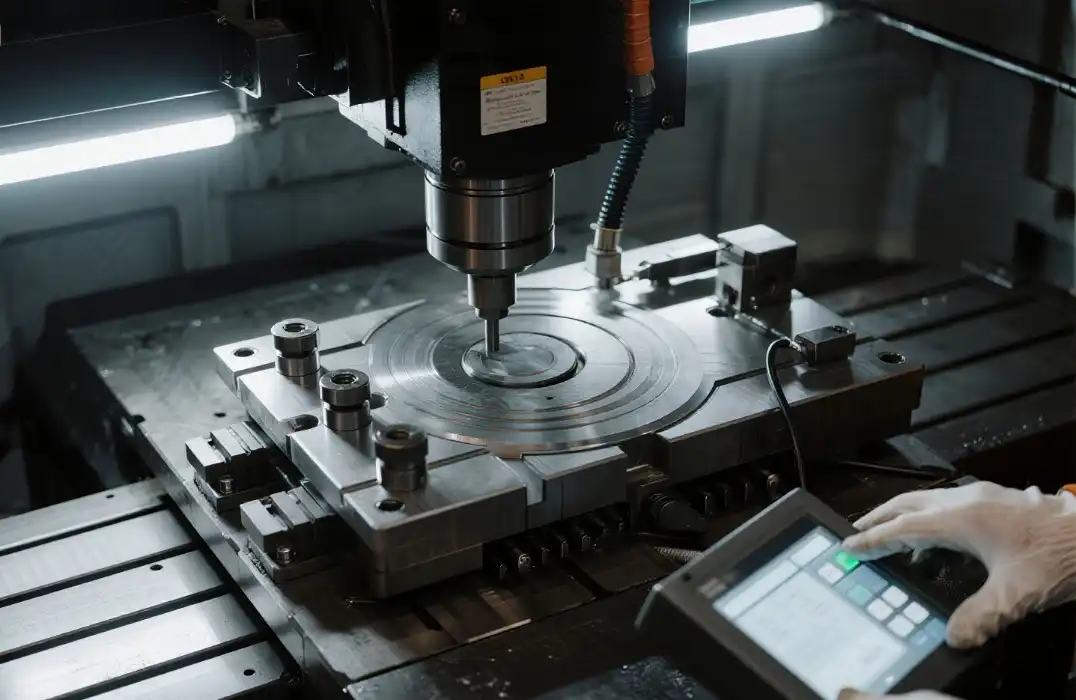
A 3-axis CNC machine is one that rotates the spindle in 3 linear dimensions simultaneously. The work is moved to provide diverse surfaces to the rotating cutting tool at high speed. This lets the machine produce flat faces, curved profiles, and interior cavities from one configuration, keeping cycle times down and per-unit prices low.
Materials Commonly Used
The method is applicable to a variety of materials. Lightweight structural elements are often made from aluminum alloys (6061, 7075). Stainless steel (303, 304, 316) for corrosion-resistant assemblies. Titanium Grade 5 is used in high-strength biocompatible applications. On the plastic side, common alternatives for functional prototypes and low-friction components include Delrin, PEEK, Nylon, and Polycarbonate. Material selection directly influences machinability, cycle time, and performance of the end product.
Precision Capabilities and Industrial Applications
Modern CNC machines may achieve tolerances as low as ±0.005 mm, which is good enough for most industrial fit and assembly needs. Surface finishes range from as-machined to mirror-polished or anodised. It’s a staple in industries including automotive, robotics, aerospace, medical devices, and industrial automation – basically anyplace you need repeatable dimensional precision in repeated batches.
Comparing 3-Axis Machining With Alternative Methods
3-Axis vs. 4-Axis and 5-Axis Machining
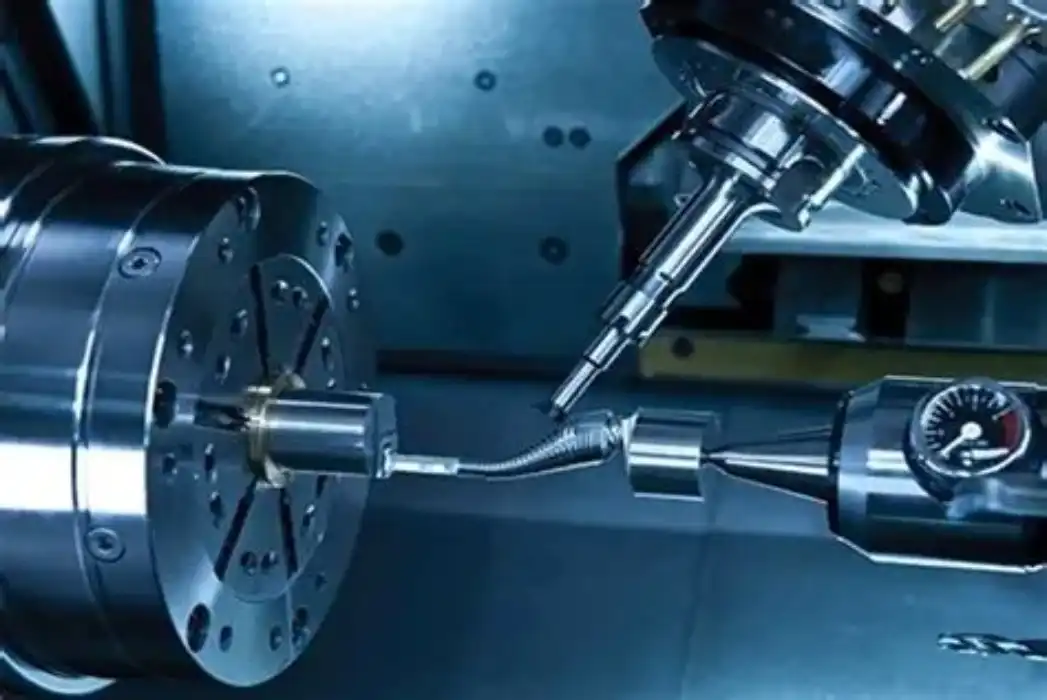
On four- and five-axis machines, rotary axes may be added so that the tool can approach a part from a number of directions without the need to re-fix the tool. This will help you to better see curves and undercuts. But the machine rates and the processing times are longer. One-axis cutting is more precise yet less expensive per part. This applies to pieces such as beams, plates, and housings which contain features that may be accessed from all four sides and from the top.
CNC Machining vs. Manual Machining
The difference in the portions relies on the ability of the cutter. The CNC reads a predetermined program for each turn. Then each unit is the same size as it comes out of the machine. The Society of Manufacturing Engineers states CNC technologies reduce discrepancies in sizes by up to 90% compared to conventional methods of doing things. When there are a lot of orders or assemblies that have to fit together correctly, this repeatability reduces the number of inspection failures and the cost of rework.
When 3-Axis Is the Right Choice
3-axis CNC cutting is excellent for items that are not required in large quantities (1,000 or fewer) and do not need deep undercuts or compound angles, according to procurement professionals who look at technology fit. It also means you can turn things around quicker since it is straightforward to set up. This makes it the perfect option for testing prototypes and for urgent production requirements.
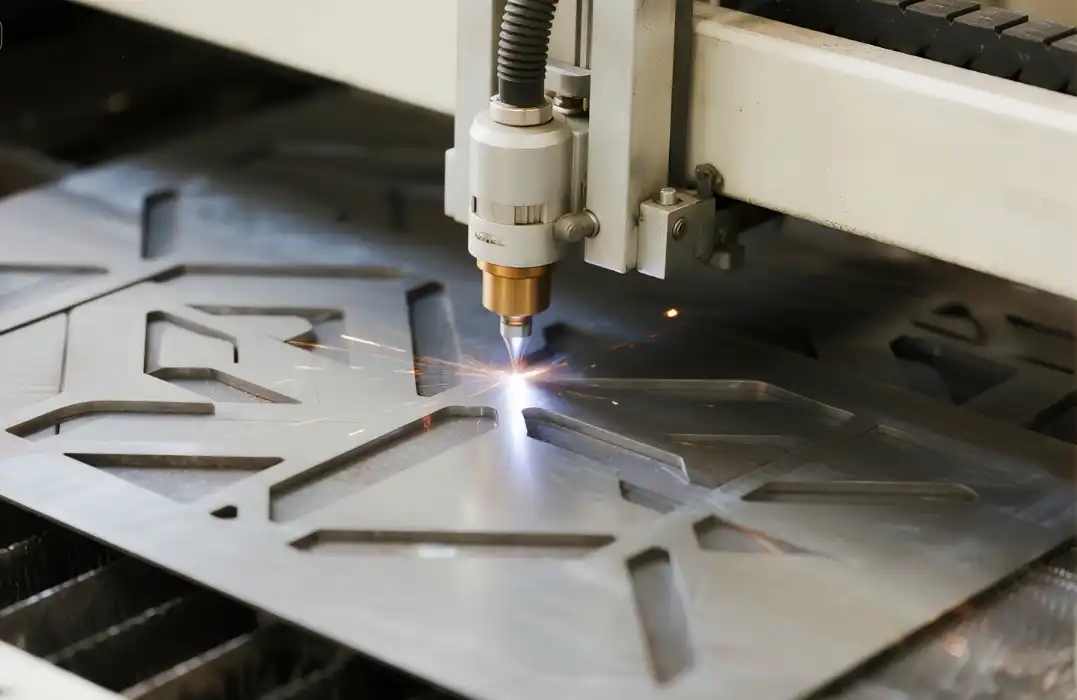
Selecting the Right 3-Axis Machining Parts Supplier
Key Evaluation Criteria
The first thing that has to be done is quality approval. If you want medical-grade 3-Axis machining parts, you have to have ISO 13485. ISO 9001 confirms that the quality management system is under control. The supplier should have the proper certifications, but also verify if they can keep tolerances, what materials they provide, what surface treatments they can conduct in-house, and whether they submit dimensional inspection reports with every shipment.
Lead Time and Cost Structure
A solid vendor for 3-axis machining parts should be able to deliver prototypes in 3-15 business days and modest volumes in 2-4 weeks. Don't price based on artificial minimums; price depending on the difficulty of the cut. Buyers typically save money by detecting design defects that would make the cycle time longer when they get Design for Manufacturability (DFM) comments prior to production.
Why BOEN Rapid Stands Out
BOEN Rapid has been working with high-precision CNC tools for more than 15 years and has ISO 9001 and ISO 13485 certifications. The manufacturing team works with metals such as titanium, brass, aluminum, and stainless steel. Parts may be produced up to 1,200 mm in length, 800 mm in width, and 600 mm in height, with tolerances as tight as 0.005 mm. We conduct the initial look on every task within 24 hours. Parts are sent by DHL, UPS, or FedEx with complete tracking. If you are in need of CNC machined parts, BOEN Rapid is a reputable firm that can provide them worldwide. They are high quality and reasonably priced.
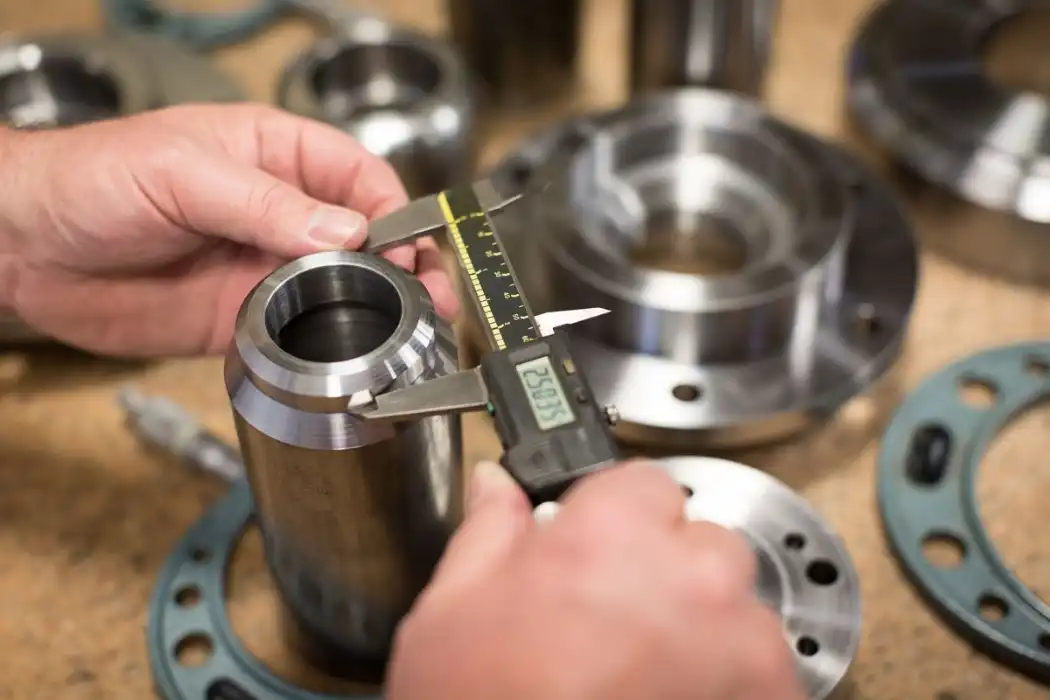
Technical Specifications and CNC Programming for 3-Axis Machining Parts
Dimensional Accuracy and CAD/CAM Compatibility
Every material that BOEN Rapid's milling centers can work with is just ±0.005 mm away from what they can't do. You don't have to update CAM files by hand because they can read CAD files directly in STEP, IGES, or DXF format and make efficient toolpaths. It is faster and less likely for mistakes to happen in the code when everything is done from planning to production.
Surface Finish Options
The things that are done after the part is machined have a big impact on how well it works and how it looks. You may pick one of the following:
- Anodizing (Type II / Type III): This process adds a metal layer to the surface, which makes it harder and less likely to rust. It is the norm for metal parts used in both business and home settings.
- Powder coating: Adds a color layer that lasts a long time to parts of the housing and container that are outside or will be worn down by machines.
- Bead blasting and polishing: Gets rid of machine lines and leaves a smooth, matte, or shiny finish that can be used to protect or make something look good.
- Electroplating: When electroplating is done, a thin layer of metal (nickel, chrome, or zinc) is added to make something look better, carry electricity better, or last longer.
Pick a finish based on what needs to be done next in the assembly process and how the part will be used.
Quality Control and Inspection
CMMs, accurate calipers, and surface gages are all used to make sure that every finished part is the right size. At set times during cutting, in-process checks look for problems before they spread to the rest of the batch. There is an inspection report that goes with every shipment that compares the measured values to the tolerances shown on the drawing. This helps the teams that buy things keep track of quality records.
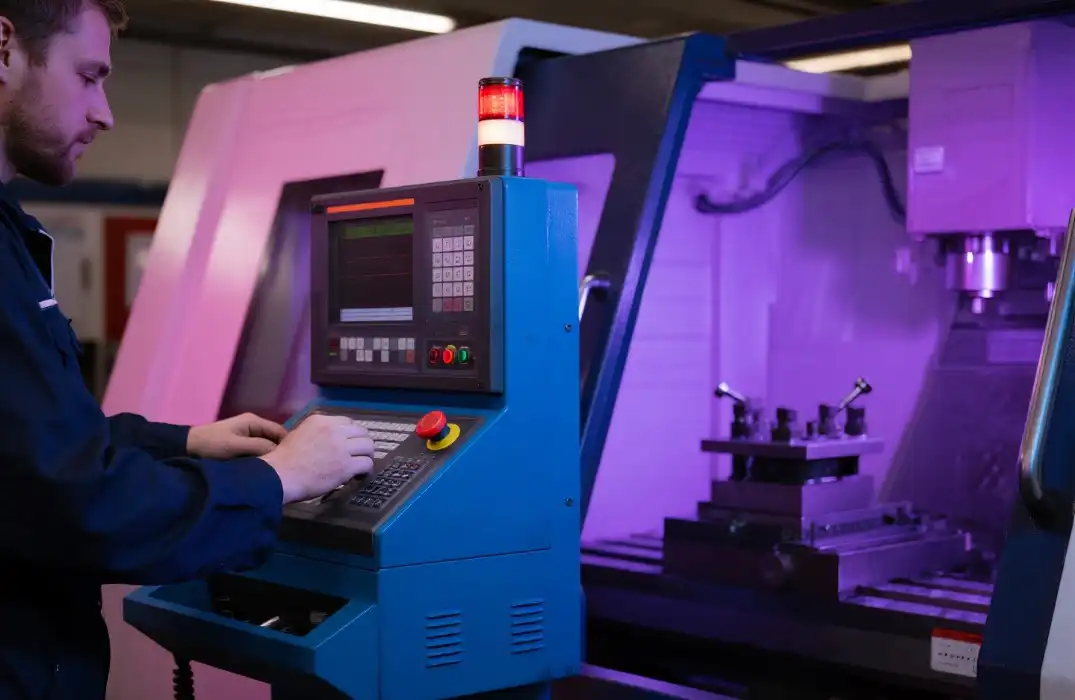
Best Practices for Procuring 3-Axis Machining Parts in B2B Contexts
Custom vs. Standard Parts
Custom CNC cutting is the only way to go when 3-Axis machining parts that are already on the market don't work with automation tools, jig bodies, and equipment frames that aren't standard. There is no need to buy a mold or die, so batch sizes from one to several hundred units are still cheap. Standard commercial parts should still be bought from catalog suppliers when the geometry lets you. CNC tools should only be used to make things that are truly unique.
Bulk Ordering and Long-Term Supplier Relationships
Scheduling is easier when all of your repeat orders come from the same approved source. You can also often get better unit prices for stable numbers this way. Here are some simple ways to shop that will help you save money on your purchases:
- Blanket orders with planned releases let buyers plan ahead for materials and machine time. This cuts down on the time it takes to get new orders.
- Providing complete drawing packages up front cuts down on the back-and-forth that slows down production starts. These packages should include limits, material callouts, and surface finish specs.
- Requesting DFM comments before first articles catches things like too tight of tolerances or deep, narrow pockets that make the manufacturing process take longer without making the product work better.
You can set up a buying rhythm that keeps production schedules stable and unit costs low by following these steps for every order from now on.
Sustainability and Compliance Considerations
People who want to buy from suppliers around the world should make sure that those sellers follow well-known rules about quality and the environment. Getting ISO 9001 approval means that there are controls over the work setting. For medical and tech uses, it is legal to ask for material certificates (mill certs) and proof that the product meets RoHS standards. When the sources of raw materials change, suppliers whose materials can be tracked also lower the risk in the supply chain.
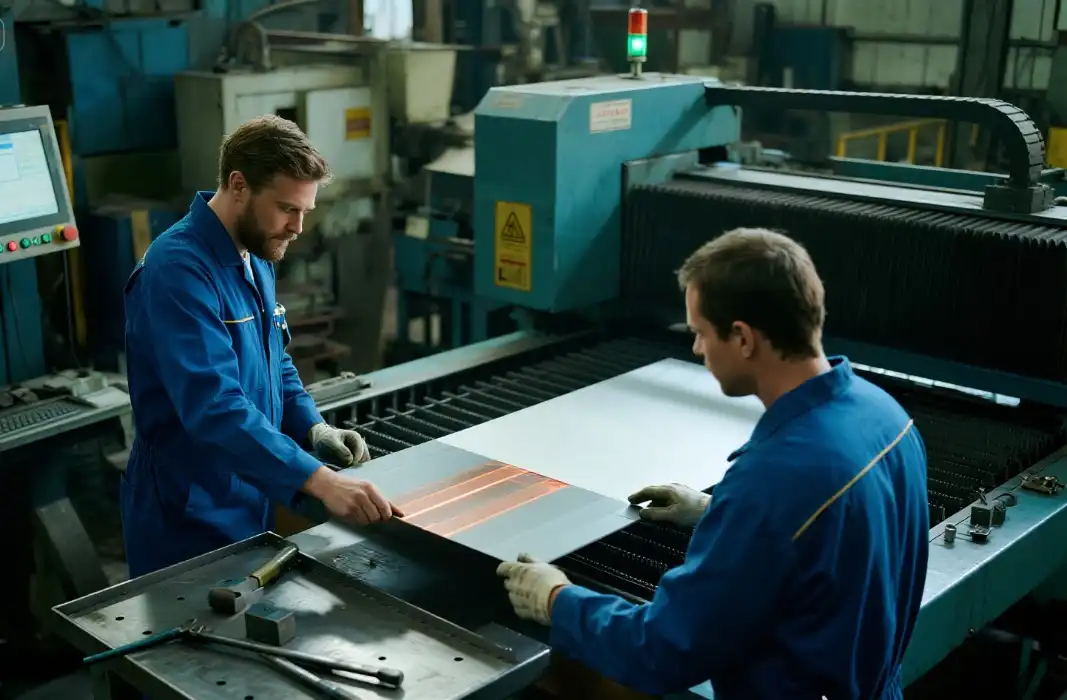
Conclusion
One of the best and least costly methods to produce small to medium quantities of one-of-a-kind metal and plastic goods such as 3-Axis machining parts is still 3D CNC cutting. It can hit tolerances of ± 0.005 mm, requires no sophisticated equipment, and allows you to make swift transitions from design to production. How skillfully the approved vendor with validated qualifications, DFM abilities, and reliable supply operations is chosen determines the usefulness of the procedure. The article covers the essentials of sourcing for industrial buyers: technology, resources, supplier selection, technical specifications, and how to make a purchase. They provide kids an excellent foundation to help them make wise choices.
FAQ
1. What materials work best for 3-axis CNC machining?
Al metals 6061 and 7075 are used most of the time because they are simple to work with and have smooth surfaces. Parts that are likely to rust should be made of stainless steel. When it comes to art and electrical links, brass is a good metal. Engineering plastics, such as PEEK, Delrin, and Nylon, are used to make functional samples and parts with low friction. When picking a material, you should think about how the part will be used, where it will be used, and how much it needs to cost.
2. How does 3-axis machining differ from 5-axis machining in cost and precision?
Both ways give about the same level of accuracy, but 5-axis machines cost more to run and take longer to program. Three-axis cutting works best when you can get to all the important parts from the top or sides without having to use compound angles. Five-axis is only needed for surfaces with a lot of contours, impeller blades, or deep undercuts.
3. Why is ISO 9001 certification important when choosing a supplier?
ISO 9001 says that a supplier has to keep track of nonconformances, write down processes, and keep an eye on inspection equipment. This lets people who are buying parts know that the quality system, not the view of each operation, decides whether a part is acceptable. When it comes to the military and medicine, ISO 13485 adds a level of process control that isn't found in other fields.
4. What is a standard lead time for prototype CNC parts?
Prototype parts usually ship between 3 and 15 business days, depending on how complicated the geometry is and how quickly the material can be found. When only 50 to 500 units are being made, the production run usually ends in two to four weeks.
Request a Quote for CNC Machining Parts — Contact BOEN Rapid Today
The 3-axis machining parts that BOEN Rapid makes are very accurate, with tolerances as low as ±0.005 mm. They are ISO 9001- and ISO 13485-certified, and samples can be sent to you in 3–15 working days. We are a trustworthy company that makes CNC-machined parts for clients in the medical, robotics, automobile, and industrial fields. We ship all over the world with DHL, UPS, and FedEx and offer DFM comments and full inspection records. For a 24-hour project review, you can post your CAD files and email your ideas to contact@boenrapid.com.
References
1. Society of Manufacturing Engineers. Fundamentals of Modern Manufacturing: Materials, Processes, and Systems. 2020.
2. Kalpakjian, S., & Schmid, S. Manufacturing Engineering and Technology. Pearson. 2019.
3. International Organization for Standardization. ISO 9001:2015 Quality Management Systems — Requirements. 2015.
4. Todd, R. H., Allen, D. K., & Alting, L. Manufacturing Processes Reference Guide. Industrial Press. 2018.
5. Groover, M. P. Fundamentals of Modern Manufacturing. 6th ed. Wiley. 2020.
6. American Society of Mechanical Engineers. ASME Y14.5: Dimensioning and Tolerancing. ASME. 2018.