High Precision Metal Components: Materials, Quality, and Performance Factors
When sourcing high precision metal components for medical devices, semiconductor equipment, or robotics systems, the stakes are high. A tolerance deviation of just a few microns can compromise an entire assembly—or worse, delay a product launch. This guide breaks down the key material choices, quality standards, and performance factors that engineering and procurement teams need to understand before placing an order. Whether you're evaluating a new supplier or refining your specifications, these fundamentals will sharpen your decision-making.
Understanding High Precision Metal Components
What Qualifies as "High Precision"?
"High precision" in manufacturing usually means parts that are held to dimensional tolerances of ±0.005mm to ±0.05mm. Most of the time, standard machined parts are within ±0.1mm or even smaller. In uses like surgical instruments or semiconductor wafer handlers, where even small differences can lead to malfunctions or misaligned assemblies, the difference is very important.
Common Component Types
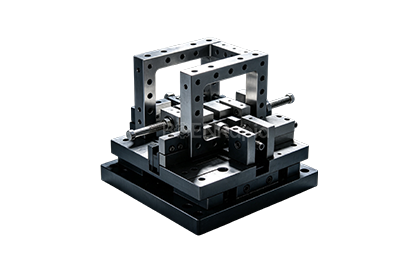
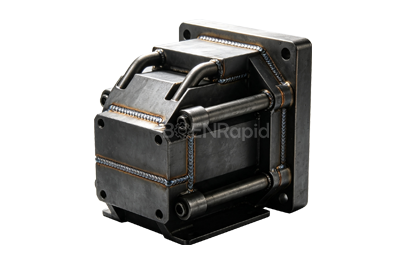
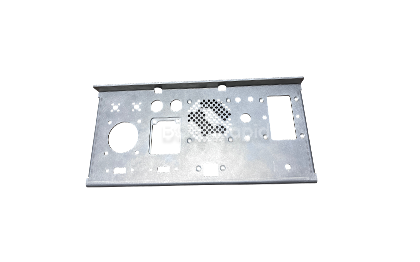
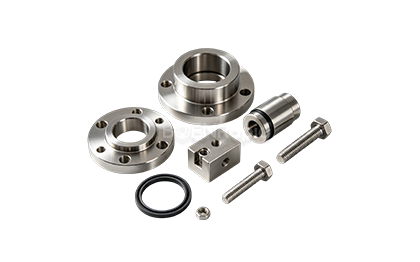
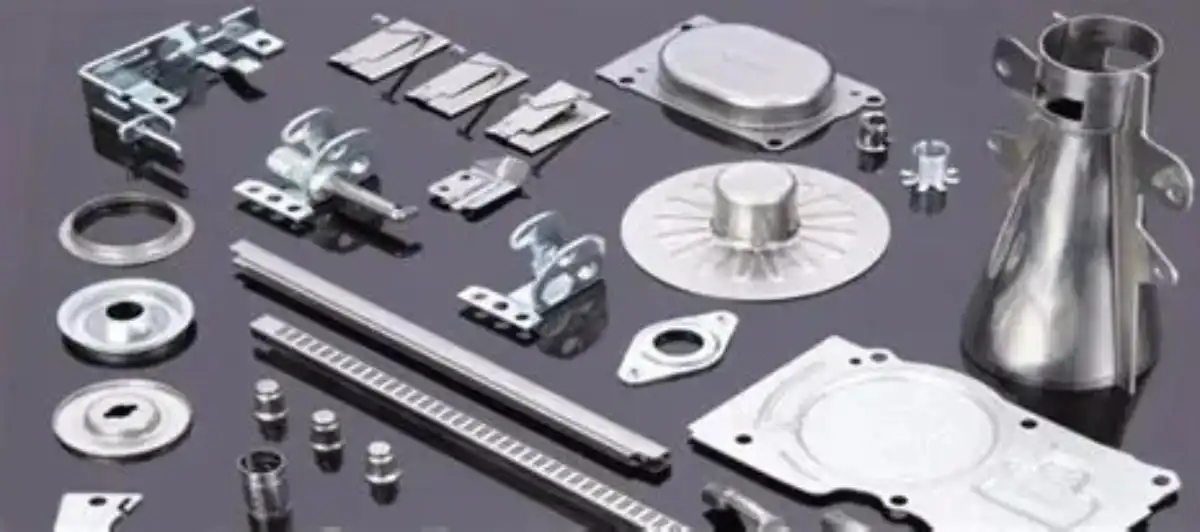
A lot of different shapes can be made from precision metal parts. Different things are done with turned parts, CNC-milled housings, EDM-cut shapes, and ground flat surfaces. Assemblies of medical devices often combine several of these types into a single validated part. This means that process control must be maintained at all stages.
Manufacturing Processes That Drive Accuracy
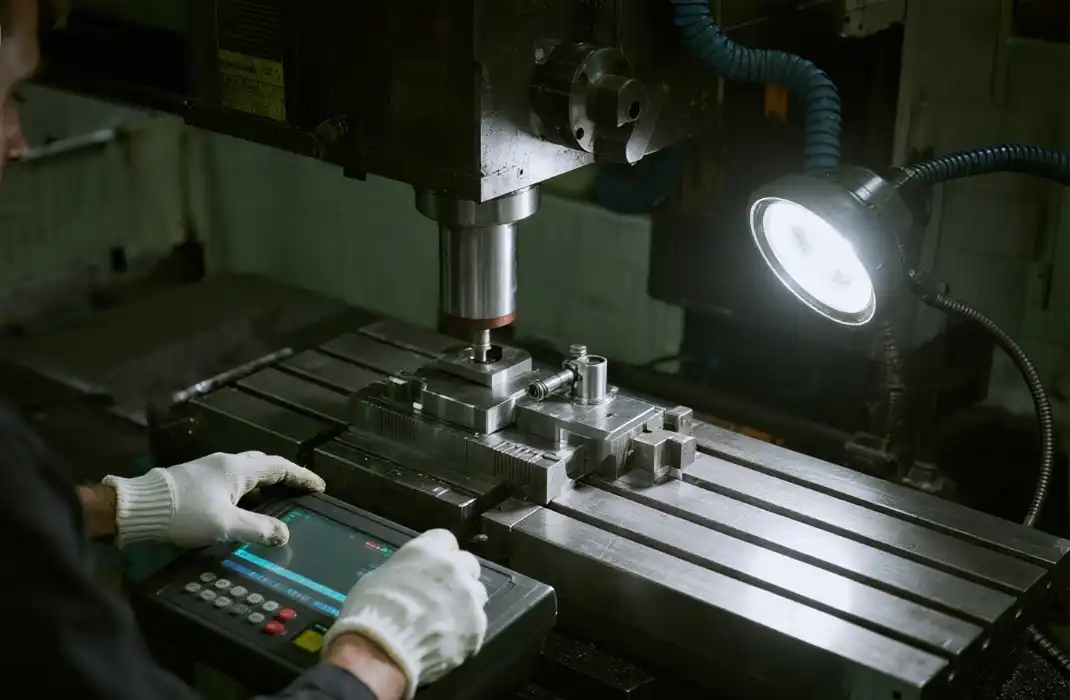
To get accuracy down to the micron level, most people use CNC multi-axis milling, precision grinding, wire EDM, and fine boring. Each method has its own strengths. Grinding gives the surface a very smooth and flat finish (Ra 0.4μm and below), while wire EDM can handle complicated internal shapes without putting cutting forces on thin walls that would bend them.
Materials Used in High Precision Metal Components
Stainless Steel and Aluminum Alloys
Grades 304, 316, and 17-4PH stainless steel are commonly used in medical and food-contact settings since they don't rust and are easy to clean. The strength-to-weight ratio of aluminum alloys 6061 and 7075 is high, high precision metal components, which makes them useful for robotic arms, and frames for semiconductor equipment where weight reduction is important.
Titanium and Its Advantages
To make implantable medical parts and aerospace structural parts, Titanium Grade 5 (Ti-6Al-4V) is the best material. It has a high tensile strength, a low density, and is very compatible with living things. Titanium is harder to make than steel, but skilled producers can keep the tolerances constant by using the right cutting settings and tooling techniques.
Emerging Material Considerations
Copper and brass are still used in a lot of industry tools for their ability to conduct heat and electricity. Engineers are choosing precipitation-hardened stainless steels and specialized titanium grades over standard alloys more and more for parts that need to be resistant to corrosion and have high tensile strength. Before choosing a material, you should always look at how it will be used, how much weight it will have to hold, and any rules that need to be followed, like ISO 10993 biocompatibility testing for medical parts.
Quality and Performance Factors in High Precision Metal Components
Certifications That Matter
ISO 9001 sets minimum standards for quality control that can be used in any industry. For parts of medical devices, ISO 13485 goes even further—it requires risk management, traceability, and recording methods that are meant to help with regulatory submissions. When suppliers have both licenses, procurement teams have a paper trail they can use to back up their claims during checks.
Tolerance Impact on System Performance
Tighter specs have a direct effect on how parts move, fit, and wear down over time. If you make the bore of a bearing to ±0.005mm instead of ±0.02mm, the vibration will be much smaller, and the bearing will last longer. To show how tolerance bands transfer into real performance results, consider the following factors:
- Assembly fit: Tighter tolerances reduce clearance variation, which lowers the need for shimming or selective fitting during production.
- Surface finish: Ra 0.4μm finishes reduce friction and bacterial adhesion in medical applications, while also improving fatigue resistance in dynamic components.
- Dimensional stability: Parts produced from stress-relieved material and measured with CMM equipment maintain their geometry over time, reducing field failures.
These performance factors are the reason why procurement engineers in regulated fields see tolerance standards as practical requirements and not just notes.
Testing and Verification Methods
Coordinate Measuring Machines (CMMs) give you three-dimensional data that you can use to meet national standards. Optical comparators quickly check the geometry of profiles during production runs. Surface roughness tools check Ra values against what the model calls for. For important medical parts, first article inspection (FAI) reports list all the characteristics that can be measured before a batch is sent out. This gives quality teams the proof they need for supplier qualification files.

Comparing High Precision Metal Components with Standard Metal Parts
Accuracy, Repeatability, and Material Integrity
Standard high precision metal components are good for general industrial fixtures and hardware that isn't very important. Precision parts are different in three ways that can be measured: they have more consistent dimensions across a production run; the surface quality is controlled by heat treatment and finishing; and the material chemistry is confirmed by mill certificates. These features cut down on waste during assembly and on guarantee claims over the life of the product.
Cost vs. Long-Term Value
Standard parts are cheaper per lot than precision parts. But the total cost picture changes when you add in the costs of repairs, failures in the field, and regulatory re-qualification. When a medical device company switches to a non-certified supplier to save money on parts, they often have to pay a lot more when the FDA or CE audits them. Investing in precise manufacturing that is recognized and has records is both a quality and a risk management choice.
Machining vs. Casting for Precision Applications
CNC milling is better for making low- to medium-volume precision parts because it can create parts with tighter tolerances and better surface finishes than casting. Casting is best for making a lot of structural parts where the cost of keeping the shape is less than the cost of extra machining. CNC machining is still the most common way to do things in medical, semiconductor, and robotics fields because it can handle changes in design easily and keep tolerances very tight without having to buy expensive tools.
How to Select the Right Supplier for High Precision Metal Components
Evaluating Supplier Qualifications
When choosing a supplier for a regulated industry, you need to do more than just compare prices. Key evaluation factors include whether the product is certified to ISO 9001 and ISO 13485, whether it can be inspected with a CMM, the FAI documentation process, NDA procedures, and how quick the engineering team is. When suppliers answer RFQs within 24 hours and give DFM feedback before quoting, it shows that the process is mature.
Global Sourcing: What to Consider
Over the past ten years, precision manufacturers in China have put a lot of money into advanced CNC infrastructure and quality systems. A lot of them now have foreign certifications and work directly with OEMs in the US and Europe. Before agreeing to a qualification run with a foreign seller, you should ask for sample inspection reports, material certificates, and client references in the industry you want to work with.
Managing Lead Times and Order Risk
Lead time freedom is just as important as price for prototypes and small sales. Make sure the supplier can ship prototypes in 3–15 business days and finish low-volume production in 2–4 weeks. Find out how they handle changes to the design in the middle of the project. If a seller has modular fixtures and fluid scheduling, they can adapt to changes in engineering without pushing back delivery times.

Conclusion
Choosing the right materials, keeping tolerances tight, and working with approved suppliers are the three choices that decide whether a high-precision metal component part works well in a tough situation. These choices have a direct effect on how regulations work and how reliable products are for engineering teams working on medical devices, electronic equipment, and robots. The best way to lower long-term procurement risk is to take the time to check suppliers of high precision metal components against written quality standards like certifications, inspection reports, FAI capability, and NDA compliance.
FAQ
1. What tolerances can BOEN Rapid hold on precision metal parts?
BOEN Rapid routinely holds tolerances as tight as ±0.005mm on CNC-machined components. Surface finish options range from Ra 0.4μm to Ra 3.2μm depending on application requirements.
2. Does BOEN Rapid provide material traceability documentation?
Yes. Every shipment can include mill certificates verifying material chemistry and mechanical properties. Full dimensional inspection reports are available for medical and semiconductor customers.
3. What is the typical lead time for prototype precision components?
Prototype parts are typically shipped within 3–15 working days depending on geometry complexity. Low-volume production runs of 10–10,000 units are generally completed within 2–4 weeks.
4. Does BOEN Rapid sign NDA agreements?
Yes. BOEN Rapid signs NDA agreements before any technical review begins, protecting your design files and intellectual property throughout the engagement.
5. Which industries does BOEN Rapid serve?
BOEN Rapid serves medical device manufacturers, semiconductor equipment companies, robotics and automation firms, aerospace suppliers, and industrial equipment producers globally.
Partner with BOEN Rapid for Certified Precision Metal Components
BOEN Rapid is a reliable company that makes high precision metal components. They have been CNC machining for over 15 years, are certified by ISO 9001 and ISO 13485, and offer a full paperwork package that includes CMM reports, material certificates, and FAI. From the prototype stage to production, we help customers in the medical device, semiconductor, and robotics industries. For a detailed review and price within 24 hours, send your drawings to contact@boenrapid.com.
References
1. International Organization for Standardization. ISO 13485: Medical Devices — Quality Management Systems. ISO, 2016.
2. American Society of Mechanical Engineers. ASME Y14.5: Dimensioning and Tolerancing. ASME, 2018.
3. SME. Fundamentals of Tool Design. Society of Manufacturing Engineers, 2020.
4. ASM International. Metals Handbook: Properties and Selection of Metals. ASM International, 2019.
5. National Institute of Standards and Technology. Measurement Uncertainty in CMM-Based Dimensional Metrology. NIST, 2021.
6. Medical Device and Diagnostic Industry (MD+DI). Supplier Qualification in Medical Device Manufacturing. MDDI, 2022.