Where Are Stainless Steel Precision Components Commonly Used?
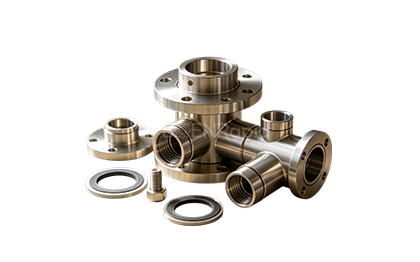
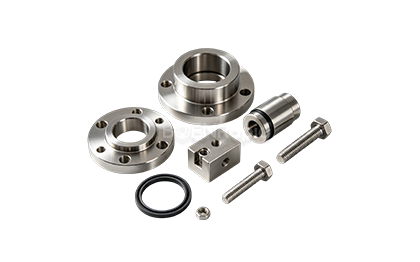
Stainless Steel Precision Components: Precision-designed parts made to extremely close dimensional tolerances and found in almost every branch of contemporary industry. These parts work in locations where failure is not an option, from surgical tools in hospital operating rooms to vacuum chamber fittings in semiconductor manufacturing factories. Corrosion resistance, mechanical strength, and strict dimensional tolerance combine to make them the material of choice for engineers who require parts to work reliably over time. In this essay, we will go over where these parts are utilized, why they are important, and how to obtain them successfully.
Understanding Stainless Steel Precision Components
Before looking at uses, it's helpful to know what makes a precision-machined stainless steel part different from a regular fitting that you can buy at any store.
What Defines "Precision" in This Context
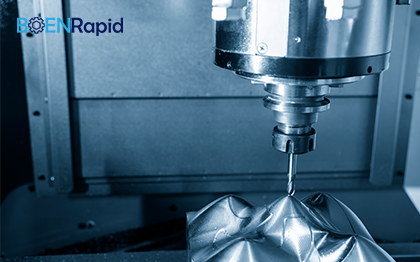
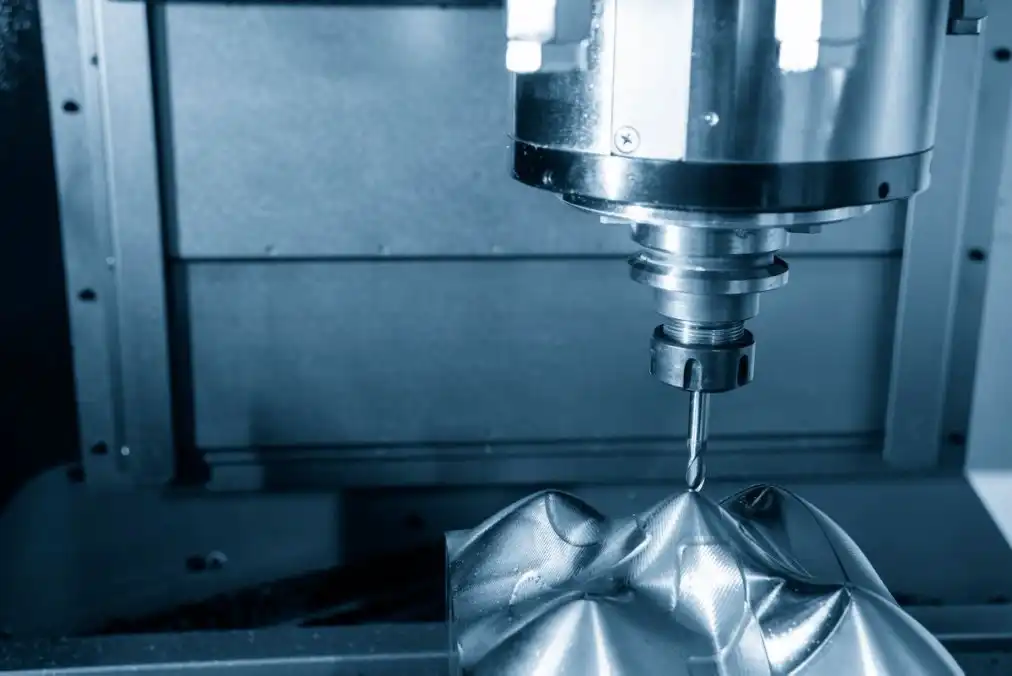
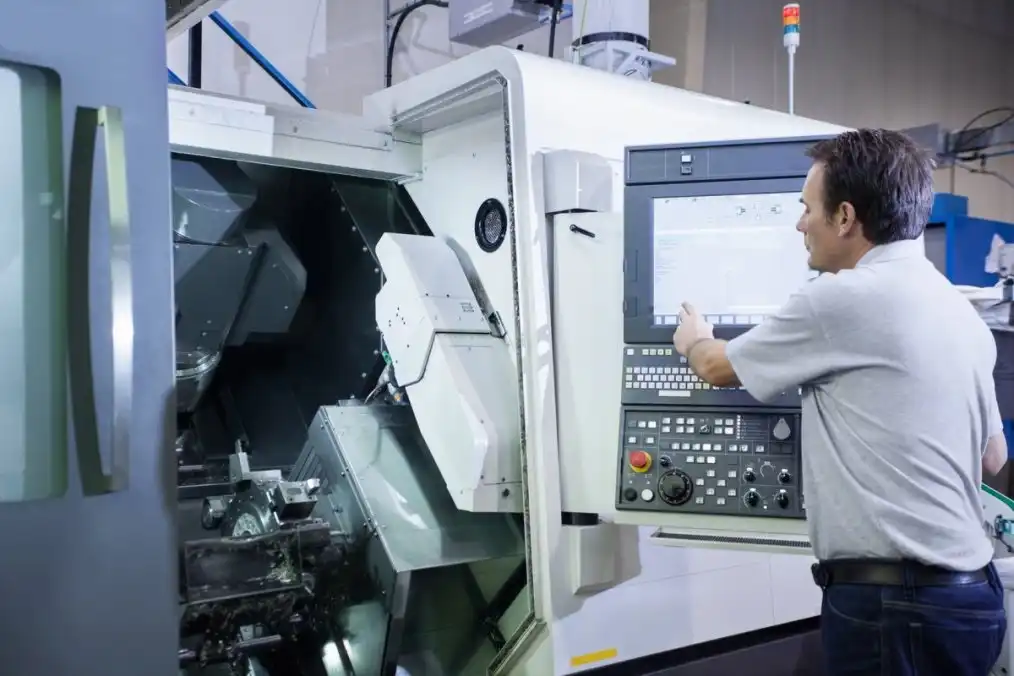
Precision is the permitted measurement error of ±0.01 mm. CNC machining, multi-axis milling, and precision turning enable you to produce parts that stamped or cast parts just can’t compete with. This kind of precision is vital if a flange face must seal a pressure chamber or a medical implant must conform to a certain body shape.
Common Grades and Their Properties
Grade 304 finds extensive usage in a variety of industrial applications where resistance to mild corrosion and cost-effectiveness are key considerations. The addition of molybdenum to grades 316 and 316L makes the metal substantially more resistant to chloride cracking and acidic environments. Thus, 316/316L is often used for naval gear, chemical processing lines, and cardiac implants. You may also get bespoke metals when standard grades don’t fulfill certain chemical or mechanical requirements.
Surface Treatments That Change Performance
Surface finishing isn't just about how something appears; it directly impacts how well something operates. According to ASTM A967, passivation removes any residual free iron particles from machining and reestablishes the chromium oxide layer. Semiconductor and pharmaceutical cleanrooms need surface sharpness <Ra 0.2 µm. Electropolishing delivers it. Sandblasting gives a smooth, flat surface for bonding or coating. Choosing the proper finish is as crucial as choosing the correct metal.
Common Applications of Stainless Steel Precision Components
A very large number of different industries use machined stainless steel parts. Each industry needs a certain set of performance qualities, and the material reliably provides them.
Medical Devices and Surgical Instruments
316L stainless steel precision components are utilized for surgical instruments, bone fixation devices, and implanted medical device casings. The grade is biocompatible, can be autoclaved multiple times, and does not rust when human fluids contact it without releasing hazardous ions. Dimensional accuracy is essential, and a bone screw or tool housing must fit precisely as designed.
Semiconductor and Vacuum Systems
The equipment that makes semiconductors requires pieces of ultra-clean stainless steel that don’t carry any dirt into the manufacturing chamber. Vacuum-compatible items must have electropolished surfaces, leak-tight machined forms, and verified minimal outgassing properties. The Semiconductor Equipment and Materials International (SEMI) standards show that the deposition and etching yields are closely related to the cleanliness of the surface. In this area, precisely produced items (brackets, flanges, chamber walls, etc.) are common.
Aerospace, Robotics, and Industrial Automation
The parts of the aircraft construction should be capable of preserving their mechanical integrity under heating and cooling and vibration. For many non-critical structural functions, these criteria may be satisfied at a cheaper cost using precision-machined stainless steel brackets, fasteners, and fittings. Robots are fitted with unique stainless-steel mounting hardware and drive-train components that can endure many motion cycles with negligible wear. To maintain tight assembly tolerances on industrial automation lines, it is necessary to have parts of the same size and form throughout many thousands of manufacturing runs.
Benefits of Using Precision Stainless Steel Parts in B2B Procurement
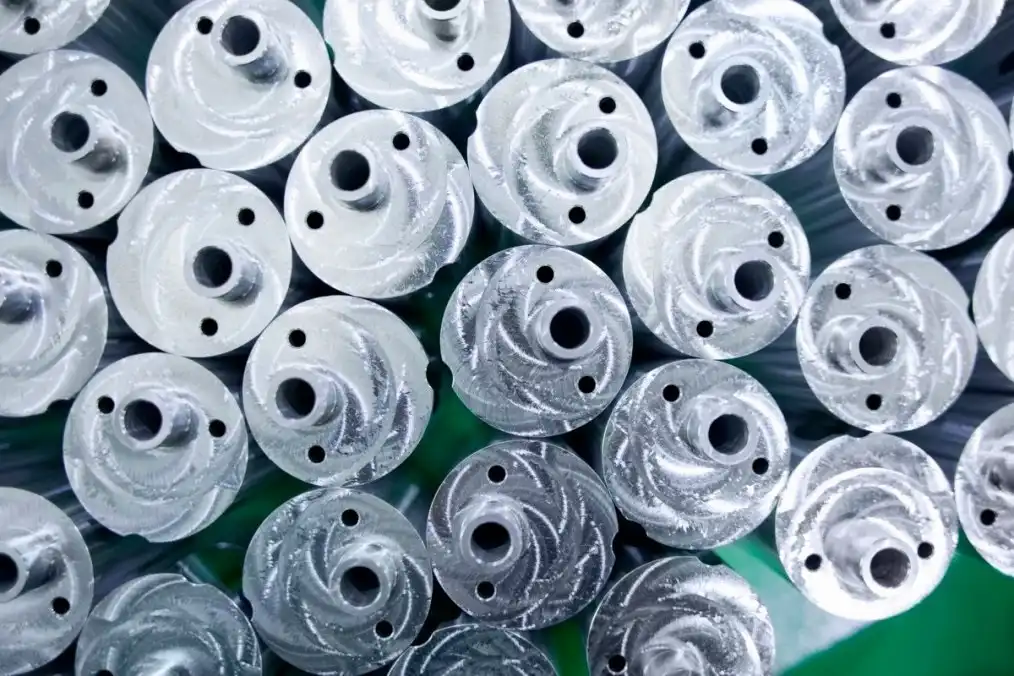
Often, when procurement teams look at the many kinds of materials, they compare stainless steel to aluminum, carbon steel, and engineered plastics. In comparisons where corrosion, temperature, or cleanliness are concerns, stainless steel typically comes out on top.
Regarding purchasing, these are the top reasons why stainless steel is the ideal material for challenging occupations
- Long life in corrosive environments: Unlike carbon steel, which requires protective coatings that degrade over time, stainless steel does not. 316L parts outperform coated parts by a wide margin in marine or chemical processing environments, minimizing replacement frequency and the downtime that comes with it.
- Dimensional stability – stainless steel retains its shape in temperature ranges where polymers distort, and aluminum expands at a faster pace. This dimensional stability is important for sealing faces, bearing fittings, and precision assemblies where tolerances are defined in microns.
- Batch traceability and documentation: Procurement teams should seek suppliers who provide material test reports (MTR) and full-dimension inspection records, since they enable traceability across their supply chain, which is needed for medical, aerospace and semiconductor applications.
These advantages translate immediately to reduced total cost of ownership, reduced assembly rejections, and improved compliance paperwork. All these are critical for supply chain managers who are answerable to both engineering and finance.
Comparing Stainless Steel with Alternative Materials
There is no one perfect medium. Engineers and buyers can make better decisions when they know where stainless steel goes and where it doesn't.
Stainless Steel vs. Aluminum
Aluminum can be machined more quickly and costs less per kilogram, which makes it a good choice for applications that need to be light or have a lot of them. But aluminum doesn't resist corrosion as well in chloride environments, and its surface hardness isn't as good as stainless steel's for parts that are likely to get worn down. Stainless steel precision components are a better long-term investment when cleaning and resistance to rust are important.
Stainless Steel vs. Carbon Steel
In some types, carbon steel has a higher tensile strength, but it rusts quickly if the surface isn't protected. When carbon steel comes into contact with water, chemicals, or food, it needs coatings that add steps to the process and require ongoing maintenance. Because it naturally has a passive layer, stainless steel doesn't need any of this maintenance.
Stainless Steel vs. Titanium
Due to its lighter weight and higher strength-to-weight ratio, titanium is used in aircraft and medical implants where weight and load are important. On the other hand, titanium is much more expensive and harder to work with. Stainless steel works just as well as aluminum for structural brackets, fittings, and other precise gear. It's also a lot cheaper.
Procuring Precision Stainless Steel Parts: Best Practices
It takes more than comparing unit costs to find a qualified maker of precision-machined stainless steel parts. The steps below can help buying teams lower their risk and build stable relationships with suppliers.
Verify Certifications and Audit Readiness
For quality management, suppliers should have ISO 9001, and for medical or high-precision uses, they should have ISO 13485. These certifications show that the supplier uses documented processes, not just equipment that can do the job. Ask the seller if they are okay with on-site checks. A supplier that is okay with inspections trusts their own process.
Clarify Tolerance, Surface Finish, and Traceability Requirements Up Front
At the RFQ stage, sending a clear drawing package with tolerances, surface finish specifications (Ra values), and the necessary paperwork (MTR, inspection reports, passivation certificates) clears up any confusion. It's more likely that suppliers will send parts that meet requirements if they reply with a thorough capability proof instead of a generic acceptance.
Evaluate Lead Time and MOQ Flexibility
Minimum order quantity (MOQ) flexibility is important for samples and low-volume production. A supplier with a 3–4 week lead time and no MOQ requirement lets engineering teams test ideas without having to commit to large inventory stocks. This is especially important while the plans for the parts are still being worked on.
Conclusion
Precision-machined stainless steel precision components have applications in several industries, such as semiconductor manufacturing, medical equipment, marine engineering, and industrial automation. They are useful for the reason that they do not rust and have a smooth, uniform surface, which is hard to obtain in materials at the same price. To get there, procurement managers need to pick a manufacturer with proven certifications, well-documented quality procedures, and real-world expertise with the surface treatments and tolerances your application requires. The correct supplier connection minimizes failed inspections, speeds up lead times, and generates the documentation trail regulated enterprises require.
FAQ
1. What stainless steel grade should I specify for chemical processing equipment?
Grade 316L is the standard recommendation for chemical processing environments. Its molybdenum content provides resistance to chloride pitting and acidic media that 304 cannot match. For extremely aggressive media, consult your supplier about duplex stainless steel or custom alloy options.
2. Is passivation always required after CNC machining?
Yes, for most functional applications. Machining embeds microscopic iron particles from cutting tools into the surface. Without passivation per ASTM A967, these particles oxidize and compromise the part's corrosion resistance. Passivation is non-optional for medical, food-contact, and semiconductor applications.
3. Can I order prototype quantities without a minimum order commitment?
Yes. BOEN Rapid operates with no MOQ, which means you can order single prototypes or small batches of 10–50 pieces and scale up once the design is validated.
4. What documentation comes with each shipment?
Standard documentation includes material test reports (MTR), full-dimension inspection reports, and passivation certificates where applicable. CMM reports and custom test records are available on request.
5. How tight a tolerance can you hold on stainless steel parts?
BOEN Rapid holds tolerances to ±0.01 mm on features such as sealing faces, bore diameters, and flange surfaces using five-axis DMG machining centers and CMM verification.
Partner with BOEN Rapid for Your Next Stainless Steel Precision Component Project
BOEN Rapid is a reliable company that makes precision parts out of stainless steel. They have been CNC-machining for over 15 years, are certified by ISO 9001 and ISO 13485, and have a 5,000 m² production center with DMG five-axis machines. We make stainless steel precision components with tolerances of ±0.01 mm, offer full surface treatment options like passivation and electropolishing, and ship them with all the quality paperwork that goes with them. No MOQ and quick turnaround. Please send your drawing package to contact@boenrapid.com to get a price within 24 hours.
References
1. ASM International. ASM Handbook, Volume 2: Properties and Selection of Nonferrous Alloys and Special-Purpose Materials. ASM International, 2020.
2. ASTM International. ASTM A967/A967M: Standard Specification for Chemical Passivation Treatments for Stainless Steel Parts. ASTM International, 2017.
3. Semiconductor Equipment and Materials International (SEMI). SEMI F19: Specification for the Influence of Stainless Steel Surface Finish on Outgassing. SEMI, 2019.
4. Davis, J.R. Stainless Steels. ASM International, 2020.
5. International Organization for Standardization. ISO 13485: Medical Devices — Quality Management Systems. ISO, 2016.
6. Kutz, Myer (ed.). Handbook of Materials Selection. John Wiley & Sons, 2002.