Low-Volume Plastic Parts Production: A Guide to Custom Manufacturing
Low-volume plastic parts production is the practice of making a few hundred to a few thousand custom plastic components without the large order commitments of mass manufacturing. For startups, product developers, and OEM teams, low-volume plastic production parts deliver production-grade quality while a design is still proving itself in the market. At BOEN Rapid, we combine CNC machining, vacuum casting, and injection molding, then match each project to the right process. This guide explains how the methods work, how they compare with high-volume runs, and how to choose a supplier you can trust.
Understanding Low-Volume Plastic Parts Production
What Counts as Low-Volume Production?
Low-volume production is the step between development and mass production. Most of the time, runs from tens of parts to tens of thousands are used to talk about it. Most of the time, we make low-volume plastic production parts just for small groups of a few hundred to a few thousand units. We can also make more than 10,000 pieces if the project needs it.
This is how you test an idea to see if it will work. Once it's been made, it can be made again with the same size, finish, and color. Cases that happen a lot include a consumer tool that is about to hit the market, an add-on for a smart home that is hard to get, or a housing for a medical device that is shipped in small groups.
Core Manufacturing Methods
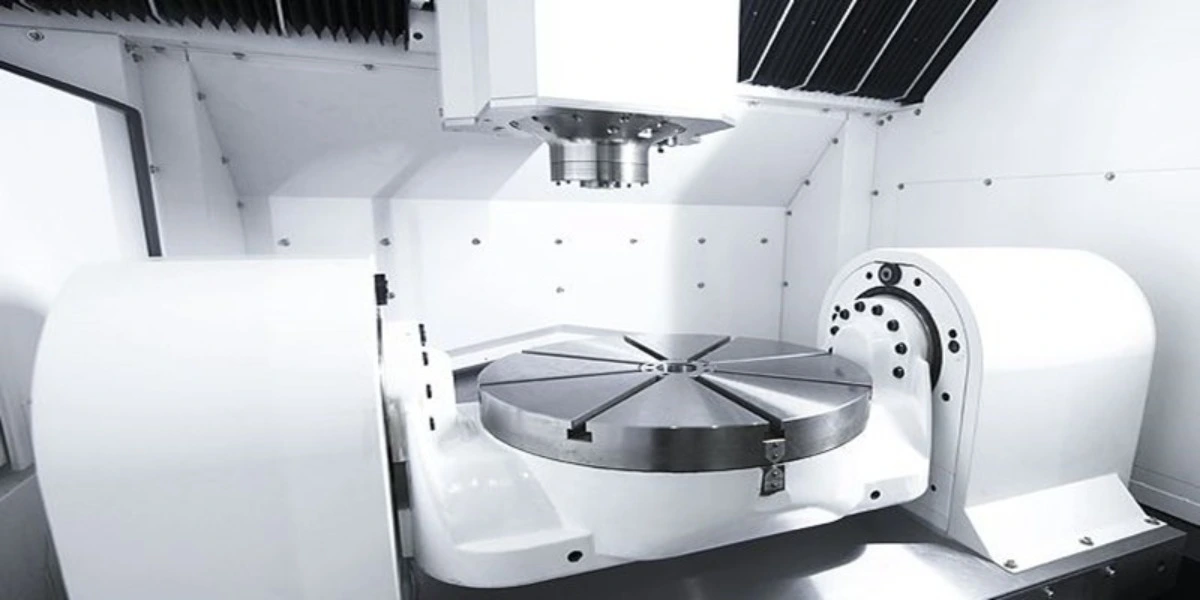
We do three main things. Cutting with a CNC machine lets you make things out of solid plastic without a mold. It can also handle very small amounts and close tolerances. Through vacuum casting, resin is poured into silicone molds. The surface is very close to that of the molded parts. This way works well for making a few housings with lots of details. You push liquid plastic into a steel or metal mold when you use injection molding. It makes sense to make more than a few hundred parts because the cost per part goes down as you make more.
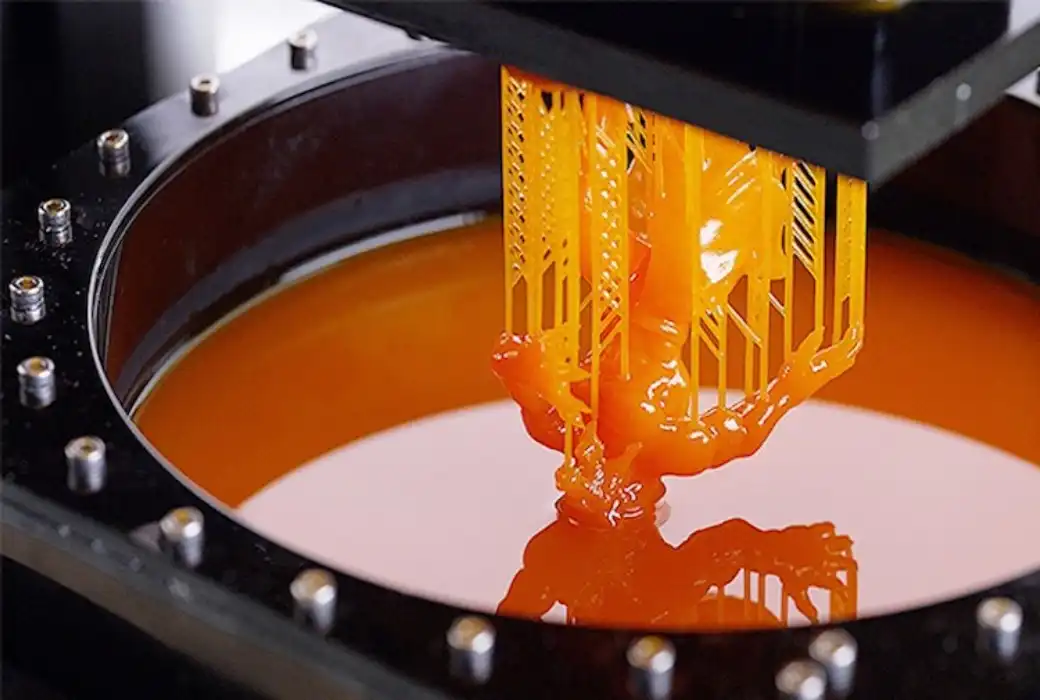
3D printing can also be used for early fit checks as an extra tool. Our engineers look at your plans, the amount you need, and your schedule to figure out the best way to do things.
Common Materials for Small Batches
What you use affects how strong it is, how well it resists heat, and how it looks. Materials like ABS, PC, PA, POM, PEEK, PP, PE, and more are used in our work. Because it is easy to shape and can be painted or printed on, ABS is often used for parts that hold electronics. You can hear and see the effect better on PC. Clips and gears made of nylon or PA don't wear out easily. Parts can easily slide along surfaces when they are made of POM. PP and PE don't mix with chemicals, but PEEK can handle loads and high temperatures. Kindly tell us the temperature, the load, the chemical exposure, and the finish. This will help us quickly get the list down to a few options and show us any trade-offs before we make a mold.
Comparing Low-Volume and High-Volume Plastic Production
Tooling and Cost Structure
Most of the cost difference comes from the tools used. When a lot of parts need to be made, hardened steel molds with lots of holes are used to spread the cost of the tools over many parts. That much money for a few hundred or a few thousand pieces doesn't make sense.
Programs with low volumes are willing to pay more per part in exchange for putting in much less money at the beginning. Rapid forging in metal, silicone molds for vacuum casting, and CNC cutting without any models all save money that would have been used for other things before the first shipment. You can buy what the market needs right now and change your next order when the order minimum drops.
Lead Time and Flexibility
It takes a long time to make big steel tools. It takes longer every time the plan is changed. It takes less time to use small-batch methods. The first look at a project is usually done in 24 hours at BOEN Rapid. Prototype parts are sent out in 3 to 15 business days, and low-volume production is usually done in 2 to 4 weeks.
Also, be able to change your mind with low-volume plastic production parts. The launch team often wants to fix a snap fit or change the way the stuff feels after the first units are sent to testers. These changes can be made faster if the runs are short and the tools are simple. Plus, repeat sales are based on real demand, not guesses made months ago.
Quality and Precision at Small Volumes
Low volume does not mean bad quality. For each process, the range of limits is between ±0.05 mm and ±0.1 mm:
- CNC machining: This method lets you finetune the sizes the most and doesn't need a mold, so it can be used for both useful parts and very small amounts. Loss of shape is not a problem because the cutter takes away material from solid stock. We polish or paint surfaces when how they look is important. This is because tool marks can stay on open faces.
- Vacuum casting: A master model is used to make molds out of silicone that copy the surface's fine details and texture. This makes parts that were cast look a lot like parts that were made. The mold doesn't last long, so this method is good for small runs and testing the market early on. Because standard thermoplastics are not made of the same materials, we make sure we understand your performance needs first.
- Injection molding: If you need to make a lot of them, this is the best option because it uses production-grade thermoplastics, makes parts with smooth surfaces, and can be used over and over again. Parts of the process don't change much once they're set. When our engineers design something, they think about things that might cause it to shrink or warp, such as the thickness of the walls, the draft, and the location of the gates. This has to be done before any metal or steel is cut.
There is no one way to tell you which process is best for a certain size, shape, or finish.
Low-Volume Plastic Parts Manufacturing Process Explained
DFM Review and Prototyping
The first step in every job is to look at the design for manufacturability (DFM). Before any mold is made, our engineers check the depth of the walls, draft angles, undercuts, ribs, and tolerances. If there is a draft of one to two degrees, parts can come loose without getting scratched, and walls that are all the same width don't bend or sink. A simple shape also makes it easier to make tools, which is helpful for short runs.
We also do DFMA analyzes and tell people what materials and tolerances they should use. We suggest you try something else if a strict cap makes things more expensive without making them work better. And then a printed, machined, or cast sample is used to make sure it fits and feels good. This way, you can fix any problems before the mold is fully formed.
From Trial Shots to Production
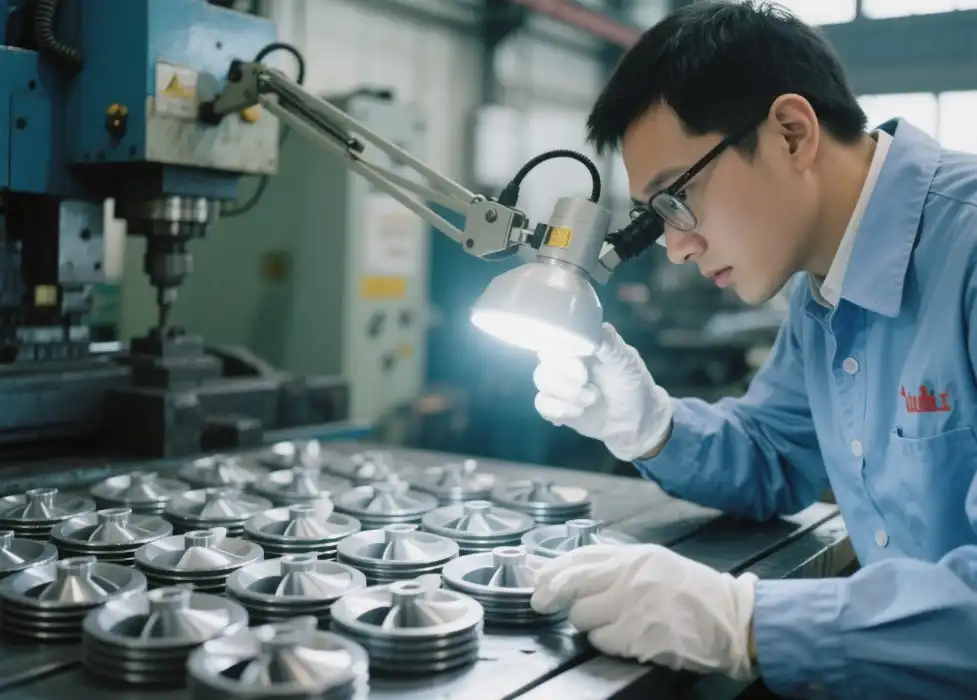
The next step will depend on the method once the plan has been accepted. We build the mold, do a test shot, measure the samples, and make any changes that are needed before we start full production. We look for flash, short shots, and dimensional shift as well as the color. First, we make a master pattern. Then, we pour silicone around it to make a mold. To get rid of air bubbles, we cast the parts under vacuum. For CNC milling, we set up toolpaths and cut straight from plastic stock. Throughout, we check the sizes and look at the surface finish. We can provide an inspection report and a material proof for every order of low-volume plastic production parts.
Finishing, Shrinkage, and Color Control
A lot of the time, how a thing looks determines how well it does. We can leave the surface as-is, finish it, texture it, paint it, or do whatever you want. When people buy cases for electronics and appliances, they often add screen printing for names and spray painting for color and shine. Some people also choose ultrasonic welding, which melts the plastic at the joint with high-frequency vibrations. This way, they don't need screws to connect the two shells. Early on, the joint design should be set up so that it works best with the right thermoplastics.
Also, watch out for color shift and shrinkage. If you compare resins, PA, POM, and PP shrink more than ABS and PC. This needs to be thought about when the mold is being made. When the same grade of resin, colorant, and signed master sample are used for each batch, there aren't many color changes.
Procurement Guide for Low-Volume Plastic Parts
Define Requirements Before You Request a Quote
If you are clear about what you want, you can get a quote faster and more accurately. Kindly send 2D and 3D CAD files that have important sizes marked. Give the name of the material, color, amount you want, expected annual output, and surface finish. Write down any extra steps that need to be taken, the goods that need to be packed, and where they are going in the end, such as a U.S. warehouse or assembly plant. No matter how much you need, CNC cutting, vacuum casting, or injection molding will all work well. Also, show off your ramp plan. Say you think the number of parts you make each month will increase from a few hundred to several thousand. That way, we won't have to rebuild the tools later, but instead can plan them to handle that huge increase.
Compare Quotes and Lead Times
Compare the quotes for low-volume plastic production parts line by line. Make sure that all of them cover setting up the tools, getting the materials, finishing, testing, and packing. There may be steps in a price that aren't shown until there are change orders. Find out who owns the tool and where they keep it.
It's hard to say what to expect since there is only one release date. To get different dates for tooling, first samples, approval, and production, you should ask. Check with the provider about how they handle capacity when they are busy, as a delay in one step can ruin the launch of a whole product. Check out some inspection reports and ask the supplier how they keep track of each lot.
Medical and Consumer Electronics Considerations
People who buy consumer goods and appliances care about how they look, how well the colors match, how well the parts fit together, and whether the packaging covers the finished surfaces. Right away, we talk about custom and protected shipping to make sure the cosmetic parts get to you in good shape.
When people buy medical gadgets, they also buy paperwork. ISO 13485 is the quality control standard for medical goods, and it tells us how to do things. The U.S. Food and Drug Administration (FDA) added ISO 13485:2016 to its Quality Management System Regulation. The ISO 10993 series includes biological safety. Let us know right away if any part comes in contact with skin or another body part. Before you ask for a price, let your regulatory team know if they have any sterility or biocompatibility needs. Then we can talk about how we can help them.
Top Considerations When Partnering with Low-Volume Plastic Parts Suppliers
Certifications and Quality Records
Start with credentials that can be checked. ISO 13485 is for companies that work with medical devices, and ISO 9001 is for a quality management system in general. On both certificates, the name of the business and the area of coverage should be written. BOEN Rapid is run by DongGuan Bohao Industrial Co., Ltd. Our processes are certified by ISO 9001 and ISO 13485, and we build to ISO, DIN, ANSI, ASME, and JIS standards. In addition to certificates, you can look at examples of inspection records and material certificates. Providers who keep good records can show how a part was made, checked, and given the all-clear. That history is important because your team needs the third batch to be the same as the first.
Engineering Support and Communication
As soon as you ask a question, a good service company will explain it. Find a team that will quickly look over your plan and let you know if there are any risks. They do DFM and DFMA analyzes, help people choose materials, go over tolerances, and give advice on how to make things here at BOEN Rapid. Usually, the first look at a job takes 24 hours, so you quickly learn if a plan can work.
It is also important to be able to draw, make changes, and get approvals. Pick one person to talk to, one way to keep up with changes, and a normal time to post. Your quality team will stay on track and have a record if you give them written reports with pictures and measurements of how projects are going.
Packaging, Logistics, and Repeat Orders
The way the delivery is done affects the end result. After being painted or polished, parts need to be kept safe. We can do that with custom, safe packaging. You can choose from DHL, UPS, and FedEx to ship your packages. We can deliver door-to-door, track shipments, and send packages by air, sea, or land.
It's easy to make sales happen again and again. The quality records, tools, and program files are ready for the next batch as soon as the first batch is accepted. This speeds things up. Our production plan is flexible, and we always get the materials we need, so we can meet pressing needs and change orders. We also offer private making and NDA security, which is useful if your product isn't out yet.
Conclusion
A few hundred to a few thousand pieces are usually made in a small batch of low-volume plastic production parts. They are made between making samples and making a lot of them. CNC milling, vacuum casting, and injection molding can all be used to make things in different amounts, forms, and styles. It costs more per part for small runs than for high-volume runs, but they need fewer tools, have lower minimum orders, and have faster lead times. This makes it less likely that you will run out of stock during a product ramp. It's the choice of sound material, how well shrinkage and color are controlled, and clear finishing standards that all play a role in the quality. When people are buying medical parts, it helps to be clear about what they need, compare prices based on scope and schedule, and look at licensing, inspection records, and other paperwork. This is because of good tech support, clear communication, and careful packing. Repeat orders are the same as the first batch.
FAQ
What is the minimum order quantity for low-volume plastic parts?
The minimum order quantity is low for small batches, and CNC machining can start with just one part. Injection moulding is a better choice once a few hundred pieces need to be made. Just send us your drawing and let us know how many items you want to order. We'll help you figure it out.
How long does low-volume production take?
Most of the time, prototype parts take 3 to 15 business days to get, and low-volume production takes 2 to 4 weeks. There are different ways to finish something, so the time it takes to finish will depend on those things. Being able to change your plans when you need to helps you get things done quickly.
Which plastics can you process?
Materials like ABS, PC, PA, POM, PEEK, PP, PE, and more are used in our work. They help you choose the best material for your needs based on price, power, heat, and chemicals. We make sure that the grade you want is available while the quote is being made.
Can you support medical device projects?
You can get inspection records and material certificates from us. Our methods are also approved by ISO 9001 and ISO 13485. Before you start, let us know if you have any biocompatibility or sterile needs. We'll talk about them with you. We also have an NDA to keep you safe.
Start Your Low-Volume Plastic Production Parts Project with BOEN Rapid
BOEN Rapid is a low-volume plastic production parts supplier for startups, product developers, and OEM teams. They have over 15 years of manufacturing experience, ISO 9001 and ISO 13485 certified processes, and DFM support from the first drawing. Email us at contact@boenrapid.com with the number of files and the work you need done, and we'll look it over for free in 24 hours. We offer CNC machining, vacuum casting, and injection molding. You can learn more about these services at boenrapid.com.
References
1. ISO, ISO 13485:2016 Medical Devices — Quality Management Systems — Requirements for Regulatory Purposes, 2016
2. ISO, ISO 9001:2015 Quality Management Systems — Requirements, 2015
3. U.S. Food and Drug Administration, Quality Management System Regulation: Amendments to 21 CFR Part 820 (Final Rule), 2024
4. ISO, ISO 10993-1:2018 Biological Evaluation of Medical Devices — Part 1: Evaluation and Testing Within a Risk Management Process, 2018
5. Rosato, D. V., Rosato, D. V., and Rosato, M. G., Injection Molding Handbook, 3rd Edition, 2000
6. Gibson, I., Rosen, D., and Stucker, B., Additive Manufacturing Technologies, 2nd Edition, 2015