Prototype CNC Machining: Advantages and Key Benefits
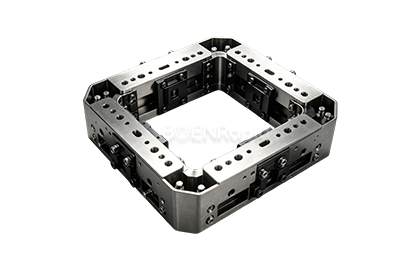
If you're building a hardware product and need physical parts fast, prototype CNC machining is one of the most reliable paths from CAD file to functional component. At BOEN Rapid, we work with founders, CTOs, and R&D engineers every day who need rapid CNC prototyping parts turned around in days — not weeks — using real production materials. Whether you're validating a robot joint, a consumer device enclosure, or a medical instrument housing, this guide breaks down exactly how CNC prototype machining works, why it outperforms many alternatives, and how to choose the right manufacturing partner.
What Is Rapid CNC Prototyping and How Does It Work?
From CAD File to Physical Part
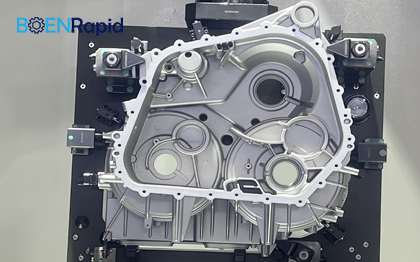
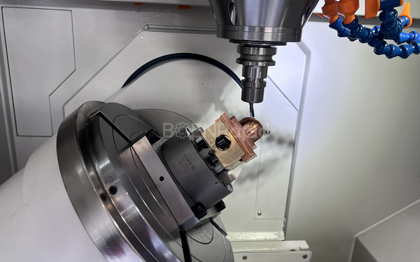
The process of CNC cutting is called subtractive production. A solid piece of metal or plastic is clamped to a machine bed, and cutting tools that are controlled by software that has already been programmed remove material to make the exact shape that you described in your CAD model. For engineers who need precise measurements from the first piece, CNC prototyping is the best way to go because it goes straight from a digital design to a physical part.
Materials That Match Your Production Intent
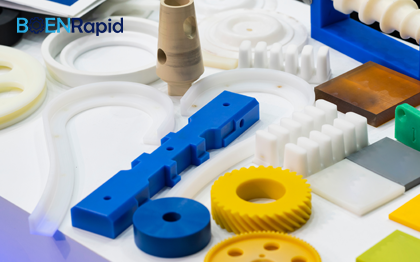
Material authenticity is one of the most useful things about CNC prototype machining. You can machine engineering-grade materials like polycarbonate, titanium Grade 5, PEEK, and aluminum 6061. These are the same materials you plan to use for mass production. Testing a prototype in a different material often gives false results. When you use CNC cutting, you test real qualities in real life.
Common Applications Across Industries
Rapid CNC prototyping parts are used in medical devices, consumer electronics, aircraft, robots, and industrial equipment. Before making production tools, engineers use them to make sure that the shape, size, and function are correct. A 2022 poll by Fictiv found that 67% of hardware teams said that finding errors in prototypes before production saved them a lot of money on tooling rework. This number shows how important careful prototype validation is for saving money.

Key Advantages of Prototype CNC Machining over Traditional Methods
CNC prototype making has a lot of advantages over other methods like injection molding, sand casting, and even 3D printing for engineering teams that are pressed for time. These are the main benefits that make it the best choice for teams working on hardware:
- Tight dimensional tolerances: BOEN Rapid machines produce prototypes to ±0.01mm, which means your first physical part closely mirrors the final production specification. This level of precision is difficult to achieve consistently with FDM 3D printing or manual fabrication methods.
- No tooling investment: Injection molding requires expensive molds before a single part is produced. CNC machining needs no hard tooling, which means you can start with one piece and iterate without financial lock-in.
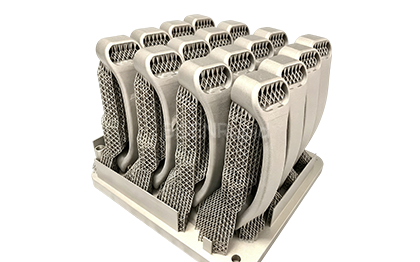
- Real material testing: Unlike resin-based 3D printing processes such as SLA or SLS, CNC machining lets you test actual aluminum, steel, or engineering plastics. This matters when you're running load, thermal, or fit testing on functional assemblies.
- Surface finish quality: CNC-machined parts can be finished to tight Ra specifications and accept post-processing treatments including anodizing, bead blasting, powder coating, and polishing — all available through BOEN Rapid.
These benefits lower risk directly in the cycle from prototype to production. The data you get from testing is useful and accurate if your prototype is made from the right material and is machined to production-level tolerances.

How to Choose the Right Rapid CNC Prototyping Service for Your Business
Evaluate Certifications and Capability Depth
Having ISO 9001 and ISO 13485 certifications is a good way to tell if a supplier follows written quality standards. BOEN Rapid is certified and makes products that meet foreign standards like JIS, ANSI, and DIN. In addition to approval, you should also look at the machines that are available. Multi-axis CNC centers can work with complicated shapes that 3-axis machines can't.
Prioritize Transparent Pricing and Lead Time
One of the biggest problems hardware startups have with contract manufacturers is that they give vague quotes. Within 24 hours of getting your CAD files, a good prototyping partner will give you a clear, itemized quote. Within 24 hours of receiving a file, BOEN Rapid's engineers do an initial project review that includes a Design for Manufacturability (DFM) study. Depending on the complexity, a prototype is delivered in 3 to 15 working days.
Confirm MOQ Flexibility and Scalability
For a pitch or show, many hardware teams only need one rapid CNC prototyping part sample. Some people need two or three changes before they're happy with the design. You won't have to switch suppliers as your project grows if you choose a seller with a clear path to low-volume and OEM/ODM production of rapid CNC prototyping parts and a minimum order number of one piece. BOEN Rapid can handle orders of one piece all the way up to large volumes and small batches.

Design Considerations and Best Practices for CNC Prototype Parts
Follow Wall Thickness and Tolerance Guidelines
When metal or plastic walls are less than 0.8 mm thick, or 1.5 mm thick, they tend to chatter and vibrate during cutting, which lowers the quality of the surface and the accuracy of the measurements. When the structural load allows it, designing wall thicknesses that follow standard machining rules cuts down on the number of remakes needed and keeps projects on schedule.
Avoid Unnecessary Geometric Complexity
Deep internal holes, sharp internal corners, and undercuts that need special tools all make a sample order take longer and cost more. If the design allows it, rounding internal corners to the standard end mill radius and cutting down on extra depth in pockets makes machining easy. Before cutting starts, BOEN Rapid's experts point out these problems during DFM review.
Plan Post-Processing Early
The choice of surface finish affects both how it looks and how it works. When you anodize aluminum prototypes, for example, the surface hardness and resistance to corrosion get better. These are properties that are important for functional testing, not just for looks. If the post-processing needs are known before the order is made, the machining team can keep the right amount of stock on hand and avoid having to do extra setups.

Case Studies: Real-World Benefits of Rapid CNC Prototyping in B2B Procurement
Automotive Supplier Cuts Iteration Time
A Tier 2 automotive supplier was working on a new sensor bracket and needed six weeks to go through three rounds of design changes. The team cut the time between each version from three weeks to five days by getting fast CNC prototype parts instead of waiting for cast tooling. Because of early, accurate prototyping, there were no changes to the shape of the final bracket design when it went into production tooling.
Medical Device Company Accelerates Regulatory Submission
A new company that makes medical devices needed a safe stainless steel case for a testing tool. The team got working samples that met the size standards for their regulatory filing package through CNC machining that was ISO 13485-certified. Their pre-submission timeline was cut by about four weeks because they could get prototypes more quickly.
Electronics Manufacturer Improves Part Consistency
A company that makes electronics for consumer goods moved from 3D-printed samples to CNC-machined metal parts for their heat sink assemblies. The switch got rid of differences in the properties of the materials that were giving wrong results in temperature tests. After the CNC prototype phase, there were no design changes needed for the final parts. This saved both time and money on tools.

Conclusion
With rapid CNC prototyping parts, hardware teams can quickly and accurately go from a digital design to a working physical part, without having to pay a lot for tools, wait a long time, or make material sacrifices that happen with other methods. When hardware development cycles move quickly, CNC prototyping is a natural fit. It can handle tight tolerances, real-material testing, DFM feedback, and scalable output choices. The right CNC prototyping partner can help you get your product to market faster and with less risk, whether you're getting ready for a crowdfunding campaign, a governmental review, or the start of a new product.
FAQ
1. What materials can BOEN Rapid machine for prototypes?
BOEN Rapid machines a wide range of metals and engineering plastics, including aluminum, stainless steel, titanium, brass, copper, ABS, POM, PEEK, nylon, and polycarbonate. Material selection is guided by your functional testing requirements and production intent.
2. What is the minimum order quantity for CNC prototypes?
The minimum order quantity is one piece. You can order a single prototype or multiple iterations at any stage of your development cycle without volume commitments.
3. How long does prototype delivery take?
Lead times range from 3 to 15 working days depending on part complexity, material availability, and post-processing requirements. Rush scheduling is available for time-sensitive projects.
4. Does BOEN Rapid provide DFM feedback?
Yes. Every project submission includes a Design for Manufacturability analysis completed by our engineering team within 24 hours. DFM feedback identifies potential machining issues and suggests design adjustments before production begins.
5. Can I transition from prototype to volume production with the same supplier?
BOEN Rapid supports the full product lifecycle from single-piece prototypes through low-volume and OEM/ODM production runs, using the same quality standards and engineering documentation throughout.
Start Your Prototype Order with BOEN Rapid
You can upload your CAD files right now and get a full DFM analysis and project quote in 24 hours. BOEN Rapid is a reliable company that makes rapid CNC prototyping parts. They have been making high-quality products for more than 15 years, are certified by ISO 9001 and ISO 13485, and can deliver your order in 3–15 business days. No MOQ is needed for orders ranging from a single piece to OEM/ODM volume production. To begin, email our tech team at contact@boenrapid.com.
References
1. Fictiv. 2022 State of Hardware Development Report. Fictiv, Inc., 2022.
2. Kalpakjian, Serope, and Steven Schmid. Manufacturing Engineering and Technology. 7th ed., Pearson, 2014.
3. Todd, Robert H., Dell K. Allen, and Leo Alting. Manufacturing Processes Reference Guide. Industrial Press, 1994.
4. Groover, Mikell P. Fundamentals of Modern Manufacturing: Materials, Processes, and Systems. 5th ed., Wiley, 2013.
5. Bralla, James G. Design for Manufacturability Handbook. 2nd ed., McGraw-Hill, 1998.
6. Society of Manufacturing Engineers. Tool and Manufacturing Engineers Handbook: Machining. Vol. 1, SME, 1983.