The Advantages of CNC Turned Parts in Precision Manufacturing
Precision CNC-turned parts deliver exceptional dimensional accuracy for cylindrical and rotational components essential across industrial sectors worldwide. Using computer-controlled lathes, manufacturers achieve tolerances as tight as ±0.005mm while maintaining consistent quality across prototype runs and production batches. The process combines advanced tooling, multi-axis capabilities, and material versatility—from aerospace-grade titanium to medical-grade stainless steel—enabling engineers to solve complex design challenges efficiently. When development timelines compress and quality expectations intensify, CNC turning provides the reliability procurement teams demand.
Understanding Precision CNC Turning Parts and Their Manufacturing Process
What Defines Precision CNC-Turned Components?
Precision CNC-turned parts are cylinder-shaped or rotating parts that are made on computer-controlled lathes using subtractive machining. Cutting tools remove material from the workpiece according to programmed instructions. This makes shafts, pins, bushings, connectors, and threaded fasteners. Tight dimensional tolerances of ±0.01mm to ±0.005mm define these parts, and they can have surface finishes of Ra 0.8μm or better when needed.
The choice of material relies on the needs of the product. Aluminum metals like 6061-T6 are great for general industrial use because they are easy to machine and don't rust. Medical devices can be made from grades 304 and 316 of stainless steel. For electronics housings, brass is the best material for transferring heat. Titanium Grade 5 has a high ratio of strength to weight, which is important for aircraft uses. Engineering plastics, like PEEK and Delrin, are used in places where the qualities of metal would make them less useful.
Step-by-Step CNC Turning Process
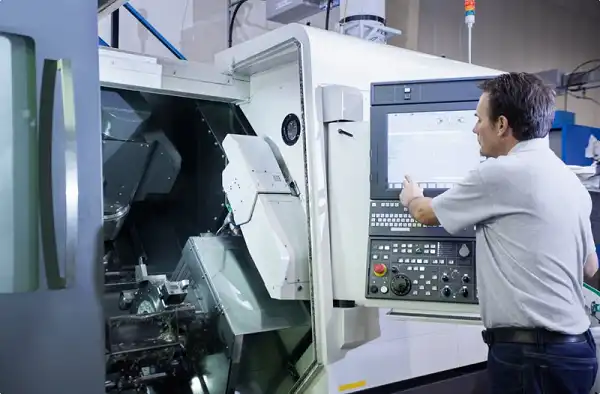
The first step in the manufacturing process is to analyze the CAD model and make the DFM work better. Engineers look at the shape of the design, find problems that might come up during machining, and suggest changes that make the product easier to make without affecting its usefulness. This collaborative method cuts down on iterations and speeds up the validation of prototypes.
It comes in the form of bar stock, billets, or blanks that have already been cut. With micron-level accuracy, CNC lathes that have live tooling, sub-spindles, and the ability to move in more than one direction can place the part. When you turn, bore, thread, or groove with cutting tools made of carbide or ceramic, you remove material. Coolant systems control the production of heat, which stops thermal growth that could affect the accuracy of measurements.
Quality control is done at every stage of production. A CMM inspection checks that important measurements match up with technical plans. Surface roughness testers check how good the finish is. Thread gauges can tell you if the pitch and depth are right. Automated vision systems can find flaws on the surface. Parts that fail inspection are looked at right away, and process changes are made to make sure this doesn't happen again.
CNC Turning Versus Milling Operations
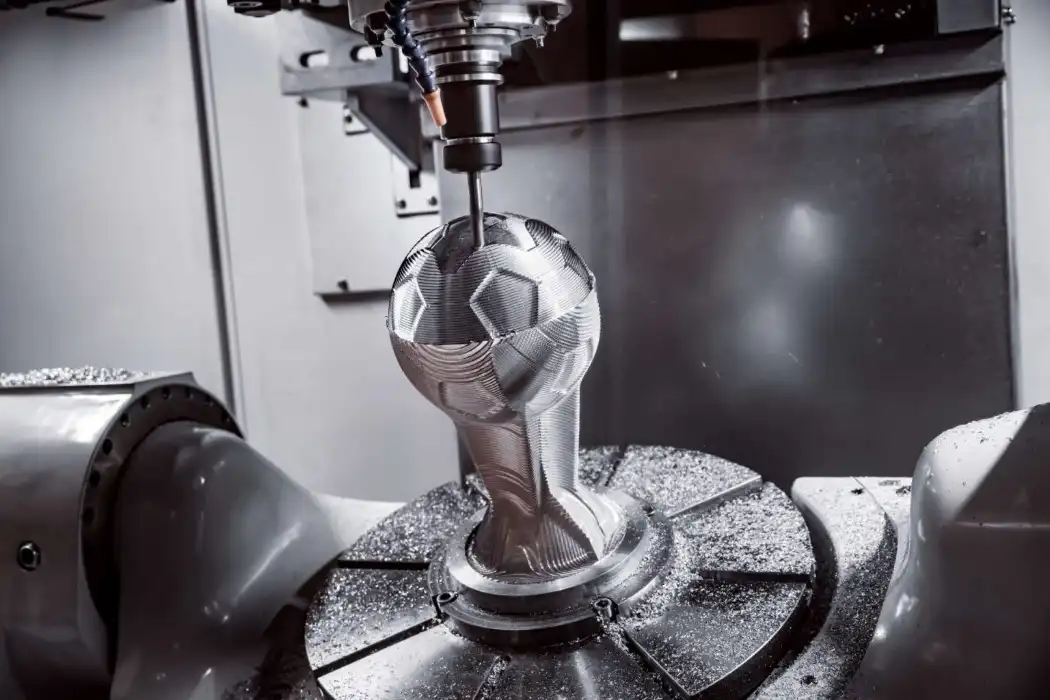
Precision CNC turning parts is better than milling at making uniform, cylindrical shapes with better surface finishes and shorter cycle times. The continuous cutting motion makes the products more consistent and reduces the wear on the tools. Milling is still needed for complicated prismatic forms that need more than one tool method, but turning is the most efficient way to make parts that rotate.
This benefit is very clear when you use threading processes. CNC lathes with single-point threading can make accurate internal and external threads in a single setup, keeping the coaxiality that can't be achieved with separate threading operations. As a result, the parts fit together easily, lock well, and keep working well even when they are under a lot of stress.
Core Advantages of CNC-Turned Parts in Precision Manufacturing
In today's factory settings, parts have to meet performance standards that are getting stricter while also having to work with shorter development timelines. CNC turning meets these needs because it has built-in process powers that other ways of making things have a hard time matching.
Dimensional Accuracy and Tolerance Control
With closed-loop feedback systems, strong machine design, and thermal stability, CNC lathes can keep tolerances within ±0.005mm during production runs. This repeatability is very important for systems where interference between parts changes how they work. For example, hydraulic valve bodies need to meet certain requirements for bore concentricity and surface finish to make sure the seal works right when the pressure is high. Automotive fuel injector parts need to be the same size all the way through to stop leaks that could cause safety problems or environmental violations.

Material Versatility for Application Optimization
Purchasing teams are always under pressure to meet performance standards while staying within their budgets. CNC turning helps with this optimization by being able to work with a wide range of materials. Industrial machinery parts made from aluminum are lighter and cost less to make. Stainless steel is used to make seafaring equipment and food handling equipment that doesn't rust. Brass is great for making electronic links because it is easy to shape and conducts electricity well. Titanium is important for medical implants because it is biocompatible and osseointegrates with bone.
Production Efficiency and Cost Effectiveness
Cutting down on cycle time has a direct effect on the project's costs. These days, CNC lathes can make complicated parts in minutes instead of hours. This means that they can be used for rapid prototyping and low-volume production without having to buy a lot of tools. Bar-fed methods allow manufacturing to happen without lights, which makes the best use of all the equipment. Sub-spindle transfer gets rid of extra steps, which cuts down on handling and makes parts more consistent.
These benefits build on top of each other over time. Design approval goes faster when prototypes are made more quickly. Consistent quality cuts down on rejections on the assembly line. Material flexibility lets you save money without sacrificing effectiveness. When procurement teams use these perks, they gain competitive advantages that have a direct effect on where they stand in the market.
Key Design and Engineering Considerations for CNC-Turned Parts
Design Best Practices for Manufacturability
A good component design strikes a balance between the needs of the function and the realities of manufacturing. Sharp internal corners cause stress to build up and make it harder to get to tools. Generous curves make both the structure and the ability to machine it better. Undercuts need special tools, which adds to the cost and time of setup. Grooves and recesses should keep their width-to-depth ratios so that the tool stays rigid.
Uniform wall thickness stops distortion during heat treatment and machining. Cutting forces cause thin pieces to bend, which makes it harder to get accurate measurements. Thick parts make the cycle take longer and waste more material. By working with manufacturing partners as idea engineers, design engineers can avoid these problems and make parts that are better for both performance and production efficiency.
Tolerance Specification and Functional Requirements
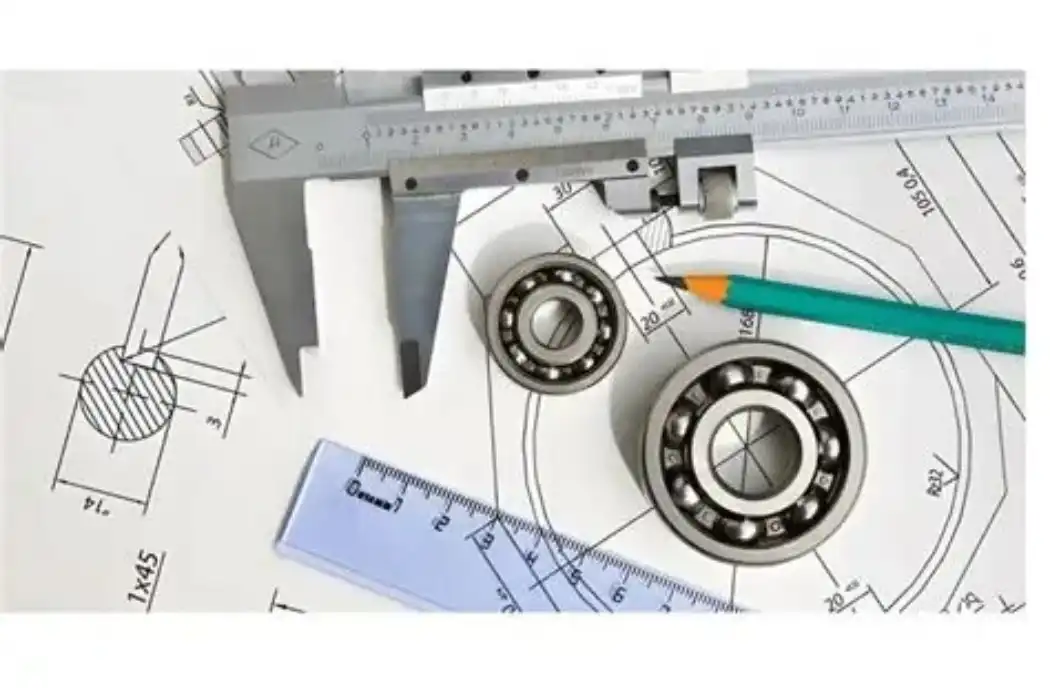
Over-specification leads to costs that aren't necessary. Tight standards aren't needed for all dimensions. Precision is needed for mating surfaces, thread fits, and sealed contacts. Standard machining tolerances can be used on non-critical features, which lowers the need for inspections and makes manufacturing simpler. ISO 2768 gives basic tolerance limits that can be used in most situations. Functional analysis is used to set tighter ranges for critical dimensions.
The standards for surface finish make sense in the same way. Ra 3.2 μm is good enough for most mechanical uses. Ra 0.8 μm may be needed to seal surfaces. Optical parts need mirror finishing, which can be achieved by diamond turning or a special kind of cleaning. Specification documents should make it clear which features are most important so that manufacturers can use their resources wisely.
Surface Finish and Post-Processing Options
Surface treatments improve performance and make parts last longer. Anodizing aluminum parts makes them more resistant to corrosion and wear and allows for color coding to make the assembly easier to find. Passivation keeps stainless steel from rusting when it comes into contact with dirt. Plating adds zinc, nickel, or chrome coats to materials that don't have the right surface qualities. These treatments add thickness to the dimensions, which needs to be taken into account when machining.
Keeping compounds, thread- locking patches, and secondary processes like cross-drilling are all part of the making process. Clear communication about what needs to be put together stops delays and extra work. All finishing steps, review criteria, and acceptance standards should be clearly shown in the engineering designs from the start.
Comparing Suppliers and Solutions for Precision CNC Turning Parts
Certification and Quality Management Systems
ISO 9001 approval means that the company follows well-known quality management practices, such as keeping records, keeping an eye on the production process, and always trying to get better. ISO 13485 is a standard for making sure that medical devices are made in a way that meets regulatory requirements. This is important for healthcare applications. Certification by AS9100 means you are qualified to work in the aircraft business. These credentials give buyers basic trust that sellers keep up with systems that stop quality from escaping.
Certification by itself is not enough for precision CNC turning parts. Audit histories, customer references, and evaluations of sample parts show what the real capabilities are. When reviewing quotes, asking for dimensional reports, material certifications, and process paperwork shows sellers who don't have strong systems. When you visit manufacturing facilities, you can see for yourself how the workers are trained, how the equipment is maintained, and how the company works as a whole.
Geographic Sourcing Considerations
The position of the factory affects wait times, how well people can communicate, and the total landed cost. Domestic providers offer faster shipping, easier defense of intellectual property, and real-time teamwork during development. For bigger orders, overseas makers may offer lower prices, but there are problems with communication and quality control that need to be fixed.
Specialized skills are developed in regional industry hubs. Medical device contract manufacturers tend to locate in areas with well-established regulatory systems and skilled workers. Aerospace suppliers are located close to big OEM sites, which makes it easier for them to work together and makes transportation simpler. Electronics companies tend to be located along technology corridors, which are areas where technical talent and supply lines meet. The best results come from matching the place of the seller with the needs of the project.
Cost Structure and Pricing Models
Fixed costs like tooling, setup, and code are spread out over the number of items that are made. Small runs of prototypes cost more per piece than large runs of production. When procurement teams understand this structure, they can make better decisions about how much to order and how to manage their inventory. Some sellers offer volume price tiers that encourage customers to make bigger promises. Others keep their prices the same, which allows for flexible ordering schedules.
The total price is affected by material surcharges, expedite fees, and secondary operation costs. These factors are listed in transparent quotes, which lets you make accurate comparisons. Asking for specific cost breakdowns during the RFQ review keeps you from getting charged extra and helps you negotiate. Long-term relationships with dependable suppliers often lead to better prices than always looking for the lowest quote, since suppliers put time and effort into knowing specific needs and improving processes to meet them.
Applications and Industry Use Cases of Precision CNC Turning Parts
Aerospace and Defense Applications
Hydraulic systems in airplanes depend on precisely turned valve bodies and actuator parts to keep the seals intact even when the temperature and pressure change a lot. Landing gear assemblies have turned bushings and pins that are loaded and unloaded over and over again during their useful lives. Parts of an engine, like fuel nozzles and turbine shaft elements, need materials and tolerances that make sure they work well and are safe.
One aerospace source cut the number of failed actuator assemblies by 40% after moving to a CNC turning partner that could keep bore concentricity within 0.003mm. Better control over dimensions got rid of binding problems that had been happening in the field, showing that manufacturing accuracy has a direct effect on system reliability.

Medical Device Manufacturing
Surgical tools need to be made of safe materials, be able to withstand cleaning, and be designed to be comfortable to use. Orthopedic implants need to be able to fuse with bone and not wear out after years of physiological stress. Diagnostic equipment housings keep the gadgets inside safe and keep their shape even after being sterilized many times.
A company that makes medical robots sped up the launch of a new product by six months by teaming up with a CNC turning expert that could provide ISO 13485 compliance and fast development services. Iterative design improvements were made in weeks instead of months, which let clinical trials go as planned. The economic effects went beyond shortening the timeline; lower development costs and faster income generation made the project's return on investment (ROI) much higher.
Automotive and Industrial Equipment
Parts of an engine like valve stems, piston pins, and transmission shafts need materials that can handle changes in temperature and stress. Parts of the fuel system stay the same size, so they don't leak when temperatures change. Sensor housings keep gadgets safe from vibrations, dirt, and the outside world.
Precision CNC turning parts are needed for air cylinders, robotic joints, and conveyor systems that use industrial automation. A company that makes packing equipment got rid of downtime on the assembly line by finding precision bushings with better surface finish and coaxiality. The upgraded parts cut down on friction and wear, which extended the time between maintenance visits and made the equipment work better overall.
Electronics and Robotics
Threaded standoffs, spacers, and connectors keep electronic assemblies stable mechanically and electrically. For proper thermal interface contact, heat sink bases need to have flat sides and precise fixing holes. The housings of robotic actuators keep the gears and electronics safe while keeping them perfectly aligned for accurate motion.
These uses show how the abilities of CNC turning can lead to real benefits for operations. When reviewing suppliers, procurement teams should ask for case studies and examples from companies in the same or a similar industry. This way, claimed skills can be checked against documented results.
Conclusion
Precision CNC turning parts are a smart way for companies to make things when they have to meet strict deadlines and complicated technical requirements. When you combine accurate measurements, a wide range of materials, and fast production, you solve some of the biggest problems that procurement and engineering teams around the world face. To execute something successfully, you need to pay attention to design optimization, tolerance specification, source approval, and requirements that are specific to the application. When companies work with experienced CNC turning experts, they get faster prototypes, better quality, and more reliable delivery, which gives them a competitive edge. As products get more complicated and time-to-market pressures rise, the benefits of precision CNC-turned parts become more important for staying ahead in the market and running a great business.
FAQ
What materials work best for precision CNC-turned parts in medical applications?
For corrosion protection and biocompatibility, medical uses usually call for grades 316L or 17-4 PH of stainless steel. Titanium Grade 5 is used for medical implants that need to fuse with bone and have a high strength-to-weight ratio. PEEK plastic can be used to make parts that are radiolucent for imaging processes. When choosing materials, they should be in line with the standards of ISO 10993 for biocompatibility tests and compatibility with sterilization methods.
How do manufacturers maintain tight tolerances during high-volume production?
Statistical process control keeps an eye on important measurements during production runs and makes changes before parts become out of specification. Tool wear adjustment methods take into account changes in dimensions automatically. Calibration of measuring tools on a regular basis makes sure they are accurate. Climate-controlled production settings keep dimensions from changing because of thermal expansion. The uniformity of thousands of parts is kept up by these systems working together.
What factors most significantly impact CNC turning lead times?
Initial timelines vary depending on the supply of materials. For example, getting exotic metals takes longer. The complexity of the part affects how long it takes to write and set up. How well production schedules and batch processing work is affected by the size of the order. Current shop capacity and competing project goals decide how long people have to wait in line. Manufacturers can make the best use of their resources when they have clear information about shipping standards during the quotation process.
Partner with BOEN Rapid for Reliable Precision CNC Turning Parts
BOEN Rapid has been making precision parts for over 15 years and uses methods that are approved by ISO 9001 and ISO 13485. They provide reliable CNC turning solutions for R&D teams and procurement offices around the world. Our engineering-focused method includes DFM optimization, help with choosing materials, and tolerance analysis to help validate prototypes faster and make the switch to low-volume production smooth. We can work with a wide range of diameters, materials from aluminum to titanium, and all kinds of threading and finishing choices. This lets us meet the needs of customers in the car, medical device, robotics, and industrial automation industries for complex parts. As a reliable supplier of precision CNC turning parts, we respond to RFQs 24 hours a day, deliver prototypes in 3–15 days, and provide full quality documentation to help you make confident purchasing decisions. Get in touch with our team at contact@boenrapid.com to talk about the specific parts you need and experience the BOEN Rapid difference in precision manufacturing partnership.
References
1. Smith, J. & Anderson, R. (2021). Advanced CNC Machining: Principles and Applications in Modern Manufacturing. Manufacturing Technology Press.
2. Chen, L., Martinez, P., & Williams, D. (2022). "Dimensional Accuracy and Surface Finish Optimization in Precision Turning Operations," International Journal of Manufacturing Engineering, Vol. 18, Issue 3, pp. 245-267.
3. Thompson, M. (2020). Material Selection for Precision Components: A Practical Engineering Guide. Technical Publications International.
4. Roberts, K. & Singh, A. (2023). "Quality Management Systems in Contract Manufacturing: ISO Certification Impact on Supplier Performance," Journal of Supply Chain Management, Vol. 45, Issue 2, pp. 112-135.
5. European Association of Manufacturing Technology (2022). CNC Turning Technology: Industry Standards and Best Practices. EAMT Technical Report Series.
6. Patterson, E., Lee, S., & Johnson, H. (2021). "Cost-Benefit Analysis of Precision Manufacturing Methods for Low-Volume Production," Manufacturing Economics Quarterly, Vol. 29, Issue 4, pp. 78-94.