What Are the Benefits of CNC Machined Plastic Prototype Parts?
CNC plastic prototypes parts give hardware teams a fast, accurate way to test a design before they pay for production tooling. A machine cuts each part from solid plastic using your CAD file, so you skip the mold and the wait that comes with it. You get real engineering materials, tolerances as tight as ±0.005 mm on request, and a part you can hold, assemble, and stress-test. At BOEN Rapid, we deliver these parts in 3–15 working days, with initial project evaluation in about 24 hours. This guide explains the benefits, compares CNC with other methods, and shows how to choose a supplier.
Understanding CNC Machined Plastic Prototype Parts
What These Parts Are and How We Make Them
CNC plastic prototypes parts are made by cutting solid blocks of plastic with mills and lathes that are controlled by a computer. Machining is called a subtractive process in Groover's production guide. The tool takes away material from the part until it fits the CAD model. When you mold something, melted plastic fills the space left by the mold. Multi-axis cutting, CNC milling, and CNC turning are all things that we do at BOEN Rapid. Feel free to send us the model that your design team already uses. We can work with STEP, IGES, STL, Parasolid, and SOLIDWORKS files. There is no machining step between your file and the first part because there is no mold.
Materials We Machine
What kind of material you use affects how a prototype works when it's being tested. You can get parts made out of ABS, PC, PMMA, POM (Delrin), Nylon PA6/PA12, PEEK, and TPU. ABS works well for housings because it doesn't break easily when hit. PC lenses and covers are clear and strong enough to take a hit. POM is often used for gears and sliding parts because it is stiff and doesn't stick to other things. PEEK can handle a lot of poisons and high temperatures. TPU lets you make gaskets and grips that are flexible. When you test nylon, keep in mind that it can change sizes because it absorbs water from the air. They can help you figure out which materials will work best for your tests.
Tolerances and Surface Finishes
Our normal range is ±0.1 mm, which is about 0.004 in. We hold ±0.005 mm (about 0.0002 in) on important traits when asked to. Tight standards help threads, snap-fits, and parts that fit together to fit together the way the drawing shows. For looks, we have surfaces that are as-machined, polished, textured, vapor-polished, and painted. If you want to give a clear plastic part a smooth, shiny look, vapor polishing is the way to do it. Let us know which faces are for looks and which are for function, and we'll base the finish on those. That small step helps keep the focus on the important parts of cosmetic work.
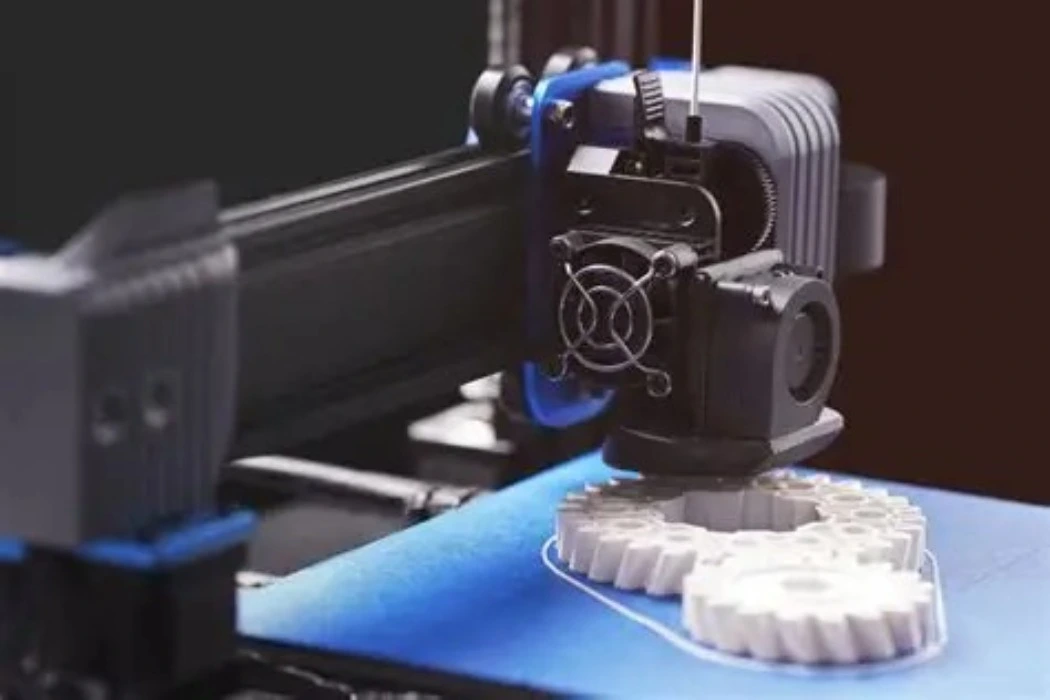
Key Benefits of CNC Plastic Prototype Parts
No Tooling Cost and No Minimum Order Quantity
An injection mold has to be made before the first part can be made, and it takes weeks to make that mold. With CNC machining, this step is skipped. Since you pay for the materials and the time it takes to make them, it makes sense to only make one sample or a small run. We don't have a minimum order size, and we can make anywhere from one to over 10,000 units. That price range works for a team that needs three parts this week for an assembly check and a few hundred later for a test build. Don't pay for a new mold if the design changes after it has been reviewed. Instead, give a new file.
Fast Turnaround Shortens Development Cycles
How many design rounds a team can afford is often limited by time constraints. As soon as you agree with the design, the machine starts to work. The majority of CNC plastic prototypes parts are shipped within one to two weeks. The full range is three to fifteen working days, depending on the complexity. The first review of a project takes about 24 hours, so you get feedback right away. Ulrich and Eppinger's book on product development says that prototypes are used for four things: learning, communication, integration, and setting goals. With a faster loop, your team has more time to learn before the due date. Most low-volume work is done in two to four weeks.
High Accuracy and Material Authenticity
The test is only useful if the prototype works the same way as the final part. It's possible for CNC machines to be very accurate with their tool paths, so holes, threads, and mating faces always end up where the drawing shows them to be. Your planned material will be strong, flexible, resistant to chemicals, and good at withstanding heat because it was cut from real industrial plastic. Gibson, Rosen, and Stucker say that printing one layer at a time can make things stronger in some ways but not others. Since machined parts are made from solid stock that doesn't have any layer boundaries, it's easier to compare the results to how the parts behave in production.
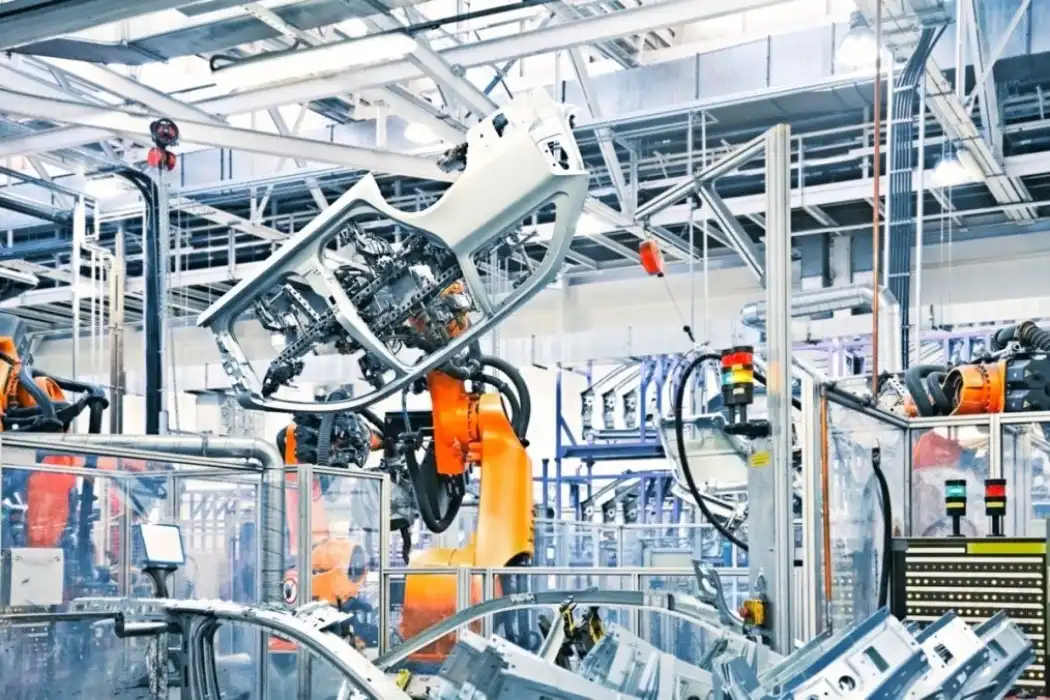
CNC Machining vs Other Prototyping Methods for Plastic Parts
CNC Machining vs 3D Printing
3D printing adds layers to a part, and it can reach shapes inside that a cutter can't. When you need tight specs, smooth faces, and engineering-grade materials, CNC cutting is the best way to go. Layer lines can show up on printed surfaces, and sealing faces or bearing fits might need extra work. After being machined, the surface is smooth and can be painted or polished. We suggest that you machine your sample if it needs press-fit holes, threaded holes, or load testing. Printing might be a better option if you only need to quickly check the shape with internal lattices. BOEN Rapid does both CNC cutting and 3D printing in plastic, so we can help you choose the best way for your stage.
CNC Machining vs Injection Molding
The usual way to make a lot of things is through injection molding. When you use it, you have to build a steel or metal mold that the liquid plastic sticks to. For stable designs and lots of them, that price makes sense. CNC cutting works best in the early stages, when the wall thickness, size, and snap-fit features are still being worked out. You can see what needs to be fixed on a machined sample before you cut a mold, since it takes longer to change a mold that is already made. Molded parts need walls that are even and draft angles, but machined parts don't have to follow as many of these rules. Molding usually takes over once the design is set and the volumes rise. This way, the handoff can stay with the same team because we also do injection molding.
CNC Plastic vs Metal Prototypes
When the final part is made of metal or has to carry a lot of weight, metal prototypes make sense. Housings, covers, gears, clips, and many other wear parts can be made from plastic prototypes. Plastic also doesn't weigh as much as hard metals and cuts with less tool wear. A lot of teams start by making models of how things look and fit in ABS or PC. After that, they try the performance on POM, nylon, or PEEK. When the load calls for it, they switch to metal. This method works in stages so that early design rounds go quickly and metal is saved for tests that really need it. The same idea is supported by Ashby's materials selection text: match the material to the job the part needs to do.
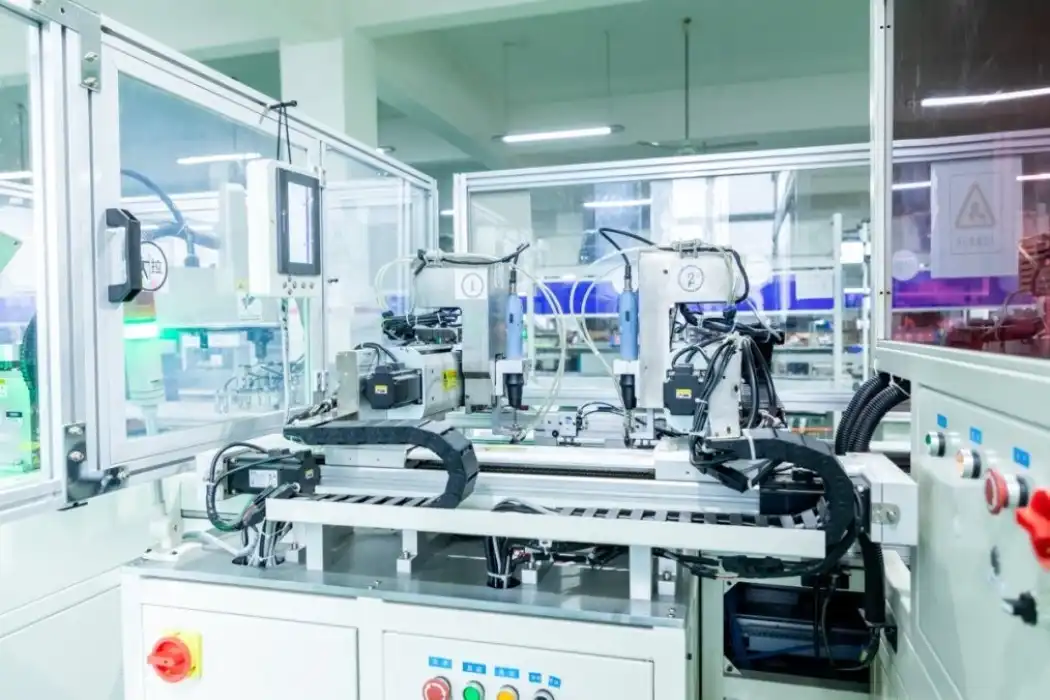
Selecting a Dependable CNC Plastic Prototype Manufacturer
Check Capability, Materials, and Certifications
Start with things that the shop can make. Check to see what kinds of plastics it cuts, how it keeps tolerances, and how it checks. Certifications show if a seller uses a set of rules that have been written down. Both ISO 9001 and ISO 13485 are used to manage quality at BOEN Rapid. It matters if your part is used in a medical device because ISO 13485 talks about quality control for medical devices. We use calibrated CMM equipment to check the sizes and compare the surface finish to what you want. We also give inspection reports and certificates of materials, and we keep secret designs safe under an NDA.
Questions to Ask Before You Send an RFQ
Comparing suppliers is fair when you use a short list. Every shop should ask these three questions.
• Who reviews my design before cutting? Before starting to machine, a seller with a DFM method checks the width of the walls, the draft angles, the undercuts, and the tolerances. Because our engineers do this review at BOEN Rapid, issues show up on the screen instead of on a finished part. This keeps us from having to do a full round of changes.
•How fast will I hear back, and what is the real lead time for CNC plastic prototypes parts? Ask for both the time it takes to get a quote and the time it takes to deliver the part, taken together. It takes us about 24 hours to finish the first evaluation of a project, and 3–15 working days to make a prototype. Make it a requirement that all suppliers clearly state their range.
• How will the parts arrive? While being shipped, plastic prototypes can get scratched or break. We use safe packaging and ship through DHL, UPS, and FedEx. You can track your package and we'll deliver it right to your door. Make sure you ask each provider how they pack finished surfaces and thin walls.
Clear answers to these questions usually tell you more than a quote sheet does.
Build a Repeat Relationship
Every week or two, most hardware teams need to order samples. It saves time on each new order when the provider already knows your parts. Once we have your drawings, choices of materials, and finish choices saved, we can start a new order with the same information. We can help with OEM and ODM work from the idea and drawings stage all the way through prototypes and small-batch production. This way, if a design passes testing, the same engineers can work on low-volume runs. BOEN Rapid has changed over the past 15 years from a CNC machining shop to a platform that does 3D printing, injection molding, vacuum casting, and making things out of sheet metal.
Practical Applications of CNC Machined Plastic Prototype Parts
Consumer Electronics and Robotics
For device housings, button assemblies, and connector housings, consumer electronics teams use CNC plastic prototypes parts. Before the production tool is made, these parts show how a design looks, feels, and fits together. Designers can look at ABS and PC bodies next to each other and then compare finishes that are smooth, rough, or painted. Teams that work with robots need to use light materials and tight standards to make parts like motor mounts, end-effector parts, and structure frames. With machined nylon and POM parts, engineers can also test moving parts with real loads. In both fields, one more fit check is often what makes or breaks a schedule.
Automotive Interiors and Sensor Housings
Teams working on cars make prototypes of internal furniture, sensor housings, and parts that go under the hood. There are different needs for each part. The trim has to fit and look good, and the parts under the hood have to deal with chemicals and heat. Engineers can test the resistance to heat and chemicals with real polymers like nylon or PEEK that have been machined into prototypes. Interior pieces can be checked to see if they fit against close walls in a gap, flush, or clip way. Because CNC doesn't need a mold, a team can change the shape of a clip between rounds and get the new part within our normal lead time.
Medical Devices and Aerospace
Before deciding to go into production, medical device developers machine diagnostic equipment housings, custom surgical tool components, and enclosure prototypes. PEEK is often used for parts that need to be resistant to chemicals and heat. As a company that is ISO 13485 certified, BOEN Rapid follows a quality system that was made for medical products. Teams in the aerospace industry buy internal panels, ducting parts, and non-structural pieces that need to be very small and light. Biocompatibility and regulatory testing are still the device maker's job, so let them know what materials and paperwork you need when you ask for a quote.
Conclusion
Engineers can test real designs in real materials without having to pay for a mold when they use CNC plastic prototypes parts. Fast delivery, tight tolerances, and real material behavior are the main benefits. There is also no need for tools or a minimum order quantity. Machining makes faces smoother and fits better than 3D printing. This method works better in the beginning, when plans are still being changed, than injection molding. Plastic is lighter than metal and can be used for housings, gears, and covers. A good supplier has proof of quality, clear lead times, DFM review, and safe packaging. These points are relevant to programs in consumer electronics, robotics, automotive, medical, and aerospace. A prototype that matches the final product reduces risk before mass production starts.
FAQ
Which plastic should I pick for a functional prototype?
Put the information to use on the test. For housings, use ABS or PC. For gears and sliding parts, use POM. For wear and toughness, use Nylon PA6/PA12, and for heat and chemicals, use PEEK. Our engineers can help you choose a material based on the environment, load, and temperature.
How long does delivery take compared with 3D printing?
Depending on how complicated they are, our prototypes usually ship in 3–15 business days. It takes about 24 hours to evaluate a project. Small parts can be made fast, but they often need extra work to make sure they fit well. The machined parts come ready to be put together and checked.
Can I use CNC machined prototypes as end-use parts?
Yes, for small amounts. Real engineering plastics are used for everything from one to over 10,000 units that we machine. This is why many customers use machined parts in pilot builds and short production runs. Tell us what you need, and we'll let you know what fits your needs.
Request Your CNC Plastic Prototypes Parts Quote
Ready to test your next design? BOEN Rapid, a trusted CNC plastic prototypes parts manufacturer with ISO 9001 and ISO 13485 processes, evaluates projects within 24 hours and delivers prototypes in 3–15 working days, with no minimum order quantity. Send your STEP or SOLIDWORKS file to contact@boenrapid.com, and our engineers will reply with DFM feedback. Visit boenrapid.com for full service details.
References
1. Fundamentals of Modern Manufacturing: Materials, Processes, and Systems (Groover), 2020
2. Product Design and Development (Ulrich and Eppinger), 2015
3. Additive Manufacturing Technologies: 3D Printing, Rapid Prototyping, and Direct Digital Manufacturing (Gibson, Rosen, and Stucker), 2015
4. Materials Selection in Mechanical Design (Ashby), 2016
5. Manufacturing Engineering and Technology (Kalpakjian and Schmid), 2014
6. ISO 13485:2016 Medical Devices – Quality Management Systems – Requirements for Regulatory Purposes, 2016