What Is Die Casting and How Does It Work? A Complete Guide
What Is Die Casting?
Die casting is a highly efficient metal manufacturing process used to produce precise, complex, and high-quality metal parts. The process works by injecting molten metal into a reusable mold, known as a die, under high pressure.
Similar to plastic injection molding, die casting uses controlled pressure and specialized tooling to create parts with excellent dimensional accuracy, smooth surface finishes, and consistent quality. It is widely used for high-volume production of complex metal components across industries such as automotive, electronics, and industrial equipment.
How Does the Die Casting Process Work?
The die casting process is a fast, automated production cycle consisting of several key steps.
Step 1: Die Preparation and Clamping
Before production begins, the steel die is cleaned, lubricated, and prepared for casting. The lubricant helps control die temperature, improves part release, and extends tool life.
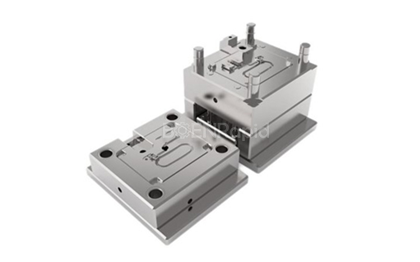
The two die halves are then securely closed using a high-force clamping system to withstand the pressure during injection.
Step 2: Metal Injection
Molten metal is transferred into the injection chamber. A high-pressure plunger forces the molten alloy into the die cavity, ensuring the metal fills complex features and detailed areas of the mold.
Typical injection pressures can range from approximately 1,500 to more than 25,000 psi depending on the machine and material requirements.
Step 3: Cooling and Solidification
After filling, the molten metal rapidly cools inside the die. Cooling channels within the mold help control temperature and improve solidification.
The rapid cooling process creates a fine-grained structure that improves the strength and consistency of the finished component.
Step 4: Part Ejection
Once the casting has solidified, the die opens and ejector pins remove the finished part from the mold.
Proper timing during ejection is essential to prevent deformation and maintain part quality.
Step 5: Trimming and Finishing
After removal, excess material such as runners and gates is trimmed away. The removed metal can usually be recycled and reused, making die casting an efficient manufacturing process.
Main Types of Die Casting
Die casting processes are mainly divided into two categories based on how molten metal is injected into the die.
Hot-Chamber Die Casting
Hot-chamber die casting places the injection system directly into the molten metal supply.
This method is ideal for lower melting point alloys such as:
- Zinc
- Tin
- Lead
Because the metal is already connected to the injection system, hot-chamber die casting provides faster cycle times and high production efficiency.
Cold-Chamber Die Casting
Cold-chamber die casting is used for metals with higher melting points, including:
- Aluminum
- Magnesium
- Copper alloys
In this process, molten metal is poured into a separate shot chamber before being injected into the die. This design protects the machine components from excessive heat.
| Feature | Hot-Chamber Die Casting | Cold-Chamber Die Casting |
|---|---|---|
| Common Materials | Zinc, Tin, Lead | Aluminum, Magnesium, Copper |
| Production Speed | Faster cycle times | Slower cycle times |
| Tool Life | Generally longer | Generally shorter |
Common Die Casting Materials
Die casting mainly uses non-ferrous metal alloys with different performance characteristics.
Aluminum Alloys
Aluminum offers excellent strength-to-weight ratio, lightweight properties, and good thermal conductivity. It is commonly used for automotive components, housings, and heat sinks.
Zinc Alloys
Zinc provides excellent castability, dimensional stability, and ductility. It is suitable for thin-wall components, decorative parts, and plated products.
Magnesium Alloys
Magnesium is one of the lightest structural metals and is ideal for applications where weight reduction is important, such as electronics housings and power tool components.
Copper Alloys
Copper-based alloys provide high strength and corrosion resistance, making them suitable for plumbing components, electrical parts, and marine applications.
Advantages and Limitations of Die Casting
Key Advantages
High Production Efficiency
Fast cycle times make die casting ideal for large-volume manufacturing.
Excellent Dimensional Accuracy
Produces consistent parts with tight tolerances over long production runs.
Complex Geometry Capability
Allows the production of thin walls, detailed features, and complex shapes.
Superior Surface Finish
Creates smooth surfaces that often require minimal secondary processing.
Potential Limitations
High Initial Tooling Cost
Die manufacturing requires significant upfront investment, making it most suitable for medium- to high-volume production.
Possible Porosity Issues
Rapid metal injection can trap air, although technologies such as vacuum die casting help reduce this problem.
Limited Material Selection
Die casting is mainly suitable for non-ferrous metals rather than high-melting-point materials like steel.
Common Applications of Die Casting
Die casting plays an important role in many modern industries.
Automotive Industry
Common applications include:
- Engine components
- Transmission housings
- Structural brackets
- Lightweight vehicle parts
Electronics Industry
Used for:
- Laptop and tablet frames
- Mobile device housings
- Heat dissipation components
Lighting Industry
Used for LED housings and thermal management components requiring efficient heat transfer.
Hardware and Industrial Products
Applications include:
- Door hardware
- Plumbing fittings
- Power tool housings
- Industrial components
Die Design Considerations
The die is usually manufactured from heat-resistant tool steel, such as H13 steel, to withstand repeated casting cycles.
Important design considerations include:
Draft Angles
Allow parts to release smoothly from the mold without damage.
Uniform Wall Thickness
Helps prevent defects caused by uneven cooling and shrinkage.
Fillets and Radii
Rounded corners improve metal flow and increase die durability.
Frequently Asked Questions About Die Casting
Is die casting expensive?
The initial tooling cost is relatively high, but the cost per part becomes very competitive for large production volumes.
Can steel be die cast?
Generally, no. Steel requires much higher melting temperatures that can damage conventional die casting molds.
What is the difference between die casting and injection molding?
Both processes use molds and pressure, but die casting uses molten metal while injection molding uses molten plastic materials.
Conclusion: Why Die Casting Remains Essential in Manufacturing
Die casting continues to be one of the most important manufacturing methods for producing high-volume metal components. Although tooling requires an initial investment, its advantages in speed, precision, consistency, and cost efficiency make it an ideal solution for complex metal parts used across global industries.