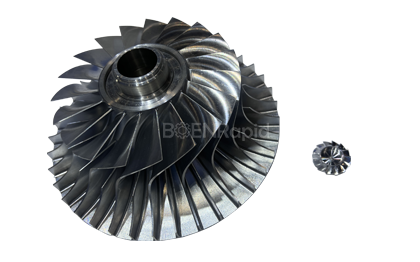
How to Optimize Your Design for Custom Parts Manufacturing: A Complete DFM Guide
What Is Design for Manufacturability (DFM)?
Design for Manufacturability (DFM) is a key engineering approach that helps optimize product designs for efficient and cost-effective manufacturing. By considering manufacturing requirements during the design stage, companies can reduce production costs, shorten lead times, improve part quality, and avoid costly redesigns.
DFM focuses on identifying potential manufacturing challenges before production begins. Early design optimization is the most efficient and affordable way to prevent tooling issues, machining difficulties, and production delays.
Core Principles of Effective DFM
Simplify Designs to Improve Manufacturability
A simpler design is usually easier and more economical to manufacture. Reducing unnecessary complexity, minimizing part count, and combining multiple components into fewer parts can lower material costs, simplify assembly, and improve production efficiency.
Before finalizing a design, evaluate each feature and consider whether it is essential for the product’s function.
Use Standard Components, Materials, and Features
Using standard sizes and commonly available components can significantly reduce manufacturing costs.
For example, standard screws, hole sizes, and material specifications are usually more affordable than customized alternatives. Designing around standard tools and processes also helps avoid additional machining or tooling expenses.
Apply Practical and Necessary Tolerances
Overly strict tolerances are one of the most common causes of unnecessary manufacturing costs.
Tighter tolerances require slower machining speeds, advanced equipment, and additional inspection processes. Apply precise tolerances only where they are required for part function, assembly, or performance.
Design with Assembly in Mind (DFA)
Design for Assembly (DFA) focuses on making products easier and more reliable to assemble.
Features such as clear orientation guides, asymmetric designs, and simplified connections help prevent assembly mistakes, reduce labor time, and improve production efficiency.
DFM Considerations for Different Manufacturing Processes
| Manufacturing Process | Key Design Considerations | Main Goal |
|---|---|---|
| CNC Machining | Corner radii, tool access, hole depth | Reduce machining time and setups |
| 3D Printing | Part orientation, support structures, wall thickness | Minimize printing time and post-processing |
| Sheet Metal Fabrication | Bend radius, hole placement, material behavior | Ensure proper forming and avoid deformation |
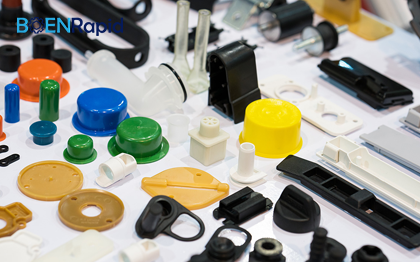
| Injection Molding | Draft angles, wall thickness, undercuts | Improve molding quality and reduce defects |
Design Optimization for CNC Machining
CNC machining is a subtractive manufacturing process where material is removed using cutting tools.
To improve CNC manufacturability:
- Design internal corner radii based on tool geometry, as round cutting tools cannot create sharp internal corners.
- Avoid excessively deep pockets that require long tools.
- Use shorter and more rigid tools whenever possible to reduce vibration and improve accuracy.
These considerations help reduce machining time, improve surface quality, and increase part reliability.
Design Optimization for 3D Printing
For additive manufacturing, part orientation plays a major role in cost and quality.
Reducing steep overhangs, especially angles greater than 45 degrees, can minimize the need for support structures. This reduces material consumption, printing time, and post-processing work.
Proper wall thickness and optimized geometry also help improve print strength and consistency.
Design Optimization for Sheet Metal Fabrication
Sheet metal designs must consider how materials behave during bending and forming.
Important considerations include:
- Selecting appropriate bend radii based on material thickness.
- Maintaining sufficient distance between holes and bend lines to prevent deformation.
- Avoiding features that create stress concentrations during forming.
Following these guidelines helps ensure smooth fabrication and consistent part quality.
Design Optimization for Injection Molding
Injection molding requires careful consideration of mold design and part release.
Key recommendations include:
- Adding draft angles, typically 1–2 degrees, to surfaces along the mold opening direction.
- Maintaining uniform wall thickness to reduce warping, sink marks, and uneven cooling.
- Minimizing unnecessary undercuts that increase mold complexity.
Proper injection molding design reduces defects and improves production efficiency.
Choosing the Right Material for Manufacturing
Material selection requires balancing product performance, cost, and manufacturability.
Different materials have different machining and processing characteristics. For example, aluminum alloys such as 6061 are generally easier and faster to machine than harder materials like titanium.
Working with an experienced manufacturing partner early in the design process can help identify alternative materials that meet performance requirements while reducing production costs.
Achieving Precision Without Increasing Costs
Precision is important, but excessive accuracy can significantly increase manufacturing expenses.
Before specifying tight tolerances, consider:
- Does this dimension affect assembly?
- Does it impact product performance?
- Is the tolerance necessary for functionality?
If a tighter tolerance does not provide practical benefits, a more relaxed specification can reduce machining time and inspection costs.
Improve Results Through Technology and Collaboration
Modern CAD software, including DFM analysis tools, can help identify potential manufacturing issues during the design stage.
However, early communication with your manufacturing partner remains one of the most effective ways to optimize a design. Professional engineers can provide valuable suggestions that prevent redesigns, reduce costs, and improve production efficiency.
Final DFM Checklist
Before moving into production, review the following:
- Simplicity: Can the design be simplified or combined?
- Standardization: Are standard materials, sizes, and tools used?
- Process Requirements: Does the design follow manufacturing guidelines?
- Tolerances: Are all tight tolerances functionally necessary?
- Collaboration: Has the design been reviewed with the manufacturing team?
Conclusion: Turning Designs into Manufacturing Success
DFM is not about limiting creativity—it is about making innovative ideas easier and more affordable to manufacture.
By applying DFM principles from the beginning and working closely with manufacturing experts, companies can transform concepts into high-quality custom parts with lower costs, shorter development cycles, and improved production reliability.