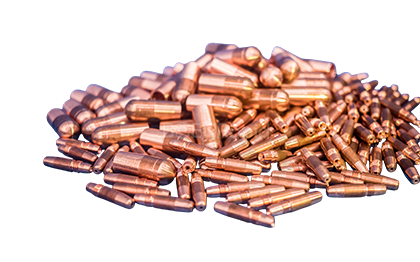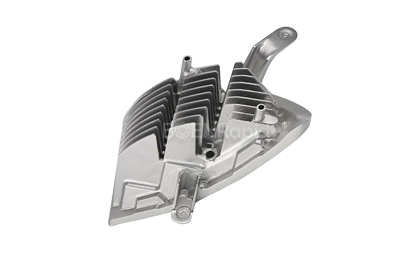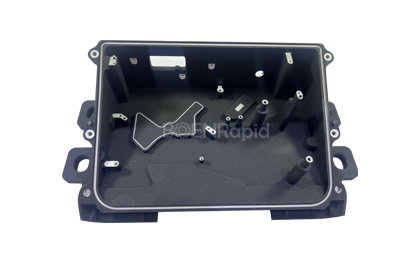
Aluminum CNC Milled Parts
Details
Aluminum CNC Milled Parts
DongGuan Bohao Industrial Co., Ltd., operating as BOEN Rapid, delivers precision Aluminum CNC Milled Parts with over 15 years of manufacturing expertise. Our high precision multi-axis machining centers can produce components with tolerances up to ± 0.02 mm and surface finishes to Ra 0.8-1.6 μm. We have 3 axis, 4 axis and 5 axis CNC machinery to create complex geometries in aluminium alloys such as 6061, 7075 and 5052. ISO 9001 and ISO 13485 certified to provide consistent quality in both prototyping and low volume production. We service automotive, robotics, medical devices, aerospace and industrial equipment sectors globally, with 24-hour project review and delivery within 3-15 working days for prototypes.
What Are Aluminum CNC Milled Parts?
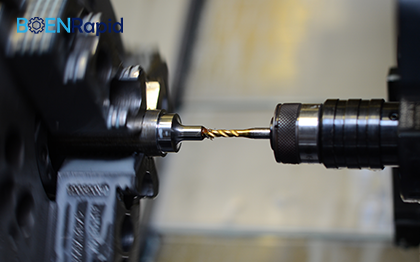
These are precision components made with computer-controlled subtractive processes using rotating cutting tools. This process removes material from solid aluminium billets to create complex geometries, slots, pockets and contoured surfaces.
The approach solves important engineering problems . Achieve light-weight structural integrity without losing load-bearing capacity – critical for electric vehicle parts and aeronautical applications. CNC milling achieves density and thermal conductivity in the range of 120-180 W/m-K for heat sensitive electronics; thermal management is significantly better than cast aluminium.
In contrast to die casting, milling removes significant tooling costs and extensive lead times. Go from prototype to production swiftly without the expense of tooling. The flexibility is supportive of design iterations and bridge production well.
Technical Specifications
| Item | Description |
|---|---|
| Material | Aluminum (6061, 6063, 7075, 5052 or per customer request) |
| Color | Natural (Silver), Black, or Custom Colors |
| Process | CNC Milling (3-axis / 4-axis / 5-axis machining) |
| Surface Finish | Machined, Polished, Bead Blasted / Sandblasted, Anodized (Type II / Type III), Powder Coated |
| Tolerance | ±0.02 mm (±0.01 mm for critical features) or per drawing |
| Surface Roughness | Ra 0.8–1.6 μm (machined surface, lower achievable upon request) |
| Feature | High precision, lightweight, excellent machinability, good strength, stable dimensional performance |
| Size | Per Customer Drawing |
| Drawing Format | PDF / DWG / STEP / IGS |
| Production Volume | Prototype to Mass Production |
| Inspection | 100% Inspection / Sampling Inspection |
Manufacturing Process Excellence
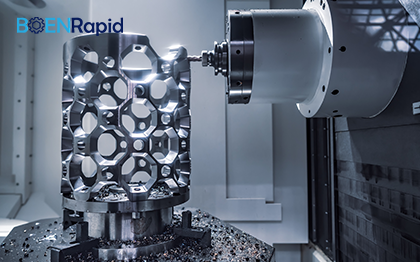
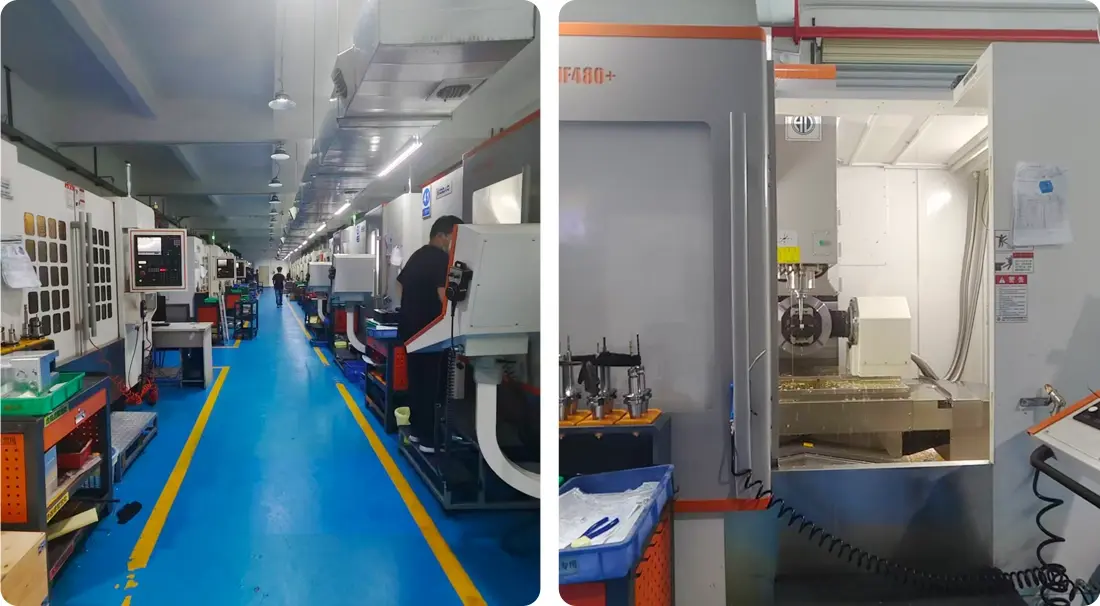
For our CNC mill work we use multi-axis machining centers for face milling, contour milling, pocket milling and slotting, all in one configuration. This minimises repositioning errors and increases dimensional accuracy in manufacturing.
In the case of complex parts with intricate features, 4-axis and 5-axis machining allows for multi-directional cutting simultaneously. You get parts with geometries that cannot be manufactured with conventional methods. The toolpath strategies are adapted to the material properties and lead to efficient material removal and uniform surface quality.
Each arrangement is designed for shorter cycle times with tight tolerances. Your parts benefit from thorough planning that combines speed and precision needs.
Material Options and Properties
We mill a wide range of aluminium grades for your application needs. Alloy 6061 is readily weldable, has good corrosion resistance and weighs about 2.70 g/cm³ (one third the weight of steel). 7075 has a performance similar to some steels , for higher yield strength applications .
Aluminium is widely used in heat dissipation components because of its high thermal conductivity. This is a natural benefit for your electronics housings and thermal management systems. The material can be finished in a variety of surface treatments including Type II and Type III anodising, powder coating and chemical film finishes.
All materials are in conformity with ASTM B209/B211 and ISO 2768 general tolerances. The validity of the alloy is verified by XRF spectrometry and the integrity of the substance is checked by hardness testing.
Quality Control Systems
With our ISO 9001 and ISO 13485 certified processes, we ensure constant output quality. In-process inspections check essential features during machining so that adjustments can be made on the fly before variations impact final dimensions.
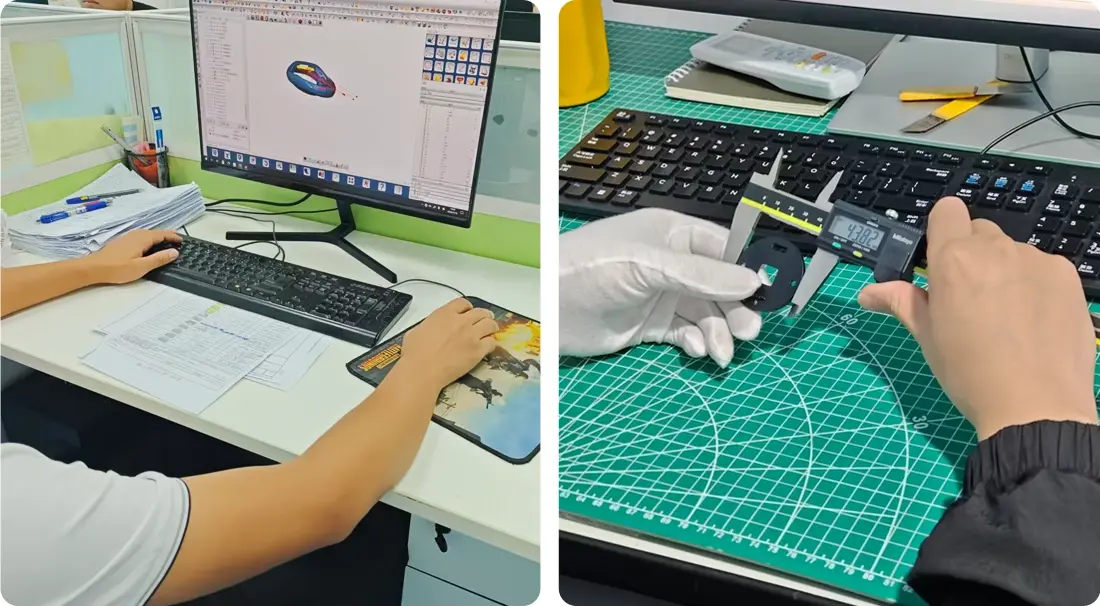
Final inspections check the geometric dimensioning and tolerancing (GD&T) criteria of the location, flatness, and concentricity. Exact dimensional verification is done using coordinate measuring machines (CMM) and video measurement systems. Measure surface roughness with profilometers and verify if Ra values are within your specifications.
You receive detailed inspection reports with full traceability on critical components. Surface treatments are checked for consistency by visual comparison to defect limit samples for scratches, dents and anodise layer uniformity.

Applications Across Industries
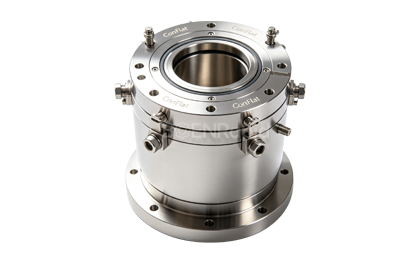
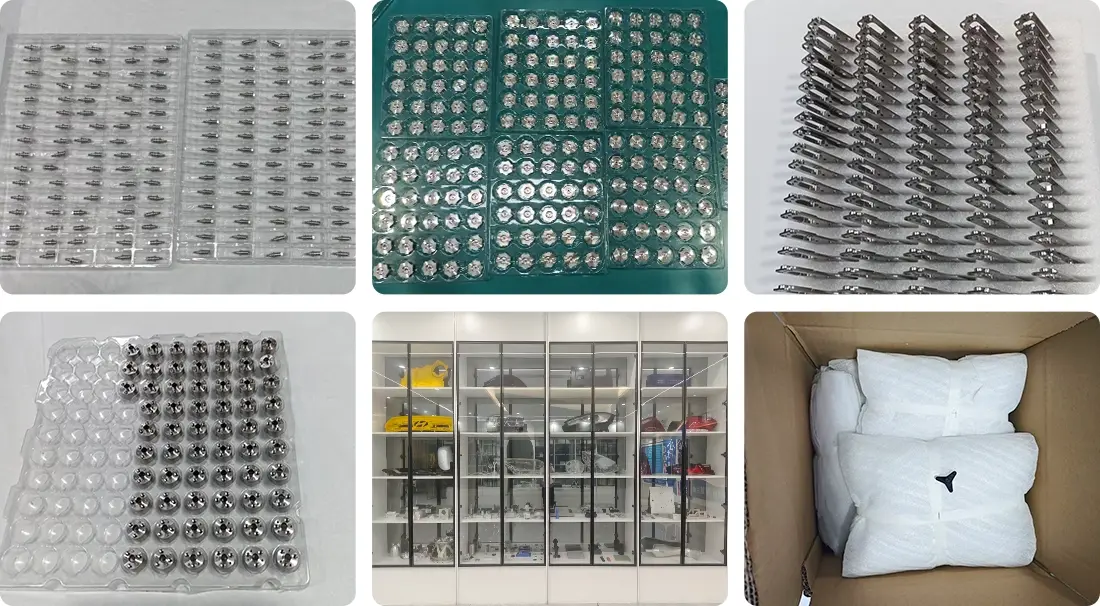
Our Aluminum CNC Milled Parts find applications in the automotive and robotics industries for structural brackets, precision housings, and robotic arm parts. The parts can bear the demands of operation and stay weight efficient.
Our non-magnetic aluminium components are used by medical device makers for MRI scanner housings and surgical equipment. Hard anodising ensures dimensional correctness and provides the necessary sterilisation resistance for biomedical applications.
Custom heatsinks with complex fin geometries for maximum thermal transfer are among the electronics applications. Semiconductor chassis and enclosures are characterised by tight tolerances and good heat conductivity. The parts we use are specified by manufacturers of industrial equipment for automation systems, coffee machine parts and precision assemblies.
Engineering Support and Design Optimization
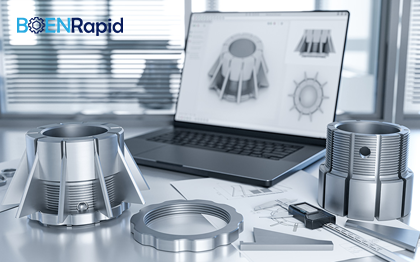
Our professional engineering team offers complete Design for Manufacturability (DFM) examination. We examine your designs early in development to identify potential production problems, recommend tolerance modifications and offer low-cost solutions.
Material selection guide Select optimal aluminium grades for given performance needs. We look at structural requirements and environmental variables versus weight goals. Tolerance evaluation is the trade-off between functionality and manufacturability for your specs.
This proactive approach cuts development costs and speeds time to market. Before you commit to production tooling or high quantity orders, you gain the advantage of our manufacturing insight.
Lead Times and Production Flexibility
As a rule, the first assessment of the project is made within 24 hours after receipt of your designs. Prototype items are shipped in 3 to 15 working days, depending on complexity and features. 2-4 wks on low volume runs.
Our flexible production scheduling can cope with urgent tasks and design iterations. You can change quantities and specifications as product development proceeds, without long delays. This responsiveness allows for fast market entrance and agile development cycles.
FAQ
Q: What makes CNC milling different from other machining processes?
A: CNC milling uses rotating cutting tools to remove material, enabling complex multi-surface geometries in single setups. Unlike turning (which rotates the workpiece), milling excels at pockets, slots, and contoured surfaces. Multi-axis capability allows simultaneous cutting from multiple directions, producing shapes impossible with 3-axis equipment or manual methods.
Q: Can you achieve tighter tolerances than ±0.02 mm?
A: Yes, we can achieve ±0.01 mm tolerances for critical features depending on part geometry and material. Tighter tolerances require additional machining operations and extended inspection times. We recommend discussing specific tolerance requirements during project evaluation to optimize cost and manufacturing approach.
Q: Which aluminum alloy should I choose for my application?
A: Alloy 6061 suits general-purpose applications requiring good corrosion resistance and weldability. Choose 7075 when you need maximum strength comparable to steel. For marine environments or superior corrosion resistance, 5052 performs best. Our engineering team can recommend optimal grades based on your load, environmental, and weight requirements.
Q: What surface finishes are available for milled aluminum parts?
A: We offer machined finishes (as-milled), bead blasting for uniform matte appearance, polishing for smooth reflective surfaces, Type II anodizing (decorative with moderate wear resistance), Type III hard anodizing (maximum durability), powder coating in custom colors, and chemical film treatments for corrosion protection.
Q: Do you provide material certificates and inspection reports?
A: Yes, we supply material certificates verifying alloy composition and inspection reports documenting dimensional verification, GD&T measurements, and surface quality results. These documents provide full traceability and support your quality assurance requirements.
Contact Us for Your Aluminum Milling Needs
Ready to transform your designs into Aluminum CNC Milled Parts? Contact our engineering team at contact@boenrapid.com to discuss your project requirements and receive a detailed quotation.