The Ultimate Guide to CNC Machining Titanium for High-Performance Parts
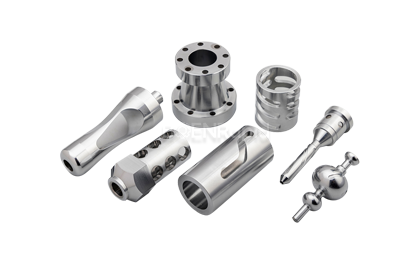
Titanium machining parts represent one of the most demanding yet rewarding categories in precision manufacturing. Whether you are sourcing bone screws for orthopedic trials, structural fasteners for unmanned aerial vehicles, or subsea pressure housings, the material demands a process partner who understands both the metallurgy and the regulatory environment. This guide walks you through titanium's properties, the step-by-step CNC workflow, material comparisons, procurement best practices, and performance tips — everything an engineer or supply chain manager needs before placing an order.
Understanding Titanium Machining: Properties, Challenges, and Techniques
Why Titanium Stands Apart from Common Structural Metals?
Ti-6Al-4V (Grade 5) has a tensile strength of more than 895 MPa and a mass of only 4.43 g/cm³, which is about half that of steel. Grade 2 commercially pure titanium gives up some strength in exchange for better resistance to rust. This makes it the best choice for biological and chemically-contact settings. You can tell the difference between the two grades by the self-healing TiO2 oxide film they make. This film is resistant to chloride attack, physiological fluids, and acidic media, but stainless steel would pit or crack under stress.
The Core Machining Challenges You Must Anticipate
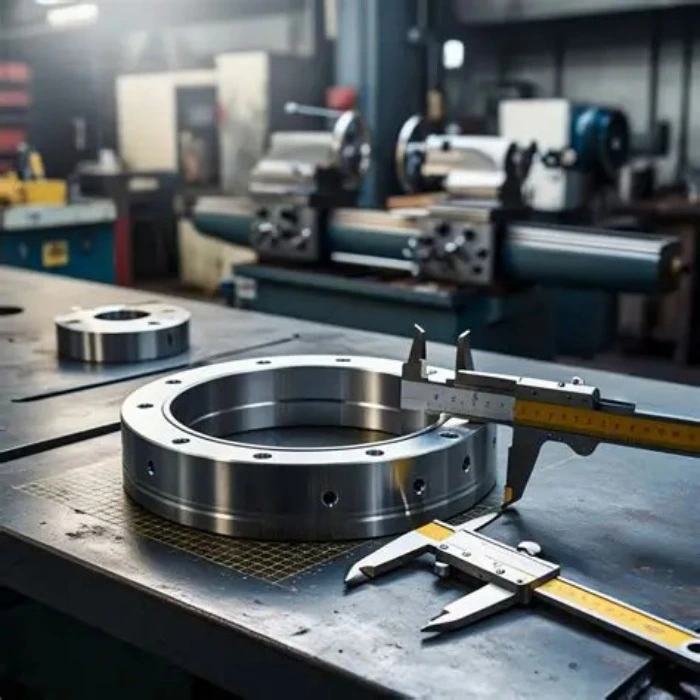
Titanium doesn't conduct heat well (about 6.7 W/m·K compared to 50 W/m·K for carbon steel), so heat stays at the cutting edge instead of spreading out into the chip. This leads to faster tool wear, work hardening of the polished surface, and the chance of creating an oxygen-rich "alpha case" layer that is fragile if temperatures are not controlled. It also galls, which means it chemically sticks to carbide tool faces, so dry cutting is not an option.
Proven Techniques That Keep Titanium Machining Reliable
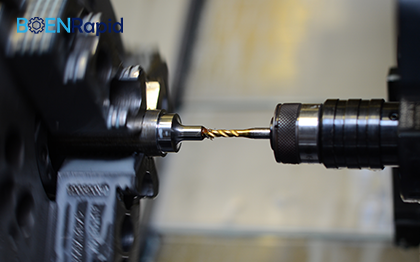
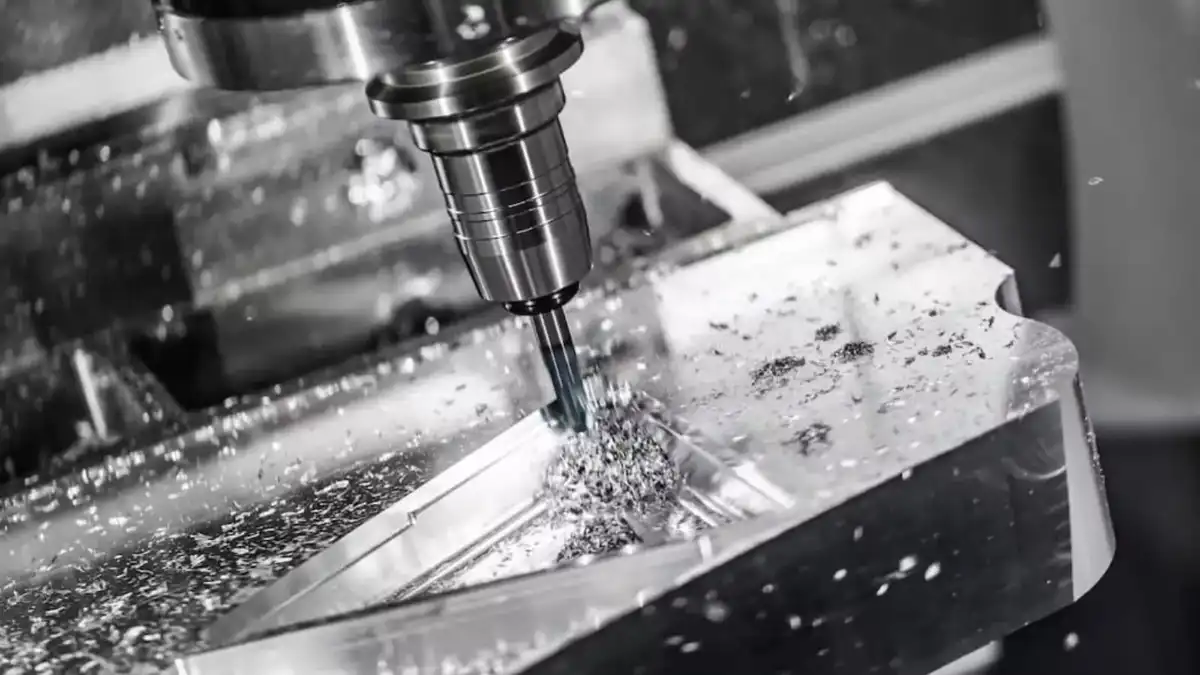
Getting coolant under high pressure (above 70 bar) is the best way to stop heat from building up. Variable-helix carbide end mills made for titanium alloys keep chatter and rubbing to a minimum. Controlled chip drainage keeps titanium swarf from building up, which can catch fire—shops must keep up Class D fire suppression. Every titanium job at BOEN Rapid is done on its own machine cells that have filtered coolant systems and real-time spindle load monitoring to catch tool wear before it changes the shape of the part.
Step-by-Step Titanium Machining Process for Optimal Results
Pre-Machining: Grade Selection and DFM Review
Before even one chip is cut, the process starts. The engineering team looks at the CAD model for things like thin walls (less than 0.8 mm), deep, narrow pockets, and sudden changes in section that make the process of machining more dangerous. The choice of grade is based on how it will be used: Grade 2 is for implant touch surfaces that need to be as biocompatible as possible according to ISO 10993; Grade 5 is for load-bearing structure parts according to AMS 4928 or ASTM F136. Before the material goes into the machine, mill certificates with heat/lot tracking numbers are gathered.
Roughing, Semi-Finishing, and Finishing Passes
Workholding uses broad-contact fittings to deal with titanium's low elastic stiffness (about 114 GPa), which makes point-loaded clamps spring back. To get rid of bulk material while keeping the cutting edge in constant contact, roughing passes for titanium machining parts are made at shallow depths with fast feeds. Any geometric drift is fixed by semi-finishing. Finishing passes, which are usually done with smaller tools and less axial depth, get the surface roughness to a value between 0.4 and 3.2 µm, depending on the requirements. Ra values below 1.6 µm are usually needed for medical implant surfaces that want to fuse with bone.
Quality Assurance: CMM, PMI, and NDT
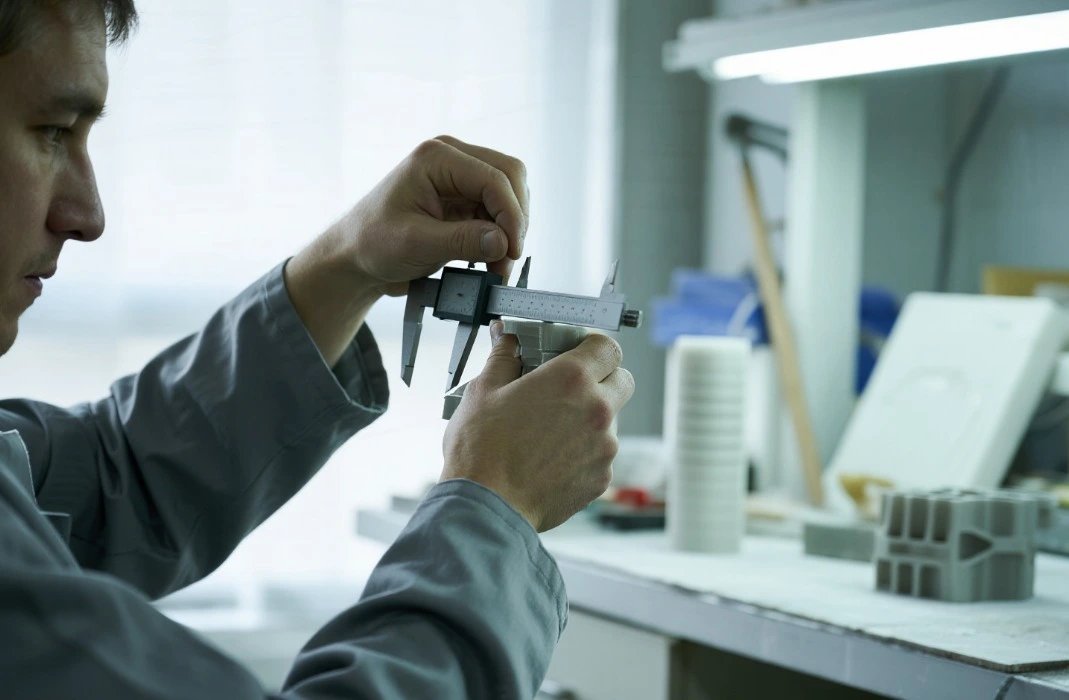
Every part goes through a structured checking process after it has been machined. A Coordinate Measuring Machine (CMM) checks GD&T features like parallelism, concentricity, and location errors of up to ±0.005 mm. X-Ray Fluorescence (XRF) Positive Material Identification (PMI) makes sure that the alloy's chemistry fits the mill certificate. This is very important for medical OEM users who need to support FDA 510(k) or CE MDR dossiers. Before delivering parts that are important for flying or implants, ultrasonic testing or dye penetrant inspection (DPI) can find tiny cracks below the surface.
Titanium vs Other Metals: Comparisons and Decision-Making Factors
Titanium Against Aluminum: Strength-to-Weight Trade-offs
Aluminum 7075-T6 can be machined four to six times faster than Ti-6Al-4V, and it costs a lot less per kilogram. Aluminum is a good material for brackets and housings that aren't structural and don't have to hold a lot of weight. Titanium is the better choice when the design doesn't allow for the extra weight that an aluminum part would need to be as strong as titanium, or when the working area will be exposed to salt for a long time or be hotter than 150°C.
Titanium Against Stainless Steel: Corrosion and Weight
Grade 316L stainless steel is a good material for implants and is also used a lot to make surgery tools. It does have a higher mass than titanium, though, at 8.0 g/cm³ compared to 4.43 g/cm³. The lower elastic modulus of titanium is good for hip implants where stress shielding (a difference in stiffness between the implant and bone) is a clinical problem. It is not necessary to keep stainless steel up to date for marine hardware because titanium doesn't rust in salt water.
When CNC Machining Beats Casting or Additive Manufacturing
Investment casting can handle large quantities of complex shapes but can't consistently hold tolerances below ±0.1 mm without secondary machining. Metal additive manufacturing (DMLS/SLM) can make nearly net forms out of Ti-6Al-4V, but it comes with risks of porosity and leftover stress that need to be treated with HIP after the process is finished. CNC machining from wrought billet is still the best way to make fatigue-critical parts like aerospace fasteners, bone plate prototypes, and precision instrument housings. These parts must have consistent material grain structure and dimensions.
Procuring Custom Titanium Machined Parts: What B2B Clients Need to Know
Evaluating a Titanium Machining Supplier's Qualifications
The stack of certifications is important. ISO 13485 is a must-have for anyone who wants to make medical devices, and ISO 9001 is for general precision engineering. You should be able to show that each lot of materials can be tracked from the raw material to the finished part, that the CMM is calibrated and has up-to-date calibration certificates, and that they can share First Article Inspection (FAI) reports in AS9102 format if needed. During the engagement, IP is protected by signing an NDA and sending secured files of confidential images.
Order Workflow: Prototype to Low-Volume Production
Here is what a procurement manager can usually expect to happen when they are looking for custom titanium machining parts:
- RFQ Submission: Upload 3D CAD (STEP/IGES) with a 2D drawing specifying tolerances, surface finish, material grade, and surface treatment requirements.
- DFM Feedback (within 24 hours): The engineering team flags features that increase cost or risk and proposes alternatives without changing function.
- Prototype Delivery: Standard lead time is 3–15 working days depending on geometry complexity and post-processing requirements.
- FAI and Approval: CMM report, material certificates, and surface roughness data are shared before production release.
- Low-Volume Production: Batch runs of 10–500 pieces complete within 2–4 weeks using approved fixtures and locked process parameters to ensure batch-to-batch consistency.
Feedback from DFM (within 24 hours)**: The engineering team points out features that raise costs or risks and suggests alternatives that don't change how the product works.
Cost Drivers and How to Contain Them
This organized process gives quality managers and regulatory affairs teams written proof at every step, which is necessary to be ready for an FDA audit.
Maximizing Performance: Tips and Best Practices for Titanium CNC Machining
Holding Tight Tolerances on Complex Geometries
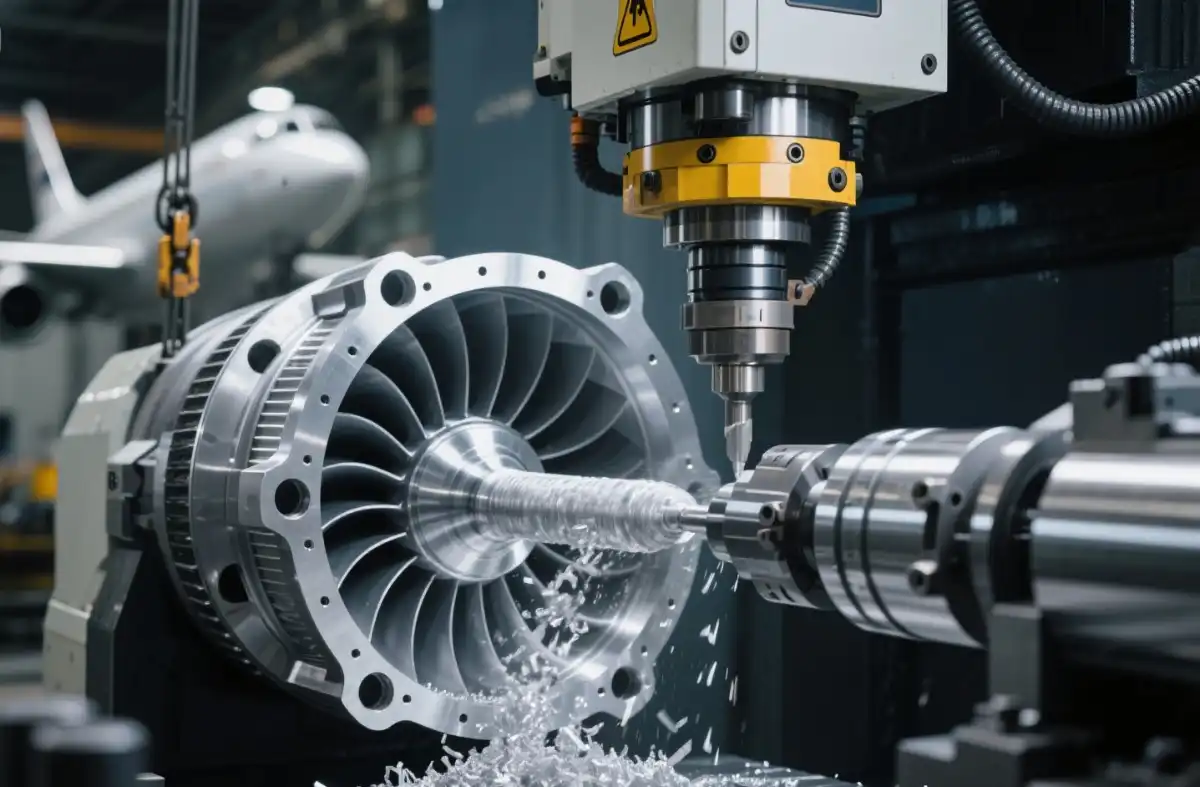
Five-axis CNC machining cuts down on the number of setups needed for shaped implant surfaces or aerospace bracket profiles. This makes positional accuracy better because the part doesn't have to be moved between operations. Modern machining centers have built-in thermal adjustment methods that fix spindle growth during long runs. This is important when keeping ±0.01 mm over many hours of cutting.
Optimizing Surface Finish for Functional Performance
Titanium's surface finish is more than just nice to look at. Controlled roughness helps bone cells bond to orthopedic devices. A smooth finish on aircraft fasteners lowers fretting strain at the points where they connect. Type II anodizing creates a precise oxide layer that can be color-coded to make it easier to find surgical kits without changing the size of the parts. According to ASTM A967, passivation gets rid of free iron and puts back the native oxide layer after machining.
Extending Tool Life and Embracing Process Automation
Newer titanium-specific PVD-coated end mills last 30–50% longer than carbide tools that aren't covered. Advanced machining centers now come with automated tool wear tracking that lets you know when a tool needs to be replaced before a worn edge makes the part less good. Robotic part loading cuts down on the work that needs to be done by hand during long-run runs. This makes the process more repeatable and lowers the chance of damaging final surfaces during handling.
Conclusion
To titanium machining parts, you need to know a lot about the material, be very good at the process, and keep good records of the work. This is especially important when the parts go into controlled supply chains. Ti-6Al-4V and Grade 2 titanium perform better than any other structural metal of the same weight. Working with a supplier that is ISO 13485 certified, keeps heat-lot traceability, and keeps inspection records from prototype to production takes the compliance load off of your internal team and speeds up the time it takes to get your product to market.
FAQ
Why is titanium harder to machine than stainless steel?
Titanium's low thermal conductivity concentrates heat at the cutting edge rather than dissipating it through the chip. Combined with its tendency to work-harden and chemically bond to tool surfaces, the net effect is faster tool wear and tighter process control requirements compared to stainless steel machining.
Which titanium grade should I specify for an orthopedic implant prototype?
Ti-6Al-4V ELI (Extra Low Interstitial), conforming to ASTM F136 or ISO 5832-3, is the standard for load-bearing implant components. Grade 2 commercially pure titanium is preferred for soft-tissue contact surfaces where maximum biocompatibility per ISO 10993 is the priority.
What lead time should I plan for custom titanium parts?
For prototype quantities, plan 3–15 working days depending on geometric complexity and post-processing. Low-volume production runs of 10–500 pieces typically complete in 2–4 weeks. First-time supplier qualification for medical OEM programs adds 12–24 weeks for compliance review, sample evaluation, and audit.
Can titanium parts be anodized after machining?
Yes. Type II anodizing adjusts the oxide layer thickness to produce interference colors useful for surgical instrument identification. Type III hard anodizing increases surface hardness. Neither process adds measurable dimensional change, so it is applied after final machining and inspection.
Partner with BOEN Rapid for Precision Titanium Machining Parts
Every titanium part that BOEN Rapid makes is backed by more than 15 years of experience making things. We are a reliable titanium machining parts manufacturer for medical OEM, aerospace, and industrial customers all over the world thanks to our ISO 9001 and ISO 13485-certified processes, CMM inspection suite, and full material traceability. To get a price within 24 hours, email your drawings to contact@boenrapid.com or go to boenrapid.com. There is no charge for our tech team to look over your project and give you DFM comments.
References
1. ASM International. ASM Handbook, Volume 16: Machining. ASM International, 1989.
2. Donachie, Matthew J. Titanium: A Technical Guide. 2nd ed., ASM International, 2000.
3. International Organization for Standardization. ISO 5832-3: Implants for Surgery — Metallic Materials — Part 3: Wrought Titanium 6-Aluminium 4-Vanadium Alloy. ISO, 2021.
4. ASTM International. ASTM F136: Standard Specification for Wrought Titanium-6Aluminum-4Vanadium ELI Alloy for Surgical Implant Applications. ASTM International, 2023.
5. Ezugwu, E. O., and Z. M. Wang. "Titanium Alloys and Their Machinability — A Review." Journal of Materials Processing Technology, vol. 68, no. 3, 1997, pp. 262–274.
6. Aerospace Industries Association. AS9100 Rev D: Quality Management Systems — Requirements for Aviation, Space, and Defense Organizations. SAE International, 2016.