Welded Assemblies Parts: Types, Processes, and Applications
Welded assemblies parts are metal components formed by permanently joining two or more pieces through heat-based welding processes. These parts appear in automotive body structures, chemical pipeline systems, mechanical equipment frames, and aerospace subcomponents. Unlike bolted or riveted joints, welded connections distribute load across the entire joint surface, producing a structurally sound result. Industries ranging from 5G communications infrastructure to energy storage equipment depend on precision-welded structures for dimensional stability, long service life, and compliance with international standards such as ISO, ASME, and AWS.
Understanding Welded Assemblies Parts
What Defines a Welded Assembly
A welded assembly is a group of metal parts that are permanently joined together to make a single unit that works. Welded structures usually hold up better than manually fixed ones when they are under dynamic or high-stress loads because the joint becomes part of the base material.
Common Types of Welded Assemblies
Welded systems can be put into a few different groups based on what they are used for:
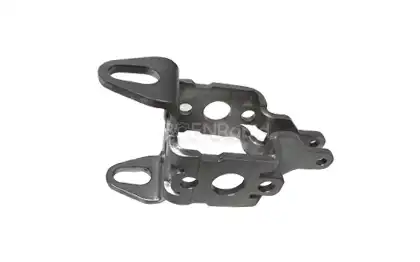
- Structural assemblies — machine frames, equipment enclosures, and support brackets used in industrial automation and energy storage systems
- Pressure-bearing assemblies — chemical pipeline joints and vessel components that must withstand internal fluid pressure
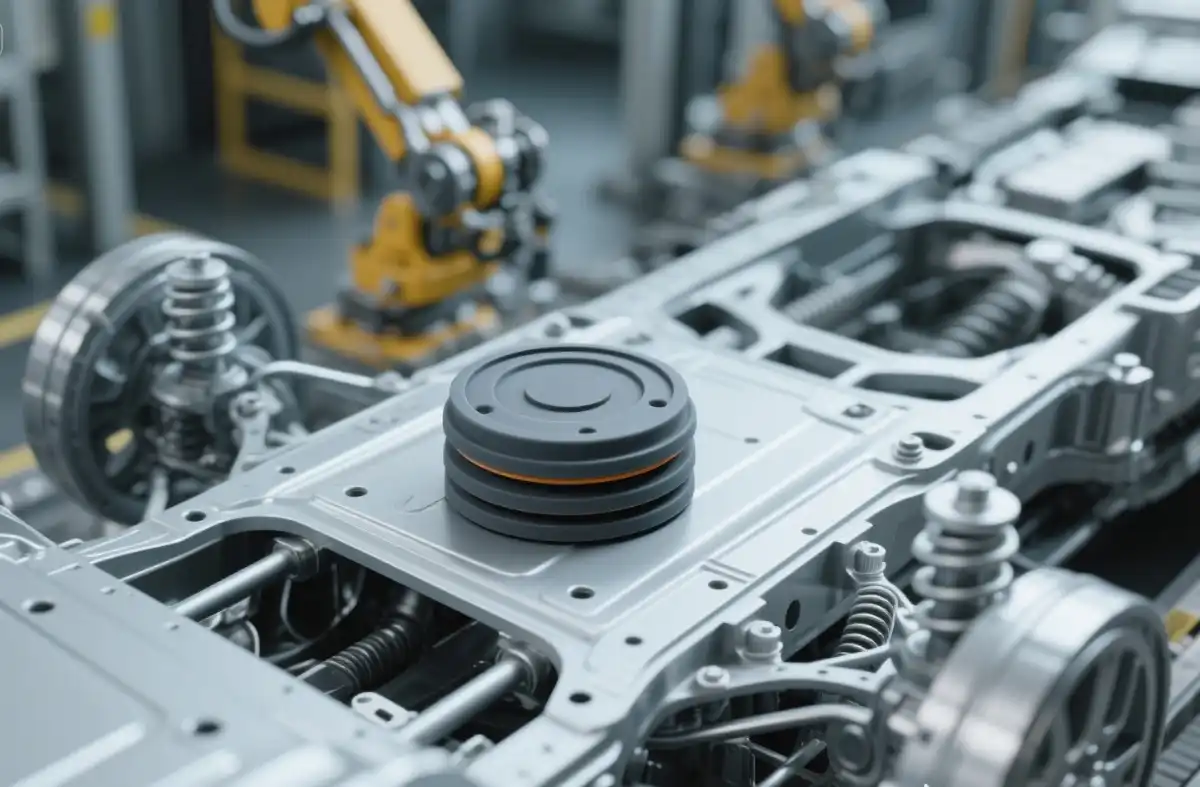
- Automotive body assemblies — body-in-white structures and chassis subframes requiring high geometric accuracy
- Aerospace subcomponents — lightweight aluminum or titanium brackets and housings where weight reduction and strength both matter
Material Selection Principles
The base material has a direct effect on how well it welds, how well it resists rust, and how well it works in the end. Carbon steel is a cost-effective way to make structures with a lot of power. Grades 304, 316, and 316L stainless steel don't rust in chemical and food-processing environments. In robotics and aerospace assemblies, aluminum alloys make the whole thing lighter while still keeping the structure rigid.
The Manufacturing Process of Welded Assemblies Parts
From Design to Final Inspection
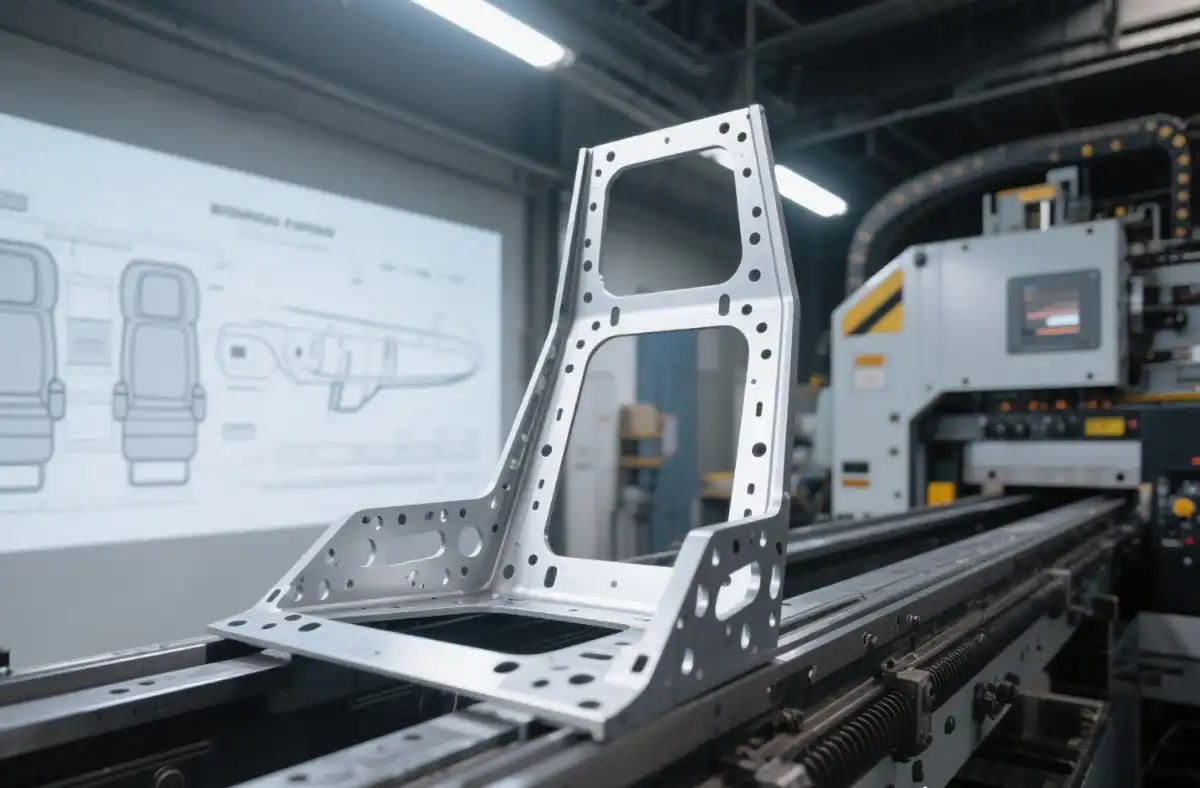
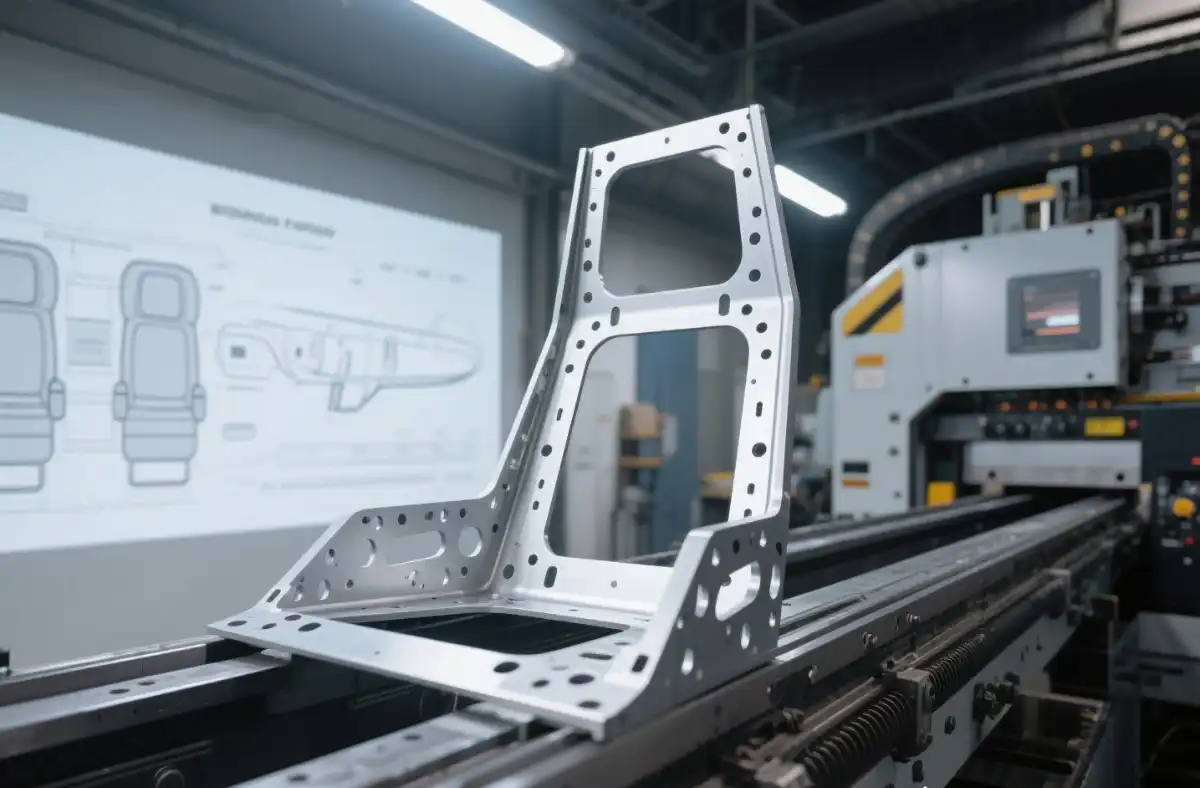
For complicated welded structures, the usual steps are engineering review and DFM analysis, sheet metal cutting and shaping, jigging and fixturing, welding, post-weld treatment, dimensional inspection, and surface finishing. Since one step feeds into the next, a problem that starts early spreads through the whole process.
Primary Welding Processes
There are three main types of welding that are used in most business settings:
TIG (GTAW) welding makes clean, accurate welds on thin-wall pieces of welded assemblies parts made of aluminum and stainless steel. The process makes a small area that is influenced by heat, which keeps precise assemblies from warping.- MIG (GMAW) welding works well for structure parts made of steel and stainless steel that are medium-thick. When the wire-feed speed stays the same, the bead shapes stay the same, which is good for higher-volume production.Laser welding uses a directed energy source to join aluminum, steel, and stainless steel together in a way that doesn't change the temperature too much. It works really well when very precise measurements need to be kept after welding.
- TIG (GTAW) welding — delivers clean, precise welds on aluminum and stainless steel thin-wall sections. The process produces a narrow heat-affected zone, which limits distortion on precision assemblies.
- MIG (GMAW) welding — efficient for medium-thickness steel and stainless steel structural parts. Consistent wire-feed speed produces repeatable bead profiles suitable for higher-volume production.
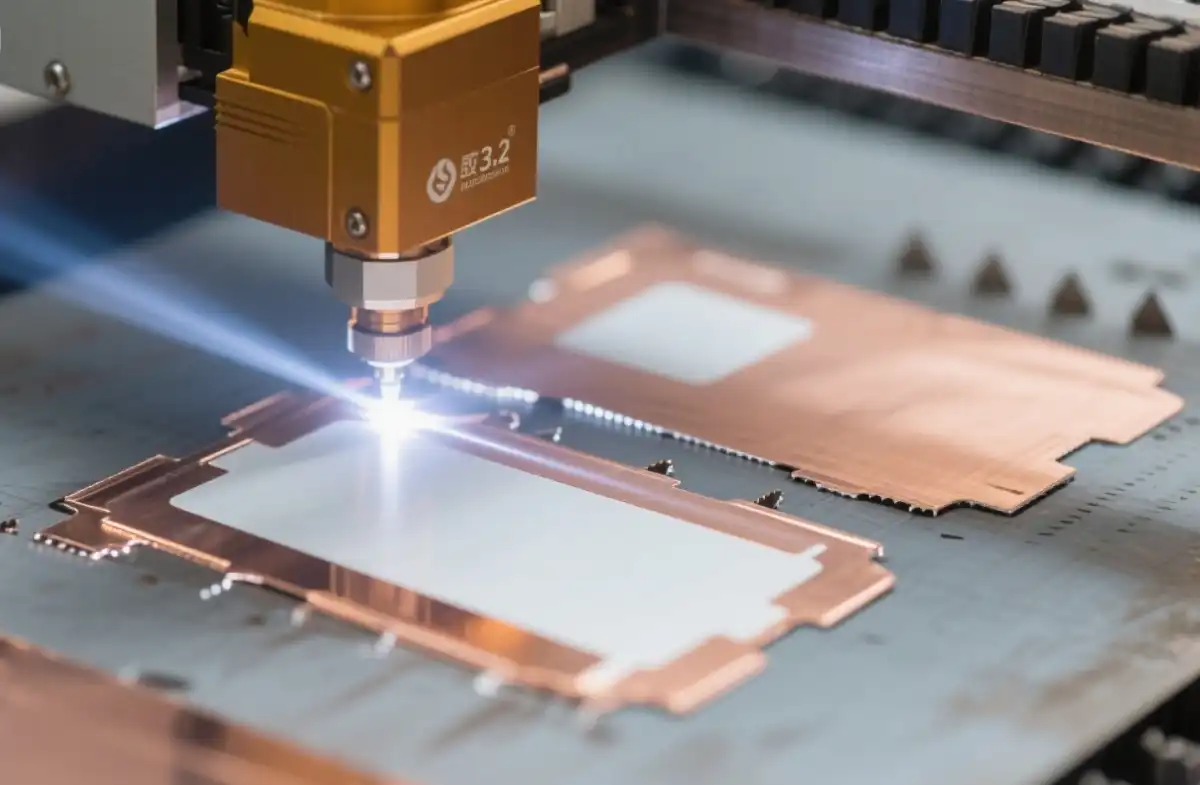
- Laser welding — applies a focused energy beam to aluminum, steel, and stainless steel, producing high-precision joints with minimal thermal distortion. It is especially useful where tight tolerances must be maintained after welding.
Which process to use depends on the thickness of the material, the shape of the joints, the amount of distortion that can be tolerated, and the esthetic needs. During DFM review, before production starts, these factors are looked at by a qualified engineering team.
Quality Assurance Standards
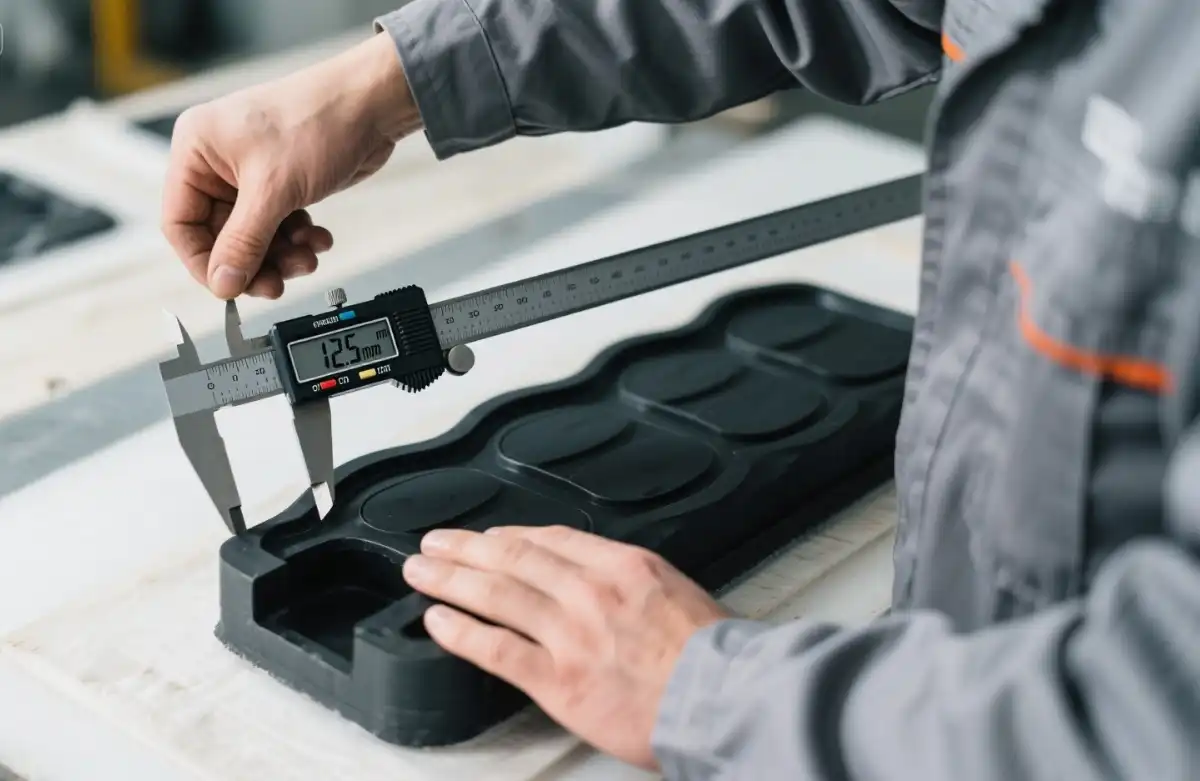
Standards like ISO 3834, AWS D1.1 (structural steel), and ASME Section IX (pressure equipment) control the quality of welded assemblies. Visual inspection, dimensional proof with CMM tools, dye penetrant testing, and radiographic or ultrasonic testing for key parts are some of the ways that things can be inspected. Every delivery comes with paperwork like first article inspection reports, material certificates, and instructions on how to weld.
Comparing Welded Assemblies Parts with Other Assembly Methods
Welding vs. Bolted Connections
Disassembly is easy with bolted joints, which is helpful for upkeep in the field. Bolt holes, on the other hand, make structural parts thinner, and over time, shaking can make fasteners lose. Welded seams get rid of these weak spots and make a unit with less bulk and no hardware that sticks out.
Welding vs. Casting and Machining
Cast parts are good for making a lot of parts with complicated shapes, but they cost a lot to make and take a long time to get to market. Machined parts have tight tolerances, but they waste a lot of material. Welded assemblies are the best way to join sheet metal and machined parts into near-net-shape structures because they are more cost-effective per unit and can be used for low to medium volumes. This makes them the best choice for OEM structural components.
When Welding Is the Right Answer
Welding is the best way to join when the design calls for a permanent, load-bearing joint, when weight and space restrictions prevent heavy fastener patterns, or when the assembly needs to meet IP54 or IP65 sealing standards for electronic enclosures. For example, energy storage boxes and 5G base station housings are good examples of things that meet all three factors at the same time.
Procurement Guide for Welded Assemblies Parts
Evaluating Supplier Capabilities
Finding buildings that are precisely joined takes more than just comparing prices. Here are the most important things to look at when evaluating a source. Ignoring any of them could have real consequences.
- Certifications — ISO 9001 and ISO 13485 certification confirms documented process control. Ask for the certificate number and verify the scope.
- In-house process integration — a supplier that handles CNC machining, sheet metal fabrication, welding, and surface finishing internally eliminates inter-supplier handoffs, which are a common source of dimensional drift.
- Welding procedure qualifications — request welding procedure specifications (WPS) and welder qualification records (WQR) for the materials and joints in your design.
- Surface treatment capability — salt spray resistance of 96 hours or above (per ISO 9227) is a standard threshold for outdoor or industrial-environment enclosures.
- Delivery track record — ask for on-time delivery data from comparable projects, particularly during high-demand periods.
When these factors are put together, they give a procurement team a good idea of whether a welded assemblies parts supplier can keep up with quality and schedule for quarterly blanket orders.
Key Procurement Factors for OEM Buyers
When OEM buyers look for welded structural parts for communication or energy storage equipment, they usually put three things above all else: consistency in size across batches, color matching on the surface treatment (RAL card matching), and the supplier's ability to handle demand spikes without making lead times longer. All three problems can be solved at the same time by signing a framework deal with a skilled single-source manufacturer.
Applications and Benefits of Welded Assemblies Parts
Industry Applications
A lot of different types of industries use welded metal assemblies. Robotic MIG welding is used by automakers to make body-in-white structures with accuracy of less than one millimeter. Chemical companies use TIG-welded stainless steel pipe systems to deal with high-pressure media that are corrosive. When cycle time is affected by weight, automation integrators choose laser-welded aluminum frames for AGV platforms and gantry systems. Energy storage OEMs need steel enclosures that are fully welded and meet both structural load standards and IP65 ingress protection.
Core Benefits
There is a lot of information in the business literature about how well-welded structures work and how they improve efficiency. Here are the main reasons why engineers and purchasing managers choose welded systems over other ways to join parts:
- Structural continuity — the weld zone approaches the strength of the base material, so the assembly behaves as a single-piece structure under load
- Reduced part count — consolidating multiple components into one welded assembly reduces inventory complexity and assembly labor on the final production line
- Long service life — a correctly welded joint requires no periodic re-tightening and does not loosen under vibration, which lowers total lifecycle maintenance cost
- Design freedom — welding accommodates complex three-dimensional geometries that would be impractical to cast or machine from a single billet
These benefits directly lead to lower total cost of ownership, which is the key factor that directors use to make decisions about what to buy.
Conclusion
The structural core of modern industrial equipment is made up of welded assemblies parts. If a product meets its cost and life goals, it is important to choose the right material, welding process, and surface treatment, and to make sure that the seller can deliver regularly across batches. TIG, MIG, and laser welding are all different types of welding that are used for different materials and tolerances. Using in-house process integration lowers the quality risks that come up when work is passed from one provider to another. Certifications, documented welding procedures, and the ability to treat the surface are the first things that procurement professionals must look at when evaluating suppliers.
FAQ
What materials are most commonly used in welded assemblies?
Aluminum alloys, carbon steel, and stainless steel (304, 316, and 316L) are used in most industrial settings. For building frames, carbon steel is a strong material that doesn't cost a lot. Stainless steel doesn't rust in places that are chemically or food-grade. Aluminum makes parts for robotics and spacecraft lighter.
How do I prevent welding distortion in precision assemblies?
Getting rid of distortion starts with the planning phase. Using the right jigging and fixturing, symmetric weld steps, and the lowest heat-input method that meets the needs of the joint all help to lower distortion. Before production starts, DFM analysis finds early on joint designs that pose a high risk.
What certifications should a welded assembly supplier hold?
ISO 9001 is a standard for managing quality in general. ISO 3834 talks about quality standards for welding in detail. ASME Section IX sets the rules for welder and process approval for pressure equipment. For containers used for communications or energy storage, proof that they are IP54/IP65 compliant and records of salt spray tests (at least 96 hours, according to ISO 9227) are also needed.
What is the typical lead time for custom welded assemblies?
Usually, prototypes for fairly complicated parts are sent out within 3–15 business days. Low-volume production runs of 10 to 10,000 pieces usually take 2 to 4 weeks to finish, but this depends on the supply of materials, the need for surface treatment, and the complexity of the parts.
How is weld quality verified before delivery?
Visual inspection, CMM measurement of dimensions, dye penetrant testing for surface cracks, and ultrasonic or radiographic testing for internal defects on critical joints are some of the inspection methods that can be used. Each box comes with a full set of paperwork, including a first item inspection report, material certificates, and instructions for the welding process.
Get Custom Welded Assemblies from BOEN Rapid
BOEN Rapid combines CNC machining, sheet metal fabrication, and TIG/MIG/laser welding all under one roof. This gives OEM buyers a single responsible welded assemblies parts manufacturer from the prototype stage all the way through production. There is 24-hour technical review, ISO 9001 and ISO 13485 certification, and global transportation through DHL, UPS, and FedEx. We keep your supply chain on track. To get a price right away, email your images to contact@boenrapid.com or go to boenrapid.com.
References
1. American Welding Society. AWS D1.1/D1.1M: Structural Welding Code — Steel. AWS, 2020.
2. ASME International. ASME Boiler and Pressure Vessel Code, Section IX: Welding, Brazing, and Fusing Qualifications. ASME, 2021.
3. International Organization for Standardization. ISO 3834: Quality Requirements for Fusion Welding of Metallic Materials. ISO, 2021.
4. Lancaster, J. F. Metallurgy of Welding. 6th ed., Woodhead Publishing, 1999.
5. Messler, Robert W. Principles of Welding: Processes, Physics, Chemistry, and Metallurgy. Wiley-VCH, 2004.
6. International Organization for Standardization. ISO 9227: Corrosion Tests in Artificial Atmospheres — Salt Spray Tests. ISO, 2022.