Understanding CNC Milling Parts: How Components Are Made with Precision and Efficiency
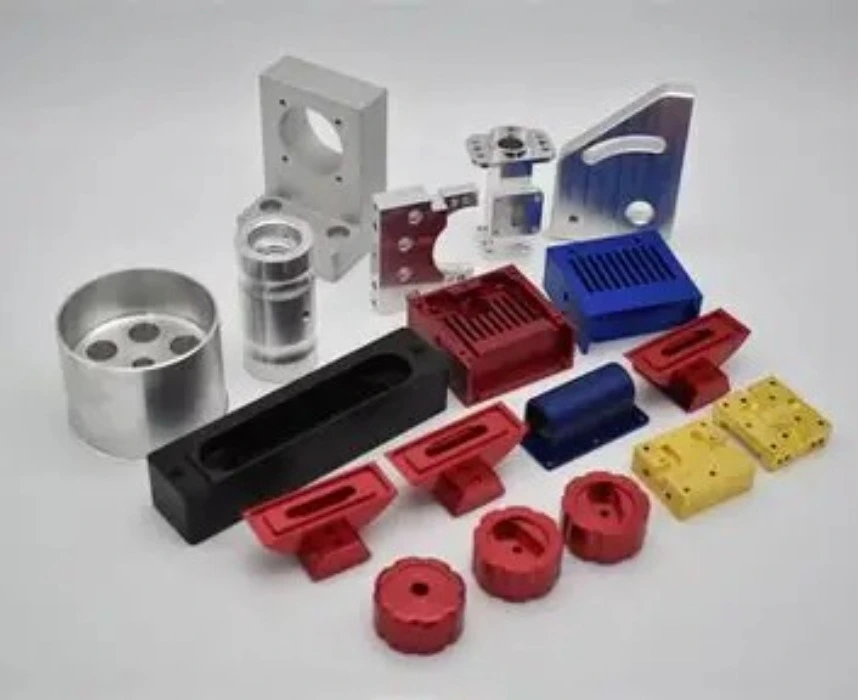
CNC milling machine parts represent the critical intersection of mechanical precision and manufacturing efficiency. These sophisticated components transform raw materials—aluminum, stainless steel, titanium, and engineering plastics—into complex geometries with tolerances measured in microns. Through computer-controlled cutting tools that create precision holes, slots, pockets, and contours, CNC milling delivers the repeatability and accuracy that global manufacturing companies demand. Understanding how these components function, their material properties, and the processes behind them empowers procurement teams and engineering departments to select the right manufacturing partners and make informed decisions that accelerate product development cycles.
Comprehensive Guide to CNC Milling Machine Parts
Essential Components That Define Machining Performance
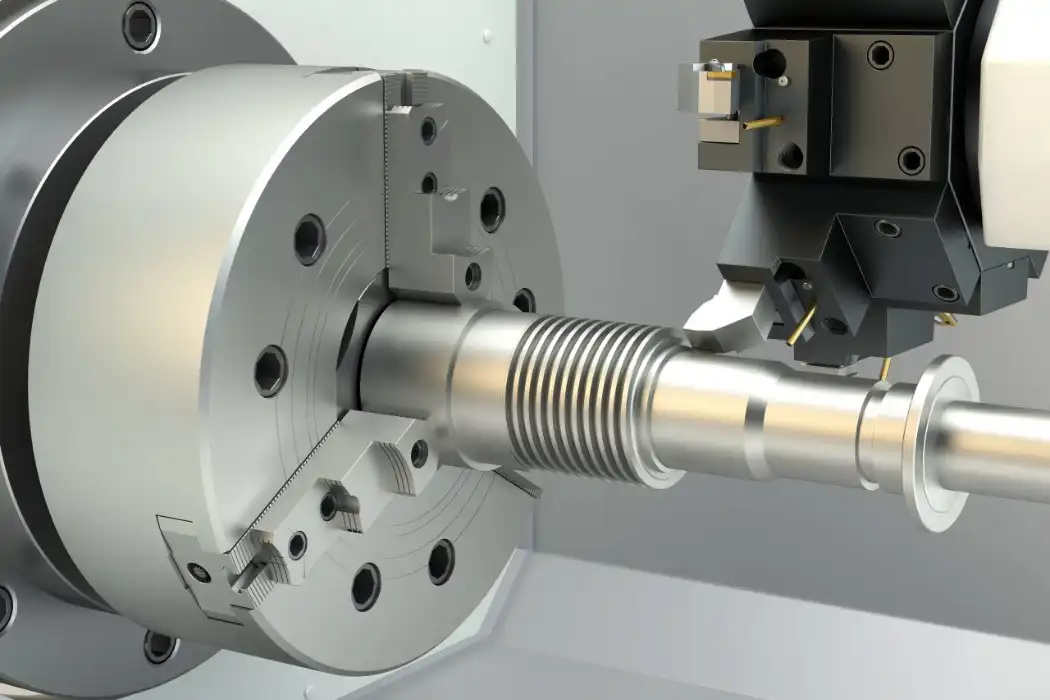
At the heart of precision manufacturing is a complex system of mechanical and computer parts that work together perfectly. The cutting tools that spin at speeds of up to tens of thousands of RPM while staying accurate to the micron level are held by the spindle, which is the spinning engine. Tool clips hold cutting tools securely with no runout, making sure that every pass takes the same amount of material. Dimensional accuracy depends on smooth, accurate movement along the X, Y, and Z directions. Linear guides make this possible, and ball screws turn rotational motion into linear displacement with little feedback.
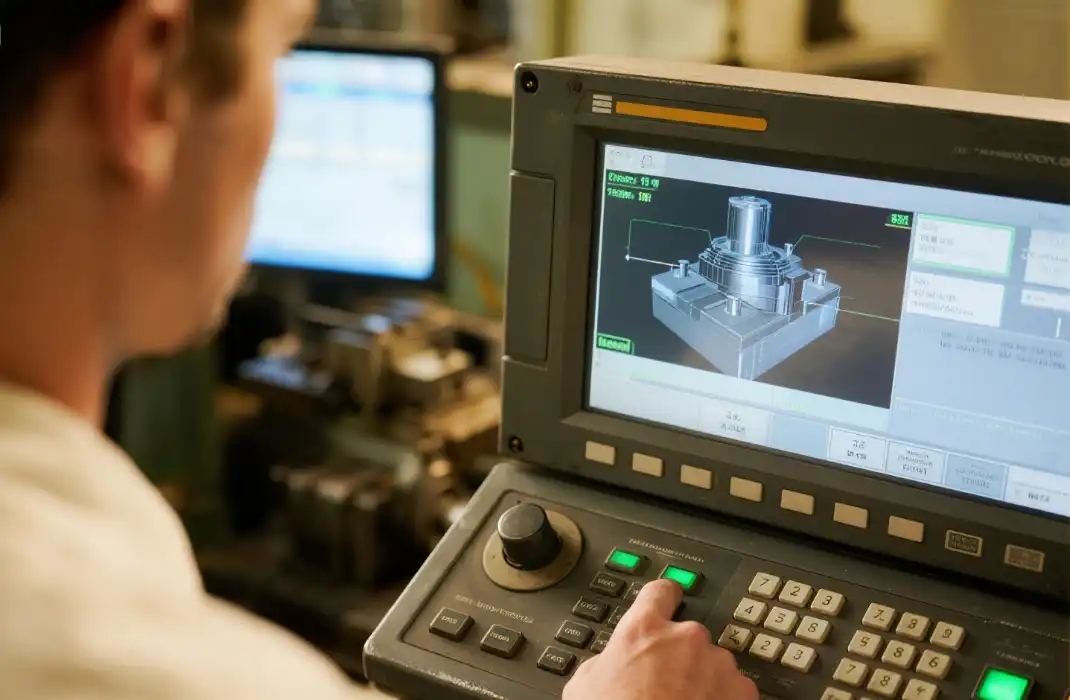
The intelligence layer is made up of control panels and CNC controllers that read CAD drawings and turn them into precise toolpath commands. Motors, whether they are stepper, servo, or hybrid, give you the force and speed control you need to cut through everything from soft plastics to tough steel metals. The type of material used for each part is very important. For example, hardened steel for ball screws doesn't wear out over millions of cycles, and ceramic bearings in spindles keep their precision under high heat loads.
Material and Design Considerations for Component Selection
When engineering teams look at CNC capabilities, they need to know how the quality of a component affects the rest of the manufacturing process. High-precision linear guides that are ground to IT3 or IT4 tolerances allow for machining accuracy of within ±0.005 mm, which is important for parts for medical devices or aircraft fits. Vibration dampening and long-term dimensional stability depend on how rigid the machine frames are. Frames are usually made of cast iron or steel that has been fabricated.
Tool holder interfaces like ISO, BT, or HSK tapers change how fast and how stable the cutting is. People who work in procurement should check with a manufacturing partner to see if they use precision-ground parts or standard-grade alternatives that add up to more mistakes. These differences have a direct effect on whether or not a provider can maintain tight standards across multiple production runs. This is a very important factor to consider when testing prototypes or starting low-volume production.
How CNC Milling Machine Parts Work and Common Issues
The Synchronized Dance of Mechanical Precision
G-code commands guide combined movement on multiple axes, which is how CNC milling works. In contrast to CNC turning, where the workpiece turns, the spindle spins the cutting tools while the object stays still. Because of this basic difference, milling can make flat surfaces, complex 3D shapes, and shapes that aren't cylindrical. Cutting doesn't happen all the time; as the multi-point cutting tool goes across the workpiece, it strikes and disengages, taking away material in controlled passes.
The electronic control system continuously monitors position feedback from encoders on each axis thousands of times per second, comparing actual positions against commanded positions. This closed-loop feedback is essential for CNC milling machine parts like servo motors, ball screws, and guide rails to maintain precision under fluctuating loads. Even when cutting forces reach hundreds of pounds, servo motors quickly adjust to keep preset toolpaths going. This closed-loop control is what makes it possible for high-quality CNC tools to achieve accuracy measured in microns across thousands of parts.
Common Operational Challenges and Preventive Solutions
Even when equipment is well taken care of, it can still break down in regular ways that throw off production plans. Spindle bearing wear shows up as more runout, which leads to rough surfaces and changes in size. Misaligned ball screws cause positioning mistakes that get worse in parts that do more than one thing. Problems with electronic controllers, like software that isn't working right or position encoders that stop working, cause random behavior that's hard to figure out without special knowledge.
These weaknesses are fixed by proactive maintenance protocols that include regular checks and diagnostic tests. Vibration research finds worn-out bearings before they fail in a big way. Periodic measures of the ball screw's backlash show wear that needs to be fixed by adjusting the preload. Temperature monitoring shows problems with the cooling system that make the spindle break down faster. Partners in manufacturing who have recorded preventive maintenance programs and traceability systems show that they have the operational discipline needed to produce quality products every time. These steps keep unexpected downtime to a minimum and protect against the worries about late deliveries that often happen with rapid prototyping schedules.
Comparing CNC Milling Machine Parts: Making Informed Choices
OEM Versus Aftermarket Components: Strategic Trade-offs
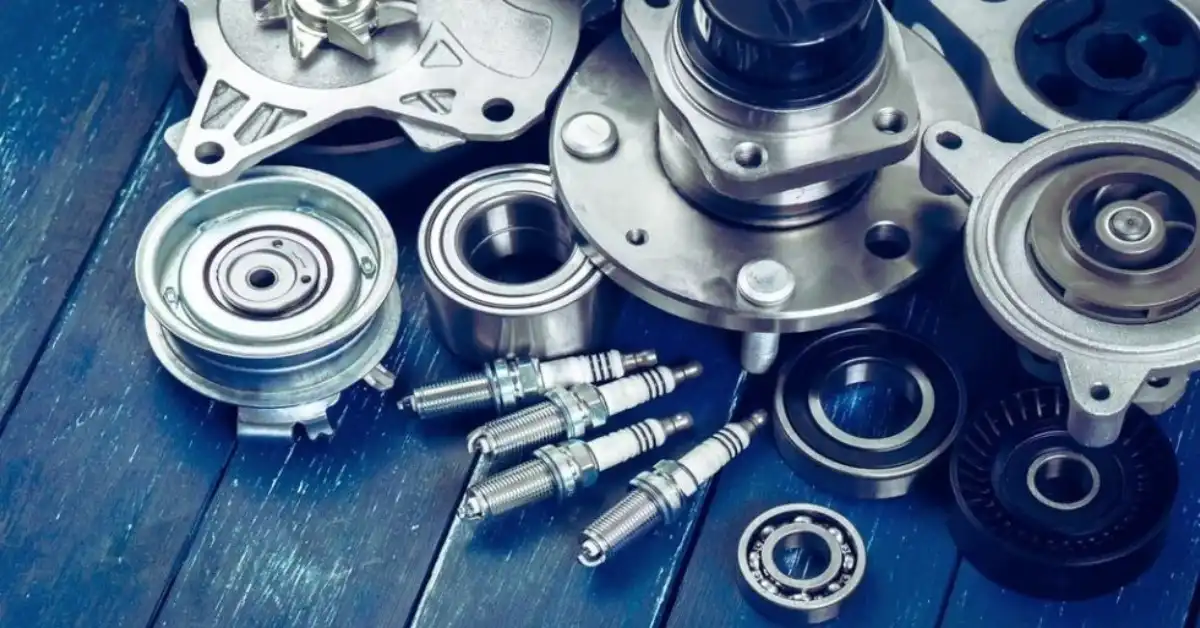
Which parts to buy—original equipment maker parts or aftermarket alternatives—has big effects on the quality of the parts and the total cost of ownership. OEM parts ensure compatibility and keep warranties valid, but they usually cost more and take longer to get. Aftermarket suppliers can save you money and make your car more widely available, but they also come with risks when it comes to fit, quality of materials, and performance longevity.
Top CNC milling machine parts makers, like those that supply major machine tool brands, have strict quality standards that are backed up by a lot of testing and certification. Their warranties usually last between 12 and 24 months, and they have a good professional help system in place. Mid-tier providers may be able to meet the needs of less demanding uses at reasonable prices, but procurement teams need to test samples to make sure that the materials are certified and that the sizes are within acceptable ranges.
Balancing Precision Requirements Against Budget Constraints
Precision parts like ground ball screws with a C3 accuracy class, preloaded linear guides, or spindles with runouts of less than one micron make it possible for medical implants, semiconductor tooling, or aircraft structural parts to have the tight standards they need. Standard-grade parts are fine for industrial equipment housings or test setups where tolerances of ±0.05mm are enough to do the job.
The effect on performance goes beyond accuracy in dimensions; it also has an effect on the quality of the surface finish, the life of the tool, and the rate of production. When cutting, high-rigidity systems need aggressive parameters that shorten cycle times, but when cutting with lower-specification equipment, conservative feeds and speeds are needed that make production schedules longer. Instead of going to either maximum accuracy or minimum cost, procurement managers should choose parts based on what the application needs. By matching potential to need, this strategy method maximizes value by avoiding both over-specification, which wastes money, and under-specification, which lowers quality.
Procurement Strategies for CNC Milling Machine Parts
Building Resilient Supply Chains Through Strategic Sourcing
Comparing unit costs is only one part of effective procurement; it also looks at the supplier's skills, how reliable their deliveries are, and their willingness to work with you. Companies that make things need precision cutting partners that have ISO 9001 certification for general manufacturing and ISO 13485 certification for medical device uses. People can trust these quality management tools to keep processes under control, keep records, and make improvements all the time.
Online supplier platforms have made it easier to find factories around the world, but they also make it harder to check the quality of goods and protect intellectual property. By spreading out the costs of setup over time, bulk orders can save you money, but you need to be able to accurately predict demand to avoid having to pay for unnecessary supplies. Shipping operations must work with project deadlines and budgets, whether it's fast air freight for a prototype that needs to be sent right away or cheap ocean shipping for large quantities.
Negotiation Leverage Through Informed Evaluation
Carefully read the warranty terms to find out what kinds of problems can lead to replacements and rework. Who pays the shipping costs for the return? What kind of quality paperwork comes with each delivery? Suppliers who give dimensional inspection records, material certificates, and surface finish studies show that they are committed to being open and responsible. These practices make it easier for inspectors to find problems and provide traceability, which is important for businesses that are controlled.
Certifications of suppliers, reviews from customers, and clear information about output ability give procurement teams negotiating power. Requesting sample parts for first-article inspection is a good way to make sure that the manufacturing process works well before committing to large production runs. Design for Manufacturability (DFM) feedback during quotes shows how deep an engineer is—partners who find ways to improve tolerances or use different materials add value beyond basic cutting.
Long-term relationship models are good for both parties because they lock in production volumes, which helps suppliers plan their capacity, and they get better prices. Confidential manufacturing procedures and non-disclosure agreements (NDAs) protect secret plans and allow people to work together to solve problems. Having relationships with manufacturing partners who put money into improving processes and increasing capacity makes the supply chain more stable, which protects against problems and helps the business grow.
Future Trends and Innovations in CNC Milling Parts
Advanced Materials Reshaping Manufacturing Capabilities
New materials, such as high-performance alloys, carbon fiber composites, and ceramic-reinforced polymers, make traditional ways of machining harder and open up more uses. Titanium alloys are 40% lighter than steel while losing only 5% of their strength. This makes them perfect for medical implants and structural parts in spacecraft. But because titanium work-hardens and doesn't carry heat well, it needs special tools and cutting methods that not all providers know how to use.
For cutting high-temperature superalloys used in turbine parts, you need cutting tools with high-tech coatings and machine centers that are very strong so they can handle the cutting forces. For electronics housings and industrial automation parts, engineering plastics like PEEK and Ultem are chemically resistant and stable in shape. However, they need to be machined differently than metal alloys so they don't melt or crack under stress.
Smart Technologies Driving Operational Excellence
IoT-enabled sensors built into CNC milling machine parts and equipment let you see the spindle temperature, vibration patterns, and cutting forces in real time. This information is used by predictive maintenance algorithms to guess when parts will break before they do. They do this by planning preventative maintenance for planned downtime instead of waiting for breakdowns to happen. 15–25% more machine performance directly leads to more capacity and more reliable delivery.
Additive manufacturing integration makes hybrid processes that use both CNC finishing operations and 3D-printed near-net forms. This method cuts down on material waste on complicated shapes while keeping the surface finish and exact measurements on important parts. For business-to-business buyers looking for manufacturing partners who can give them a competitive edge, providers who adopt these new technologies show that they are forward-thinking and can put their clients ahead of competitors in the market. When you use smart manufacturing to make things, you can quickly adapt to changes in designs and new market possibilities that you can't do with old methods.
Conclusion
When procurement teams and engineering departments know about CNC milling machine parts and how they are made, they can make smart choices that speed up product development while keeping costs low. The choice of component affects not only the accuracy of the dimensions but also the speed of production, the consistency of quality, and the dependability of the supplier. Companies around the world need manufacturing partners with detailed quality systems, preventive maintenance routines, and engineering support services that can give them consistent performance. As smart materials and technologies change the way precision manufacturing is done, working with new providers who invest in these skills gives you a competitive edge by making your business more flexible and efficient.
Partner with a Trusted CNC Milling Machine Parts Manufacturer for Your Precision Needs
BOEN Rapid has been making precision products for more than 15 years and can help you with your rapid prototyping and small-scale production needs. Our processes are certified by ISO 9001 and ISO 13485, which means that the quality of our CNC milled aluminum parts, stainless steel parts, and precision plastic machining is always the same. We offer custom manufacturing from CAD models with professional DFM support. This lets you improve designs while keeping high repeatability and a range of production numbers. Our expert engineering team can help you with technical questions and make sure your parts are made reliably, whether you need complicated parts with precise holes, slots, and contours for medical devices, robots, or aerospace. Get in touch with us right away at contact@boenrapid.com to talk about how our precision CNC milling machine parts services can help you get your product to market faster.
FAQ
What materials can CNC milling machines process effectively?
CNC milling can work with a wide range of materials, such as copper, brass, aluminum alloys, stainless steel, titanium, industrial plastics (like PEEK and ABS), and special composites. Choosing the right material depends on the job. For example, aluminum is great for making samples because it is easy to shape, stainless steel is great for medical devices because it doesn't rust, and titanium is great for aircraft parts because it is strong for its weight. Different materials need different cutting parameters and strategies for the tools used.
How does CNC milling differ from CNC turning in part production?
During CNC milling, rotating cutting tools are used on fixed workpieces to make flat surfaces, complicated shapes, and forms that aren't cylindrical. The workpiece is rotated by CNC turning, while a stationary single-point tool cuts continuously to make cylinder or cone shapes. Milling is great at making complicated 3D shapes, while turning is great at making round parts like shafts and bushings.
What tolerances can precision CNC milling achieve?
Standard CNC milling usually gets tolerances of ±0.025mm to ±0.05mm. High-precision machines with good linear guides and ball screws can get tolerances of ±0.005mm to ±0.01mm. Tolerance depends on how rigid the machine is, the quality of the parts, how well the temperature is controlled in the environment, and how skilled the operator is. For critical measurements that need tighter standards, you may need to do extra grinding or EDM work.
References
1. Kalpakjian, S., & Schmid, S. R. (2014). Manufacturing Engineering and Technology (7th ed.). Pearson Education.
2. Groover, M. P. (2020). Fundamentals of Modern Manufacturing: Materials, Processes, and Systems (7th ed.). John Wiley & Sons.
3. Stephenson, D. A., & Agapiou, J. S. (2016). Metal Cutting Theory and Practice (3rd ed.). CRC Press.
4. Boothroyd, G., & Knight, W. A. (2011). Fundamentals of Machining and Machine Tools (3rd ed.). CRC Press.
5. Rao, P. N. (2017). Manufacturing Technology: Metal Cutting and Machine Tools (3rd ed.). McGraw-Hill Education.
6. Tlusty, J. (2000). Manufacturing Processes and Equipment. Prentice Hall.